

 4 days ago
7
Boston combines American history, world-class museums, historic neighborhoods, waterfront attractions, and a strong food culture. Walk the route of the American Revolution in the morning, explore a major art collection in the afternoon, and end the day with Italian food in the North End.

Things to do in Boston
This guide covers 15 worthwhile things to do in Boston, Massachusetts, balancing iconic landmarks with local favorites. Each recommendation explains what to see, what to do, why it belongs on your itinerary, and practical details to help you plan your visit.
1. Walk the Freedom Trail
 Quincy Market along the Freedom Trail in Boston
The Freedom Trail is one of the best ways to explore Boston’s role in the American Revolution. This approximately 2.5-mile route connects 16 historic sites, including churches, burial grounds, meeting houses, and landmarks associated with the fight for American independence.
Follow the red brick line through downtown Boston and discover how the city’s streets connect major events in American history. You can walk the trail on your own or join a guided tour for more context on the people and events behind each stop.
What to see and do: Visit the Old State House, see the Boston Massacre site, explore Faneuil Hall, and stop at the Paul Revere House. If you have enough time, continue toward the Bunker Hill Monument in Charlestown.
- Location: Starts at Boston Common and ends near Bunker Hill in Charlestown
- Admission: Free to walk the route; some historic sites charge admission
- Recommended visit duration: 3 to 5 hours, depending on stops
- Best for: History enthusiasts, first-time visitors, and walking tours
Allow extra time if you plan to enter several historic buildings. The trail is an attraction in its own right, but its individual stops are what make the experience memorable.
2. Relax at Boston Common and the Public Garden
 Boston Public Garden
Boston Common and the adjacent Boston Public Garden offer a peaceful break from sightseeing. Boston Common dates to 1634 and is widely recognized as the oldest public park in the United States. The Public Garden is known for its landscaped paths, ornamental flowers, lagoon, and distinctive footbridge.
Both parks are easy to include in a day of exploring downtown Boston. Walk beneath mature trees, sit on a bench, or look for the bronze duckling sculptures inspired by the children’s book Make Way for Ducklings.
What to see and do: Visit the duckling statues, cross the Public Garden’s suspension bridge, and take photographs around the lagoon. During the operating season, you can also ride the traditional Swan Boats.
- Location: Downtown Boston, near Beacon Hill and Back Bay
- Admission: Free to enter the parks; Swan Boat rides cost extra
- Recommended visit duration: 1 to 2 hours
- Best for: Families, couples, photographers, and relaxed walks
The parks change considerably with the seasons. Spring brings flowering trees, summer offers lush greenery, autumn adds colorful foliage, and winter can bring opportunities for seasonal skating at Boston Common’s Frog Pond.
3. Explore the Museum of Fine Arts, Boston
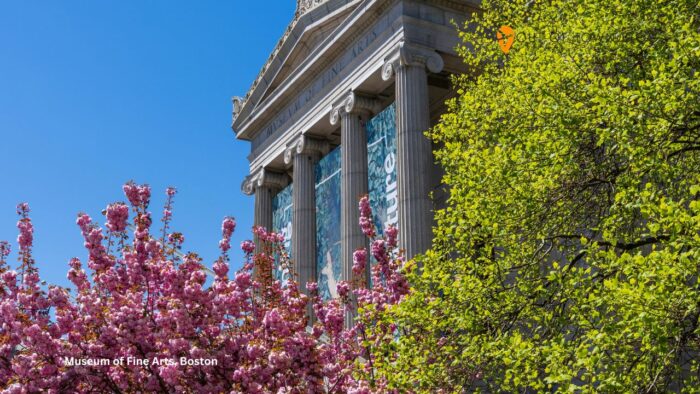 Museum of Fine Arts, Boston
The Museum of Fine Arts, Boston, is a major destination for art lovers. Its collections cover a wide range of periods, cultures, and artistic traditions, from ancient objects to modern works. The museum offers enough variety to interest visitors with different tastes, whether they prefer paintings, decorative arts, sculpture, or historical artifacts.
You do not need to be an art expert to enjoy a visit. Choose a few collections that interest you rather than trying to see everything in one trip.
What to see and do: Explore galleries featuring American art, European paintings, ancient Egyptian objects, and Asian works. Check the exhibition calendar for temporary displays and special events.
- Location: 465 Huntington Avenue, near the Fenway area
- Admission: Adult admission is approximately USD 30. Youth and children may qualify for reduced or free admission.
- Recommended visit duration: 2 to 4 hours
- Best for: Art enthusiasts, families with older children, and rainy-day sightseeing
Check the museum’s current visitor information before visiting because opening hours, ticket prices, and special exhibition schedules can change.
4. Visit Fenway Park
Fenway Park is home to the Boston Red Sox and is one of the city’s most recognizable sporting landmarks. Opened in 1912, the ballpark is famous for its Green Monster, the towering left-field wall that has become part of baseball history.
Even if you don’t follow Major League Baseball, Fenway is worth visiting for its atmosphere and connection to local identity. A game lets you experience a long-standing American sporting tradition alongside passionate Boston fans.
What to see and do: If your visit coincides with the baseball season, attend a Red Sox game. Alternatively, consider a guided ballpark tour to learn about the stadium’s history and distinctive features.
- Location: 4 Jersey Street, Fenway area
- Admission: Game tickets and tours are priced separately and vary by date
- Recommended visit duration: Around 1 hour for a tour; 3 hours or more for a game
- Best for: Sports fans, families, and visitors interested in local culture
Game dates can affect hotel rates, traffic, and restaurant crowds around Fenway. Check the schedule before choosing accommodation or planning an evening nearby.
5. Discover the Isabella Stewart Gardner Museum
The Isabella Stewart Gardner Museum offers an experience unlike a conventional art museum. Its central courtyard resembles an enclosed European garden, surrounded by architectural details and galleries filled with art Isabella Stewart Gardner collected.
The museum’s intimate atmosphere encourages visitors to slow down and examine how the artworks, rooms, and courtyard relate. Its collection includes paintings, sculpture, textiles, furniture, and other decorative objects.
What to see and do: Spend time in the courtyard, explore the galleries, and learn about Gardner’s collecting interests. The museum is also linked to one of the most famous unsolved art thefts in history, adding another layer to the visit.
- Location: 25 Evans Way, near the Fenway area
- Admission: Adult admission is approximately USD 25, with reduced rates for eligible visitors and free admission for younger visitors.
- Recommended visit duration: 1.5 to 2 hours
- Best for: Art lovers, architecture enthusiasts, and couples
Advance ticket reservations are recommended because popular entry times can sell out. Check the museum’s schedule before visiting.
6. Explore Faneuil Hall Marketplace and Quincy Market
 Quincy Market
Faneuil Hall Marketplace is a busy downtown destination for food, shopping, street performances, and historic sightseeing. The surrounding area includes Faneuil Hall, a building associated with public debate and political organizing during the colonial period.
Nearby Quincy Market is a convenient place to sample a range of casual foods in one stop. The marketplace can be crowded, especially on weekends, holidays, and during peak tourist season, but it’s still a good place to take a break between historical attractions.
What to see and do: Explore the historic hall, browse shops, watch street performers when available, and try local specialties such as clam chowder or a lobster roll.
- Location: Near Government Center and the waterfront
- Admission: Public marketplace areas are generally free; food and shopping cost extra
- Recommended visit duration: 1 to 2 hours
- Best for: Food lovers, families, and first-time visitors
Treat the marketplace as a convenient introduction to Boston’s food scene, not the only place to eat. Exploring nearby neighborhoods can lead you to restaurants with different menus and atmospheres.
7. Walk through Beacon Hill
 Beacon Hill
 is one of Boston’s most recognizable historic neighborhoods. Its brick sidewalks, Federal-style townhouses, iron railings, and narrow streets provide a glimpse of the city’s architectural past. The area also sits close to Boston Common, making it easy to combine with a visit to the parks.
Acorn Street is one of the neighborhood’s best-known photography spots. However, Beacon Hill is also residential, so visitors should respect private entrances and avoid blocking sidewalks while taking pictures.
What to see and do: Walk along Acorn Street, explore Charles Street’s independent shops and cafés, and admire the historic buildings along the neighborhood’s sloping lanes. You can also see the nearby Massachusetts State House from the outside.
- Location: North of Boston Common
- Admission: Free to walk through the neighborhood
- Recommended visit duration: 1 to 2 hours
- Best for: Architecture enthusiasts, photographers, and leisurely walks
Wear comfortable shoes because the streets can be uneven and steep in places. Early morning is a good time to take photographs with fewer people in the background.
8. Tour the Boston Tea Party Ships and Museum
The Boston Tea Party Ships and Museum brings one of the best-known events leading up to the American Revolution to life. The experience focuses on the 1773 protest against British taxation, when colonists threw tea into Boston Harbor.
Rather than relying entirely on traditional exhibits, the museum uses costumed interpreters, replicas, and interactive elements to help visitors understand the protest and its wider political significance.
What to see and do: Learn about the taxation dispute, take part in the theatrical presentation, and explore the replica ships. The experience can be especially engaging for visitors who enjoy demonstrations and immersive history.
- Location: Congress Street Bridge area, near the Fort Point waterfront
- Admission: Paid; check current ticket prices and tour schedules before visiting
- Recommended visit duration: Approximately 1 to 1.5 hours
- Best for: Families, history enthusiasts, and interactive museum experiences
Book ahead during school holidays and peak travel periods. If you are following the Freedom Trail, this museum makes a useful addition, although it is not one of the trail’s 16 official stops.
9. Visit the New England Aquarium
The New England Aquarium is a popular waterfront attraction featuring marine animals, educational exhibits, and a large central ocean tank. Its location near Long Wharf also makes it easy to pair with harbor cruises or a waterfront walk.
The aquarium offers a change of pace from Boston’s historic sites. It is especially appealing to families and travelers looking for an indoor activity when the weather is poor.
What to see and do: Explore the Giant Ocean Tank, observe the aquarium’s marine life, and check the daily program for animal presentations or special activities. Availability varies, so review the current schedule before planning around a particular experience.
- Location: 1 Central Wharf, near Long Wharf
- Admission: Paid; ticket prices vary by visitor type and date
- Recommended visit duration: 2 to 3 hours
- Best for: Families, marine-life enthusiasts, and rainy-day visits
Arriving near opening time can help you enjoy the exhibits before the busiest crowds. If you are planning a harbor cruise afterward, leave enough time to walk to the departure point.
10. Visit the Boston Public Library in Copley Square
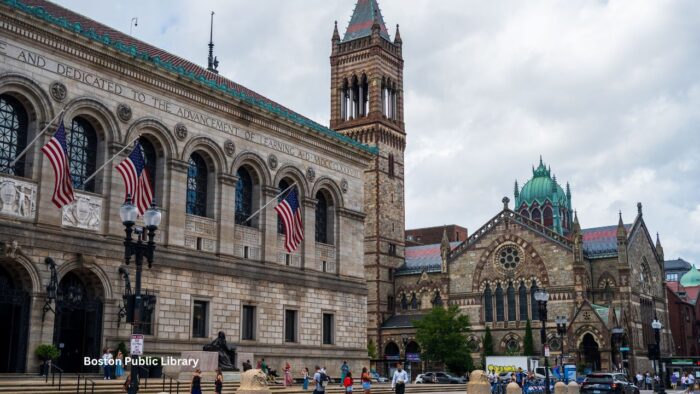 Boston Public Library
The central branch of the Boston Public Library is both an architectural attraction and a working public library. Its McKim Building features grand reading rooms, decorative details, murals, and a courtyard that feels removed from the busy streets outside.
The library is an excellent stop for travelers who enjoy architecture but don’t want to pay for another museum. Visitors should remember that it remains a functioning library, so quiet behavior is appropriate in reading areas.
What to see and do: Look inside Bates Hall, admire the building’s artwork and historic interiors, and visit the courtyard when accessible. Check whether guided tours are available during your visit.
- Location: 700 Boylston Street, Copley Square
- Admission: Free
- Recommended visit duration: 45 minutes to 1 hour
- Best for: Architecture enthusiasts, readers, and budget-conscious travelers
The library’s public hours vary by day, with some evenings open later than others. Confirm the schedule before you go.
11. Explore the North End and its Italian Food Scene
 Boston North End
The North End is Boston’s historic Italian-American neighborhood, known for its restaurants, cafés, bakeries, and compact streets. It also includes key Freedom Trail sites, including the Paul Revere House and Old North Church.
Explore this neighborhood without rushing. Its appeal lies in combining historic landmarks with a meal or a stop at a bakery. The streets are narrow, and restaurant crowds can build around dinner time, especially on weekends.
What to see and do: Walk along Hanover Street, visit a historic site, and try Italian pastries, pasta, or a traditional meal at a neighborhood restaurant. If you enjoy food-focused travel, plan time to compare a few menus instead of choosing the first place you see.
- Location: North of the downtown waterfront
- Admission: Free to explore; food and historic attractions may cost extra
- Recommended visit duration: 1.5 to 3 hours
- Best for: Food lovers, couples, and cultural travelers
The North End pairs naturally with the Freedom Trail. Visit historic sites during the day, then return for dinner as the neighborhood livens up.
12. Visit the USS Constitution and Charlestown Navy Yard
The USS Constitution is a historic American naval ship commonly known as “Old Ironsides.” Launched in 1797, it is the world’s oldest commissioned naval vessel still afloat. Visiting the ship and the nearby museum offers insight into American maritime history and sailors’ lives.
The Charlestown Navy Yard provides a different perspective on Boston, away from the busiest downtown streets. Explore the waterfront, learn about the ship’s role in the War of 1812, and see exhibits that explain naval life.
What to see and do: Visit the ship when it is open to visitors, explore the USS Constitution Museum, and walk around the historic Navy Yard.
- Location: Charlestown Navy Yard
- Admission: Ship entry is free; the museum uses suggested admission tiers, with standard adult admission around USD 15
- Recommended visit duration: 1.5 to 2.5 hours
- Best for: History buffs, families, and maritime enthusiasts
The ship and museum have separate schedules. Confirm both before traveling to Charlestown.
13. See Boston from the Water on a Harbor Cruise
A harbor cruise lets you see Boston from a different angle. From the water, you can take in the skyline, waterfront districts, harbor islands, and working port areas without navigating city streets. Depending on the operator and season, cruises may focus on sightseeing, historic commentary, sunset views, or wildlife watching.
This is a useful option for visitors who have already spent several hours walking around downtown. It also works well as a family activity or a way to photograph the city skyline.
What to see and do: Choose a narrated sightseeing cruise for historical context, or look for a sunset departure for changing light and city views. Check the route and duration before booking because not all cruises visit the same areas.
- Location: Departure points commonly include Long Wharf and other waterfront piers
- Admission: Paid; prices depend on the operator and cruise type
- Recommended visit duration: 1 to 2 hours for a standard sightseeing trip
- Best for: Couples, families, photographers, and relaxed sightseeing
Cruise schedules are seasonal and weather-dependent. Book with an established operator, confirm the departure pier, and arrive early enough to board without rushing.
14. Discover the Boston Harbor Islands
The Boston Harbor Islands National and State Park offers a quieter alternative to the city’s museums and historic streets. The islands offer walking trails, open landscapes, waterfront views, and plenty of space to relax outdoors.
A trip to the islands requires more planning than an urban attraction because public ferry service is seasonal. The main public ferry season typically runs from late spring through autumn, with schedules varying throughout the season.
What to see and do: Visit an island served by public ferry, walk its trails, enjoy harbor views, and bring food and water for a simple outdoor excursion. Check the latest access information for your chosen island before leaving.
- Location: Access by ferry from Boston’s waterfront or other designated departure points
- Admission: Ferry tickets cost extra; park access and services vary by island
- Recommended visit duration: Half a day
- Best for: Outdoor enthusiasts, photographers, and travelers seeking open space
Check the final ferry departure carefully. Services are seasonal, and missing the return ferry can disrupt your plans. Some islands have limited facilities, so pack what you need.
15. Admire the Views from the Charles River Esplanade
The Charles River Esplanade is a riverside park with walking and cycling paths, green spaces, and views across the Charles River toward Cambridge. It is a great place to experience Boston at a slower pace, especially after a day of museums and historic attractions.
Locals use the Esplanade for exercise, picnics, and outdoor recreation. Depending on the season, you may also find public events and performances near the Hatch Memorial Shell.
What to see and do: Walk along the river, watch boats, take skyline photos, or find a quiet spot to rest. Visit around sunset for changing light over the river and city buildings.
- Location: Along the Charles River, near Back Bay and Beacon Hill
- Admission: Free
- Recommended visit duration: 1 to 2 hours
- Best for: Walkers, runners, couples, and budget travelers
The Esplanade works well as a final stop because it does not require a ticket or a strict schedule. Bring an extra layer on breezy days, as temperatures beside the river can feel cooler than on sheltered city streets.
Frequently Asked Questions About Visiting Boston
1. What are the best things to do in Boston for first-time visitors?
First-time visitors should prioritize the Freedom Trail, Boston Common and Public Garden, Fenway Park, and Faneuil Hall Marketplace. These attractions introduce Boston’s Revolutionary War history, green spaces, sporting culture, and lively downtown districts. If you have extra time, visit the Museum of Fine Arts or the Isabella Stewart Gardner Museum for art and architecture. Exploring the North End for Italian food is another worthwhile experience. With two or three days, you can see several major highlights without rushing through every attraction.
2. How many days should you spend in Boston?
Plan for two to three days to experience Boston’s major attractions at a comfortable pace. Two days can cover the Freedom Trail, Boston Common, Faneuil Hall, the North End, and one major museum. A third day gives you more time for Fenway Park, the waterfront, the USS Constitution, or another museum. Travelers interested in art, American history, or outdoor activities may prefer four days. Your ideal itinerary depends on whether you enjoy walking, visiting museums, attending sporting events, or exploring neighborhoods.
3. Is Boston an expensive city to visit?
Boston can be expensive, especially for accommodation, restaurant meals, and popular ticketed attractions. However, you can control your spending by prioritizing free experiences. Boston Common, the Public Garden, the Freedom Trail’s outdoor route, the Charles River Esplanade, and the Boston Public Library offer plenty to see for free. Walking between nearby neighborhoods can also reduce transportation costs. For paid attractions, compare ticket prices and check for discounts before booking. Visiting outside major event periods may also help you find better hotel rates.
4. What is the best time of year to visit Boston?
Spring and autumn are popular seasons for exploring Boston on foot. Spring brings flowering trees and milder weather, while autumn offers colorful foliage and comfortable walking conditions in historic neighborhoods. Summer is suitable for outdoor activities, waterfront cruises, and baseball games, although it can be warm and busy. Winter brings colder temperatures and the possibility of snow, but museums and indoor attractions remain useful options. Your preferred season should depend on the experiences you want. Check seasonal schedules for outdoor activities and harbor ferries before confirming your travel dates.
5. Can you explore Boston without renting a car?
Yes. Most major attractions in central Boston are accessible on foot, by subway, by bus, or a combination of these options. The city’s public transportation network, commonly called the T, connects downtown with neighborhoods such as Back Bay and Fenway. You can also walk between nearby historic sites and restaurants without needing a vehicle. A car is usually unnecessary for a city-focused visit and may add parking expenses. If you plan to visit destinations outside Boston, compare train, bus, and organized tour options before deciding whether a rental car is worthwhile.
6. Is the Freedom Trail free to visit?
Walking the Freedom Trail is free, and you can follow its marked route through Boston’s historic streets at your own pace. However, some buildings and museums along the route charge admission. You can enjoy many outdoor landmarks without purchasing tickets, including historic streets, burial grounds, and monuments. Guided walking tours are available for travelers who want additional historical context. If you intend to enter several sites, check individual admission prices and operating hours in advance. The trail can take several hours, particularly if you stop to explore multiple historic buildings.
7. What are the best free things to do in Boston?
Boston offers several free activities for travelers who want to explore without spending heavily. Walk the Freedom Trail, relax in Boston Common and the Public Garden, admire the Boston Public Library’s architecture, or stroll along the Charles River. Beacon Hill is also worth exploring on foot for its historic buildings and charming streets. You can enjoy the North End’s atmosphere without buying a meal, although food and admission to certain historic sites cost extra. Check individual attractions for free admission days or seasonal public events.
8. What is Boston best known for?
Boston is known for its role in American history, especially the events leading up to the American Revolution. It is also recognized for its universities, museums, historic neighborhoods, sports culture, and waterfront setting. The Freedom Trail connects many of the city’s most important historic sites, while Fenway Park represents its long-standing baseball tradition. Visitors can also experience Boston’s food culture in neighborhoods such as the North End. These attractions appeal to history enthusiasts, sports fans, families, and travelers who enjoy exploring walkable urban destinations.
9. Is Boston a good destination for families with children?
Boston offers a wide range of family-friendly activities, including the New England Aquarium, Boston Common, the Public Garden, and the Boston Tea Party Ships and Museum. Children who enjoy sports may also like visiting Fenway Park, while interactive exhibits can make history more engaging. The best attractions depend on your children’s ages and interests. Plan a manageable number of activities each day and leave time for breaks, meals, and outdoor play. Check age recommendations, ticket prices, and accessibility details before booking. Indoor alternatives help when the weather changes.
10. What should you eat when visiting Boston?
Boston is a good place to sample New England seafood and traditional regional dishes. Popular choices include clam chowder, lobster rolls, and other seafood specialties. The North End is known for Italian-American restaurants, cafés, and bakeries, making it a useful neighborhood for a meal or dessert stop. Quincy Market also offers a variety of casual food options in one location. Restaurant prices and quality vary, so compare menus before choosing where to eat. If you have dietary restrictions, contact restaurants in advance to ask about ingredients and available alternatives.
11. Which Boston attractions are best for rainy days?
Museums and indoor landmarks are practical choices when rain makes walking around Boston less comfortable. The Museum of Fine Arts provides extensive galleries, while the Isabella Stewart Gardner Museum offers art and distinctive architecture. The New England Aquarium is another option, especially for families. The Boston Public Library is worth visiting for its historic interiors, although visitors should respect its role as a working library. Faneuil Hall Marketplace also offers food and shopping between outdoor stops. Check opening hours and ticket availability before leaving your hotel.
12. Is Boston worth visiting for a short trip?
Boston is well suited to a short trip because many major attractions are relatively close together. A carefully planned two-day visit can include the Freedom Trail, Boston Common, Faneuil Hall, the North End, and a museum or sporting attraction. Travelers with only one day should focus on a compact area rather than trying to see all 15 recommendations. Boston also works well for travelers who enjoy history, architecture, and food. Choose attractions based on your interests, group the nearby sites together, and leave enough time to enjoy each stop.
Follow and subscribe to OutofTownBlog.com on Facebook , Twitter, Instagram, Pinterest, and YouTube for more Travel-related updates.
Read:





















 English (US) ·
 French (CA) ·