

For several years, especially in the suburban United States, the perfect lawn was seen as the quintessential thing to have. It featured neatly mowed grass, sharp edges, and not a dandelion in sight (lest it be obliterated by enough chemicals that you would need a hazmat suit to walk across).
However, a new trend seems to have taken hold, showing up in yards across the US. They're getting a little, shall we say, “wilder,” and this aesthetic doesn’t seem to be going anywhere. Gardeners are putting away their mowers, allowing their grass to grow a bit and discovering that the results are better for animals, easier to maintain, and far more interesting to look at.
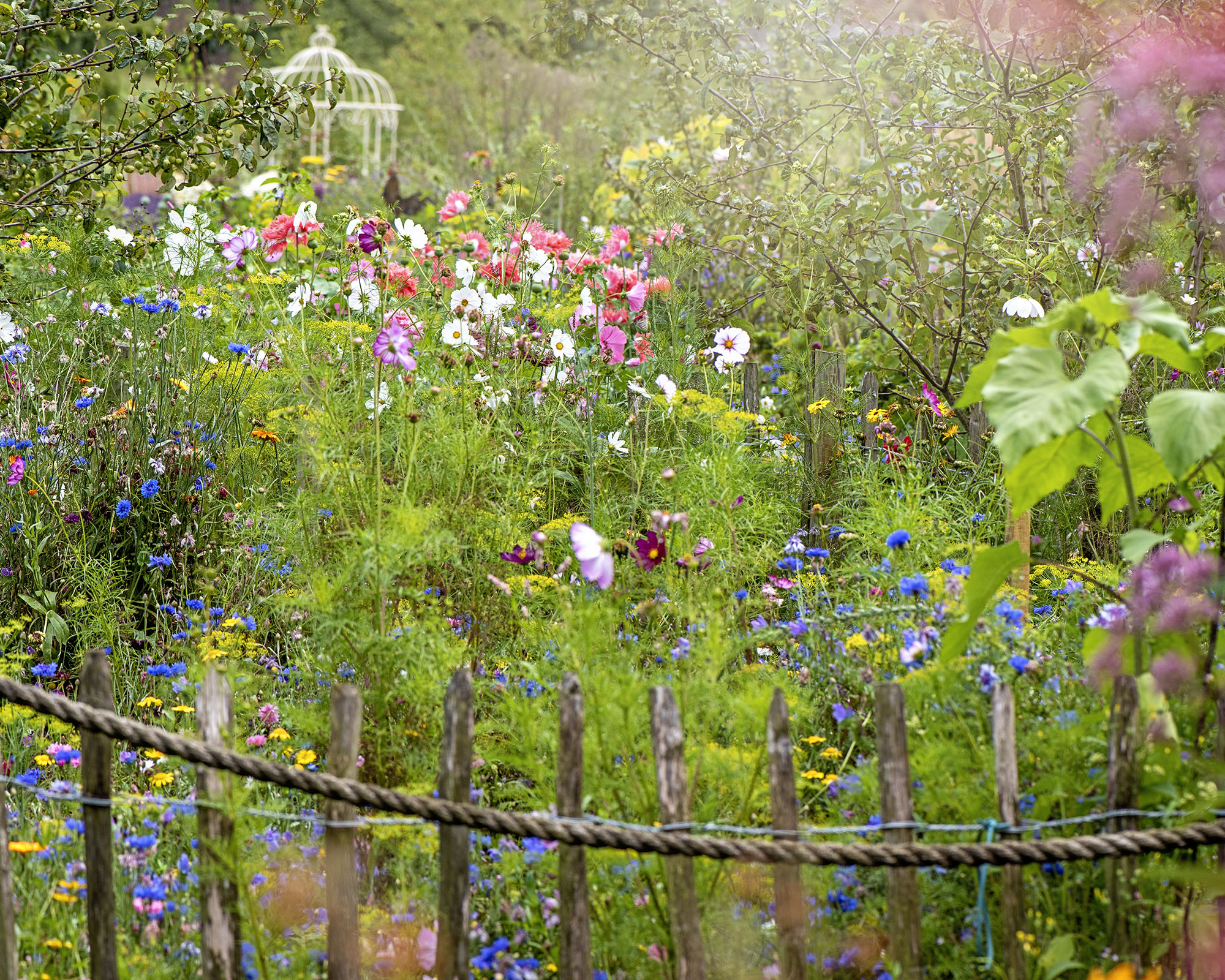
It’s now become a full-blown movement, called “rewilding” your lawn, and it’s really gaining momentum. Instead of seeing a yard as a decorative carpet of grass where not one footprint should be seen, gardeners are now treating it as a small ecosystem capable of supporting insects, pollinators, and the occasional bird. Once you notice the difference, it’s hard to go back to your plain old turf.
Article continues below
(Image credit: Getty Images)
Why Gardeners Are Ditching the Perfect Lawn
A traditional lawn may look perfect and give you that same satisfying feeling as a neatly organized pantry on TikTok, but ecologically, it’s often a “green desert.” The few grass species that it consists of rarely offer food or shelter for insects and birds, meaning they have to look elsewhere.
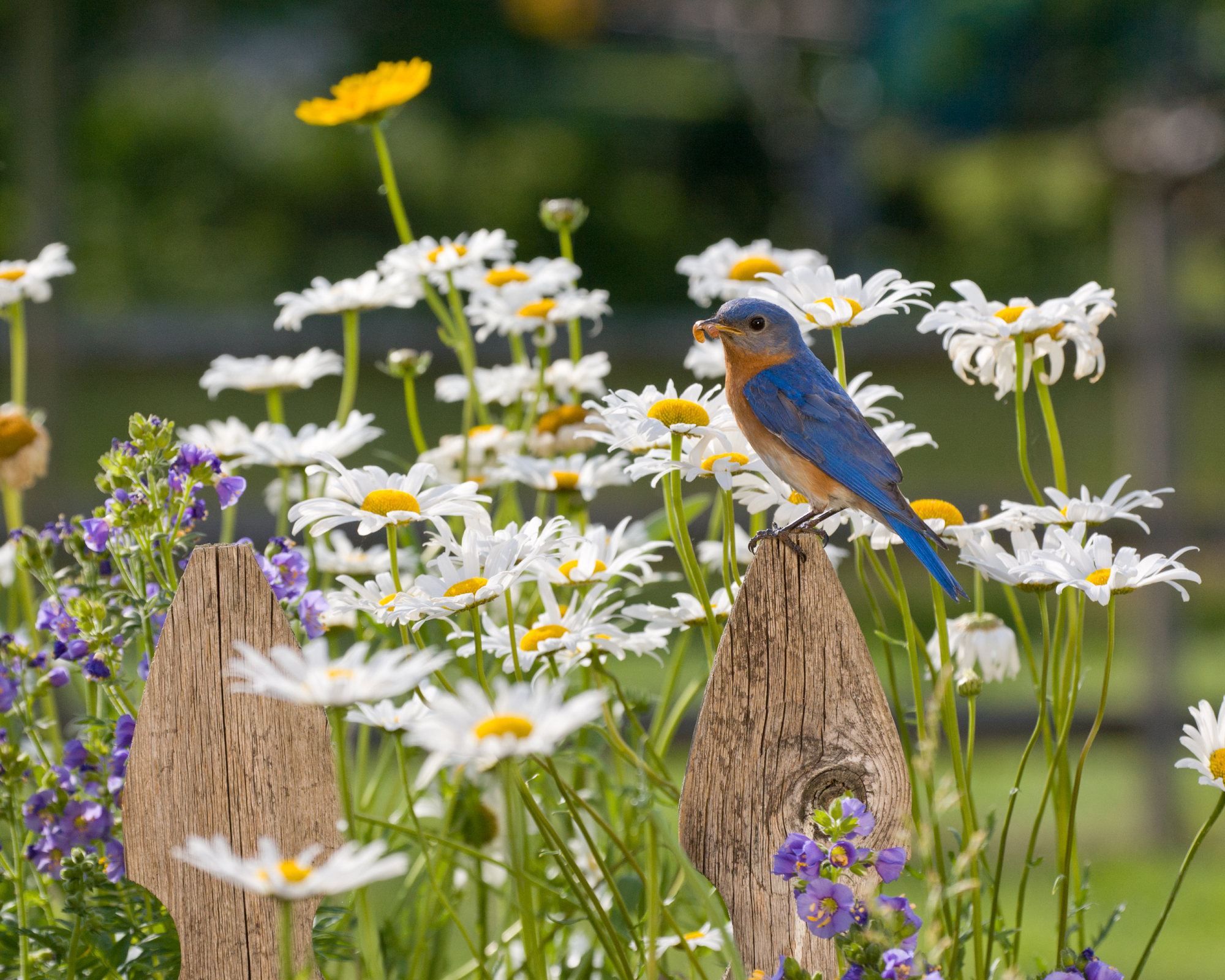
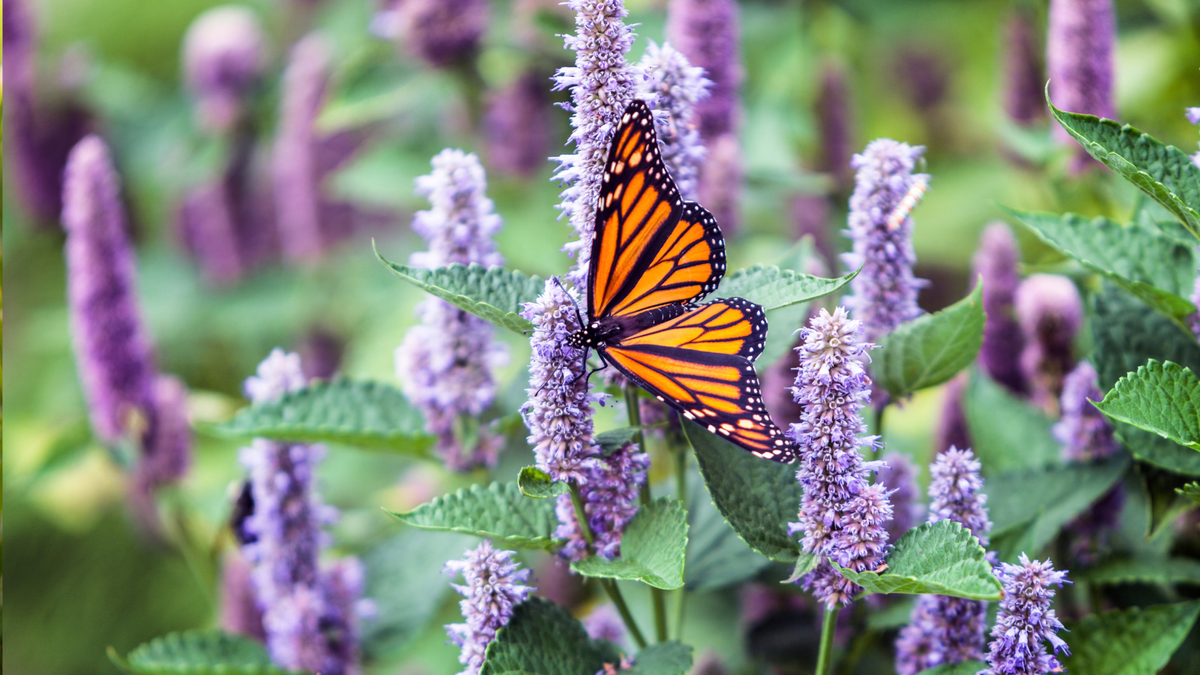
Rewilding flips that whole idea upside down. It allows a mix of plants, especially native ones, to grow freely, and the lawn becomes a living habitat. Wildflowers attract pollinators like bees and butterflies, birds eat seeds and insects, and the health of your soil improves as the plant diversity widens.
There are practical benefits for you as an owner as well. No more mowing, watering, and fertilizing. Rewilded gardens often use less water, fewer chemicals, and require way less maintenance in the long run.
In a nutshell, letting go of expecting your lawn to always look perfect can make gardening way easier and take a whole lot of stress away from you, too.
(Image credit: Getty Images)
What a Rewilded Lawn Really Looks Like
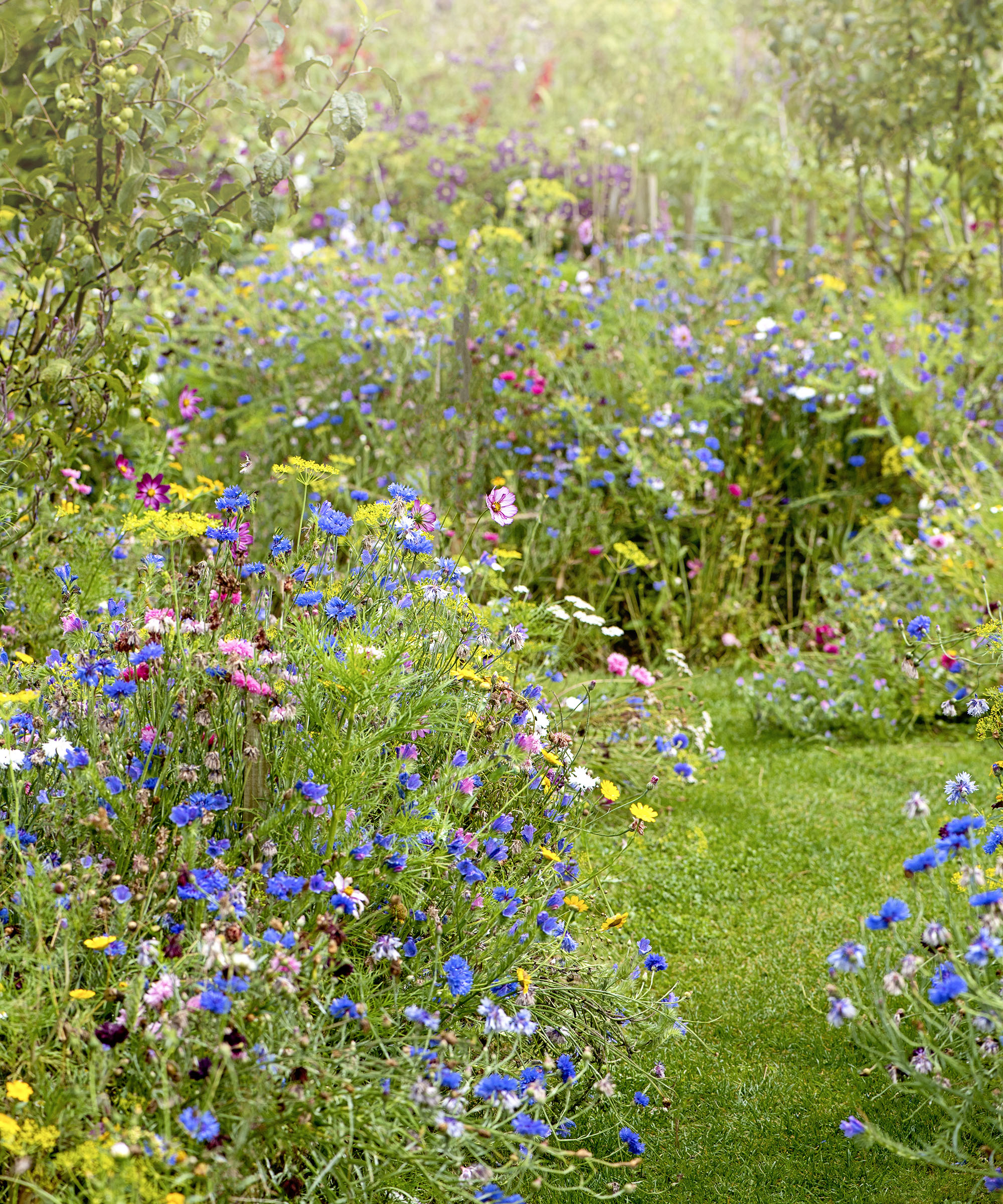
You’re probably shaking your head, thinking I’m telling you your yard will need to look like an abandoned house full of waist-high weeds, with years of neglect. But, rewilding doesn’t mean that at all. It’s a design approach that encourages biodiversity while still creating a beautiful garden.
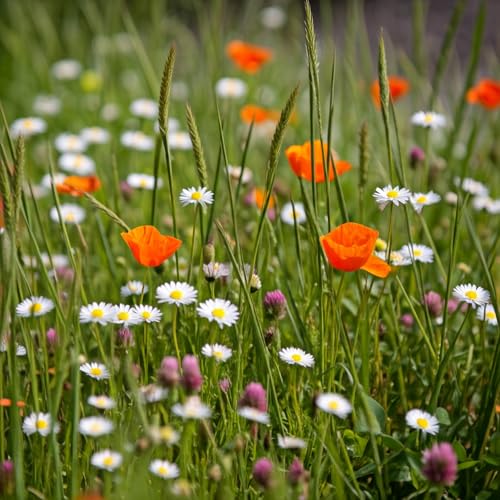
In many cases, the results look more like a mini meadow than a wild jungle. You may see patches of daisies, clover, native grasses, and flowering plants all layered together, creating a burst of color and seasonal texture.
Note: Many gardeners still keep a small area of grass mowed for walking paths or seating areas.
(Image credit: Getty Images)
How to Start Rewilding Your Lawn
My favorite part of this trend is that you don’t need to suddenly overhaul your whole front yard in one day. Even a few small changes can make a huge difference, especially for wildlife.
1. Begin With a Small Patch
(Image credit: Jacky Parker Photography / Getty Images)
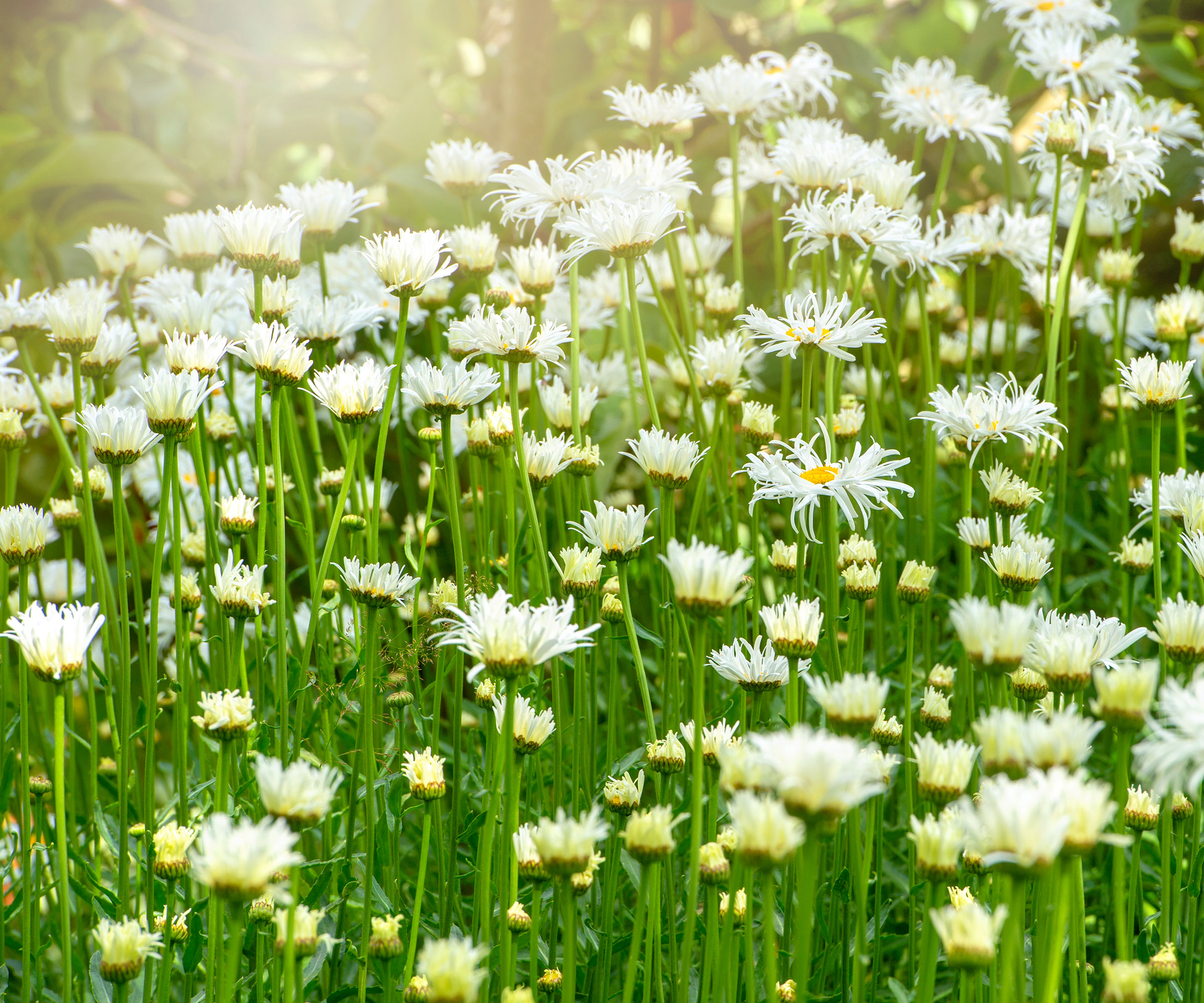
Choose a certain section of your lawn, like a corner or the edge, and allow it to grow longer. To get this, simply mow less or stop mowing that area altogether for a whole growing season. As I said before, even small changes help. Just by doing this, you will already encourage flowers like clover, daisies, and buttercups to sprout up.
If you want to give your yard a little more encouragement, plant a lawn alternative mix to get started.
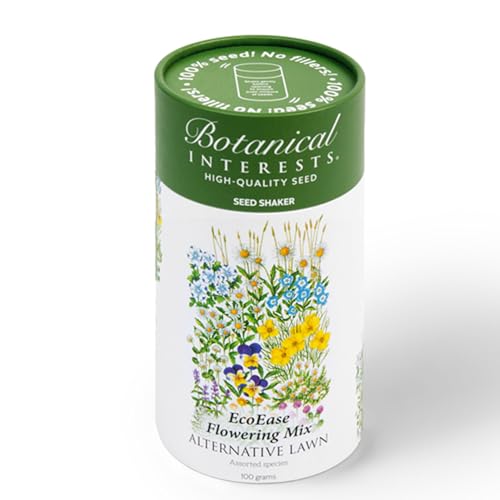
Botanical Interests Ecoease Flowering Mix Alternative Lawn Seed Shaker
Earthwise Low-Grow Lawn Mix – Clover and Fine Fescue
Ferry-Morse Flowering Grass Alternative Mix Bulk Wildflower Seeds
2. Add Native Plants
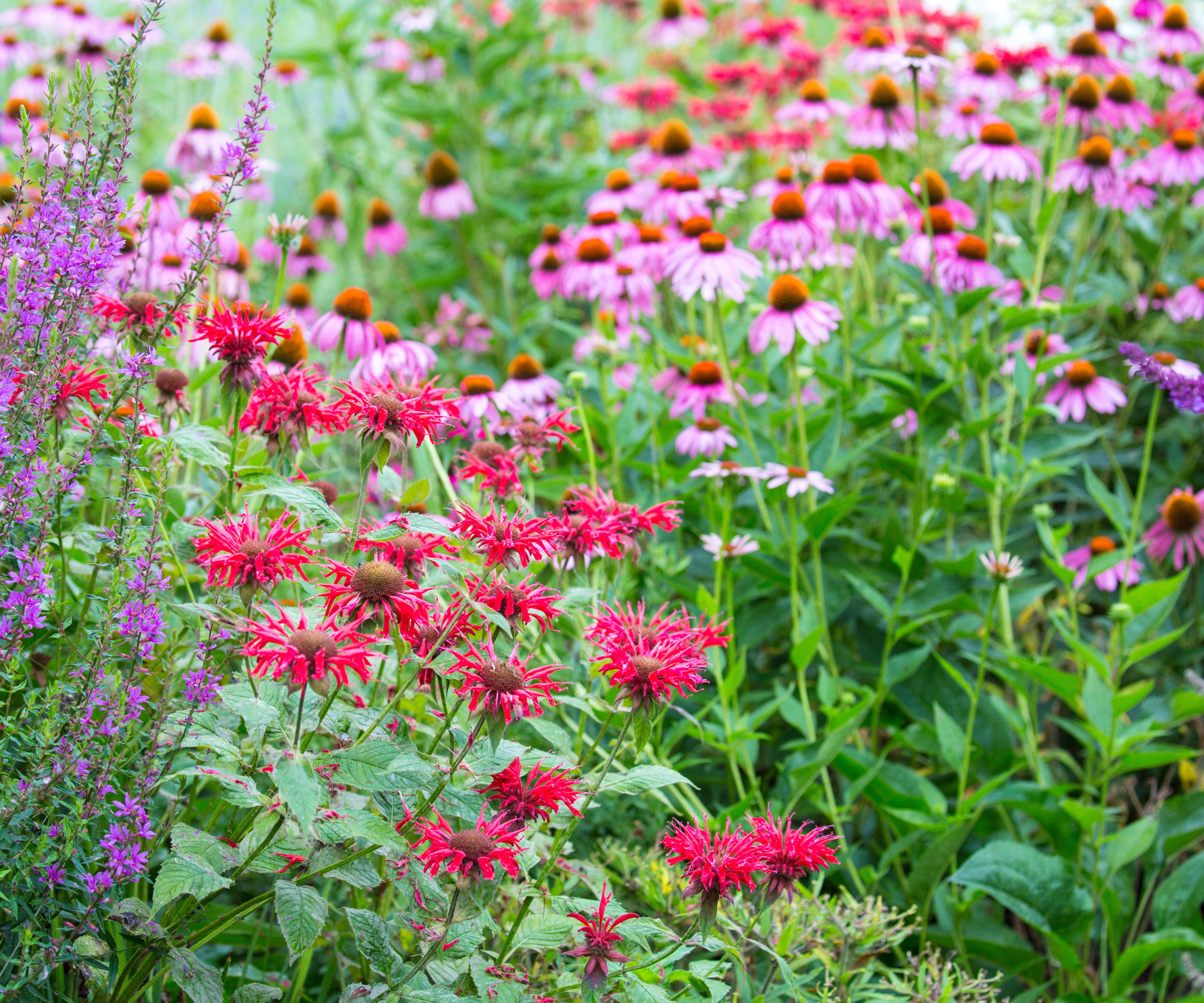
(Image credit: Danita Delimont / Alamy)
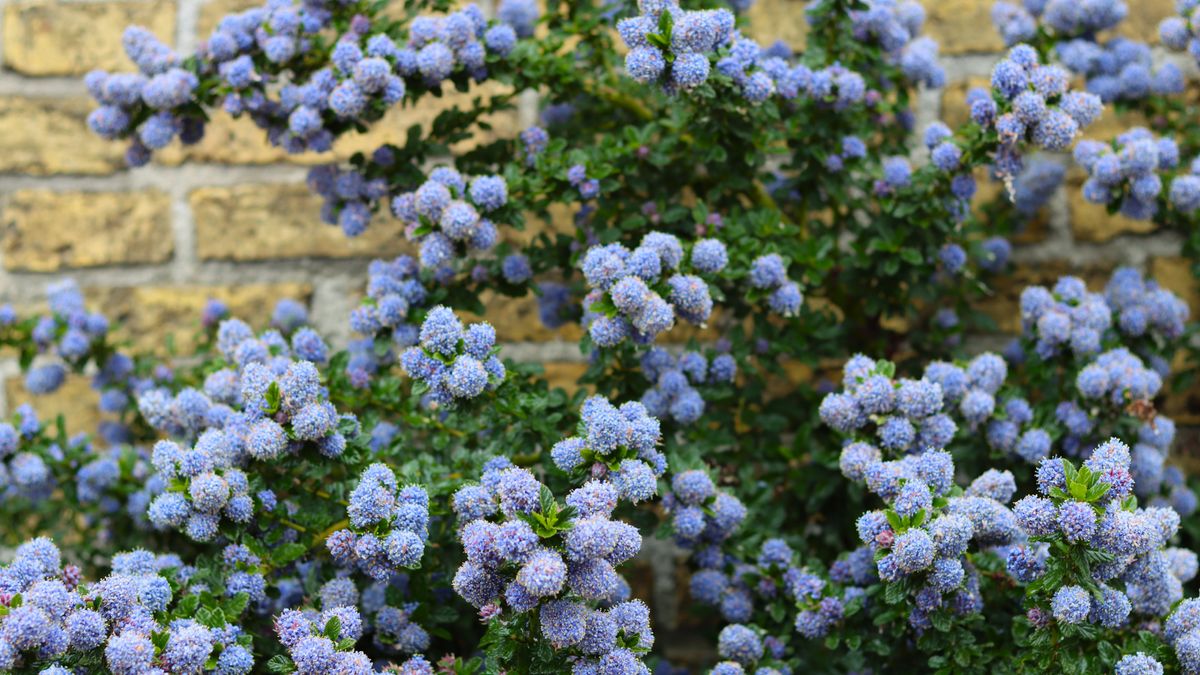
To have the biggest impact on your yard, start with plants that naturally grow in your area. These are already adapted to the local conditions and provide the best food sources for pollinators and birds.
Look for wildflowers, native grasses, or flowering perennials that bloom at different times of the year. This will ensure insects have nectar throughout the season.
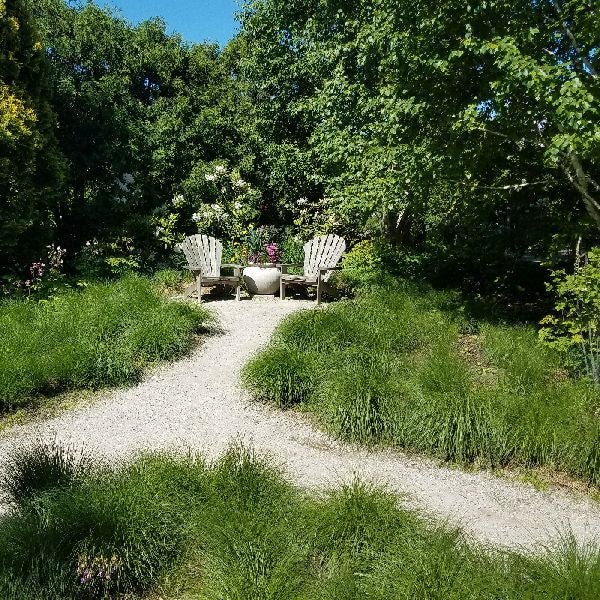
American Beauties Prairie Dropseed Grass
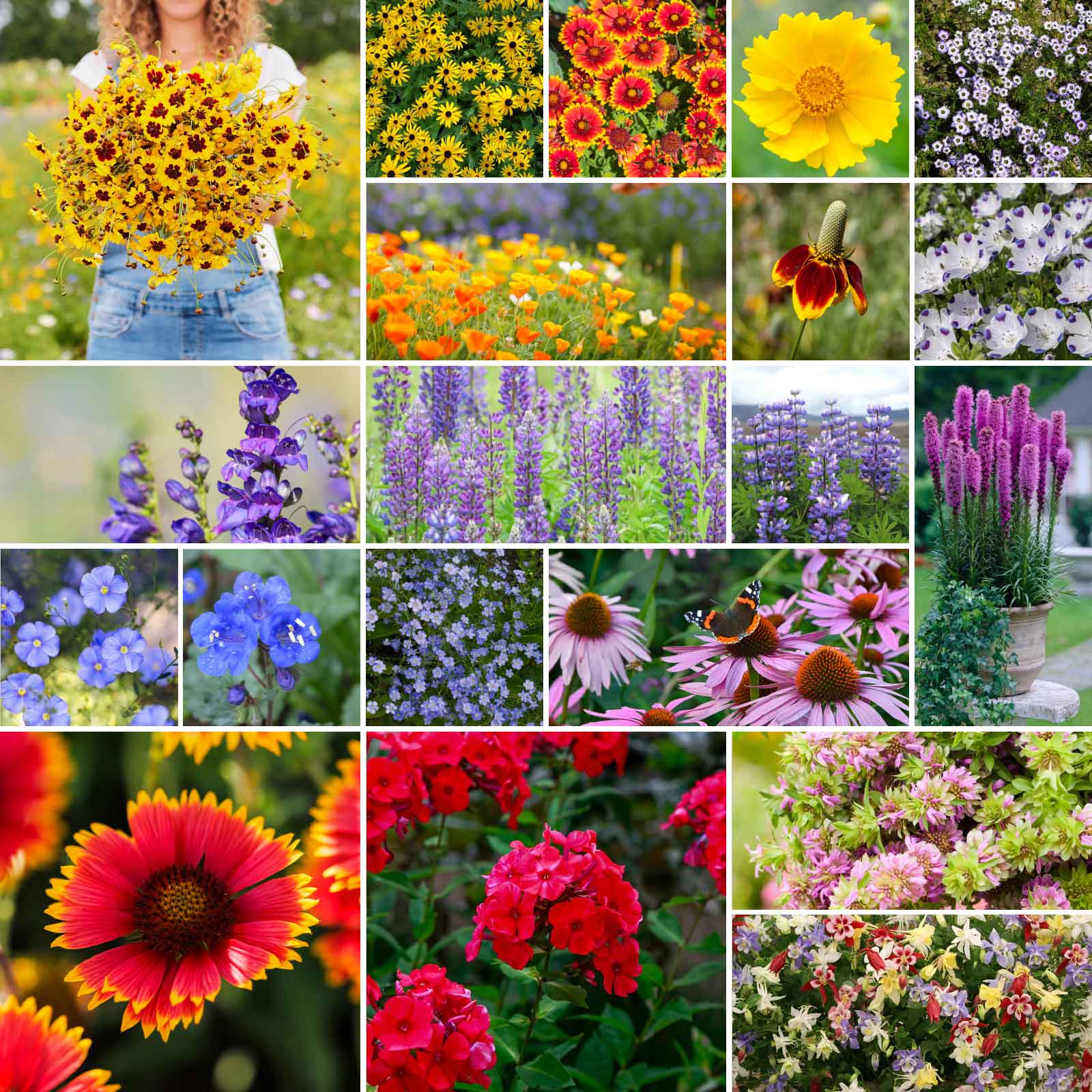
Native North American Wildflower Seed Mix
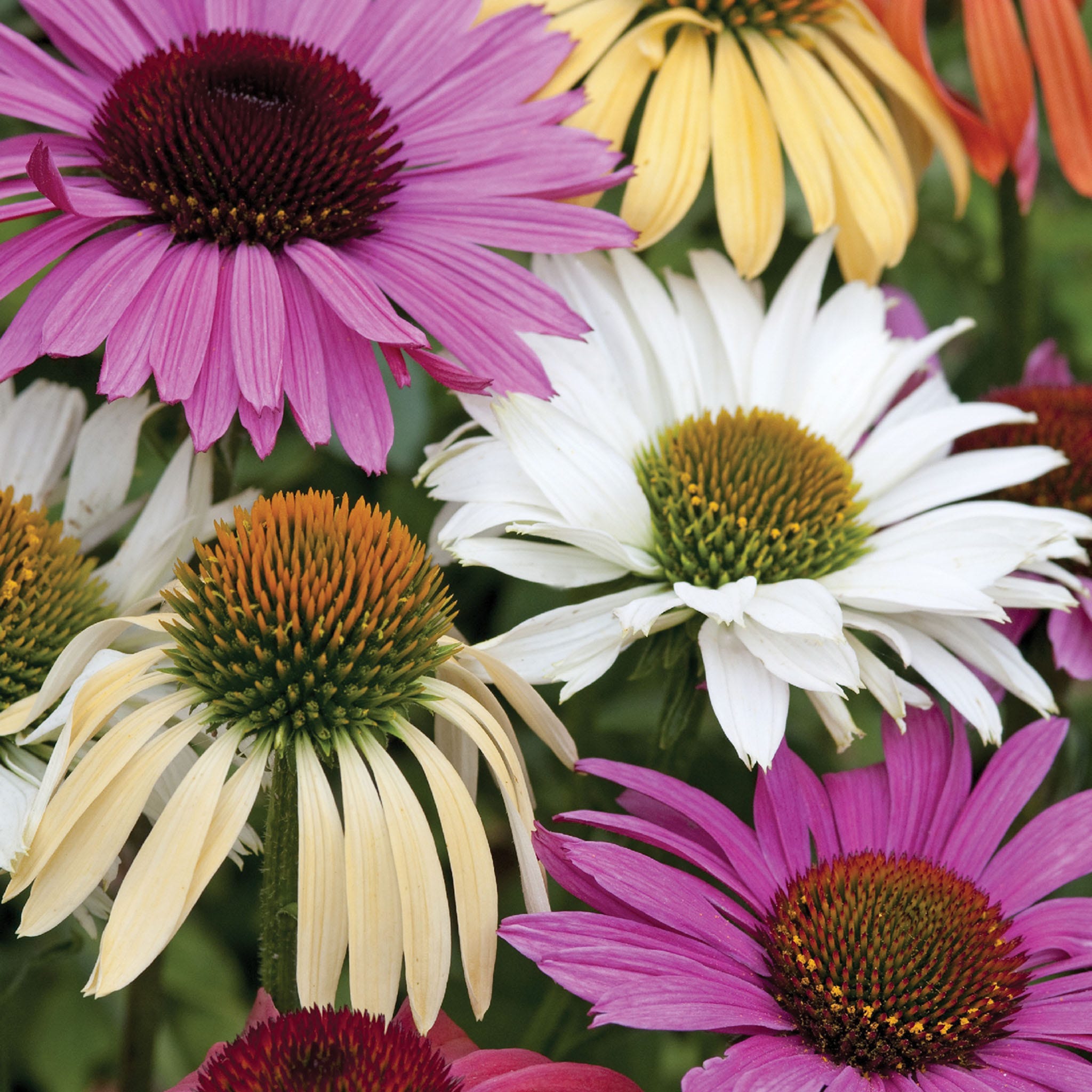
Paradiso Mix Echinacea Plants
3. Create Layers
(Image credit: Jacky Parker Photography / Getty Images)
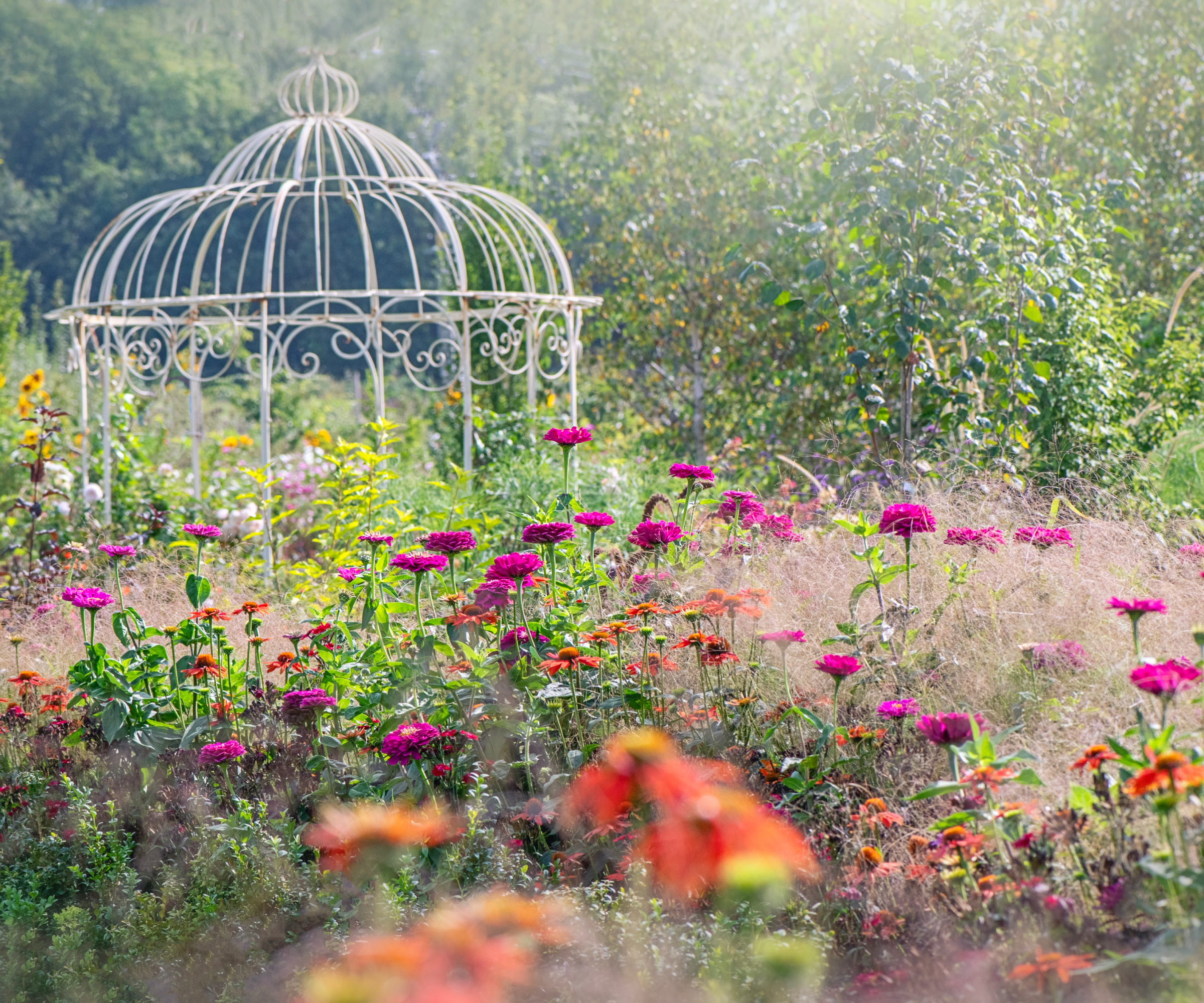
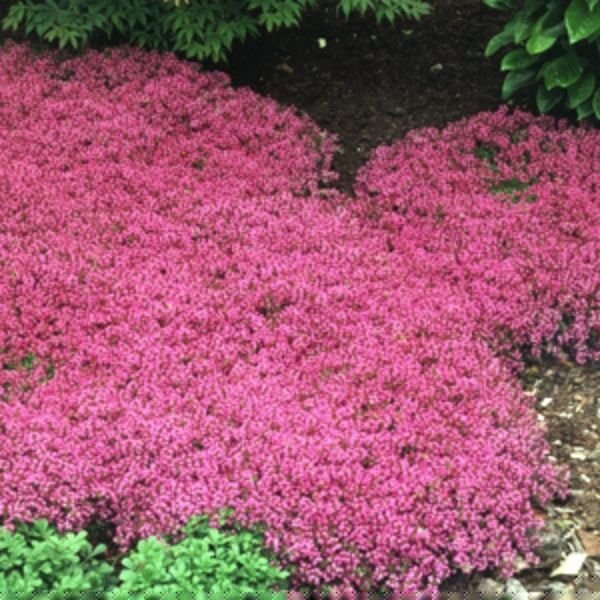
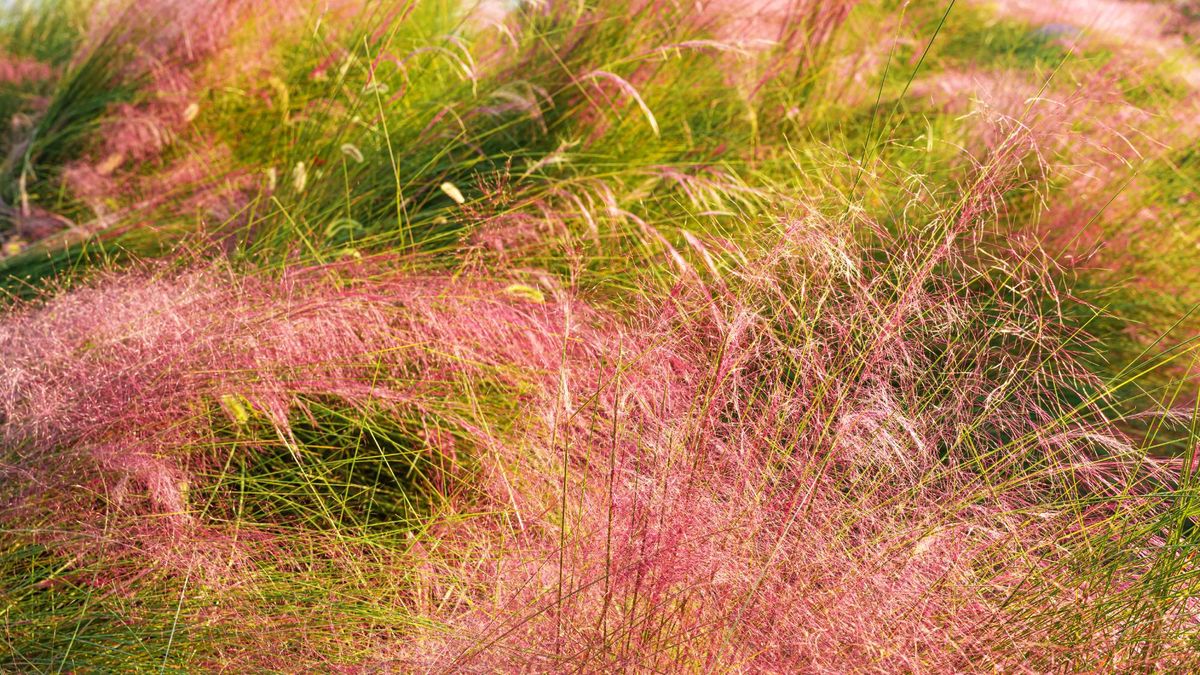
A healthy ecosystem will have multiple layers of plants rather than just a bunch of grass at different heights. Mix in various colors, textures, and heights with:
- Low groundcovers
- Flowering plants
- Taller grasses or shrubs
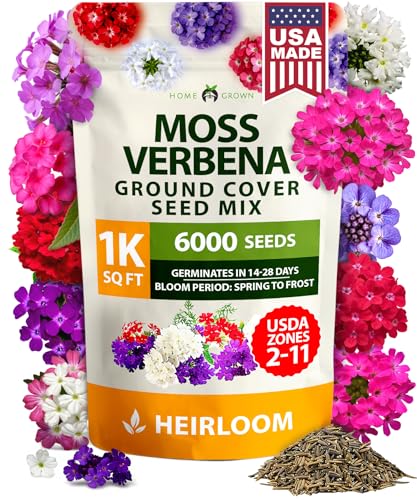
Home Grown Verbena Ground Cover Seed Mix
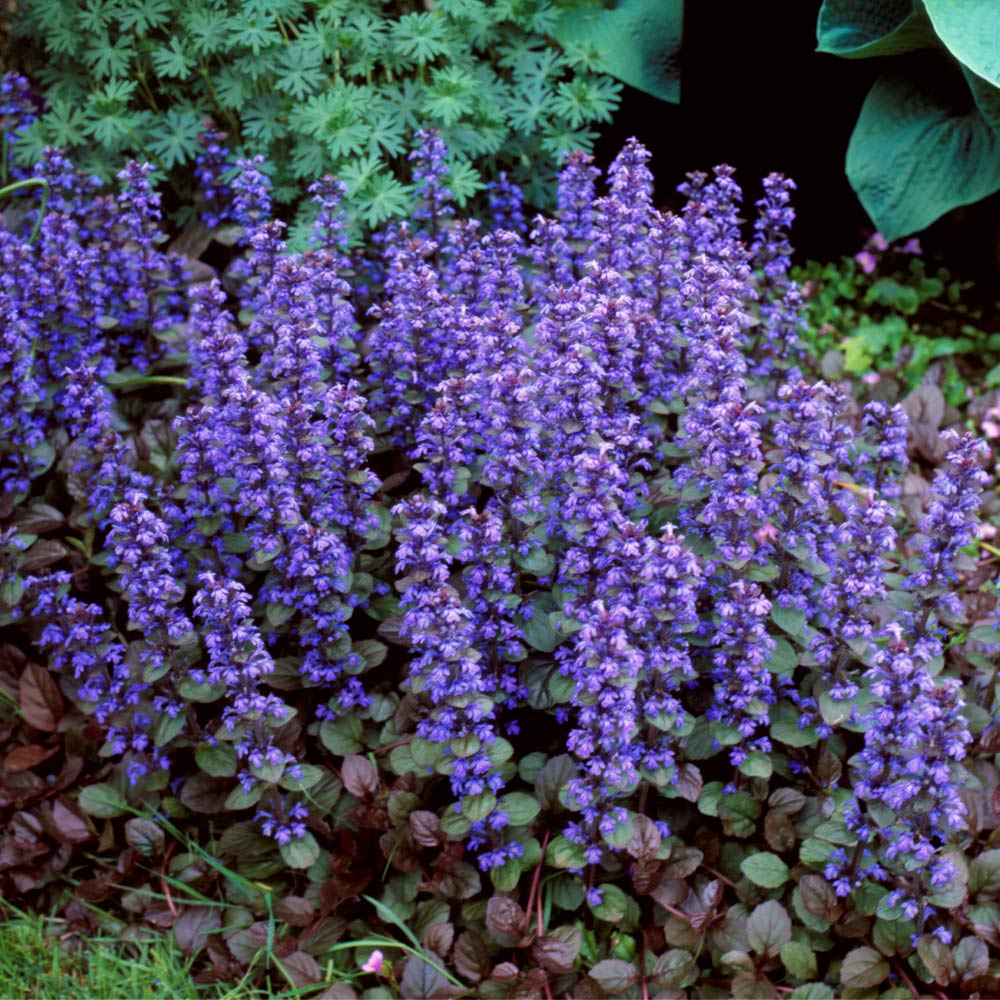
Chocolate Chip Ajuga Plant
4. Reduce Chemicals
(Image credit: Virrage Images / Shutterstock)
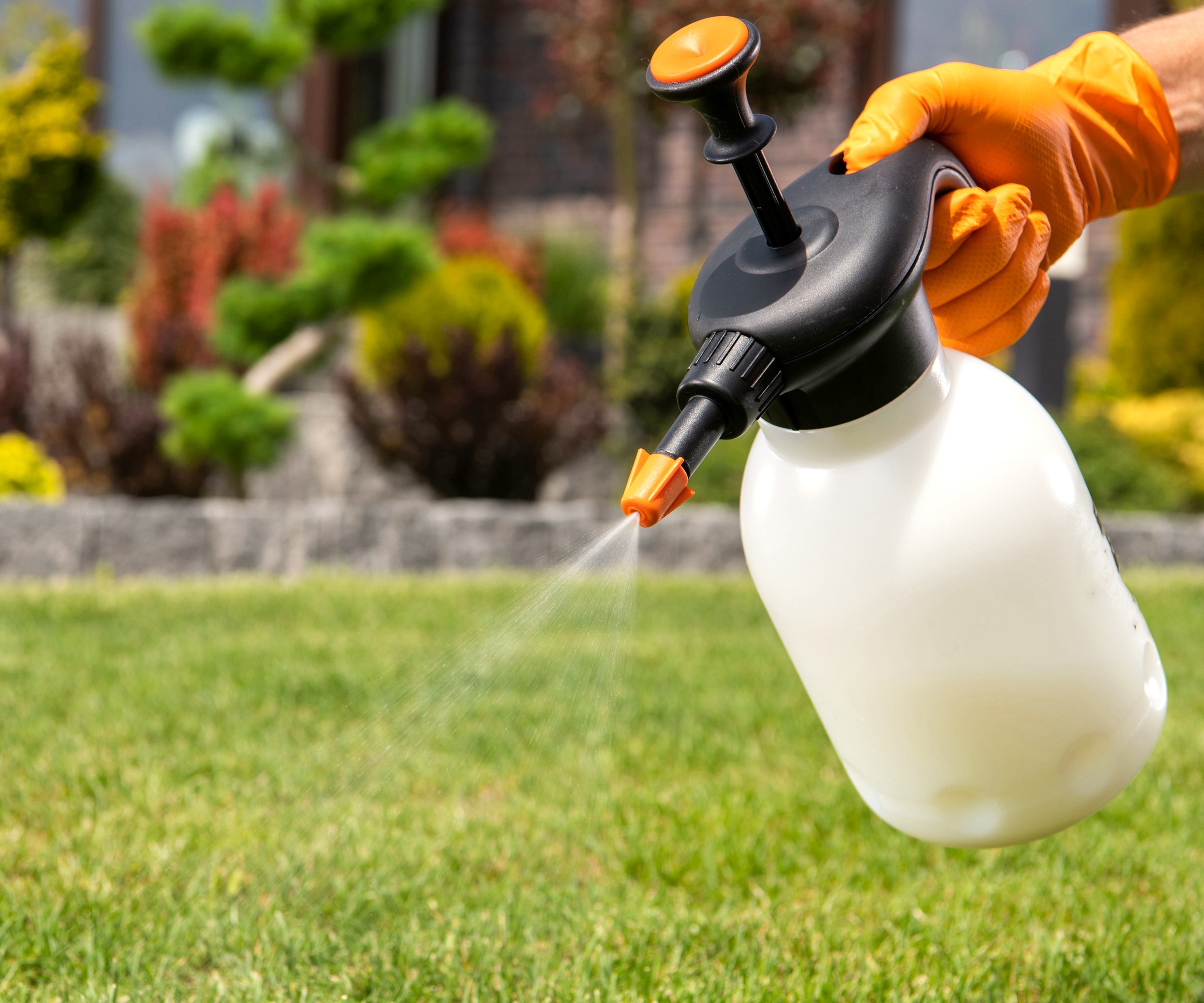
A truly rewilded lawn needs to be without pesticides or synthetic fertilizers to really thrive. Many insects are beneficial and can actually control pests naturally, thereby reducing the need for chemical treatments.
5. Keep it Intentional
(Image credit: BradWolfe)
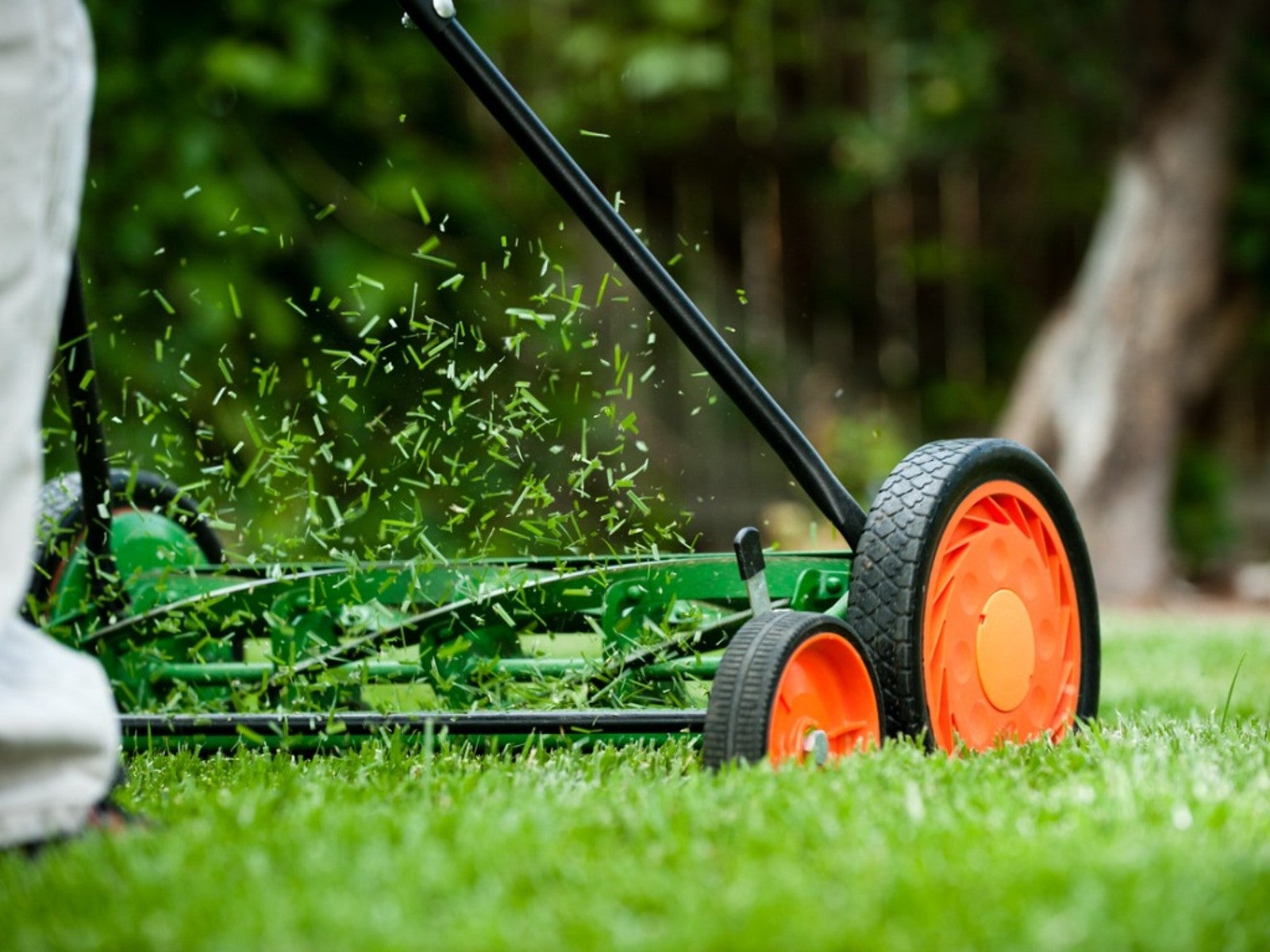
One trick experienced gardeners use is maintaining clear edges. A mowed border or path around the wild patch can give the signal that this is purposeful, and you aren’t just neglecting your yard. To get this look without accidentally cutting off too much, try this American Lawn Mower from Walmart which only uses manual blades.
Small Gardens Can Make a Big Impact
You don’t need a massive lawn to do this, and that’s the most exciting aspect of rewilding. Pollinators often don’t want to travel long distances, which means a single, wildlife-friendly yard can give them a great habitat in a suburban neighborhood (especially one where all the other lawns are overly perfect).
And, if you get your neighbors to try this as well, you can form a network of mini habitats across your street.















 English (US) ·
  French (CA) ·