

If you’ve been to a garden center recently, then you know this feeling all too well. You pick up a bag of plant fertilizer, check the price tag, put it back on the shelf, and briefly wonder whether planting all those vegetables and bedding flowers was really worth it after all.
Urban farmer and gardening personality Nick Cutsumpas explained the price increases in a recent Instagram video: "Fertilizer prices are skyrocketing right now because most synthetic fertilizers are made from natural gas, a.k.a fossil fuels. So when gas prices spike because of wars or global supply chain issues… fertilizer prices go up. Which means farmers have to pay more for their inputs, which means your grocery bills will be higher, and your fertilizer price will also increase for your garden."
According to the American Farm Bureau, since the escalation of tensions in the Middle East, nitrogen fertilizer prices have risen more than 30%. In other words, seemingly distant geopolitical events are now affecting the cost of growing your own tomatoes. Between that and the cost of living doing what it’s doing, keeping yourself and your family fed, let alone trying to feed a garden, has gotten incredibly expensive.
What’s great about plants, though, is that they don’t really care whether their nitrogen comes from a factory or a compost heap; they just want to be fed. And, there are some ways to do that without breaking your piggy bank.
1. Switch to Organic Fertilizers
(Image credit: VH studio / Shutterstock)
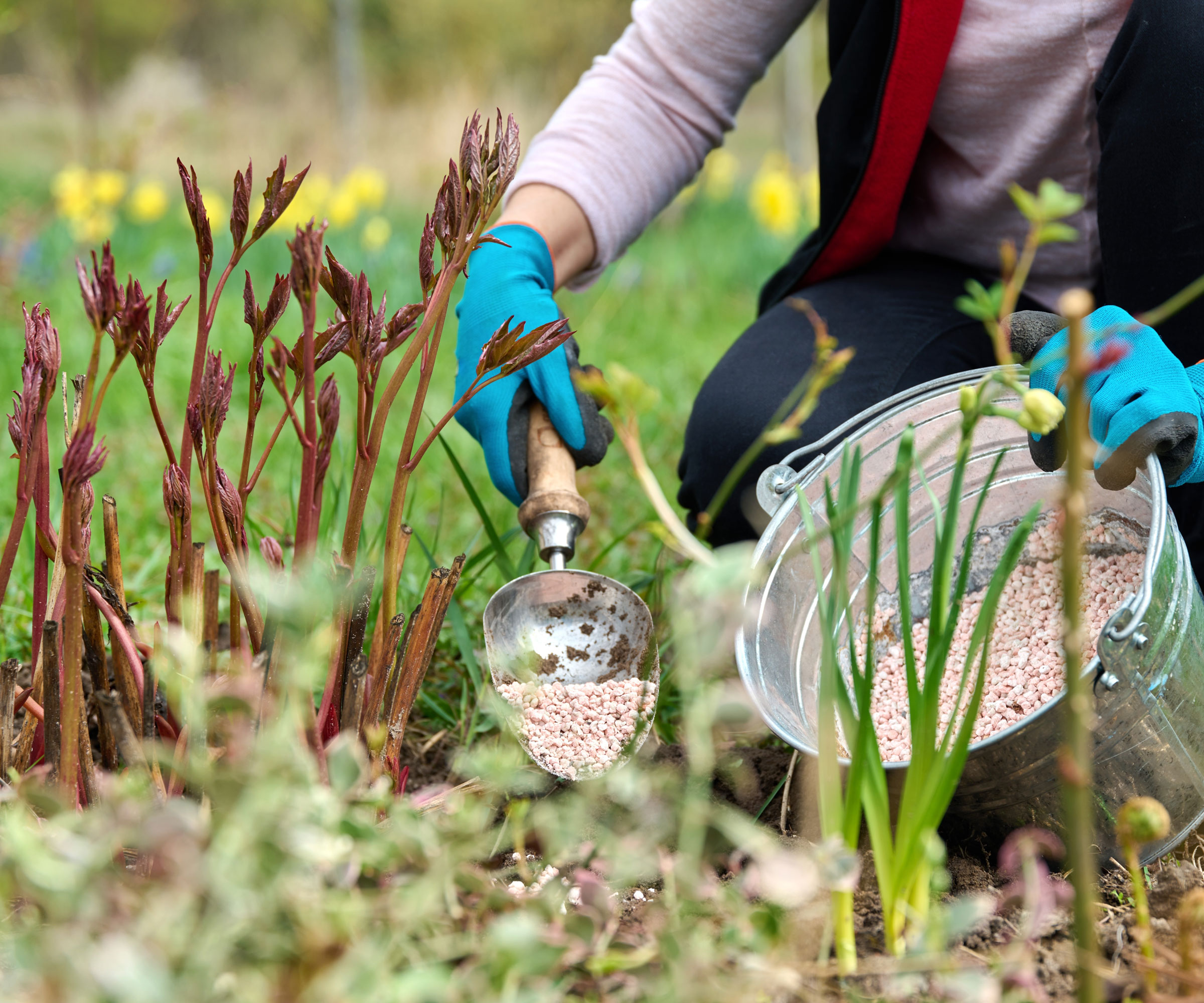
The easiest swap you can make is going from a synthetic to an organic fertilizer. While previously they were the more expensive option, prices are levelling out. "Organic fertilizers are made from more natural ingredients like manure and compost, which means they are less dependent on global supply chains," explains Nick. "Plus, organics feed the soil microbiome and are safe for kids and pets."
Organic options are usually made from inputs like manure, seaweed, bone meal, and composted plant matter. Essentially, anything that doesn’t require a natural gas pipeline to produce and tends to be sourced more locally. You can make your own mix using the separate ingredients – and add in scraps like egg shells and coffee grounds – or buy ready-made formulas.
While we've been conditioned to think that synthetic fertilizers are more effective, in the long run, organic products are better for your soil. Synthetic fertilizers may directly feed your plants, but they don’t do much for the soil itself. Whereas organic fertilizers feed the whole ecosystem, including the microbes, worms, and the whole invisible underground community that makes your soil actually work.
Best Organic Fertilizers
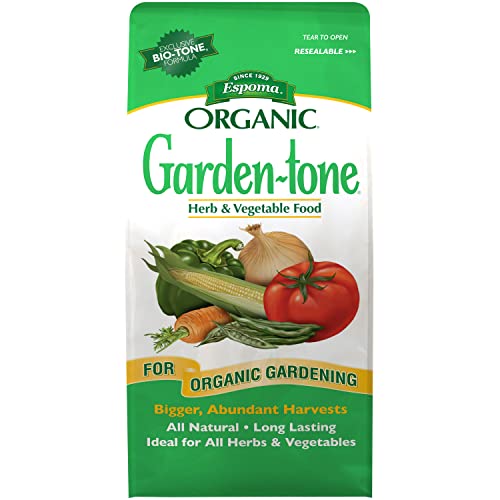
Espoma Organic Garden-Tone Herb & Vegetable Food
In his recent video, Nick Cutsumpas used this popular 3-4-4 formula, which is designed for vegetable gardening and contains naturally derived ingredients.
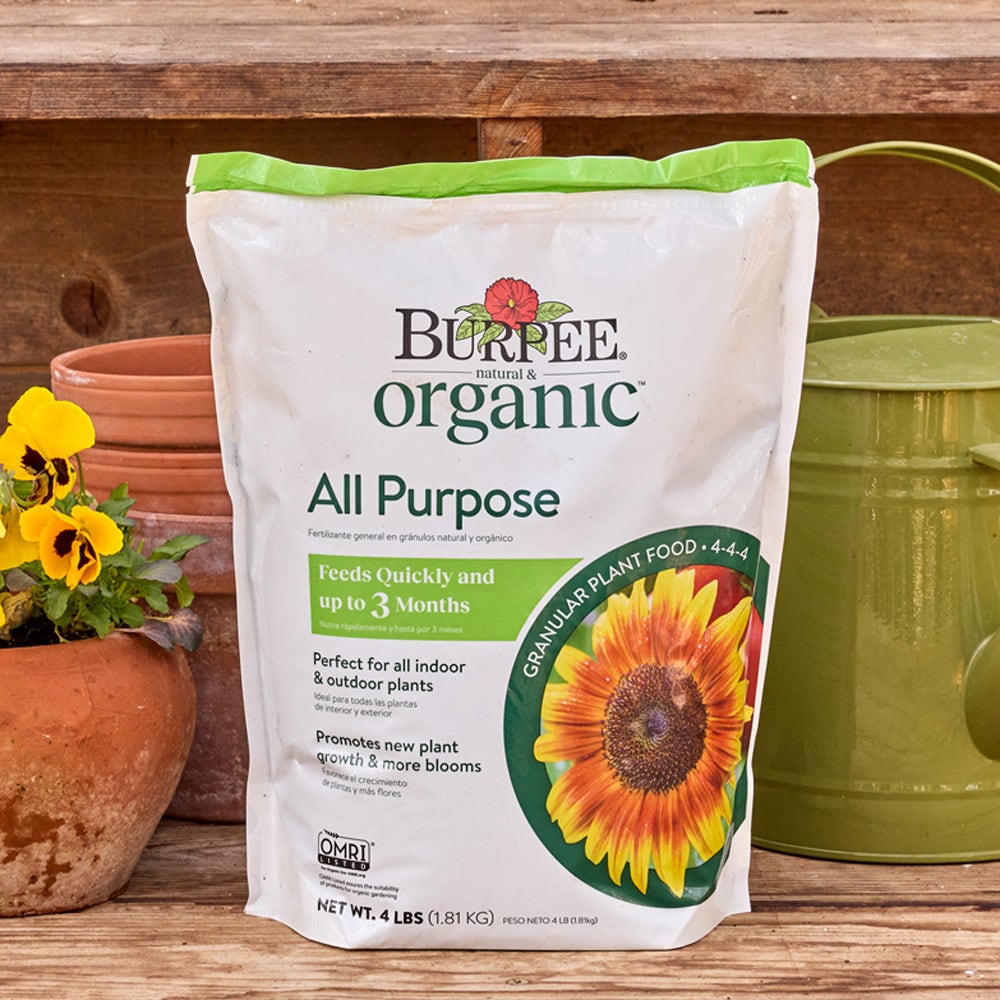
Burpee Natural & Organic All Purpose Granular Plant Food
With an NPK of 4-4-4, this all-purpose food can be used for seed starting, bedding plants, vegetable gardens, trees, shrubs, and containers
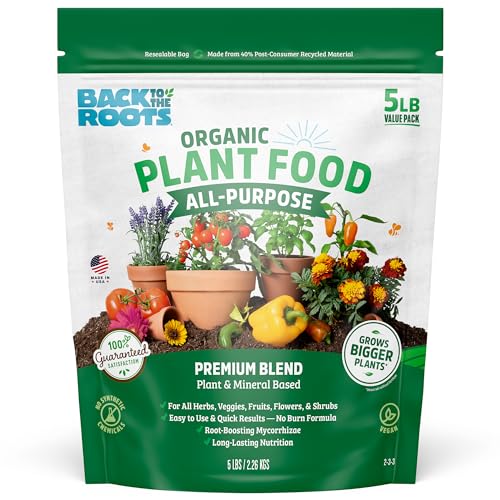
Back to the Roots Organic All-Purpose Plant Food
This vegan formula is made with kelp and alfalfa meal, and includes mycorrhizae for root development. Use it for edibles, flowers, and houseplants.
2. Make Your Own Compost
(Image credit: Getty Images)
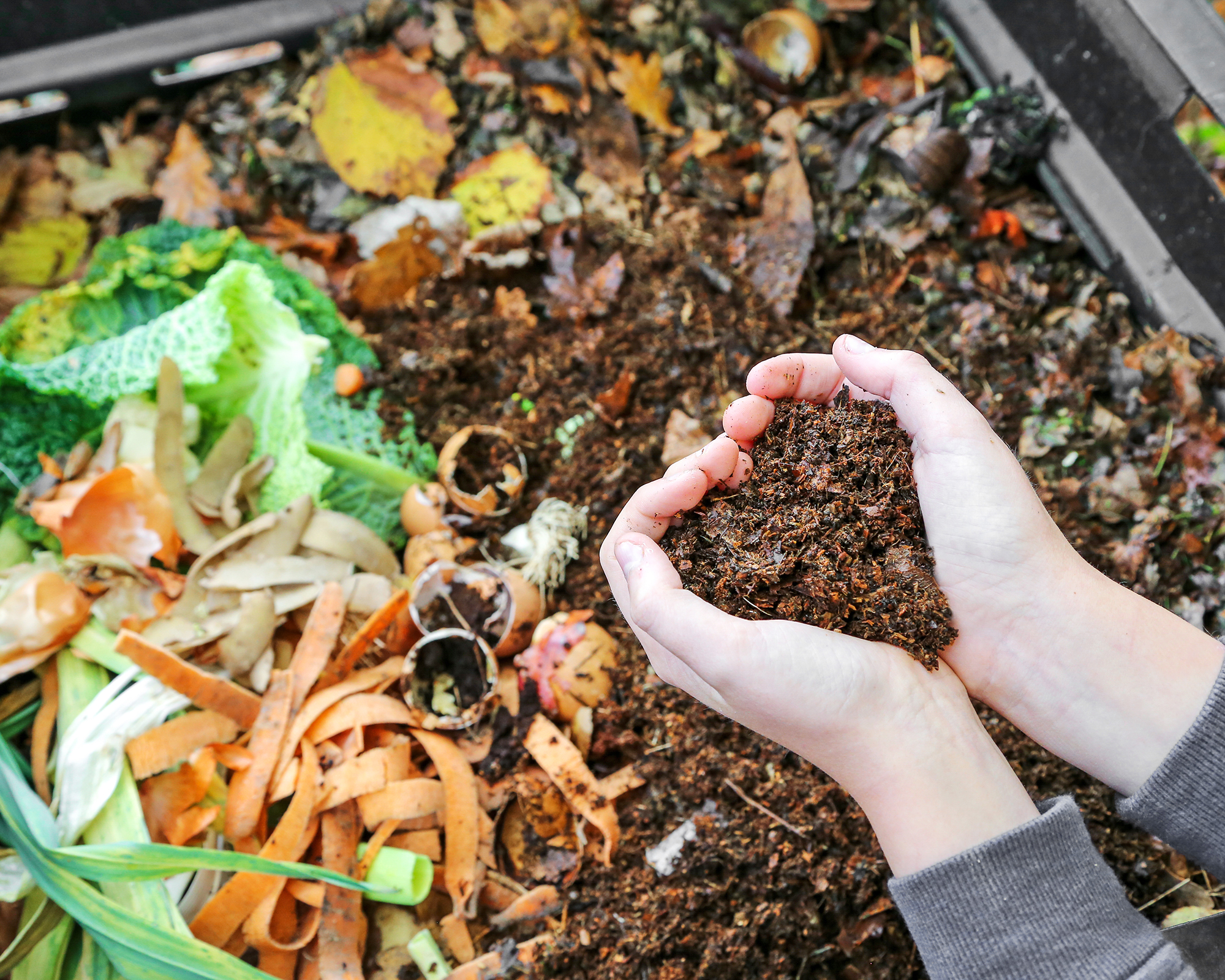
Learning how to compost at home doesn’t require a lot of money, but certainly patience. Kitchen scraps – think vegetable peelings, coffee grounds, egg shells, and fruit cores – combined with brown garden waste like dried leaves and cardboard, all break down over time into a compost, and it’s excellent for your plants. Basically, it’s free fertilizer, and the only thing that will cost you is a compost bin (just remember to turn it occasionally!)
So, what’s the magic ratio? You’ll need roughly equal parts green waste (your kitchen scraps, and fresh grass clippings, for example) and brown waste (dried leaves, cardboard, straw, etc.) It’s highly important to get the ratio just right, as too much of either thing can cause the compost to get slimy or stop breaking down.
If you don’t have the outdoor space – or the patience – for a full compost heap, a small countertop bokashi composting bin (like this Ecocultivatify kit on Amazon) ferments all kinds of food waste inside, producing pre-compost in just two weeks (which needs a brief maturation period) as well as a concentrated liquid feed that you can dilute and add to a watering can, like compost tea.
And, if you don't fancy making your own compost, then you can find free compost locally if you know where to look, as well as free manure.
3. Grow Nitrogen-Fixing Plants
(Image credit: Алексей Филатов)
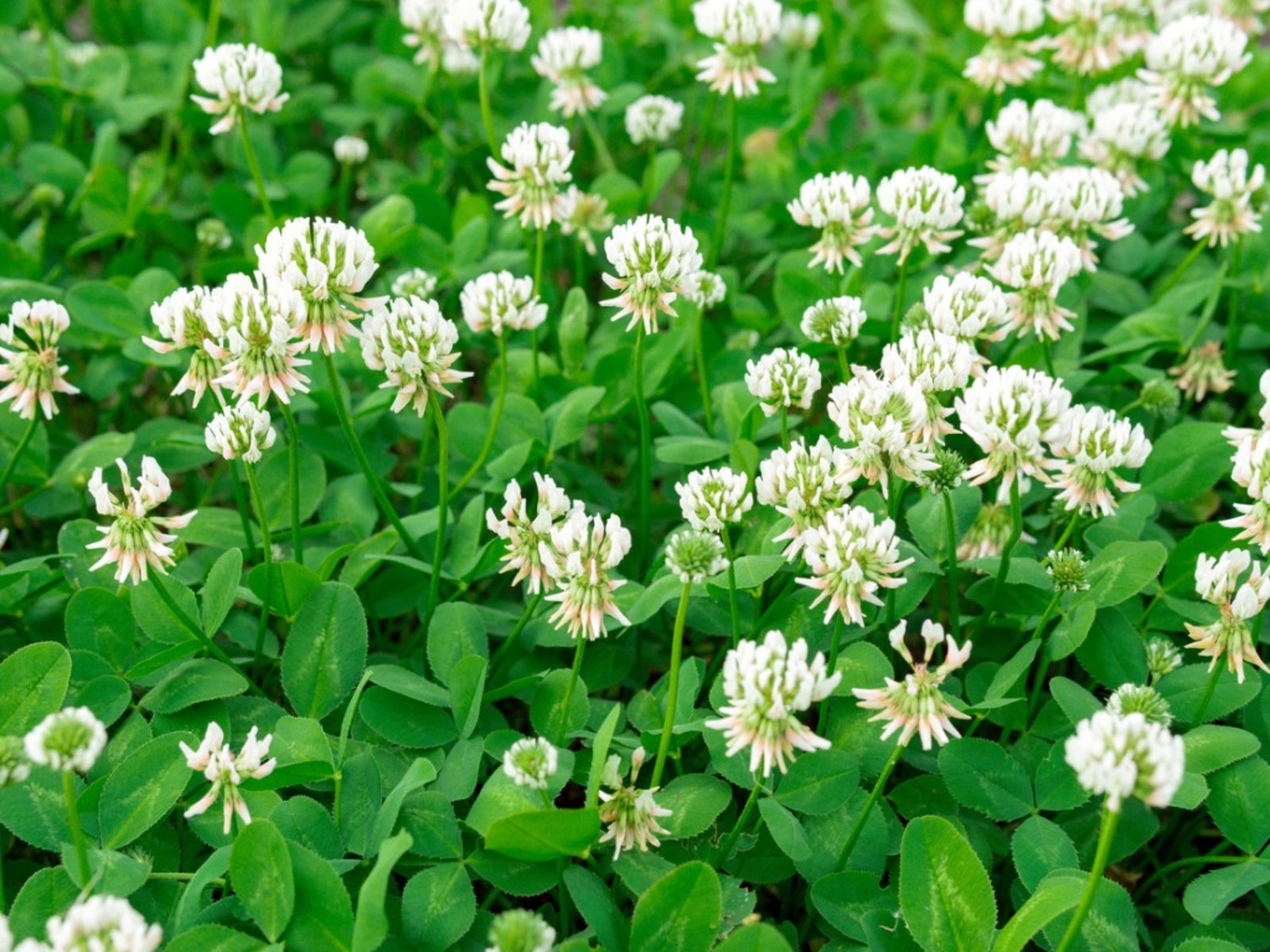
Okay, I gave you the quick ones, but now for the long game (don’t worry, though, it’s a good one, and well worth it). Certain nitrogen-fixing plants, like peas, beans, clover, and buckwheat, have a relationship with soil bacteria that allows them to pull nitrogen from the air and deposit it in the ground (it’s pure magic basically).
Rotating these throughout your plant beds or even using them as cover crops between growing seasons will gradually help your soil build fertility. For example, this TnT Seed Company Store Cover Crop Mix contains peas, oats, and vetch, which help to fix nitrogen, improve soil health, and suppress weeds.
It feels almost too simple to actually work, but farmers have been using this practice for centuries. Growing a patch of clover over winter, cutting it back, and then digging it in before spring planting will add nitrogen to your soil in a way that synthetic fertilizer could never replicate. Plus, there are a ton of bonuses like the fact that it improves soil structure, water retention, and microbial activity.
The great thing is that none of these tips requires a dramatic overhaul of your garden or hiring a landscaper. With one simple swap, organic fertilizer rather than synthetic, or a small compost bin in the corner, you can build from there. Your plants will be good. Your bank account will be good. And, you can sit in the satisfaction of knowing you aren’t at the mercy of the global energy markets.


















 English (US) ·
  French (CA) ·