

Large containers make a big impact on front porches, in garden beds, or on back patios. You can fill them with big, beautiful leafy plants to add tropical flair to your landscape. Or you can even plant small trees or shrubs in them to create a mini forest on a balcony.
But the biggest issue when growing plants in large containers is sourcing enough soil to fill your pots. Good quality potting soil can be a bit pricey and oversized containers require a surprising amount of dirt to fill them.
That’s why I’ve rounded up some of the best budget planter filler materials to use in large containers. These unlikely materials will save you tons of money on soil and help your plants thrive all season long. Then I’ll share the worst filler materials you should never put in the bottom of your planters, if you want plants to survive.
What to Put in the Bottom of Planters
There are plenty of pot filler materials that can help you save money on potting soil, but some are better than others. These are a few unlikely options that can actually help plants thrive in addition to saving you some green.
1. Tree & Shrub Trimmings
(Image credit: SVproduction / Getty Images)
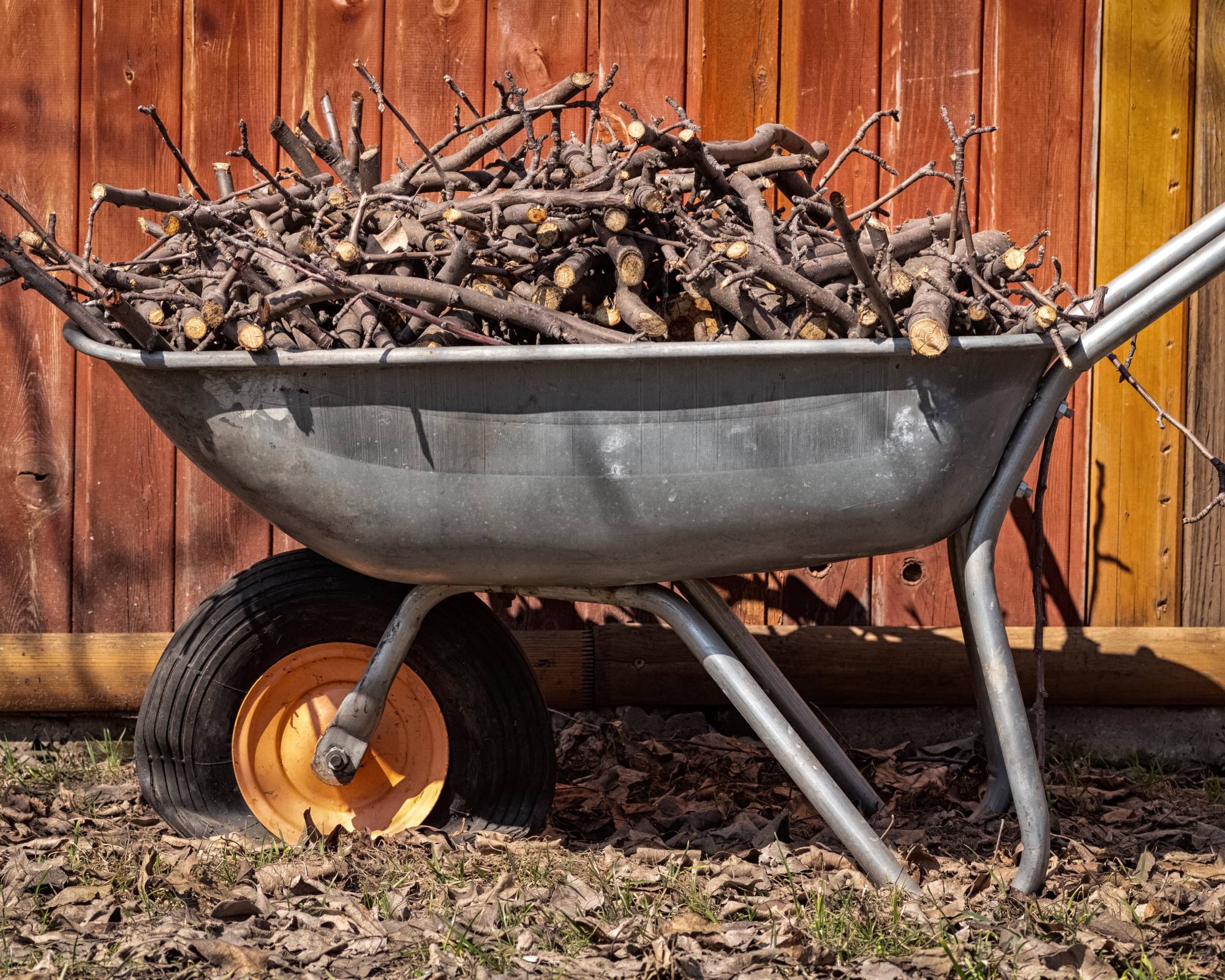
Hugelkultur is a growing trend in the gardening world. Gardeners typically use this technique in raised beds, but the same principles can work in container gardens as well. To make a hugelkultur garden bed, you stack layers of biodegradable materials and then top them with potting soil and plant.
Most hugelkultur beds start with logs, then branches and sticks, shredded newspaper or leaves, compost, then you top it all off with your favorite potting mix (this is mine from Miracle-Gro) and you have a bed that’s ready for planting!
You can use the same idea in large containers. It’s best to use old tree trimmings that have begun the decomposition process. If you put fresh logs and branches into your containers, it can cause a nitrogen deficiency in plants because all the nitrogen is going towards breaking down the woody material.
But if you use wood that has started to decay, it will actually add nutrients back into the soil as the season goes. Simply fill containers with your old trimmings, cover with soil, and plant.
Wood chips are another awesome option to fill the bottom of a large planter fast and for free. Many tree trimming companies offer wood chip drop-offs straight to your house for no cost.
2. Empty Bottles & Cans
(Image credit: Laura Walters / Future)
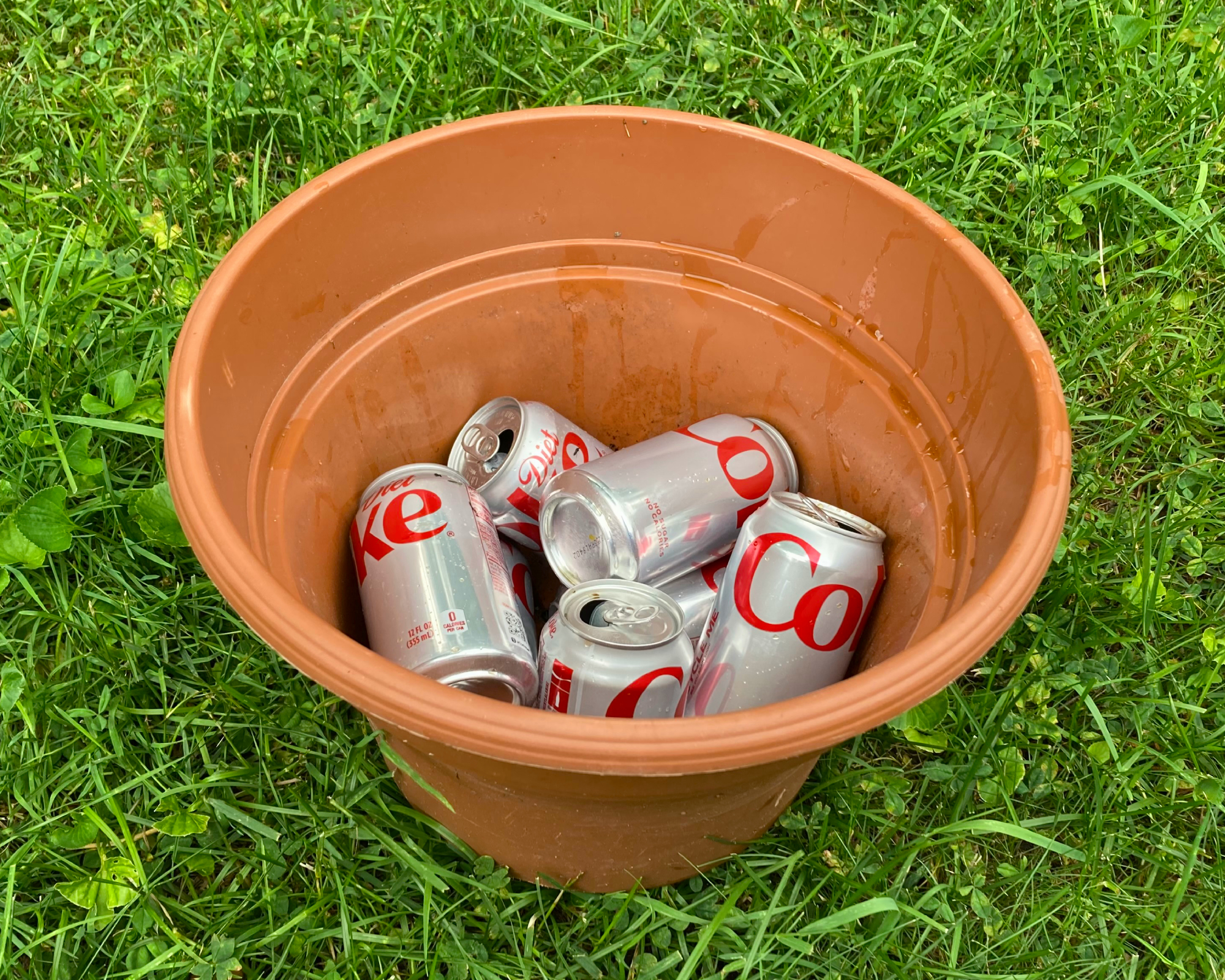
This is a bit of a controversial one, but it’s a filler material that’s served me well for many years. Burying Diet Coke cans in the bottom of planters is a gardening trick my mom taught me and, though it sounds a bit weird, it really works. Filling planters with empty cans or bottles is an easy way to fill lots of space in the bottoms of your pots and save you tons of money on potting soil.
I only recommend this method for ornamental plants because the microplastics in plastic bottles can get into the soil and contaminate edibles like fruits, veggies, and herbs. But if you have large planters that you fill with annual flowers or foliage plants every summer, pop a few 2-liter bottles in the bottom of the pot before filling in with your preferred potting mix.
It’s best to leave the caps on the bottles so they don’t collapse under the weight of the soil. That way they take up more space and save soil. Also, be sure not to cover the drainage holes in the bottom of your containers.
3. Bricks
(Image credit: Alamy)
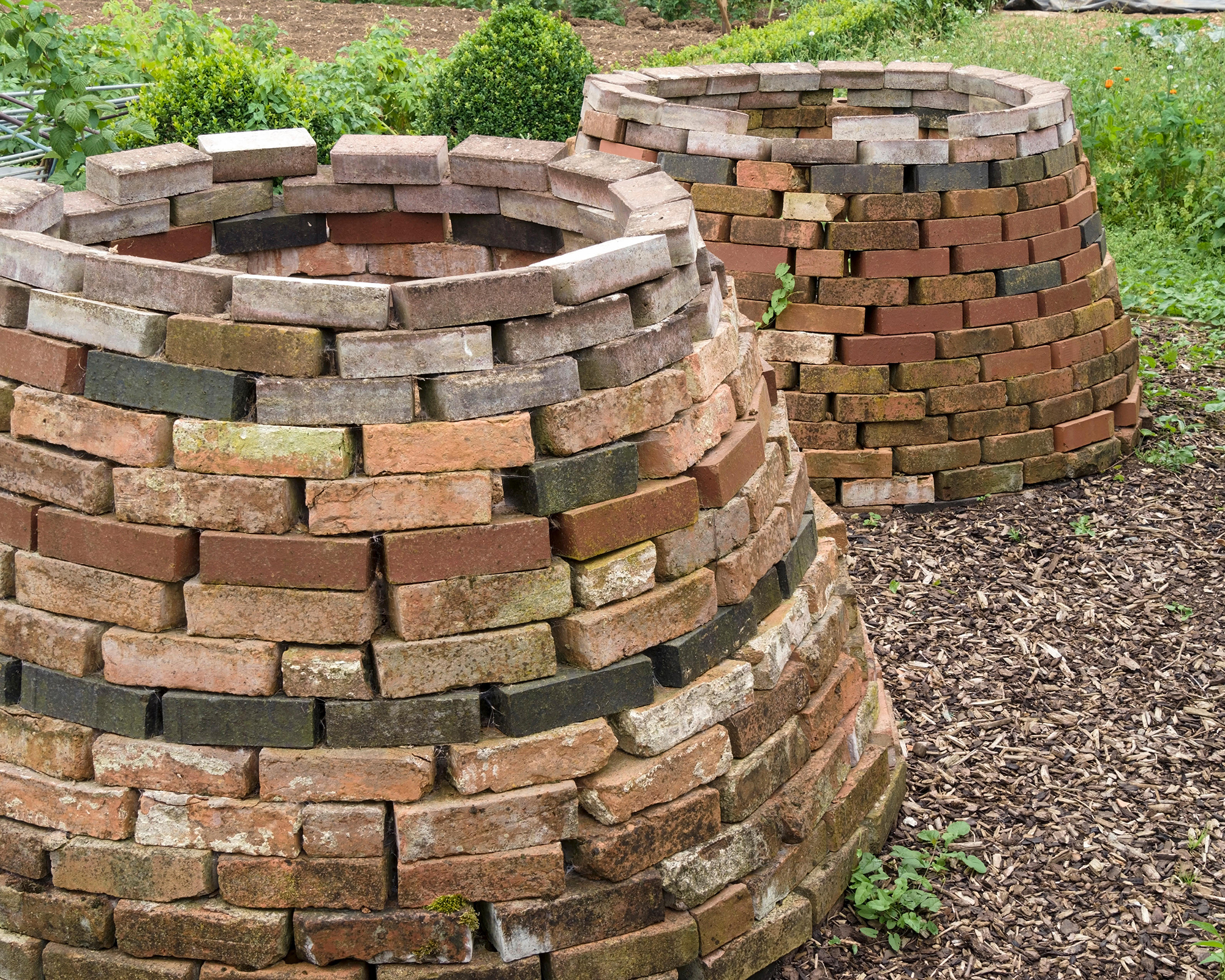
If you live in an area that gets windy, bricks are a great choice for filler material. Not only will they hold down pots – especially top-heavy ones that contain small ornamental trees – but they’re also porous. So as long as you don’t cover up the drain holes on the bottom, they make a good filler.
Of course, once you fill your containers with bricks, they will be quite heavy. So make sure your pots are in exactly the right place before you start planting. You can fill up one-third to a half of your container with bricks and your plants will do just fine.
Another similar option is to place either broken terracotta pot pieces – which are also naturally porous – or an upside down unglazed ceramic pot inside your large planter. Terracotta pots aren’t nearly as sturdy as bricks, so be careful not to cover them with too much soil and heavy plants or you risk crushing your buried pots.
4. Old Potting Soil
(Image credit: Jenn Huls / Alamy)
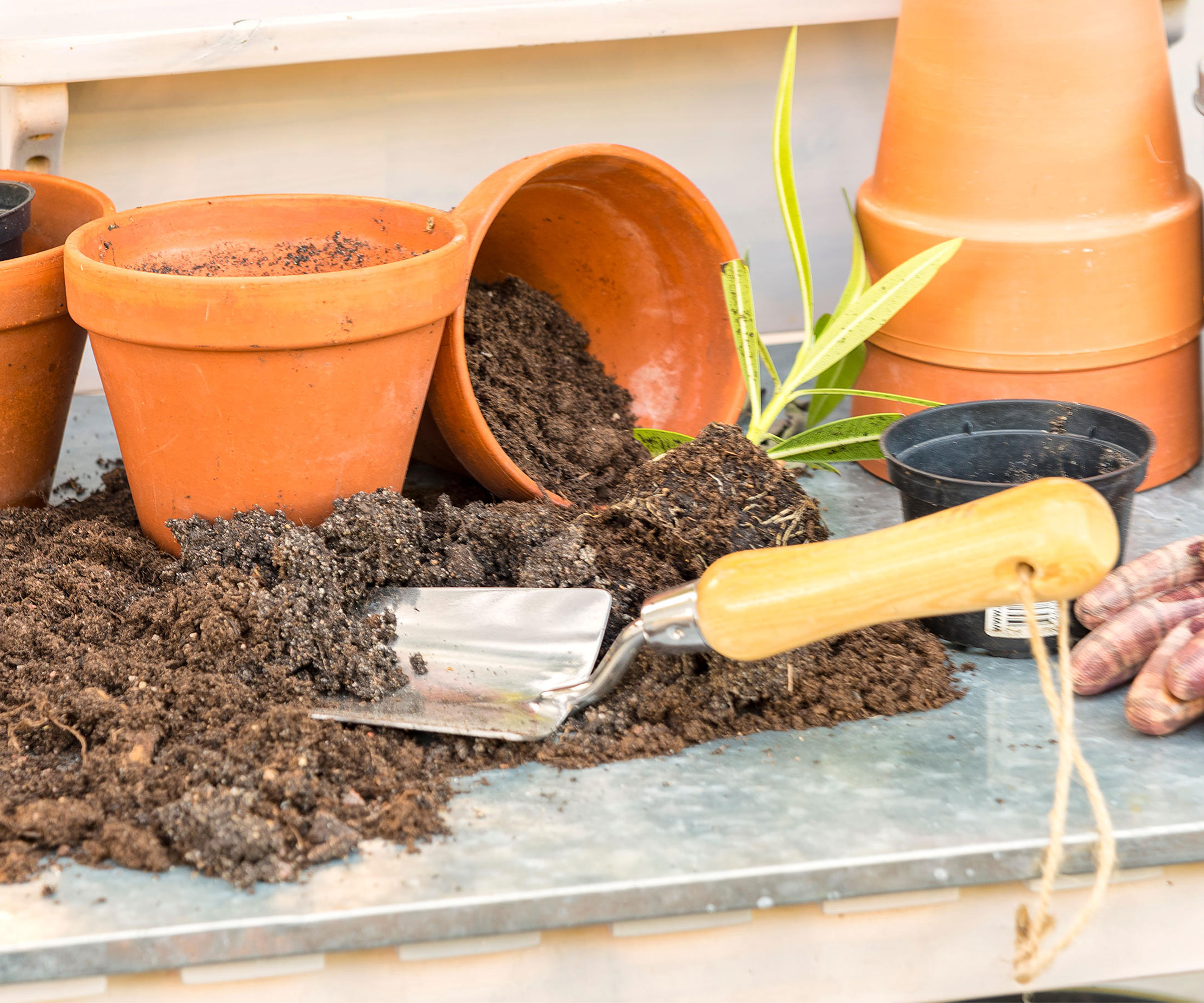
Reusing old potting soil or refreshing the soil in your current containers is a great way to save money, but there is one caveat. You should never reuse potting soil from a plant that suffered any pest or disease problems. Otherwise you will bring that issue into your new container this year.
There is a way to get around this, though. You can sterilize soil in the oven or the microwave. Soil must reach temperatures of 150-200°F for 20 to 30 minutes to kill any harmful pathogens, bacteria, and pests. If you’re trying to fill large containers, you will likely need a lot of potting soil. This means sterilizing it in your kitchen is not a very viable option.
If your containers last year were pest and disease-free, then reusing your old soil is a fantastic option. But if you think your soil is harboring unwanted interlopers, the easiest and safest option is to just buy new potting mix, which you can find fairly cheap in bulk on Amazon.
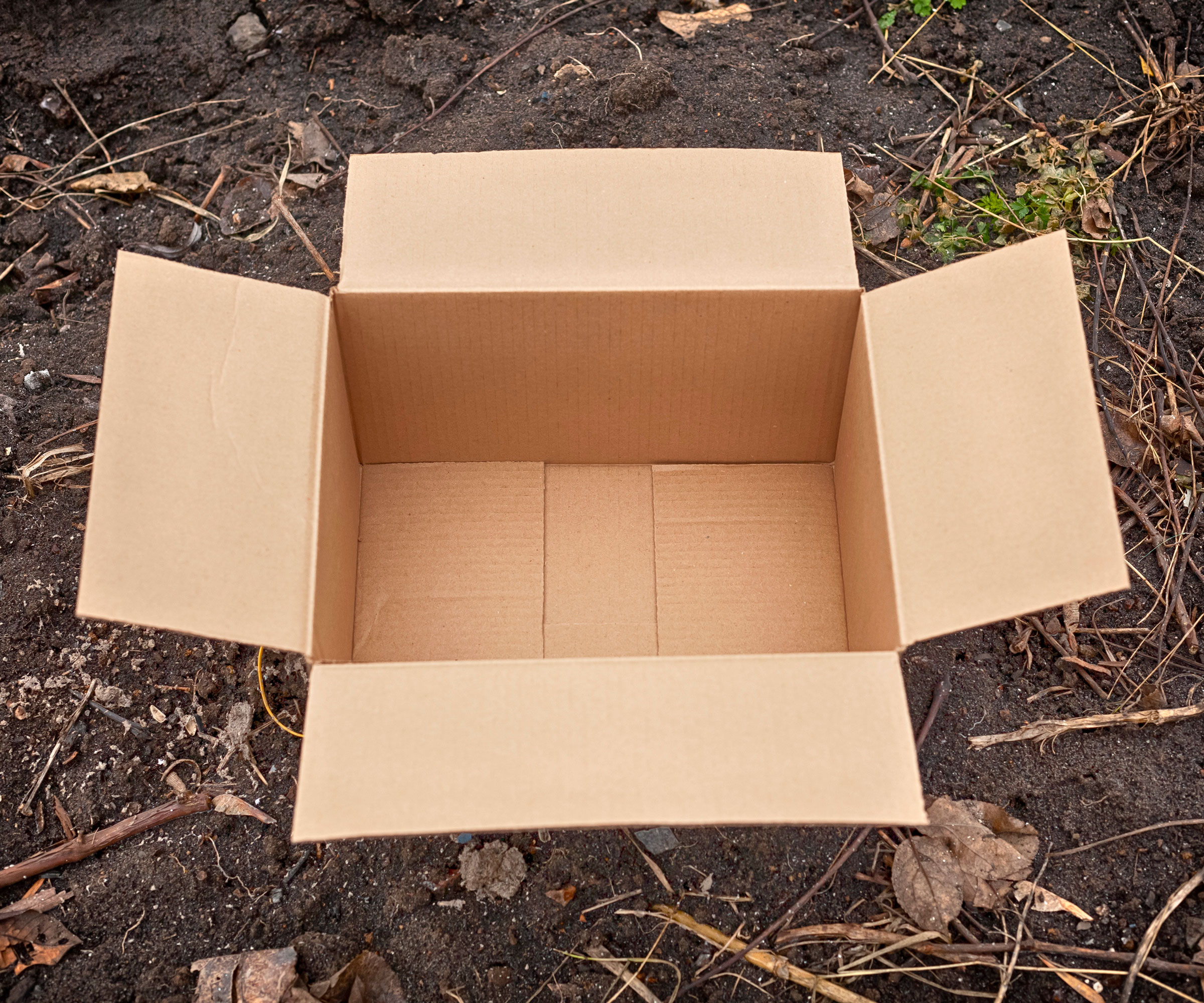
5. Cardboard & Newspaper
(Image credit: Professor25 / Getty Images)
Along the same lines as the hugelkultur idea, you can use biodegradable materials like cardboard and newspaper to fill in the bottom of large planters.
Cardboard and newspaper will eventually break down and turn into compost at the bottom of your pots. But it’s key that you tear or shred them first before filling containers. If you layer entire sheets of cardboard or newspapers, it can end up wicking moisture out of the soil and away from your plants’ roots. So be sure not to skip this step!
Using cardboard to fill the bottom of your planters is a fantastic, eco-friendly way to use all that leftover online shopping waste. Just be sure to remove any tape or shiny labels from boxes before adding them to containers.
What NOT to Put in Planters
There are certain pot filler materials that can cause more harm than good. This is the one material you should avoid ever putting in planters.
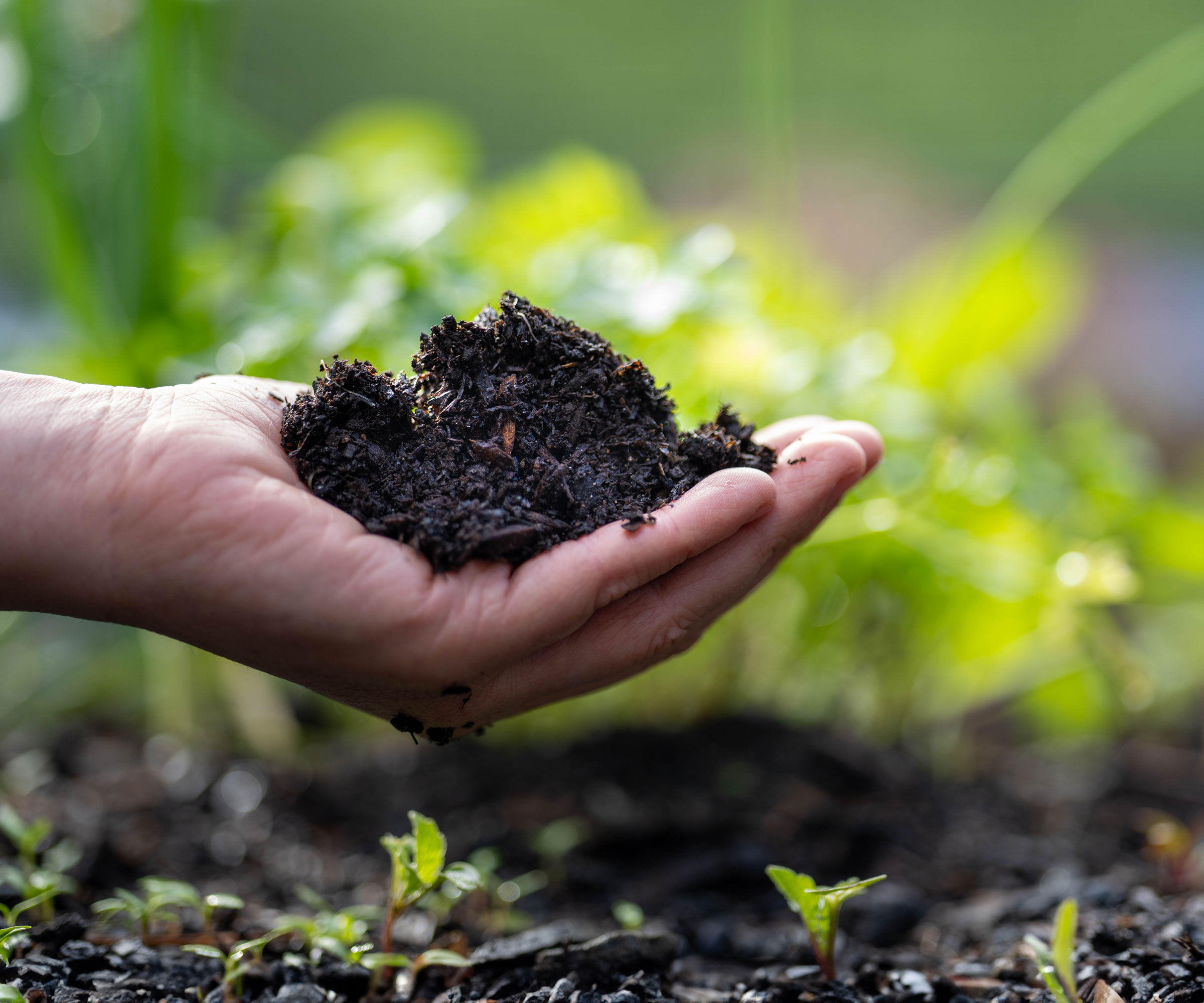
Garden Soil
(Image credit: William Edge / Shutterstock)
Similar to using old potting soil, you have to be very careful when introducing garden soil to containers. There could be pests or diseases lurking in your garden soil that could end up causing a major headache for you and your container plants.
I learned this the hard way when I was trying to cut costs and use a little bit of garden soil to pot up vegetable seedlings. I ended up battling cucumber beetles and squash vine borers that had been hiding in my ornamental garden soil all season long. Not fun.
But the other main concern when using garden soil in containers is drainage. Garden soil can be much denser than potting mix and it doesn’t have the same drainage capabilities. You risk killing your plants with root rot, if you fill containers with garden soil.
It’s also vital to have drainage holes in the bottom of your pots and to make sure you don’t block them off with any filler materials.
Shop Container Gardening Essentials
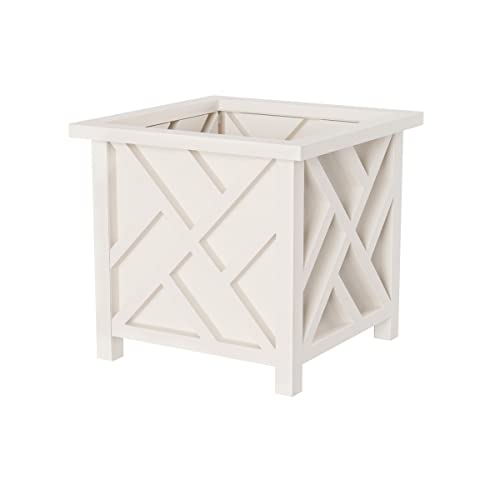
Pure Garden Lattice Design Outdoor Planter Box
Pot up your plant in a smaller container and drop it into this decorative box to save on soil.
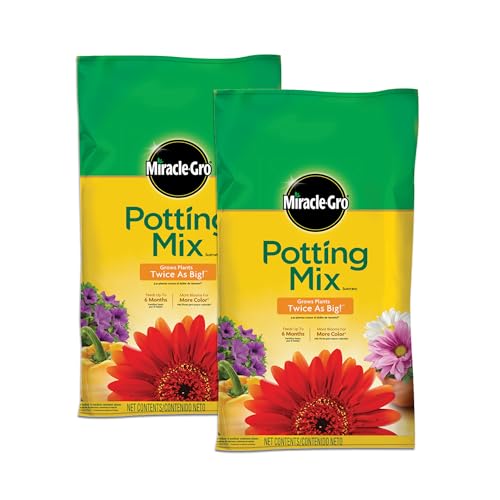
This is my go-to potting mix for strong growth and big blooms all summer.
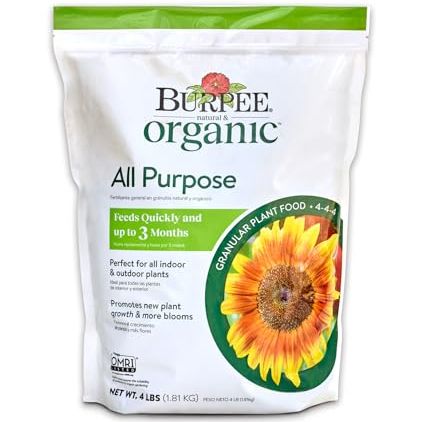
Burpee All Purpose Granular Organic Food
Give potted plants a boost with this organic all-purpose fertilizer from Burpee.
















 English (US) ·
  French (CA) ·