

Some plants are still burning through nutrients in midsummer and will keep asking for more. Others have already turned toward dormancy or next year's buds, and a July feeding pushes them into growth that winter will destroy.
Fertilizing in July is where a lot of gardens quietly go wrong. The impulse is to keep feeding everything, since the plants are big and growing hard and it seems like the season is at full tilt. Many different plants want it. Many others are already shifting gears, moving toward seed set or dormancy or hardening off wood for winter, and pushing nitrogen at them now works against what they're trying to do.
The split comes down to what a plant is doing right now. Choosing plant fertilizer matters less than choosing the right moment for it. Anything still producing flowers or fruit is burning through nutrients and will keep asking for more. Anything winding down, storing reserves, or setting next year's buds needs to be left alone, because late nitrogen produces soft growth that frost will find in October.
6 Plants to Keep Feeding in July
These six are still working, and July feeding keeps them at it. Fertilizer types differ between them more than you would figure, so the formula matters as much as the schedule.
1. Tomatoes
(Image credit: Getty Images)
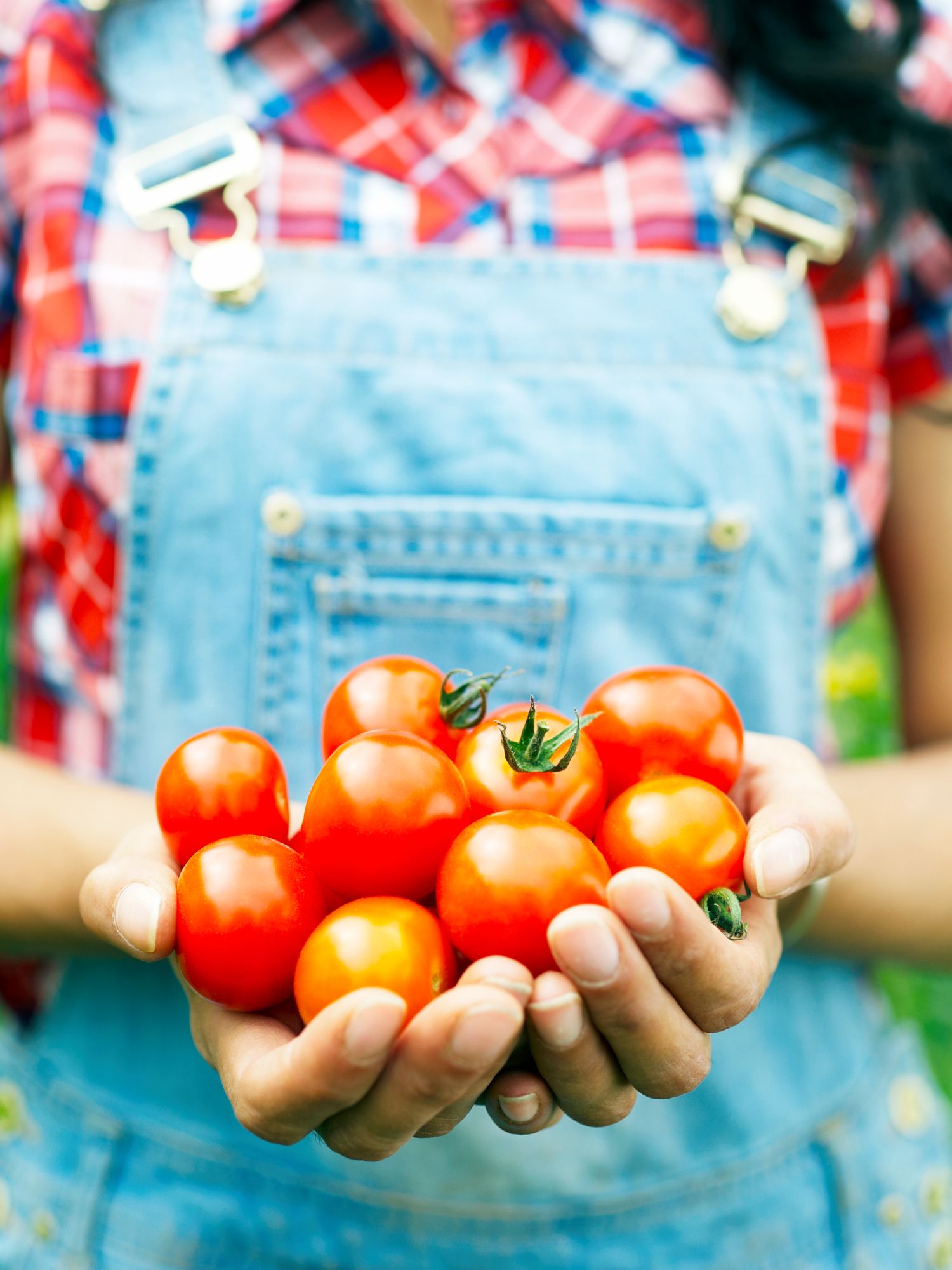
Tomatoes (Solanum lycopersicum), grown as annuals across USDA zones 3-11, run on a heavy diet right through the season. Once fruit has set, though, the formula should shift away from nitrogen — too much and the plant builds foliage while the fruit sits there unchanged.
A feed with a lower first number and more phosphorus and potassium is the move, every two or three weeks. This Fruit and Bloom Booster from Farmer’s Secret on Amazon will do the trick, and this calcium from Home Depot matters here because a shortage of calcium shows up as blossom end rot.
2. Peppers
(Image credit: DUSAN ZIDAR / Shutterstock)
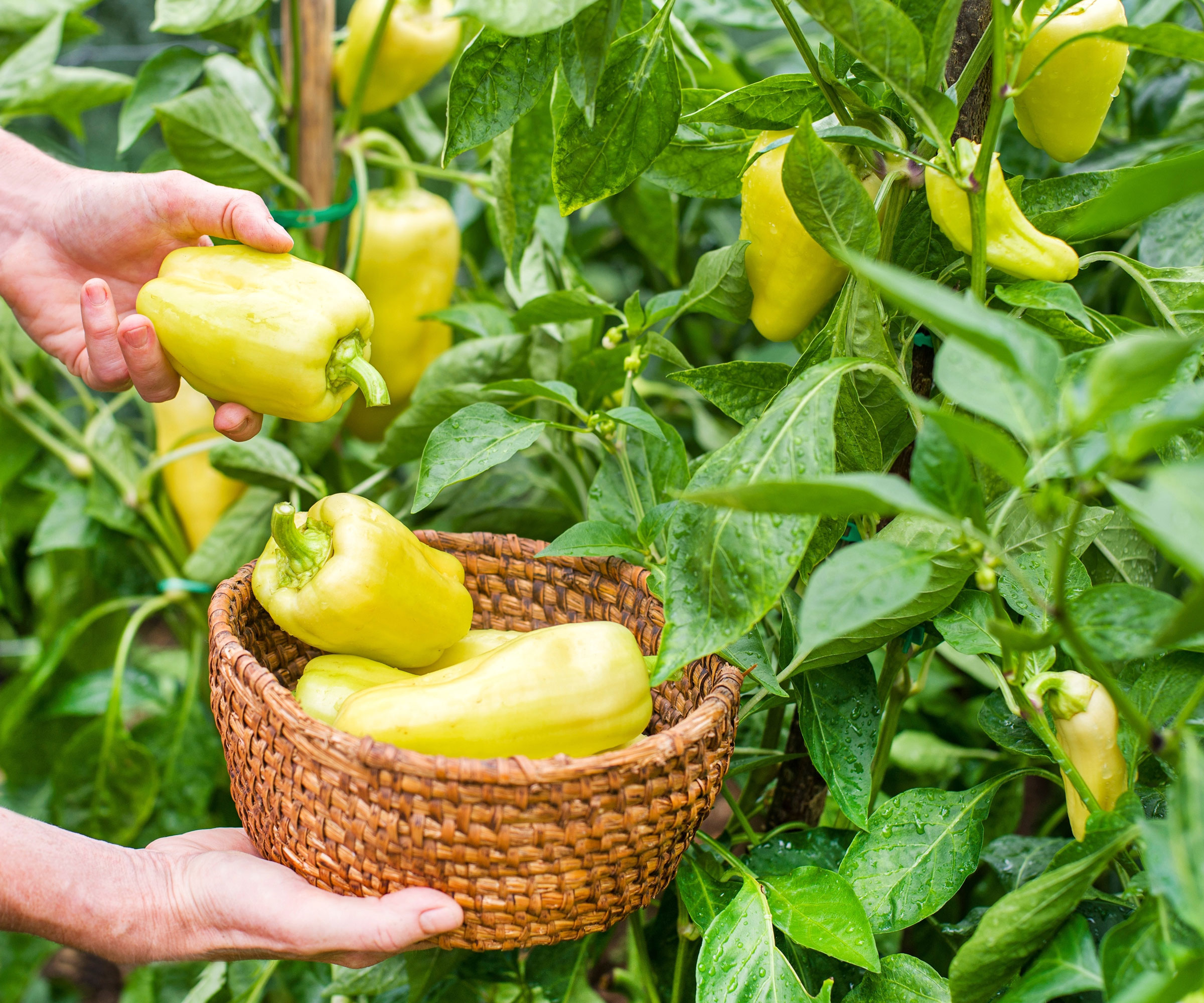
Whatever works on the tomatoes works here. Peppers (Capsicum annuum) run the same zones, 4-11 as annuals, and they keep throwing flowers and setting fruit until frost puts an end to it.
Feed every few weeks, low nitrogen again. Overdo the nitrogen and what you get is a big handsome dark green bush that produces almost nothing — the sort of thing you figure out in September, too late to fix.
3. Sweet Corn
(Image credit: Liudmila Chernetska / Getty Images)
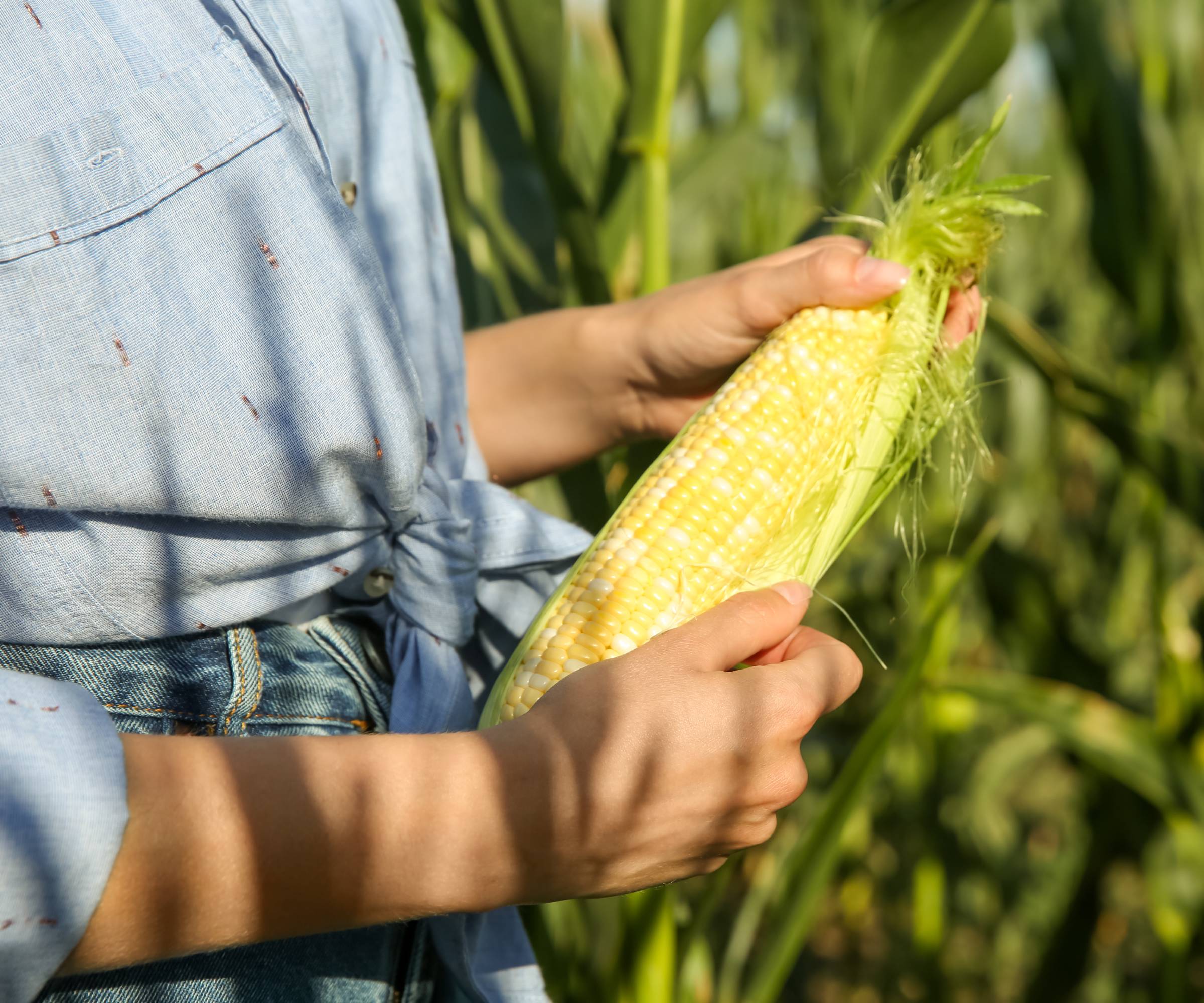
Here the low-nitrogen rule goes out the window. Corn (Zea mays) eats nitrogen from the day it germinates until the ears fill, grown as an annual anywhere in zones 3-11. Side-dress it with this Gardenera Liquid Power Corn Fertilizer from Walmart once the plants hit knee height, then again as the tassels push out. Watch the bottom leaves for pale color and yellowing that runs up along the midrib, which is the plant telling you it ran short a while back.
4. Roses
(Image credit: Feifei Cui Paoluzzo / Getty Images)
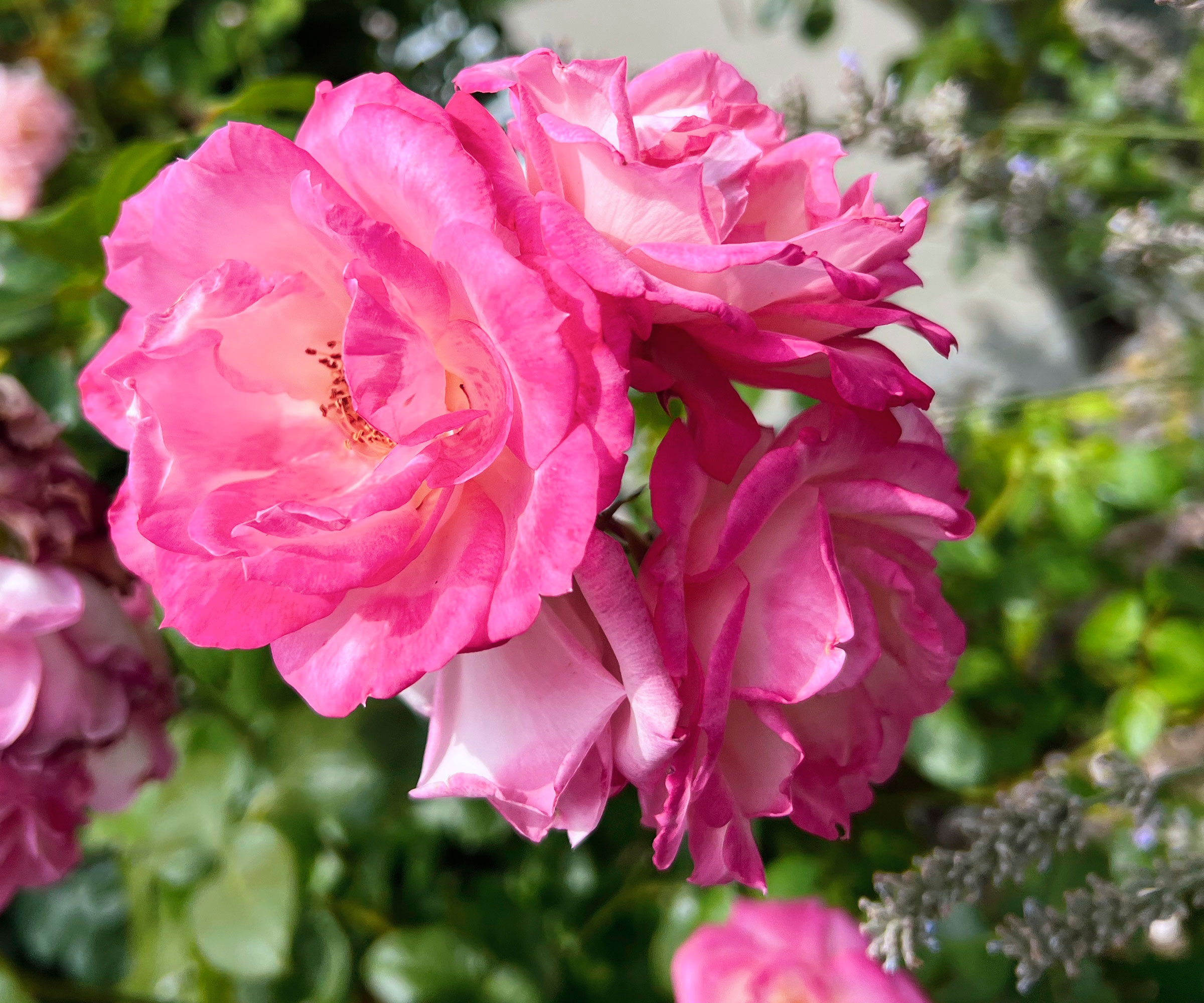
Roses (Rosa spp.), hardy in zones 3-9 depending on the type, bloom in flushes and drain themselves doing it. A balanced feed after each flush keeps the next one coming. Jobe's Organics Granular Rose Fertilizer from Amazon is a good organic option, so it won't scorch roots in July heat. There is one deadline, though. Stop feeding roughly six to eight weeks ahead of your first expected frost. Anything later and the plant answers with tender new canes, right as the weather turns on them.
5. Container Annuals
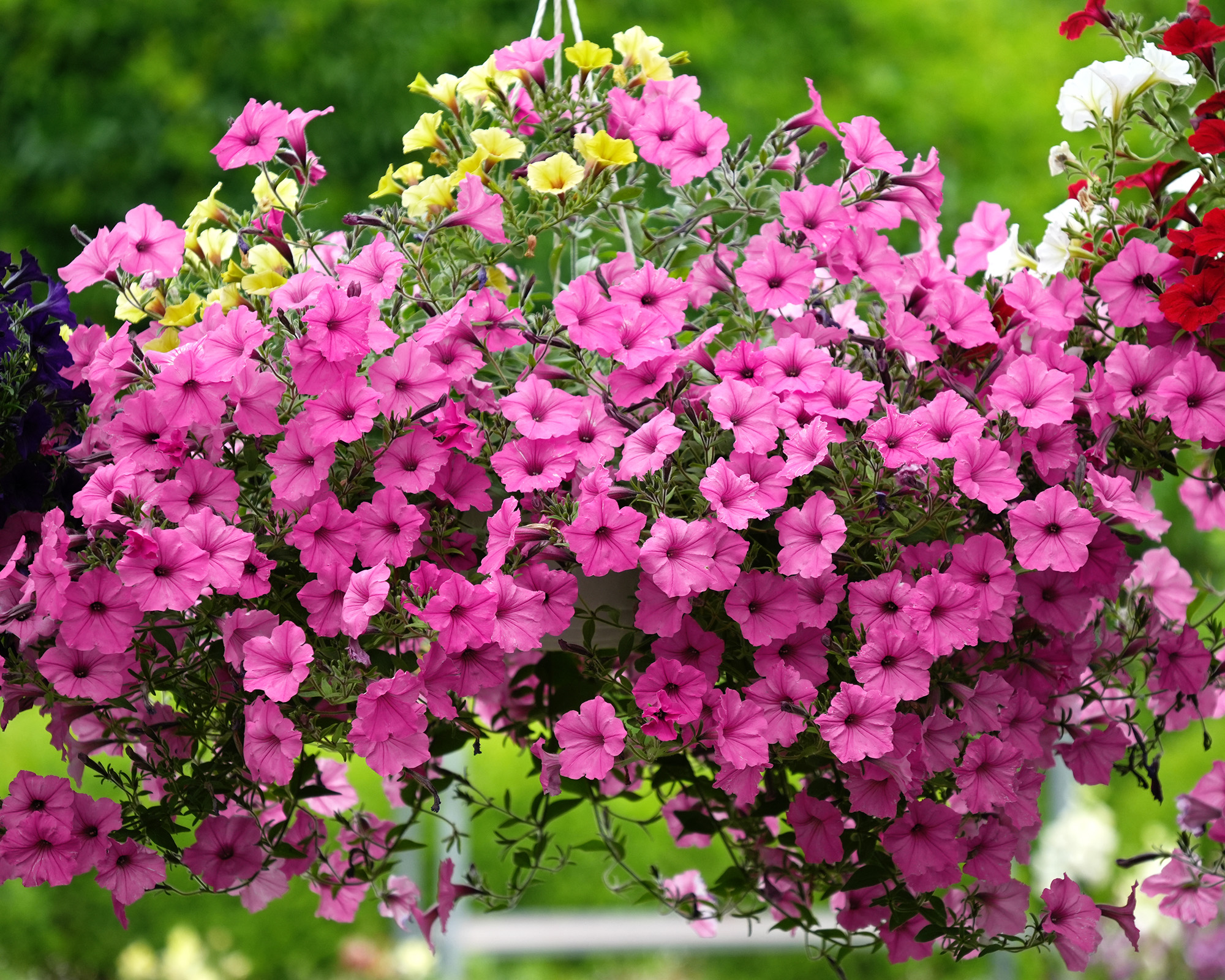
(Image credit: Getty Images)
Container annuals like petunias (Petunia spp.), perennial only in zones 9-11 and treated as annuals everywhere colder, live on borrowed nutrition. Every watering flushes some out the drainage holes, and by July whatever was mixed into the potting soil in May is long gone. A dilute liquid feed every week or two replaces it. Miracle-Gro's water-soluble all-purpose food from Walmart mixes into a watering can and covers the whole balcony in one pass.
6. Tropical Hibiscus
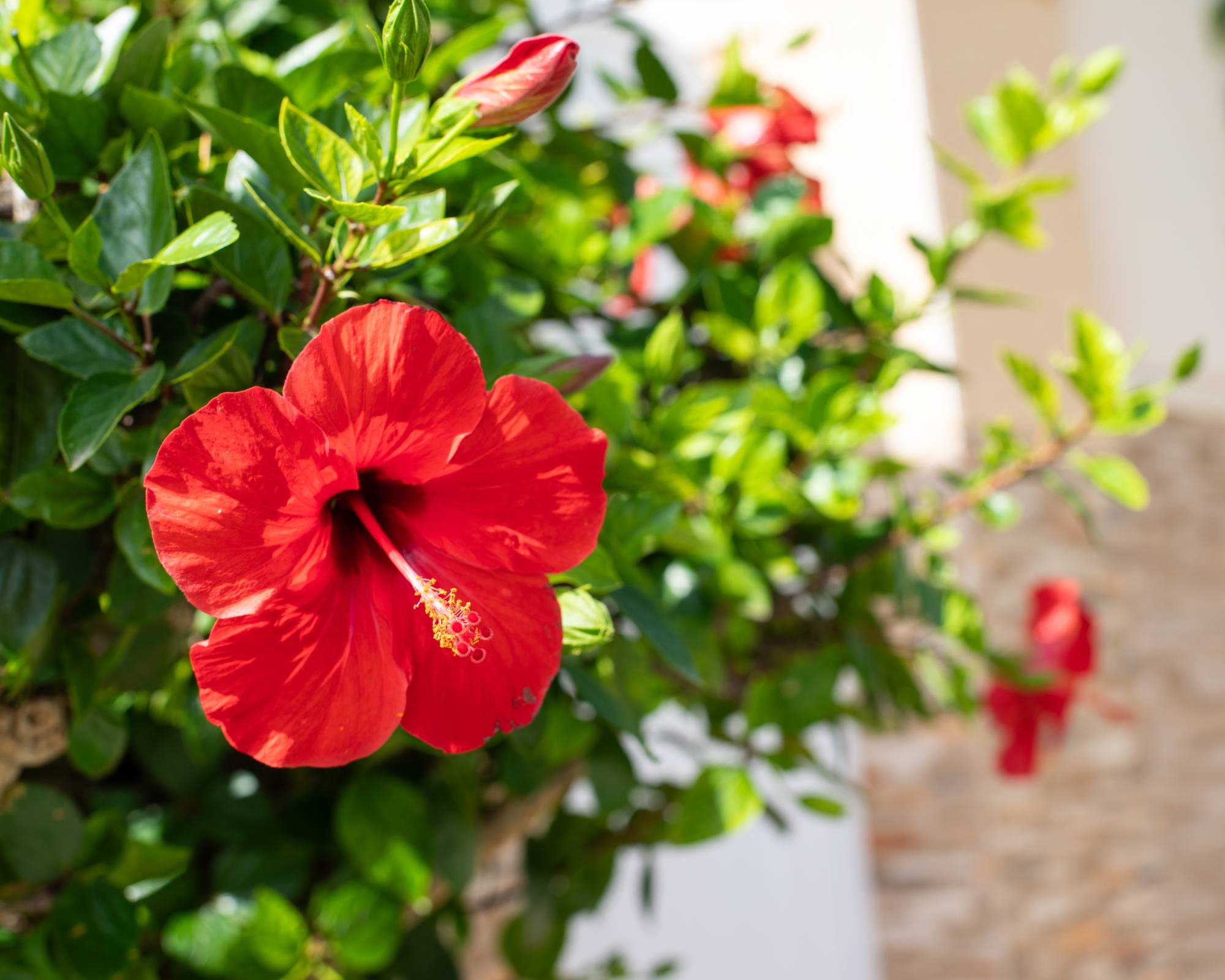
(Image credit: Geraint Rowland Photography / Getty Images)
Outside zones 9-11 this one lives in a pot, hauled in every fall. Tropical hibiscus (Hibiscus rosa-sinensis) will bloom right through the warm months if it's fed, but it's fussy about what. Potassium, yes. Phosphorus it would rather have less of, which means the average bloom-booster formula can set the plant back instead of pushing it.
Something made for hibiscus like this Nelson Plant Food - NutriStar Hibiscus Fertilizer from Amazon, lightly, every couple of weeks, and keep it up until the plant comes indoors.
3 Plants to Stop Fertilizing Now
These three have moved on to something else, and continuing to feed them does real harm. None of it shows up immediately, which is part of why the mistake keeps getting made.
1. Bigleaf Hydrangea
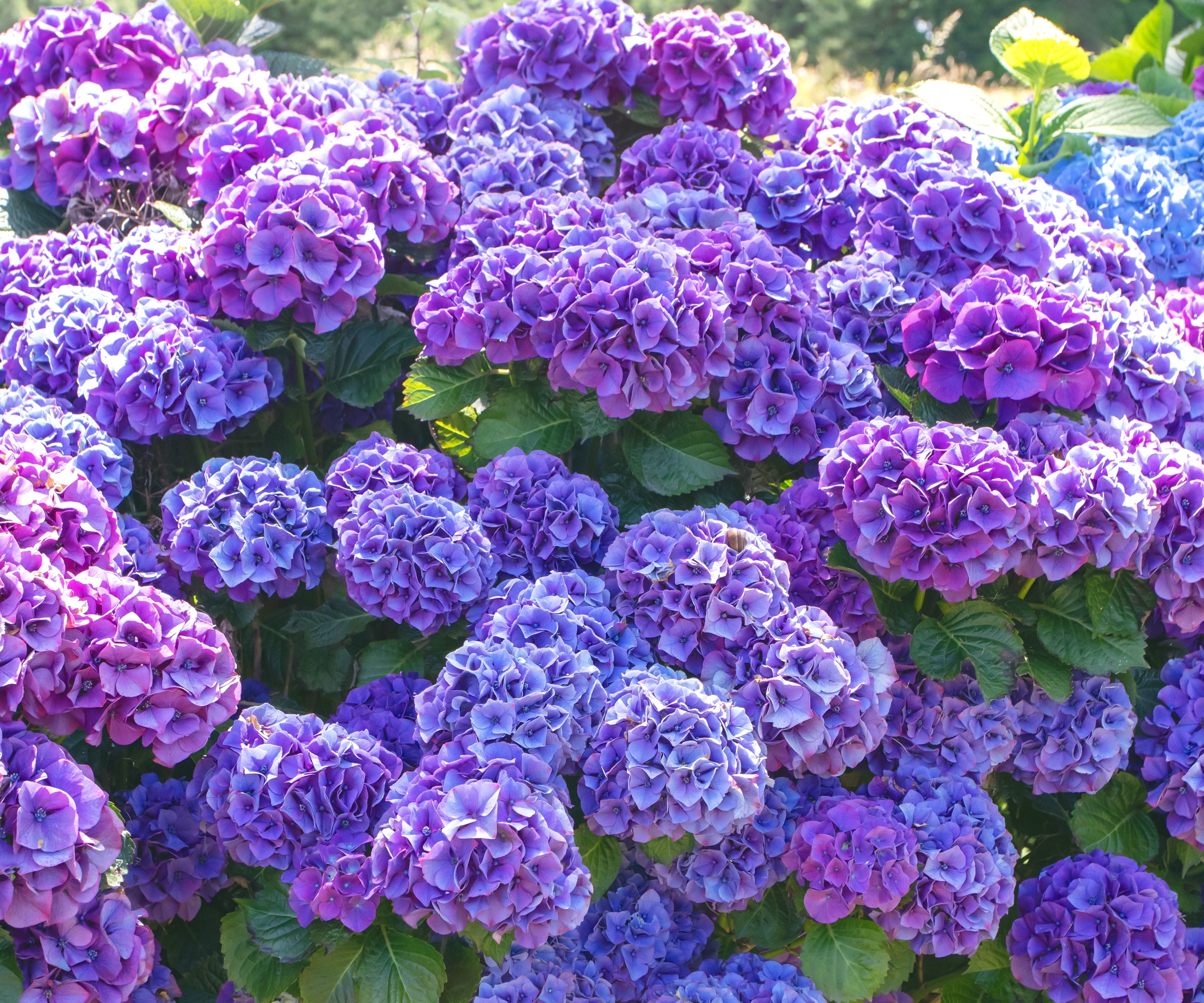
(Image credit: Svetlana Zhukova / Shutterstock)
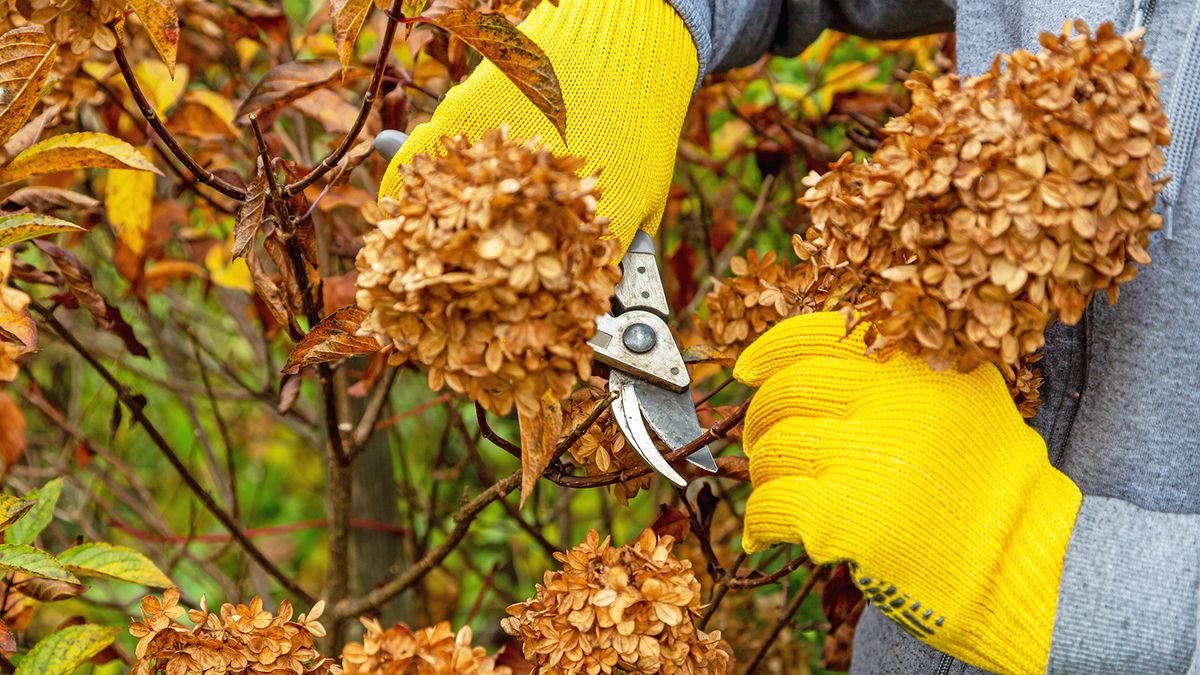
Next spring's flowers are being decided right now. Bigleaf hydrangea (Hydrangea macrophylla) sets those buds in late summer, on wood that has to firm up first, and it manages this across zones 5-9 without help.
Feed it nitrogen in July and it does the opposite — more soft growth, which is still soft when the cold arrives and dies back on you. Feeding should have wrapped up by early summer. Water and mulch is what it wants now.
2. Peonies
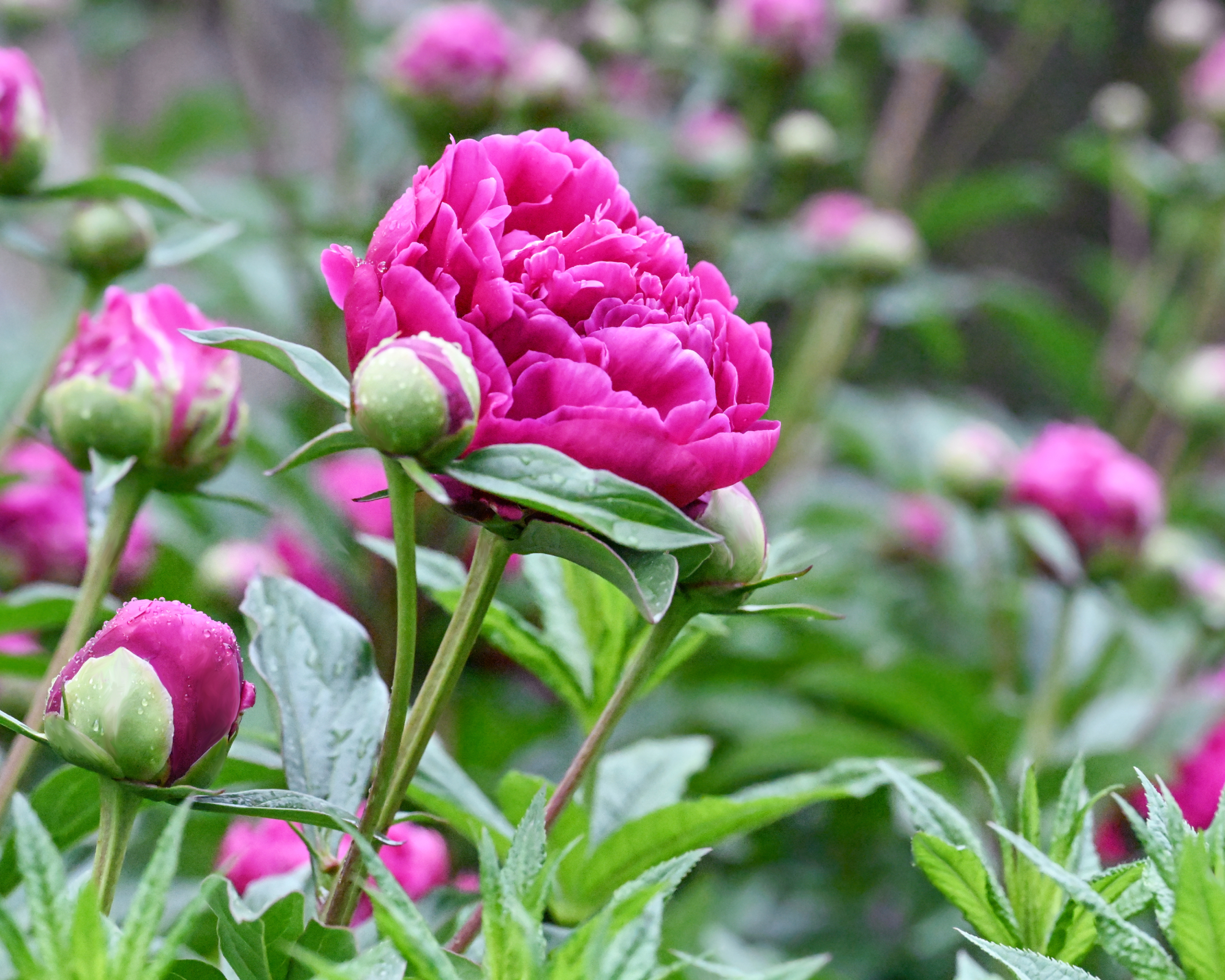
(Image credit: Getty Images)
Peonies (Paeonia lactiflora), zones 3-8, finished flowering weeks ago and are now doing the less apparent part of the job — photosynthesizing to stock their roots for next spring. Fertilizer at this stage encourages floppy foliage and can reduce the following year's bud count. A single feeding after bloom is all they wanted, and that window closed in June. Cutting the foliage back now would compound it, since those leaves are the whole engine. Let your peonies rest and charge up for next year.
3. Garlic
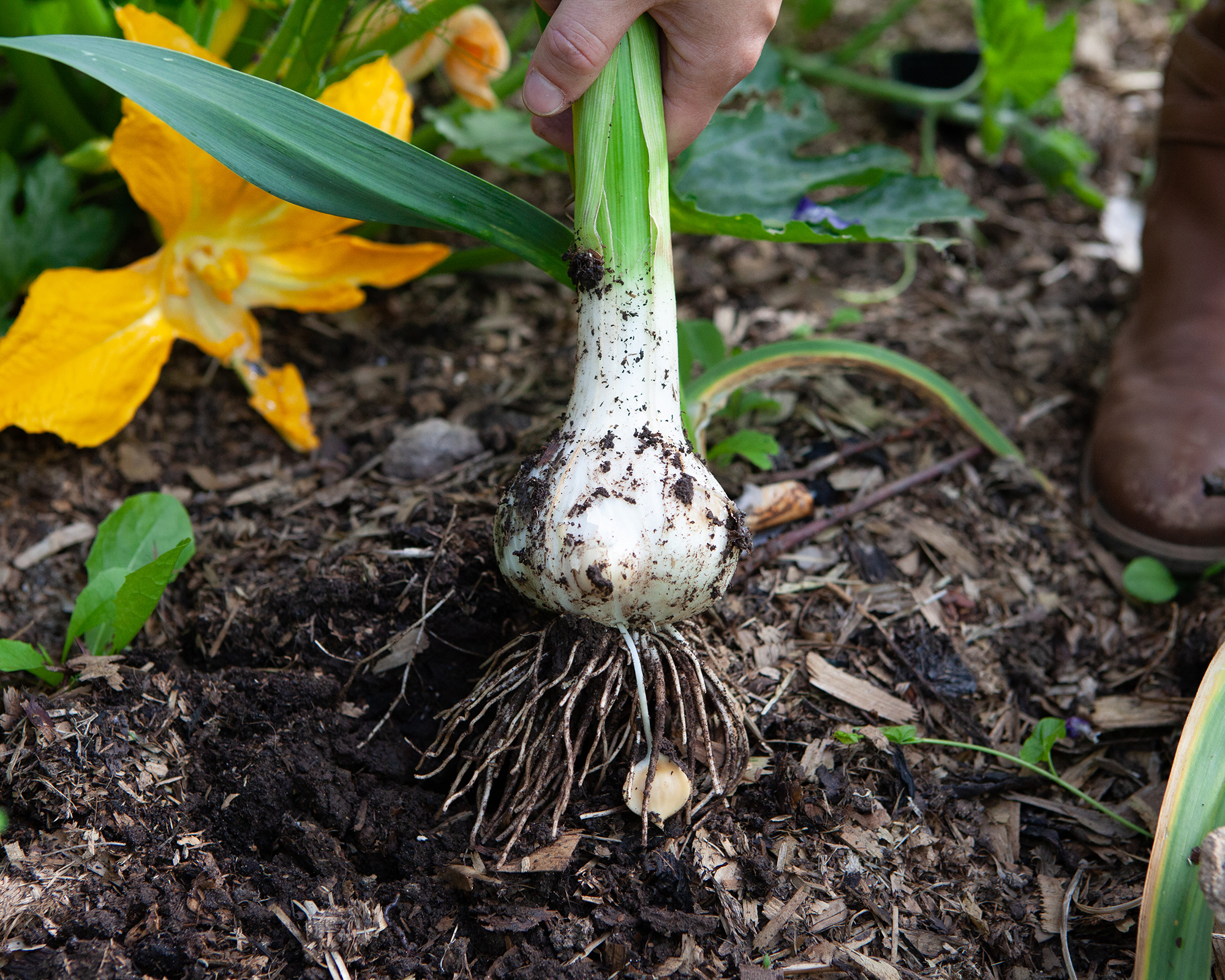
(Image credit: Shutterstock)
By July, garlic is already committed. Planted back in fall, hardy through zones 3-9, Allium sativum is either swelling its bulbs or sitting there ready to pull. Give it nitrogen at this point and you tell it to make leaves, exactly when everything ought to be going underground, and the heads that come out of that don't keep well in storage. Feeding ends when the scapes appear. After that, it’s just water, then tapering off before harvest.
















 English (US) ·
  French (CA) ·