

 9 months ago
268
9 months ago
268
PROTECT YOUR DNA WITH QUANTUM TECHNOLOGY
Orgo-Life the new way to the future Advertising by AdpathwayAs winter wanes on, I think about my spring garden and what plants I want to include in that first burst of growth as the weather warms.
Naturally, that leads me to set up a seed starting station, which includes all of the seeds that I’ll plant out after the last frost.
Some of these plants are ready for planting as soon as the frost passes, while others need some time indoors in a larger pot before exposure to the elements. Herbs and cool-weather crops are ready to go right away, but tomatoes and peppers need much more time.
Knowing when to put out each of these seeds to start under grow lights in December will ensure a thriving garden with tons of harvests. Some of the plants on this list are meant to last through spring and fall, and some are specific to the warmer and milder seasons in the garden. But having a mix of annuals and perennials will save you some time as you prepare next spring’s garden.

Walla Walla Bulb Onion

Walla Walla Bulb Onion Seeds
Common Oregano

Tomatoes
 These crops perform best when started early in trays.
 It’s so important to get a good head start on your tomatoes, which is why they’re great seeds to start under grow lights in December. Ensuring they’re mature enough to go in the ground when the time comes gives you the best possible outcome at harvest time. This goes for all types of tomatoes – cherries, slicers, canning tomatoes, and more.
It takes at least 70 days from transplant, and up to 100 for larger varieties. If you know your season is short, look for a quick-maturing determinate tomato that you can harvest all at once. In milder areas, an indeterminate tomato that has support will continuously provide tomatoes here and there until it gets too hot or cold.
Gardeners with smaller spaces can look to smaller cherry plants, like ‘Cherry Falls‘, which nestles nicely into a hanging basket. In areas with longer seasons, a slicer like ‘Cherokee Carbon‘ offers hefty harvests through summer (and into fall in milder regions).
You want at least four to six weeks before it’s time to transplant to maximize your ability to harvest the plant on time. So December starts are key!

Peppers
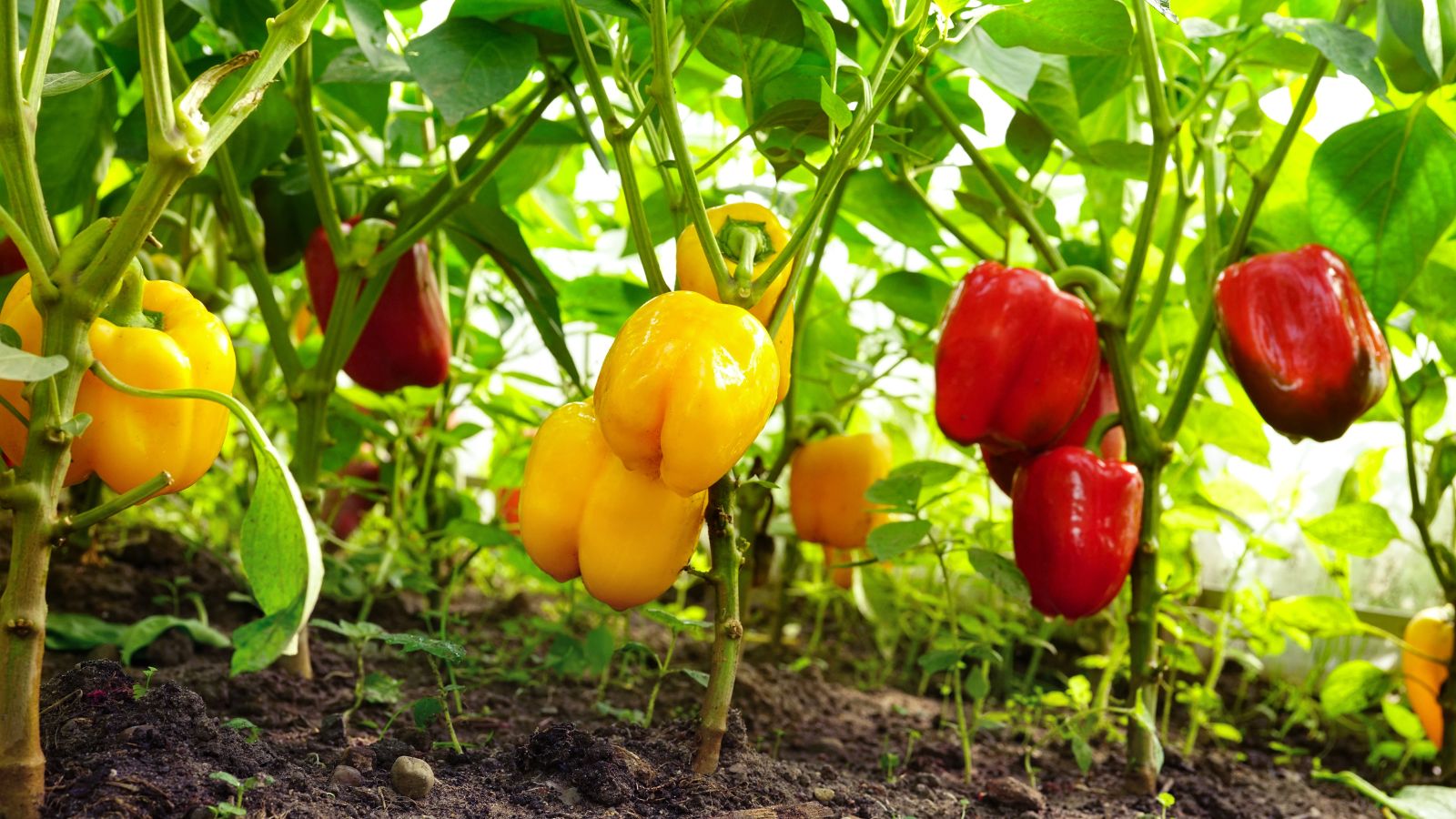 Like tomatoes, peppers benefit from warmth and protection while germinating.
 While tomatoes need four to six weeks to mature, peppers need almost twice that, at eight to ten weeks. They mature much more slowly, but offer continuous harvests through the warmer (but not too cold) times of year. There are many types to choose from, too.
My favorite seeds to start under grow lights in December are those prolific varieties, like ‘Shishito’ peppers, with their delicious flavor and generally non-spicy profile. People love bell peppers, but due to their long time to harvest, they often skip them. There’s a fix for that, with ‘Mini Red Bell’ peppers, which are ready in two months.
The seeds of both tomatoes and peppers need heat to sprout. Use a heat mat to get them going. When they sprout their first sets of true leaves, get them under a grow light for at least 12 hours per day, and up to 16.
Onions
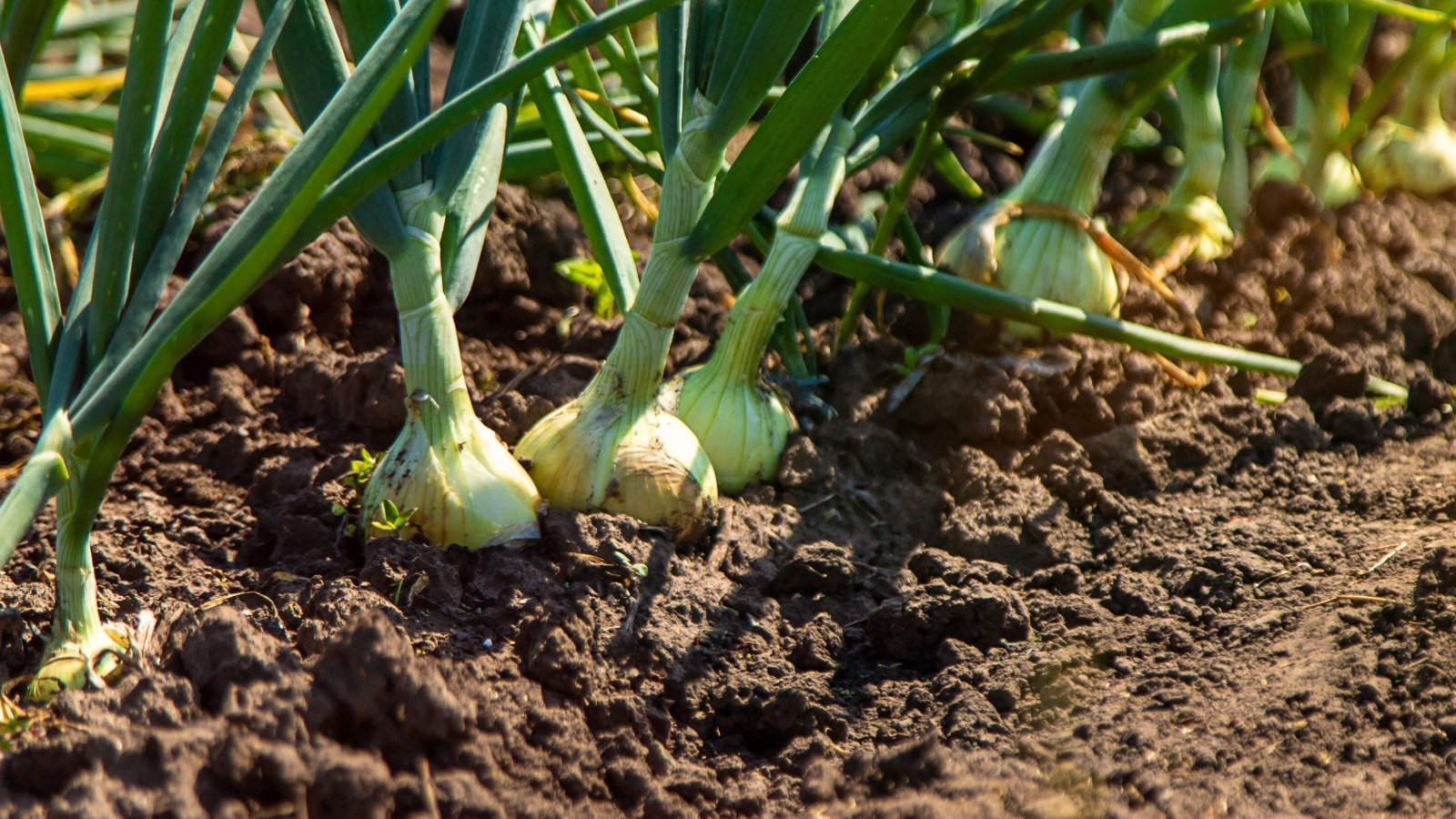 As they take a long time to mature, starting seeds early gives you a head start.
 Onions are one of the more advanced crops you can grow at home. Their intermediate nature has a lot to do with how long they take to mature, and how choosing the wrong type can make or break the season. Take some time to learn how to grow them before sowing seeds.
Larger onions take up to 130 days to grow from seed. Depending on where you live, you should select an onion variety that corresponds to your region’s day length. Those further from the equator can handle long-day varieties, like ‘Yellow Sweet Spanish Utah‘.
Areas further south require short-day onions, like ‘Yellow Granex PRR‘. Intermediate-day onions, like ‘Walla Walla’, are adaptable to all areas, but do best in areas in the South.
Kale
 Kale doesn’t mind the cooler temperatures of early spring.
 Quicker seeds to start under grow lights in December than the three listed above are kale. You can harvest baby kale plants within a few weeks or let them mature and grow large leaves within a couple of months. Kale is one of the plants on this list that can handle the cold. Plant one in the ground as soon as soil temperatures reach 50°F (10°C).
If you like curly kale, ‘Redbor’ or ‘Dwarf Blue’ are great choices. They really pop in the garden, and offer a ton of visual interest as they reach full maturity. ‘White Russian’ kale is a cool, flat-leaf variety with pronounced white ribs. Plant all of these together for a continuous supply of hearty, nutrient-packed greens.
Oregano
 Herbs are great for sowing year-round.
 Summer here in Texas is always exciting because it’s the first time I can glean a large harvest of herbs. Oregano is one of those herbs I love to harvest often because it’s delicious both dried and fresh. The bonus to their fragrant leaves is that their flowers attract so many different kinds of bees.
The standard oregano will do, but Greek oregano is stunning with its white-pinkish blooms. If you don’t care for the herb but love the look, an ornamental variety is a good choice. For hanging baskets, ‘Kirigami’ is lovely, with its rosy-green leaves cascading over the container.
Oregano takes a long time to mature, so getting it in the soil now ensures you get a good harvest from a full-grown plant in a few months.
Basil
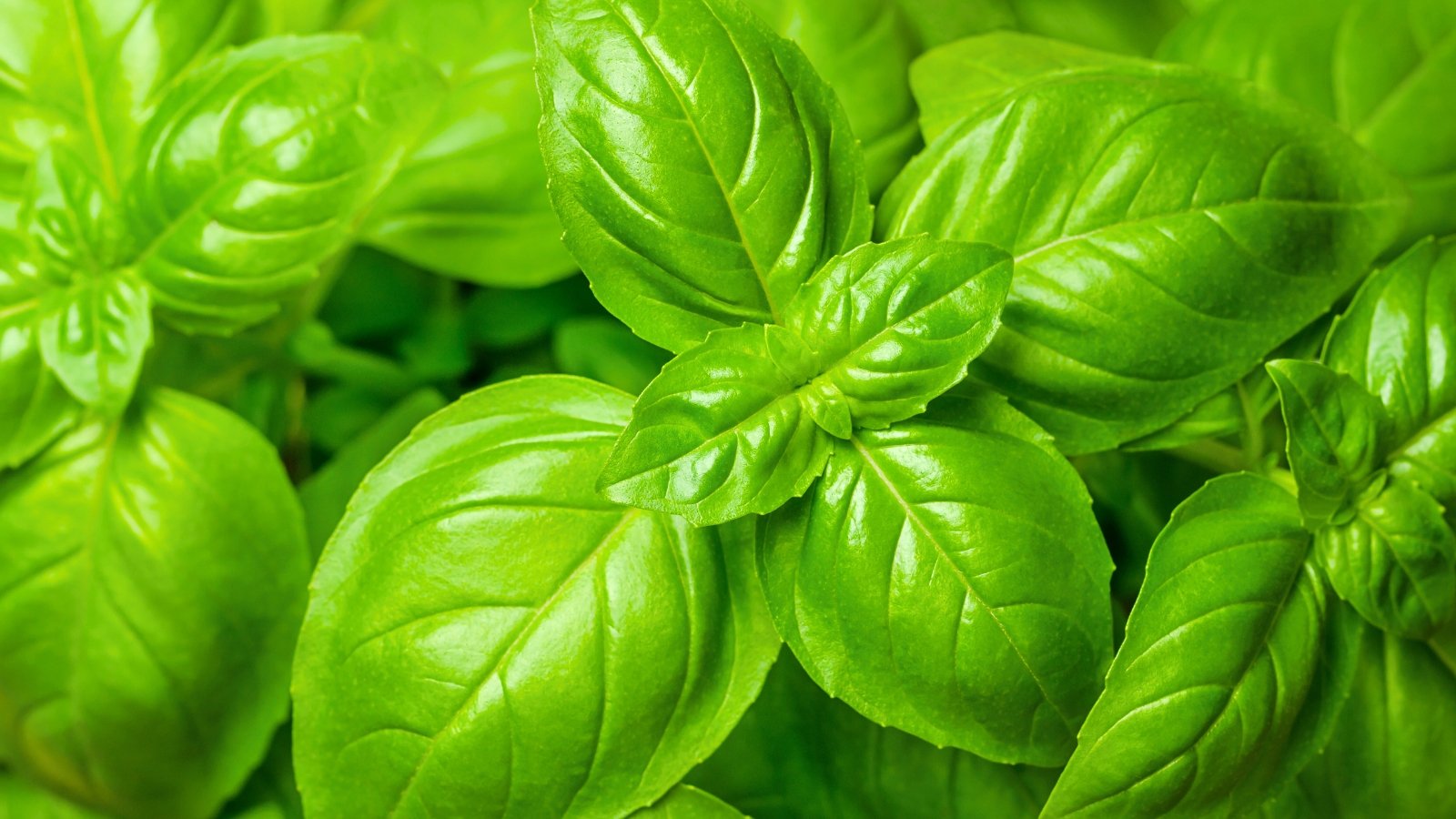 Basil lasts longer when you sow seeds early.
 While I love all kinds of basil, they can be difficult to grow here in Texas due to the intense heat that leads to bolting in mid-summer. However, with consistent flower removal, you can make a basil plant last through the warm seasons, and sometimes into fall if it remains mild.
A standard Genovese takes a couple of months to mature. The same goes for Tulsi, which is best used in teas, but works in dishes that allow for its sweeter flavor. Regardless of the cultivar, make sure you’re starting your seeds in soil that is at least 50°F (10°C).
Rosemary
 This herb takes a long time to germinate, so be patient.
While we’re talking about herb seeds to start under grow lights in December, let’s discuss rosemary. Its woody nature makes it an even slower grower than basil or oregano, but it will live for years with proper care. Give it at least ten weeks before you transplant it. Start it indoors with a heat mat set to 65 to 75°F (18-24°C).
Rosemary prefers conditions in warmer parts of North America. In these places, particularly in zones 8 through 10, you can leave it outdoors in winter. In colder parts of the continent, plant it in a container and bring it indoors when temperatures dip toward freezing.














 English (US) ·
  French (CA) ·