

 9 months ago
230
9 months ago
230
PROTECT YOUR DNA WITH QUANTUM TECHNOLOGY
Orgo-Life the new way to the future Advertising by AdpathwayCold weather often requires bringing those container plants indoors for the season. However, there is an alternative, especially when it comes to hardier species: wrap plants in burlap for winter! Group plants that can handle a little cold together, and wrap their bases in reused burlap bags or long pieces of burlap.
The burlap technique is great in areas where winters are cold, but not constantly frozen. It is a viable method in regularly frigid areas too. In those lower zones, keep your plants close to the side of your home to promote even more warmth. Mulch them with a two to three-inch layer of organic material.
As the final frost rolls through, you can remove the wrapping and move your plants to their ideal positions. Focus on the best conditions while growth is active to ensure they make it through next winter. Some may succumb to the elements, but that’s ok! You’ll have a free container for another plant.

Colorado Blend Yarrow Seeds

King Size Apricot Aster Seeds
Purple Coneflower Echinacea

Purple Coneflower Echinacea Seeds
Aster
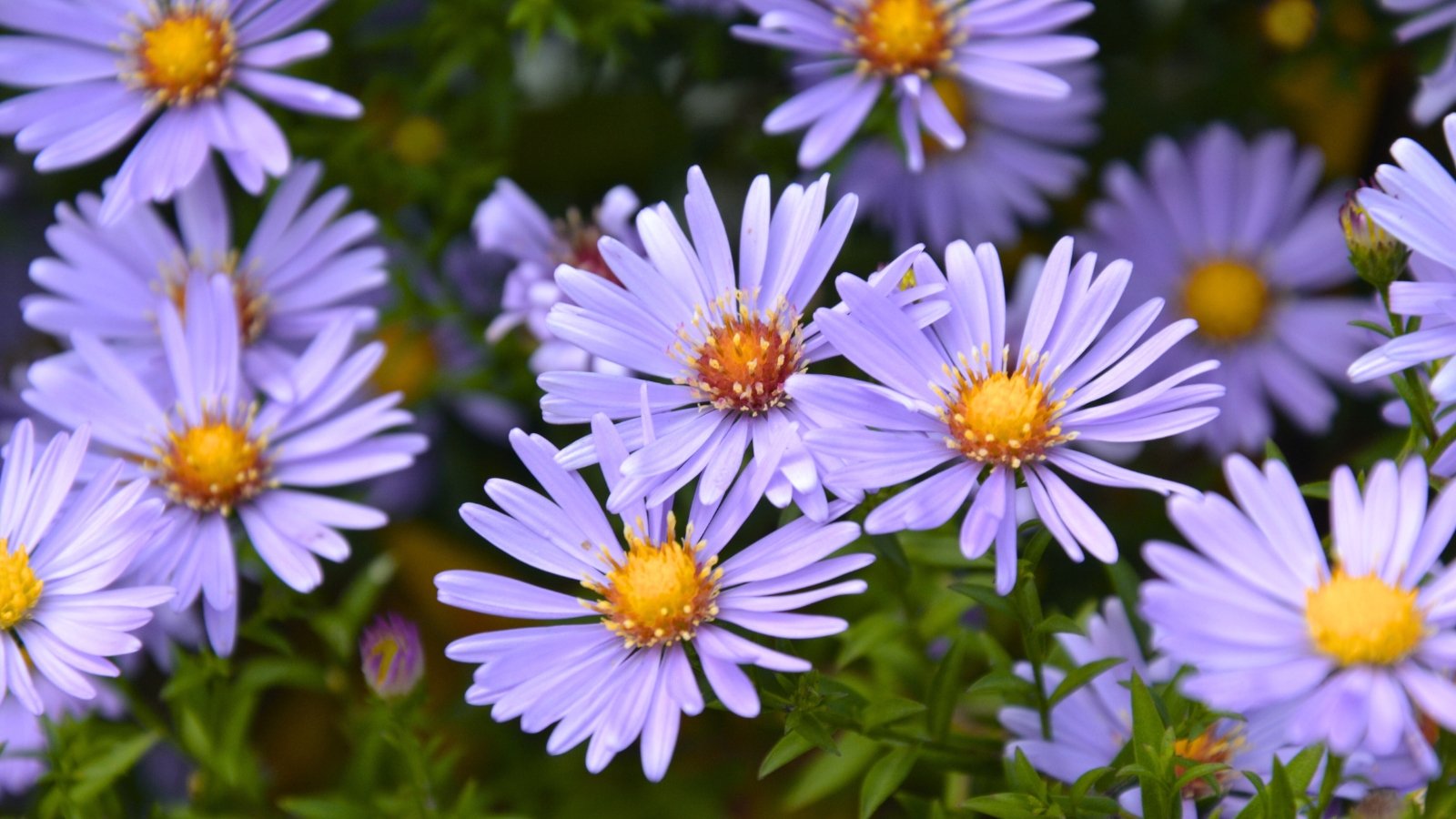 Leave seedheads alone in winter rather than pruning them away.
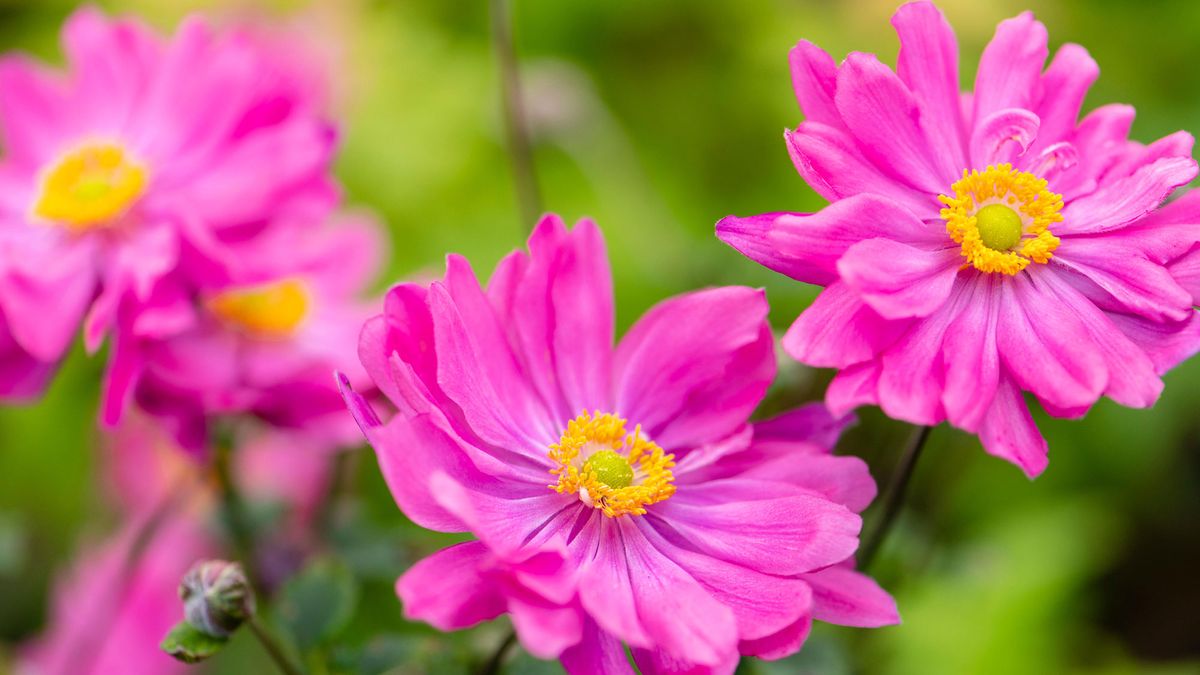
 Beautiful pink, white, and purple asters are cold-hardy, with a wide range from the cold zone 4 to the sometimes hot zone 8. Winters are cold in the entire range, which hints at how adaptable to extremes these plants can be. Native plants are better adapted to local conditions than imports, but both can handle some cold.
If you want to keep your containers ecologically friendly, leave the seed heads on the plant after the first frost. This gives songbirds some forage while food is scarce in winter. These plants also harbor insects through the cold. They nest in stems, so leaving those on ensures their re-emergence in spring.
Coneflower
 These native plants benefit from some protection.
 Echinacea is such a joy when it’s thriving in summer. In containers, it quickly fills in empty spaces. Dividing your coneflowers in fall is easier this way, too, with no need to dig up their roots from an in-ground bed. Much like asters, coneflowers can handle some cold due to their wide hardiness range, especially when you wrap the plants in burlap in winter.
Place these on the outer edge of your wrapped group, along with yarrow, hostas, coral bells, and creeping phlox. All of these make a good shield for plants that don’t have as much cold resistance. The straight species will handle cold better than a cultivar, but there are plenty of lovely coneflowers that will do just fine in these conditions.
Yarrow
 Yarrow is an excellent garden plant for pollinators.
 I can’t sing the praises of yarrow enough, and once you grow it, you will too. These exceptionally hardy and persistent plants grow well in the ground and in containers. They are one of the best plants to place on the outside of your grouping when you wrap plants in burlap in winter to protect more sensitive ones.
As a North American native, leave the stems and seedheads on them to support wildlife through the tough winter season. Once temperatures reach 50°F (10°C) consistently, trim back last year’s dead stems. Any stem-inhabiting insects should have vacated at that point.
Creeping Phlox
 Plant in an area where the low-growing stems can spread.
 The low-growing ground cover creeping phlox is often employed as a spiller in container arrangements. With varieties that display a wide array of colors, there’s no question why this is the case. Along with their adaptability in a container design, the roots are hardy in winter.
These are particularly good container plants for regions with dry conditions and where the species tends to overtake natural areas. Keep them on the edge of your grouped and wrapped plants to shield others from wind and cold.
Coral Bells
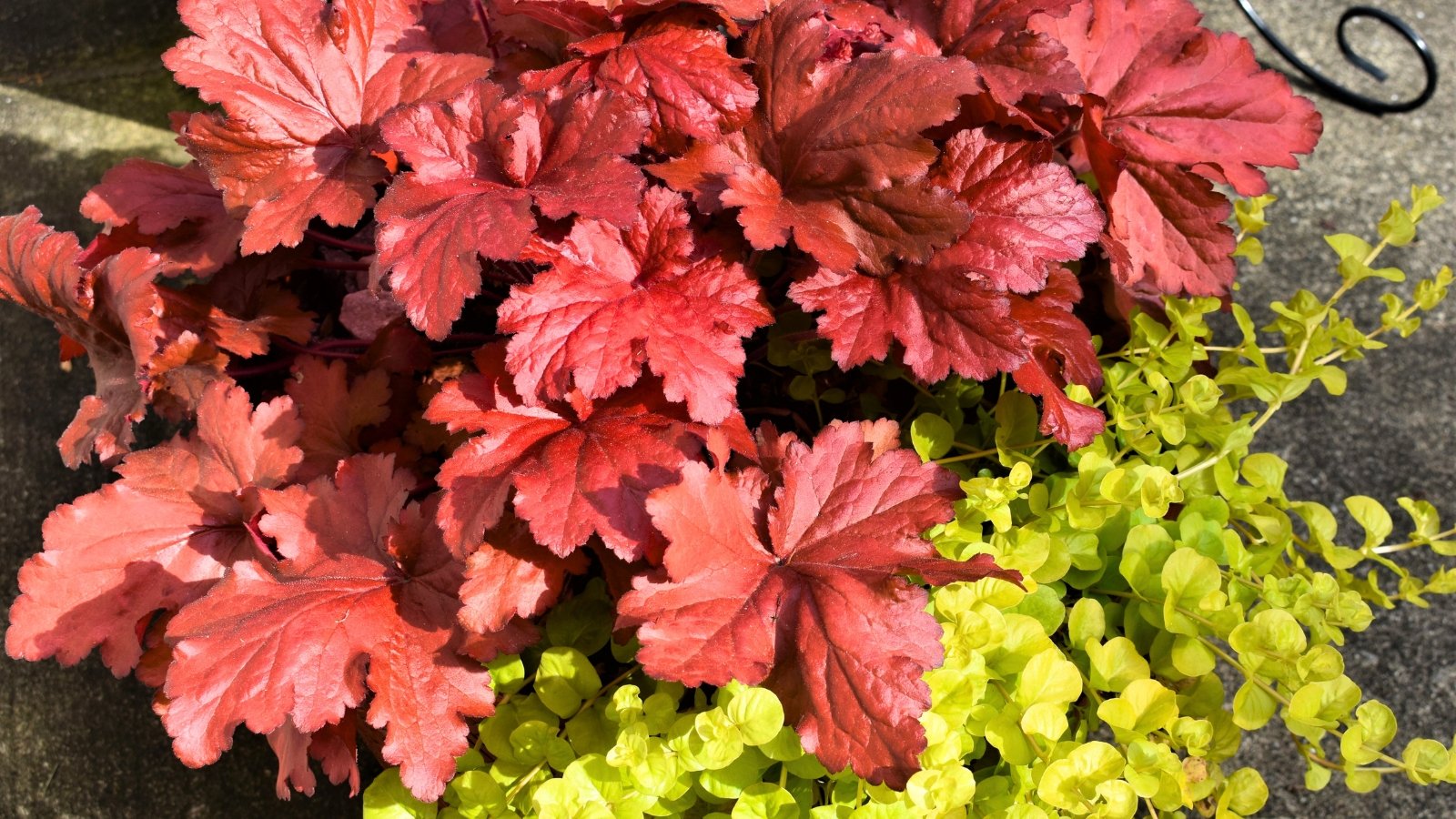 These leafy plants handle cold well with some protection.
 There are about 50 species of coral bells with even more cultivars. They have a wide range of leaf and flower colors and adapt to basically any conditions. Basically, every species is native to North America, making them great candidates for weathering conditions outdoors in winter.
Much like our last two entries, coral bells can take the cold fairly well. Wrap the plants in burlap in winter to protect them and nurse them with plenty of water in spring to prevent sunscald and leaf scorch. Make sure you gradually reintroduce them to their ideal conditions as winter moves into spring to help them build their hardiness.
Russian Sage
 Add a layer of mulch over the soil to protect the roots.
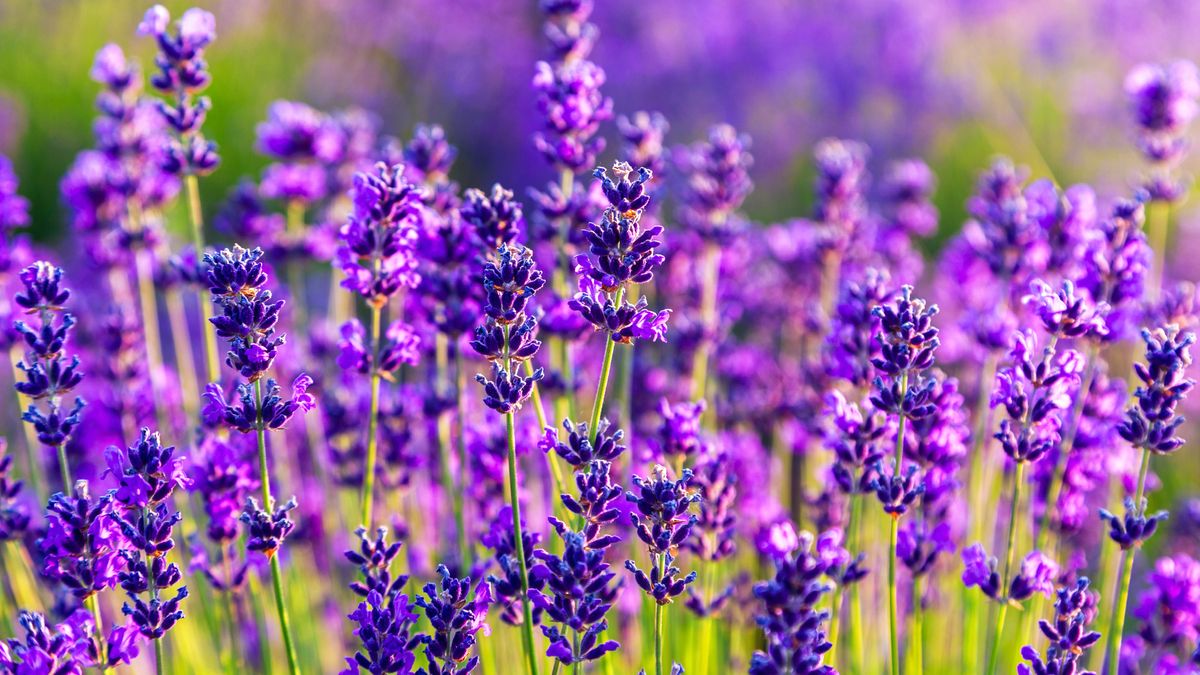
 This is one of the most interesting sages you can grow, adding height and violet color to container designs. It’s an adapted plant in the southeast, though its native range is in eastern Europe through Central Asia. If you don’t have a cover for your plant, you can keep it outdoors through winter.
Because it’s not as cold-hardy as some of the others mentioned here, it’s a good one to mulch heavily and keep close to windbreaks and warm homes. Russian sage can get tall during the growing season and can flop over. If you don’t plan to bolster it with a stake, prune it down after the first frost.
Hosta
 With protection, hostas can live through freezes.
 The shade-loving hosta is always a fun plant for container gardens. In the fall, divide and replant any offsets in new containers. After they finish blooming in summer, prune their flower stalks down. Mulch them ahead of full-on winter to give them a layer of protection in the cold.
Hostas can handle freezes with protection. In late winter, you can prune away the browned or yellowed leaves in preparation for spring. As you’re doing this, think about how you’ll protect them from slugs when spring’s rains come. Copper tape, organic slug bait, or beer traps are good preventatives. You can also hand-pick at dusk once it warms up.














 English (US) ·
  French (CA) ·