

PROTECT YOUR DNA WITH QUANTUM TECHNOLOGY
Orgo-Life the new way to the future Advertising by AdpathwayIf you’ve ever watched a sparrow cracking seeds or a pelican gulping down a fish whole, you might have wondered: do birds have teeth? The short answer is no—modern birds do not have teeth. But the longer, more interesting answer takes us deep into evolutionary history, surprising fossil discoveries, and the clever ways birds manage to eat without a single molar or incisor in sight.
The toothless truth about modern birds
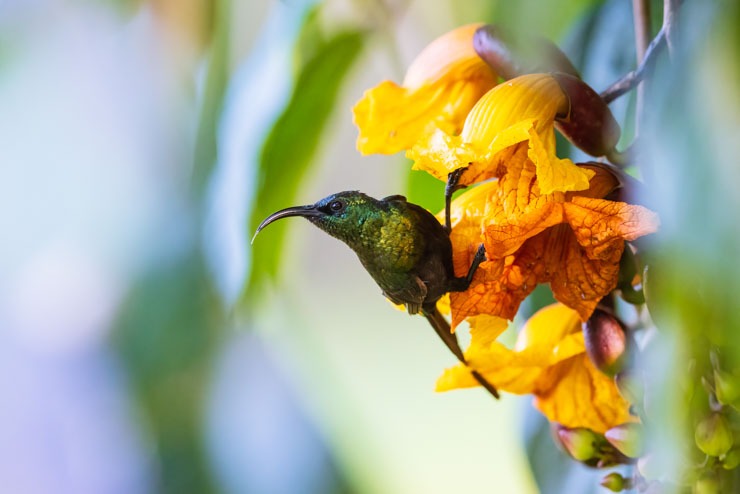
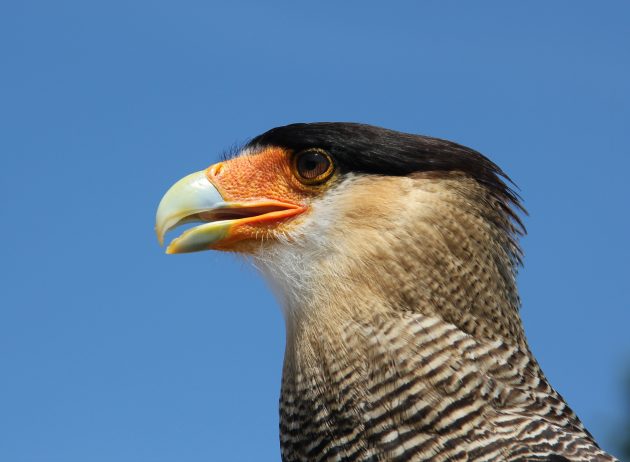
All living birds are completely toothless. Instead of teeth, they have beaks (also called bills), which come in an astonishing variety of shapes and sizes. From the hooked beak of an eagle to the needle-like bill of a hummingbird, each design is finely tuned to a bird’s diet and lifestyle.
A beak is made of bone covered by a tough protein called keratin—the same material that makes up human fingernails and hair. While beaks can be sharp, strong, or even serrated at the edges, they are not true teeth. Teeth, by definition, are structures made primarily of enamel and dentin and are rooted in jaw sockets. Birds simply don’t have those.
But this raises a natural question: if birds don’t have teeth, how do they chew their food?
Eating without teeth: how birds manage it
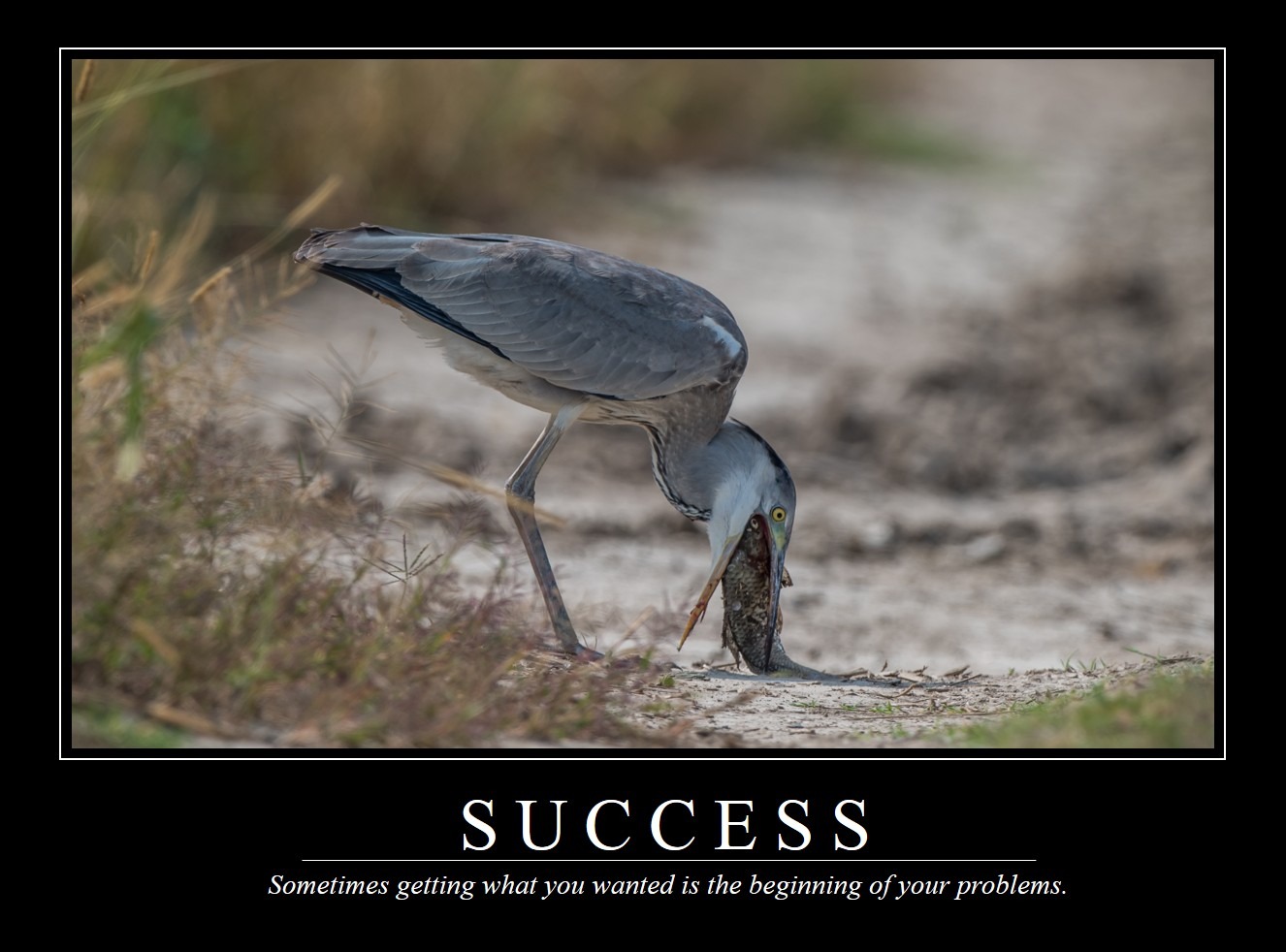
Birds have evolved several clever alternatives to chewing. Many birds swallow their food whole or in large pieces. Raptors like hawks and owls tear prey apart using sharp beaks and strong talons. Waterfowl often strain or scoop food from water, while seed-eating birds crack shells open with powerful beaks.
Once the food is swallowed, it enters the bird’s digestive system, which does some heavy lifting. Most birds have a specialized organ called a gizzard, a muscular part of the stomach. The gizzard grinds food mechanically, often with the help of small stones or grit that the bird intentionally swallows. This grinding action serves the same purpose as chewing teeth in mammals.

In other words, birds outsourced their chewing from the mouth to the stomach.
But wait—did birds ever have teeth?
Yes. And this is where things get really fascinating.
Although modern birds are toothless, their ancient ancestors definitely had teeth. Birds evolved from theropod dinosaurs, a group that included famous carnivores like Tyrannosaurus rex. These dinosaurs had well-developed, sharp teeth, and early birds inherited this trait.
Fossil evidence shows that some of the earliest birds had real teeth embedded in their jaws. One of the most famous examples is Archaeopteryx, a 150-million-year-old species often described as a transitional form between dinosaurs and birds. Archaeopteryx had feathers and wings—but also jaws lined with teeth.
Later bird species, such as Hesperornis and Ichthyornis, which lived during the age of dinosaurs, also had teeth. These weren’t vague tooth-like bumps; they were proper teeth with enamel and roots.

Why did birds lose their teeth?
If teeth worked perfectly well for early birds, why did modern birds get rid of them?
Scientists think tooth loss in birds was driven by a combination of evolutionary pressures rather than a single cause. One major factor may have been weight reduction. Teeth are heavy, and for animals that rely on flight, every gram matters. Lighter heads could have made flight more efficient and less energetically expensive.
Another possible reason involves developmental speed. Research suggests that producing teeth during embryonic development takes time and energy. Birds that lost teeth may have been able to hatch faster, giving them an advantage in survival, especially in environments with high predation.
There’s also the idea that beaks are simply more versatile. A beak can be reshaped by evolution more easily than teeth, allowing birds to rapidly adapt to new diets and ecological niches. Over millions of years, natural selection favored toothless birds, and eventually, teeth disappeared entirely from the avian lineage.
Do any birds have “almost” teeth?

You might have heard claims that some birds—like geese or penguins—have teeth. In reality, they don’t, but the confusion is understandable.
Some birds have serrated or spiky edges along their beaks or tongues. For example, geese and ducks have ridges called lamellae along their bills, which help them grip vegetation or filter food from water. Penguins have backward-facing spines on their tongues and the roofs of their mouths that help them hold onto slippery fish.
These structures may look tooth-like, but they are made of keratin, not enamel, and they are not true teeth.
Can birds grow teeth again?
Here’s a wild twist: genetically speaking, birds haven’t completely lost the ability to make teeth.
Modern birds still carry dormant genes related to tooth development—leftovers from their dinosaur ancestors. In laboratory experiments, scientists have activated these genes in chicken embryos, causing them to develop tooth-like structures. These experimental “teeth” resemble those of reptiles rather than mammals.
However, this doesn’t mean we’ll see toothy chickens roaming farms anytime soon. These experiments are tightly controlled and purely scientific, aimed at understanding evolution and developmental biology, not creating new kinds of animals.
Still, it’s a powerful reminder that evolution doesn’t erase traits entirely—it often just switches them off.

The surprising exception: the egg tooth
Here is where things become fascinating. Even though birds do not grow true teeth in their jaws, most species briefly possess something called an egg tooth.
An egg tooth is not a real tooth like those of reptiles or mammals. It is a small, sharp, temporary projection made of keratin that forms on the tip of the beak before hatching. Its sole purpose is to help the chick break out of the shell.

Inside the egg, a developing chick is in a tight, enclosed space. When it is ready to hatch, it begins a process called pipping. Using its neck muscles, the chick repeatedly taps and scratches the shell with the egg tooth, gradually creating a crack. Over hours—or sometimes days—the hole widens until the chick can push free.
Shortly after hatching, the egg tooth falls off or is reabsorbed. The chick then continues life with the typical toothless beak of its species. In this way, birds momentarily “have a tooth,” but only as a specialised hatching tool.
Why the egg tooth matters
The egg tooth is a brilliant evolutionary compromise. Birds no longer need heavy, permanent teeth, but embryos still require a way to escape the strong protective shell. Rather than regrowing a full set of dentition, evolution provided a lightweight, disposable solution.
The egg tooth also highlights how challenging hatching can be. From the outside it may look quick, yet it demands enormous effort from the chick. Rest periods between bouts of pipping are common, and parental birds often wait patiently while the young one completes the task on its own. Successfully emerging is the chick’s first great test of strength.
A bird with “tooth” in its name: the Tooth-billed Bowerbird

While no living bird has real teeth, some names can be misleading. A wonderful Australian example is the Tooth-billed Bowerbird (Scenopoeetes dentirostris). Despite the dramatic title, this rainforest species does not have teeth in the mammalian sense.
The name comes from serrations—tiny tooth-like projections—along the edges of the male’s bill. These structures are subtle and are not used for chewing. Instead, they may assist with handling food or with manipulating leaves and other materials.
The Tooth-billed Bowerbird lives in the upland rainforests of north-eastern Australia. Unlike many other bowerbirds that build elaborate stick structures decorated with colourful objects, this species creates a different style of display. The male clears a patch of forest floor and arranges fresh leaves, often turning them so their paler undersides face upward. He maintains this “court” carefully, replacing wilted leaves to keep the presentation attractive to visiting females.
Even with serrated bill edges, the Tooth-billed Bowerbird still relies on the standard avian system of swallowing food and grinding it in the gizzard. The “teeth” are only superficial features, a reminder of how easily language can suggest something that biology does not support.

Final Thoughts
Birds may lack the gleaming dental arrays familiar in mammals and reptiles, but this absence is part of a sophisticated evolutionary story. Shedding heavy teeth helped make flight easier, sped up development, and encouraged new ways of processing food.
In the end, birds do not need teeth. Their success across nearly every environment on Earth, from deserts to oceans to dense rainforests, shows that evolution has already provided everything required.
So the next time you watch a pigeon peck at crumbs or a robin tugging a worm from the soil, remember: behind that smooth, toothless beak lies a long evolutionary story—one that includes sharp dinosaur teeth, experimental chicken embryos, and one of nature’s most elegant redesigns.
No teeth? No problem. Birds figured out another way.

















 English (US) ·
  French (CA) ·