

 7 months ago
166
7 months ago
166
PROTECT YOUR DNA WITH QUANTUM TECHNOLOGY
Orgo-Life the new way to the future Advertising by AdpathwayFour-season shrubs are a garden feature that won’t quit. They flourish when the weather is warm, but continue to provide appeal even as other plants have died back in the cold. This spring, consider planting a few of these to make the garden a lovely place no matter the season.
When we discuss plants that provide interest all year, we’re talking about biennials and perennials. They have a life cycle that lends to consistently captivating arrangements, and they offer another lens through which we understand seasonal change. As they change, they continuously contribute to the garden’s design.
When you’re deciding which perennials to include in your four-season garden, there are several aspects to consider. From flowers to leaf color, and even fruit, we’ll cover those features below, and discuss which plants are the best candidates for a year-round display.
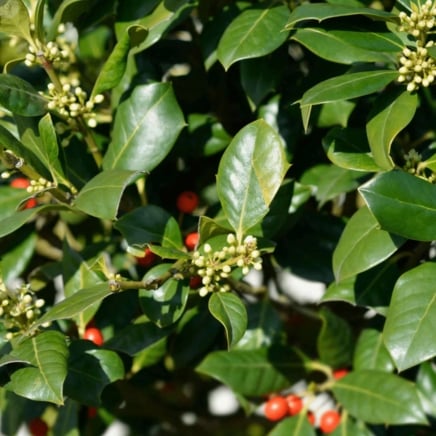
Texas Pink Pomegranate Tree

Texas Pink Pomegranate Tree
Explore Plant Features
 Look for plants that have interest all year long.
 Most plants lauded by the Royal Horticultural Society or the All-America Selections committees have multiple benefits they bring to the garden throughout the year. These plants win awards because they show off as they’re actively growing, and when they’re dormant, too.
When you’re looking for four-season shrubs, look for features like interesting leaf colors in spring or fall. Think about how the shrubs flower, and if they flower for more than one season. Do they produce berries or interesting seed pods after flowers fade? Are they highly suited to your local ecosystem?
These are the questions to ask yourself while you’re on the hunt. If you find a perennial shrub that has a feature you like, compare that to the parameters within your garden. Things like plant height, available space, and soil type should be considered before you purchase a plant.
Similarly, ask yourself how much maintenance you want to do. This prevents loss of plants due to growing them in unsuitable conditions.
Consider Flowers
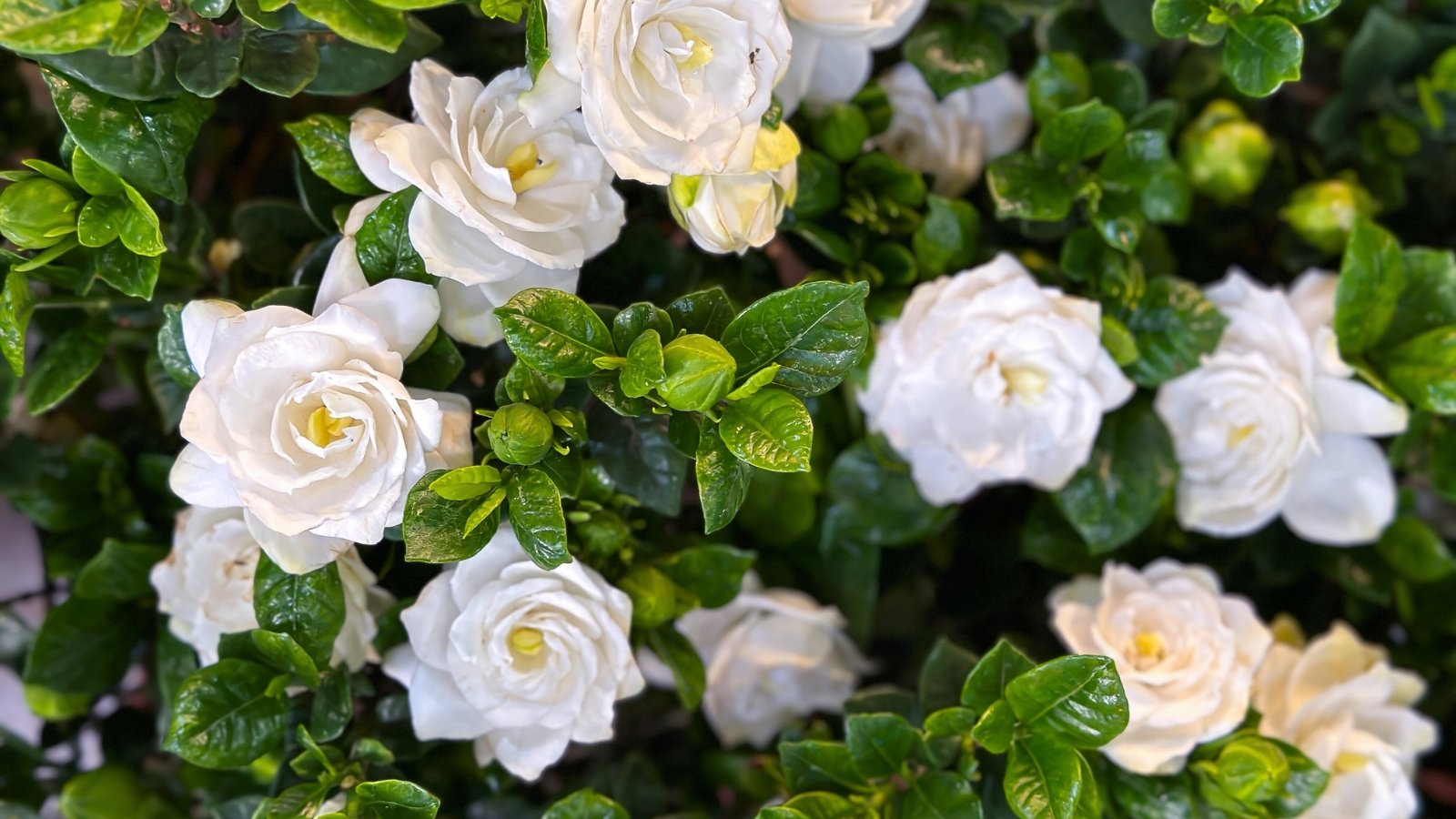 Choose blooms for every season.
 Many deciduous plants lose their leaves in fall, but they make up for it with lovely early spring flowers. Four-season shrubs like flowering quince and forsythia produce brightly colored flowers on bare stems, enlivening the sometimes drab period before spring is fully in swing.
Other plants keep their leaves but flower early in the season. Tree peonies and gardenias bloom early on, providing a display while other plants sleep in winter’s cold embrace. Some shrubs produce interestingly-shaped blooms with supple spring leaves following quickly behind. Fothergilla is one example of this.
While the shape and color of flowers are definitely worth considering, incorporate other senses into the mix! If you appreciate a heavenly scent, grow some lilacs. You’ll be able to enjoy their scent in spring just as everything else is kicking into high gear.
In milder areas, some shrubs bloom in spring and fall. Others bloom for long periods, no matter where they grow. So, bloom timing is an important consideration. When you decide where to place your four-season shrubs, think about what other plants in that same area are doing, and choose plants that fill in when others are dormant.
Examine Structure
 Shape and texture are important year-round.
 The overall form of your chosen four-season shrubs is an important aspect of your garden’s design. The most obvious examples of good year-round shrubs with good structure are various evergreens. These are green all year, and they often provide interesting structure to the garden, cohering design aesthetics either through repetition, or acting as focal points.
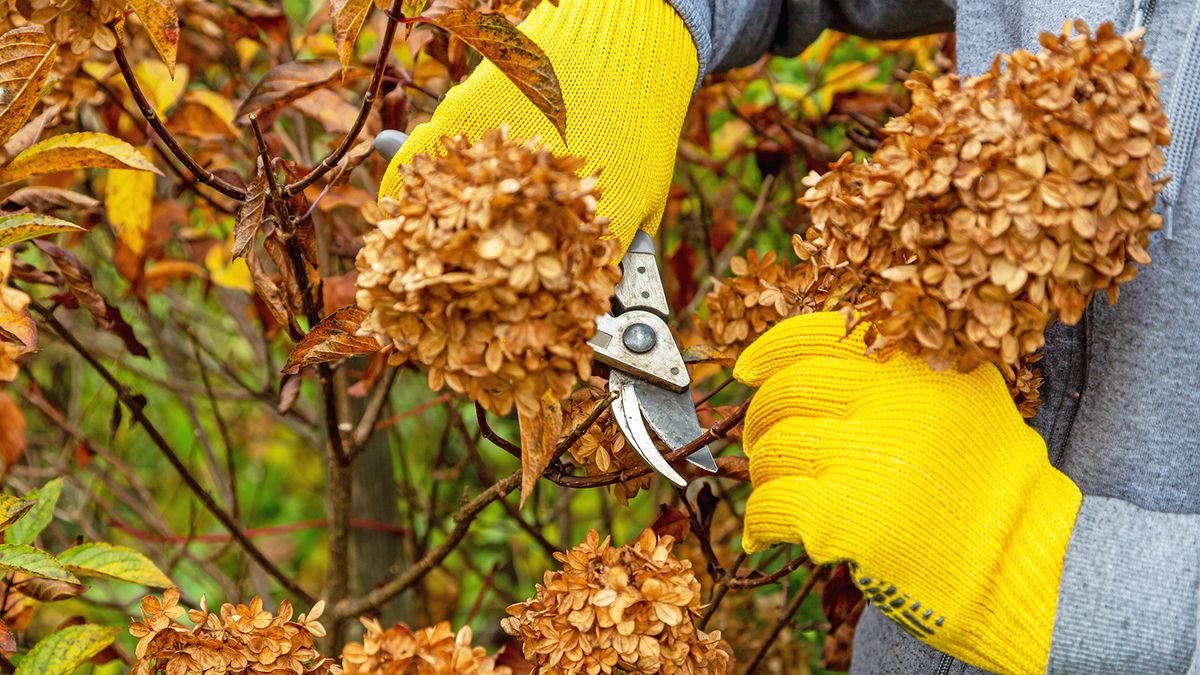
But this doesn’t have to be the end of it. Plants like buttonbushes and hydrangeas lose their leaves in fall, and their flowers fade in the process. Throughout this entry into dormancy, the bush puts on a show. White flowers in summer fade to red in autumn. Leaves fall to the ground, and the shrub’s interesting branches and deep brown, almost black seed pods remain.
In areas where children and pets won’t be, a thorny shrub is a great option. As leaves fall from the plant, more and more of the thorny structure is revealed. These are a great option for a hedge, as they keep out unwanted visitors.
Utilize Edibles
 Edible plants also bring ornamental value.
 Your year-round shrubbery doesn’t have to be purely ornamental. For gardeners who like to reap the fruits of their labor, edibles make it possible to enjoy your garden in more ways than one. Berry shrubs produce flowers and thorny canes. Blueberry bushes have stunning bell-shaped blooms in spring.
Even small peach and cherry trees have beautiful blooms and form throughout the seasons. Serviceberry trees get tall, but they’re a great food source for humans and other animals alike. In fact, many of the fruit and nut-producing four-season shrubs are attractive to animals. That makes them suitable for wildlife gardens just as much as food forests.
The point here is this: don’t relegate your garden solely to one function. Humans have evolved with and among plants for millennia, and they have offered much to our well-being. Your garden can do that for you.

Four Season Shrubs
Now that we’ve covered what to look for, let’s outline a few of the shrubs you can plant in your garden for interest all year long. These are by no means the full gamut of what you can plant, but they’ll give you a good launching point.
Nellie Stevens Holly
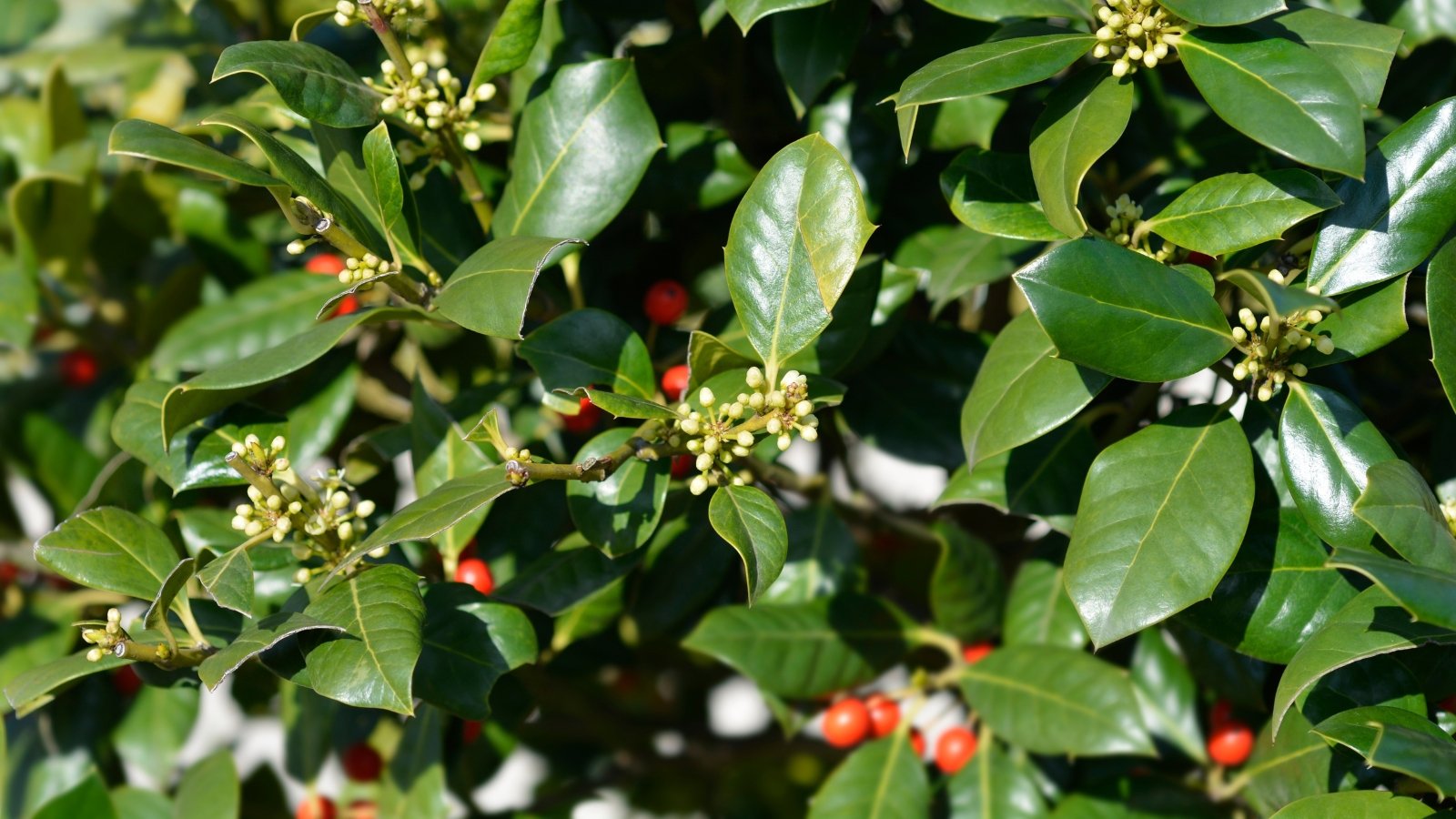 The red berries add a pop of color to winter gardens.
 This holly shrub provides gardens with deep green, prickly leaves all year and produces bright red berries in winter. It’s beloved for its ability to fill in areas as a hedge or single specimen. Birds love it too, as it’s a good food source for them in winter.
Gardeners who don’t want to do a lot of maintenance should take note of this one. It thrives on a little neglect and doesn’t require pruning, though it certainly can be shaped and pruned as needed.
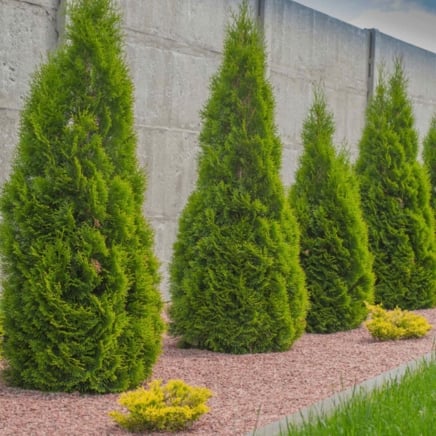
Emerald Green Arborvitae
 Use these plants to add structure to gardens.
 For a hedge of evergreen needles that turn slightly in autumn, ‘Emerald Green’ arborvitae does the job with ease. This small tree works in large plantings and in small spaces. It adapts to different types of soil, and it’s fairly cold-hardy with a wide range across North America.
You don’t need to prune your tree unless it has dead, diseased, or damaged branches. Otherwise, care is minimal. A little fertilizer worked into the soil in spring is enough support.
Texas Pink Pomegranate
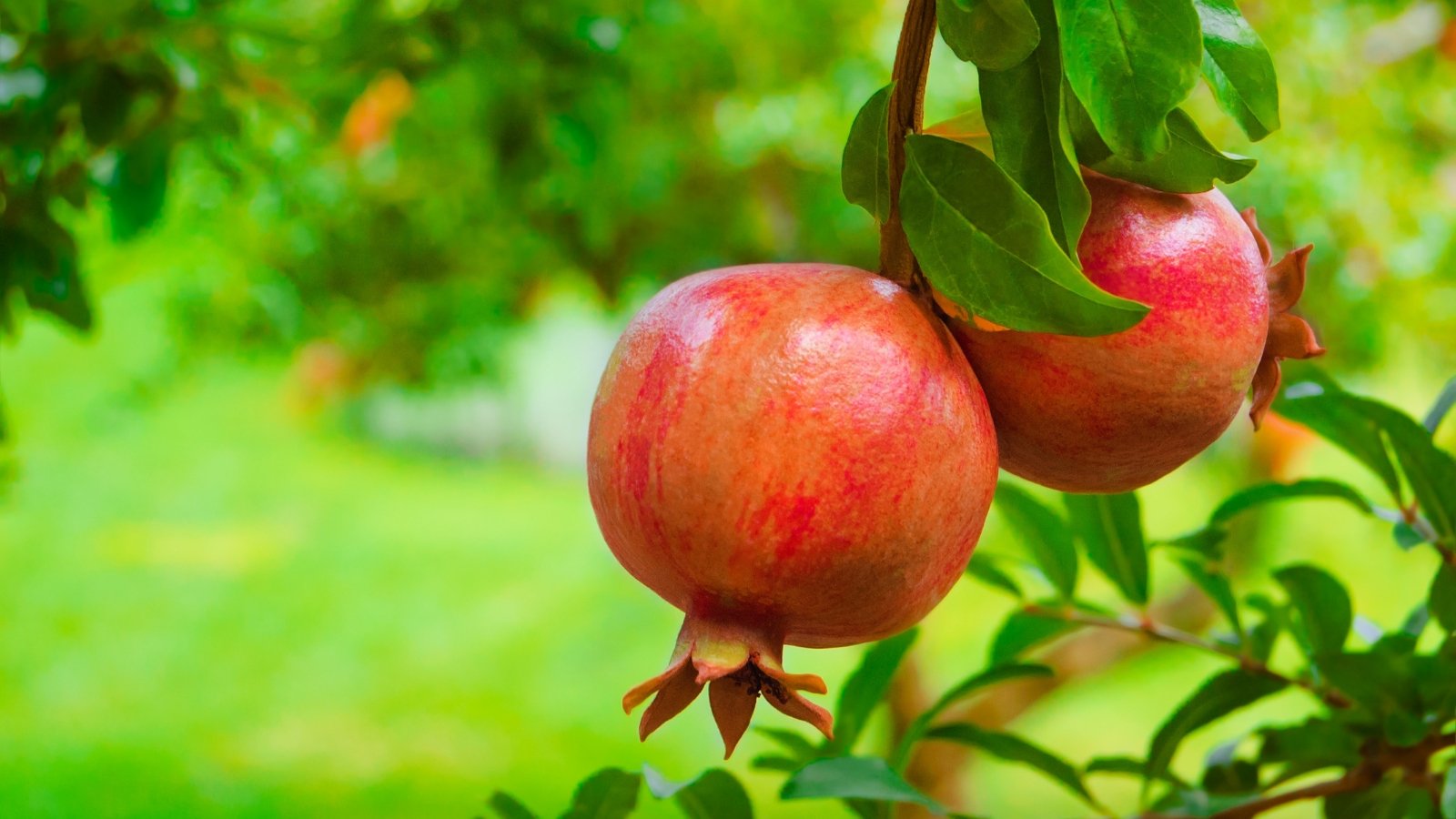 The fruits are both delicious and ornamental.
 This pomegranate is a smaller shrub-like tree that produces beautiful autumnal harvests. ‘Texas Pink’ is perfect in areas where frost is limited. If you live outside zones 7 through 11, grow yours in a container. Then watch its lovely green leaves, followed by orange bell-shaped flowers, turn into luscious rosey pomegranates.
For maximum productivity, try a hedge of pomegranates. This will not only delight your taste buds, but it will also invite hummingbirds to your garden, enlivening the spring and summer seasons.
Virginia Sweetspire
 This North American native shelters wildlife.
 This semi-evergreen shrub is native to the eastern portions of North America. It’s mid-sized, with gracefully arching branches that produce lovely white hanging flower spikes in spring and summer. These fade in fall, and brown seed capsules remain.
In areas where it’s very cold, this is a deciduous four-season shrub, but the show of maroon and orange leaves occurs no matter where it’s planted. The entire plant feeds and shelters wildlife of all kinds. It’s also fire-resistant, which is important for gardeners in fire-prone areas.
















 English (US) ·
  French (CA) ·