

PROTECT YOUR DNA WITH QUANTUM TECHNOLOGY
Orgo-Life the new way to the future Advertising by AdpathwayWhen a snowstorm sweeps in, most of us hurry indoors. But what about birds?
During blizzards, freezing winds, and heavy snow, birds don’t migrate, burrow, or hibernate. Instead, they rely on an astonishing mix of instinct, biology, and winter survival strategies that allow them to withstand conditions that would freeze most animals.
Here’s exactly where birds go during snowstorms, how they stay alive, and what you might see in your backyard during the next winter blast.
Quick Facts: How Birds Survive Snowstorms
-
Birds hide in dense evergreens, shrubs, tree cavities, or human structures
-
Many species huddle together to share body heat
-
They enter torpor, a nightly mini-hibernation, to conserve energy
-
Birds fluff their feathers to trap warm air increasing insulation
-
They forage intensely before a storm to build fat reserves
-
Window ledges and backyard shelters become crucial hiding spots
-
Some birds stay perfectly still for hours to preserve energy

1. Birds Shelter Deep Inside Evergreens
When snow begins to fall, birds disappear into conifer trees pine, spruce, and fir because:
-
Snow doesn’t penetrate deep inside
-
Wind is dramatically reduced
-
Thick needles provide excellent insulation
-
Branches create hundreds of dry micro-cavities
Evergreens are the #1 shelter for winter birds during storms.
2. Tree Cavities and Old Woodpecker Holes Become Life-Saving Shelters
Woodpecker holes, knotholes, and natural cavities are prime storm refuges. These cavities:
-
trap warm air
-
block wind
-
stay significantly warmer than open air
-
protect birds from freezing rain
Species like chickadees, nuthatches, wrens, and bluebirds rely on cavities every winter storm.
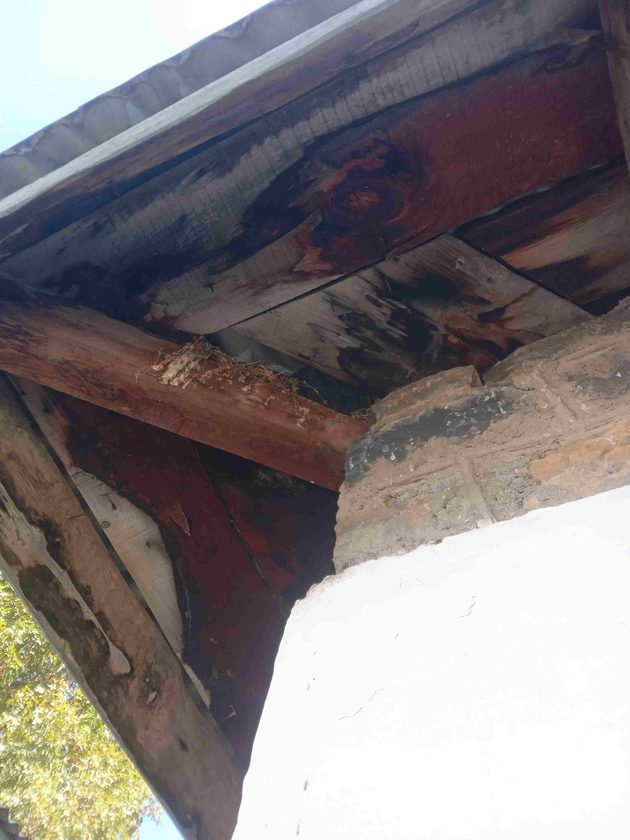
3. Birds Use Man-Made Structures More Than You Realize

During blizzards, your home becomes part of their winter survival toolkit. Birds shelter in:
-
under eaves
-
inside porch corners
-
between fence gaps
-
inside open sheds or barns
-
behind shutters
-
under decks
-
inside wreaths
Small birds squeeze into gaps barely wider than a few inches.
4. Some Birds Stay Completely Still to Conserve Energy
During the worst part of a snowstorm, birds enter “energy lockdown”:
-
reducing movement
-
lowering body temperature
-
sitting motionless for hours
-
conserving every calorie
Movement wastes precious heat and energy, so “freezing in place” is an evolutionary survival tactic.
5. Birds Enter Torpor to Survive the Coldest Nights
Torpor is a controlled drop in body temperature and metabolic rate. It’s like a temporary mini-hibernation. During torpor:
-
heart rate plummets
-
oxygen use decreases
-
energy requirements drop dramatically
Chickadees, nuthatches, hummingbirds, and some wrens use torpor to survive long winter storms.
6. Many Birds Huddle Together in Groups
Group roosting boosts survival:
-
shared body heat
-
lower individual energy output
-
wind protection
-
collective vigilance
Bluebirds, waxwings, finches, titmice, and sparrows often huddle in groups of 6–20 birds in the same cavity or evergreen.
7. Backyard Birds Often Shelter Close to Feeders
Before a storm, backyard birds enter hyper-feeding mode: they eat aggressively to store fat. During the storm, they stay close to:
-
feeders
-
dense shrubs
-
brush piles
-
hedges
-
conifers
If you watch closely, you might see birds dart out briefly to grab quick bites before retreating back into shelter.
8. Larger Birds Use Windbreaks and Terrain
Hawks, owls, jays, and woodpeckers hide in:
-
the leeward side of trees
-
cliff faces
-
ravines
-
snow-free hollows
-
sheltered forest edges
They avoid open areas where wind and snow are strongest.
9. What Birds Do After the Storm

As soon as the snow eases, birds reappear quickly. You may see:
-
frantic feeding (storm recovery)
-
mixed-species flocks instead of single species
-
birds foraging on plowed driveways
-
juncos and sparrows feeding on exposed ground
-
hawks hunting storm-weakened prey
Sunlight after a blizzard triggers a feeding frenzy that can last hours.
How You Can Help Birds During Snowstorms
Keep feeders stocked
High-energy foods help birds survive cold snaps:
-
suet
-
peanuts
-
sunflower seed
-
nyjer seed
Provide shelter
The best easy shelters:
-
evergreen shrubs
-
brush piles
-
roosting boxes
-
old Christmas trees placed outside
Provide liquid water – A heated birdbath can be a literal life-saver.
Reduce disturbance – Avoid flushing birds from shelter they need every calorie.
Snowstorm Bird Survival FAQ
Where do birds sleep during a snowstorm?
Mostly in dense evergreens, tree cavities, brush piles, and sheltered man-made structures.
How do small birds avoid freezing?
Feather insulation, fat reserves, torpor, huddling, and strategic sheltering.
Do storms kill birds?
Severe storms can, especially if food sources are scarce or ice forms on feathers. But most species have evolved excellent survival strategies.
Why do birds vanish right before a storm?
They feed heavily, then retreat into shelter hours before the worst weather arrives.
Do birds sense when a storm is coming?
Yes — drops in air pressure and temperature trigger feeding and sheltering instincts.
Final Thoughts
Snowstorms are a harsh test for winter birds, but their survival strategies are nothing short of extraordinary. From torpor to huddling to finding perfect micro-shelters, birds are built to endure even the fiercest blizzards.
The next time a winter storm hits, keep a lookout you may be surprised by how many birds are quietly sheltering in your own backyard.

















 English (US) ·
  French (CA) ·