

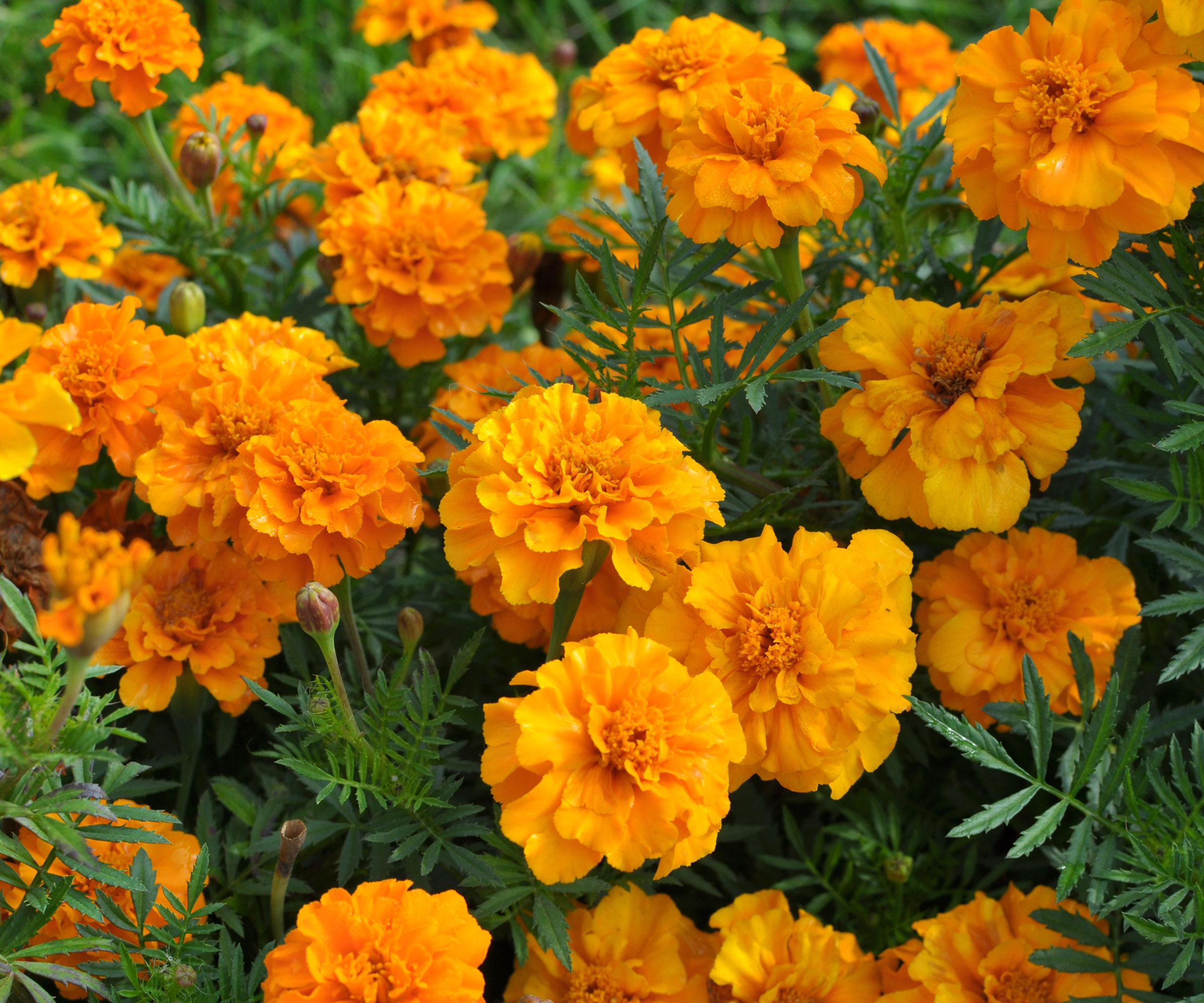
If you asked me to name the hardest-working flower in the summer garden, I wouldn't even have to think about it. It would be marigolds.
Sure, they're cheerful (it's impossible not to smile at those sunshine-yellow, fiery orange, and deep gold blooms), but marigolds are also one of those rare plants that seem to excel at just about everything. They're super easy to grow, shrug off blazing summer heat, keep blooming for months on end, and happily slot into vegetable patches, cottage gardens, containers, and borders without ever looking out of place.
Honestly, I probably associate marigolds just as much with early fall as I do with summer. While plenty of annuals begin to fade when the weather turns hot or the season starts winding down, marigolds simply keep going.
(Image credit: Orest lyzhechka / Shutterstock)
Marigolds also happen to be fantastic companion plants, attracting bees, butterflies, and other beneficial insects while being widely believed by gardeners to help discourage certain garden pests – including squirrels. (Results may vary depending on your local squirrel population!)
Their resilience and long bloom season have made them a staple in American gardens for generations, too, and if their résumé ended there, I'd already be sold. But new research from the University of Georgia suggests these humble flowers have another remarkable talent hiding in plain sight... and it could change the way we think about them altogether.
Marigolds Have a Surprising Superpower, Scientists Say
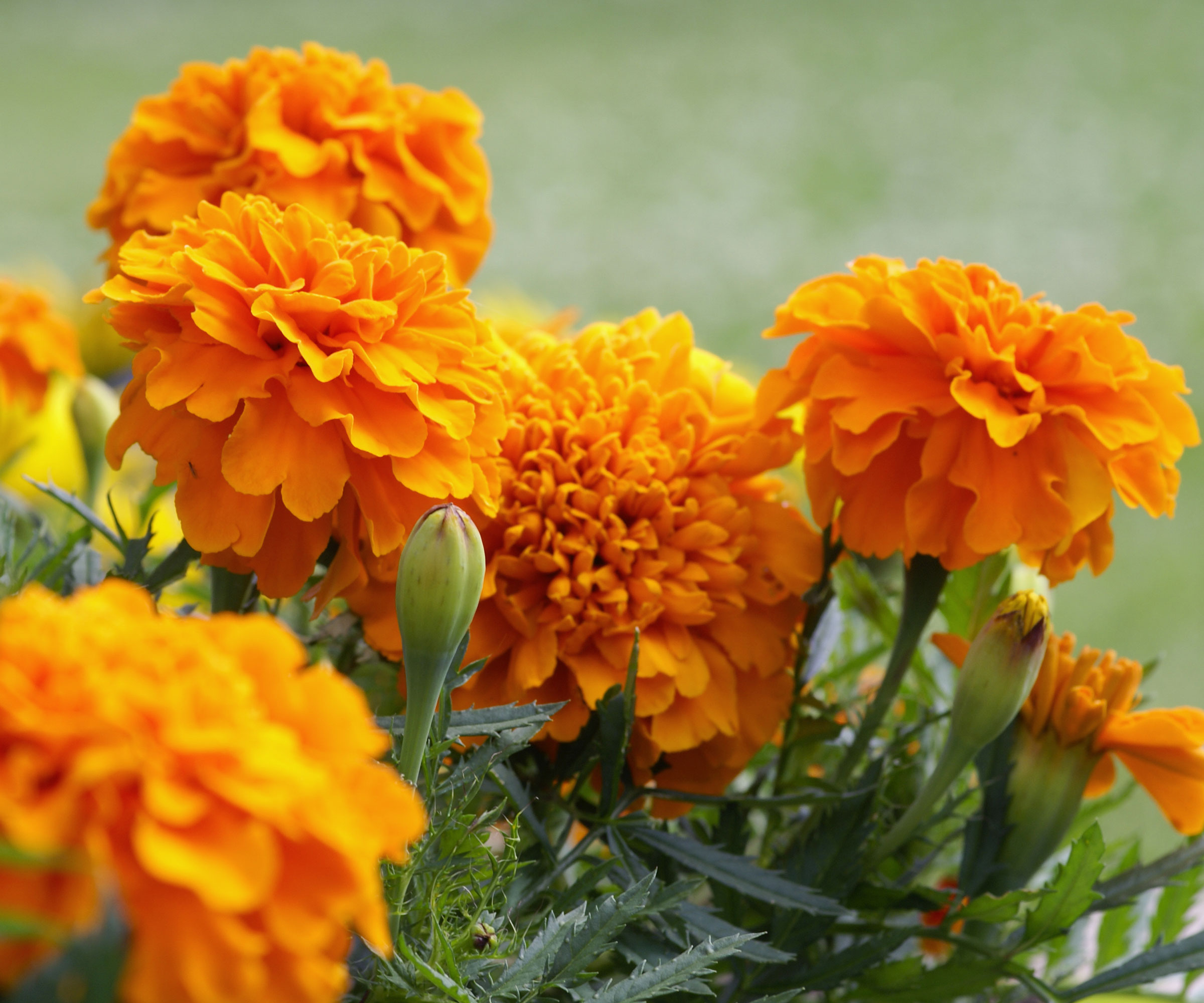
Researchers at the University of Georgia recently discovered that a single marigold flower contains roughly the same amount of protein as a cup of quinoa, alongside antioxidants, dietary fiber, and essential minerals including calcium, potassium, and iron.
Even more intriguingly, proteins extracted from marigolds remained stable at high temperatures and showed properties that could make them useful in future food products, from baked goods to salad dressings.
(Image credit: Schnuddel / Getty Images)
Rather than encouraging everyone to start snacking on their flower beds, the researchers see marigolds as a promising sustainable ingredient for the future. Billions of dollars' worth of ornamental flowers are discarded every year, and finding new ways to use them could help reduce waste while meeting growing demand for plant-based protein.
"What excites me most about this research is that it challenges how we think about flowers," said Fidele Benimana, a doctoral student involved in the study. "Most people see marigolds as ornamental plants, but they also contain proteins with unique functional properties that could be useful in food formulation."
Which Marigolds Are Safe To Eat?
Only certain kinds of marigolds are safe to eat. The University of Georgia researchers studied Calendula officinalis, commonly known as pot marigold, an edible flower that's long been used in teas, soups, salads, and herbal remedies.
The petals have a slightly peppery, citrus-like flavor, while the stems and leaves tend to be much more bitter. The researchers also note that some Tagetes marigolds are edible, but not every ornamental variety is suitable for eating. Which brings me to another important point: if you're planning to grow edible flowers, don't use blooms from garden centers.
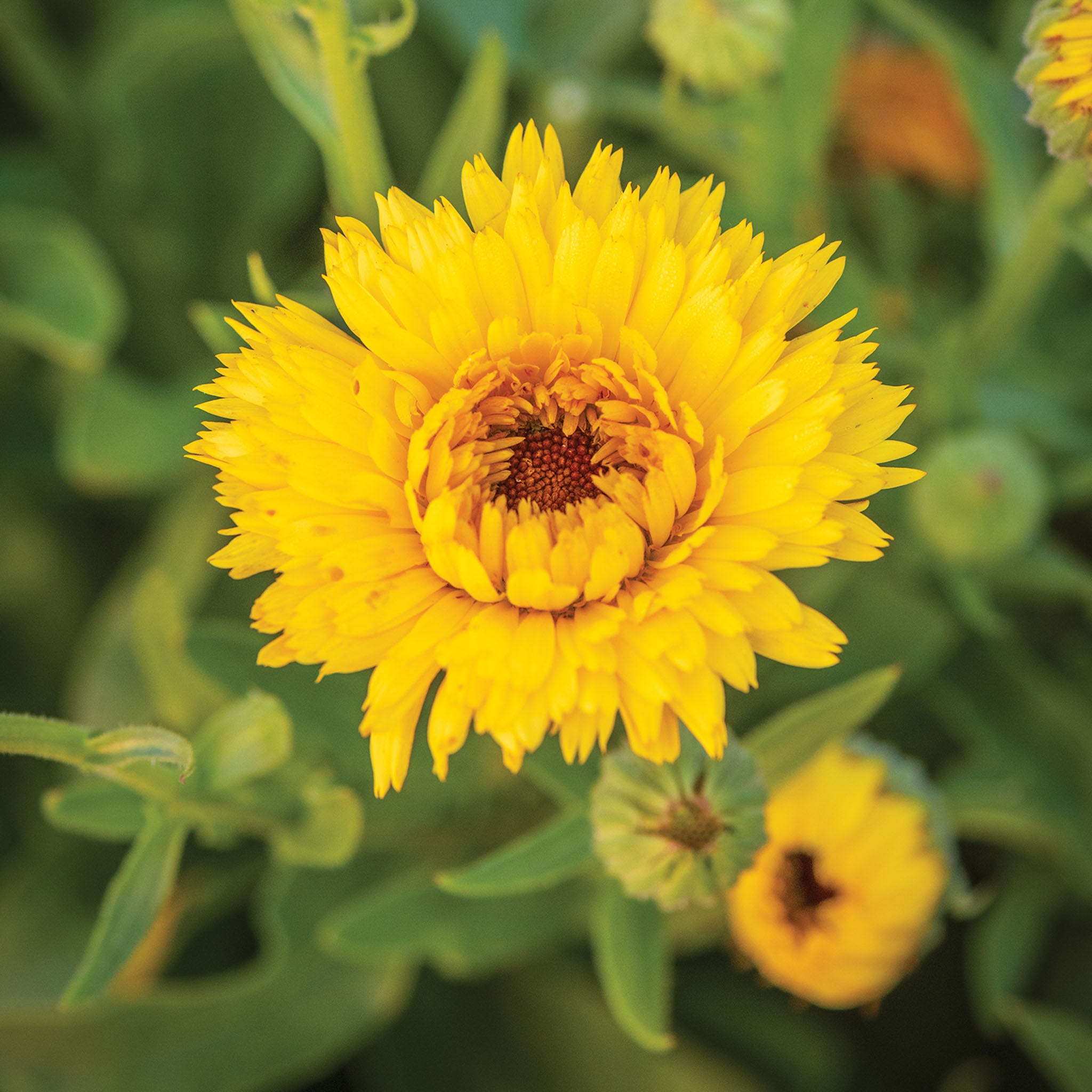
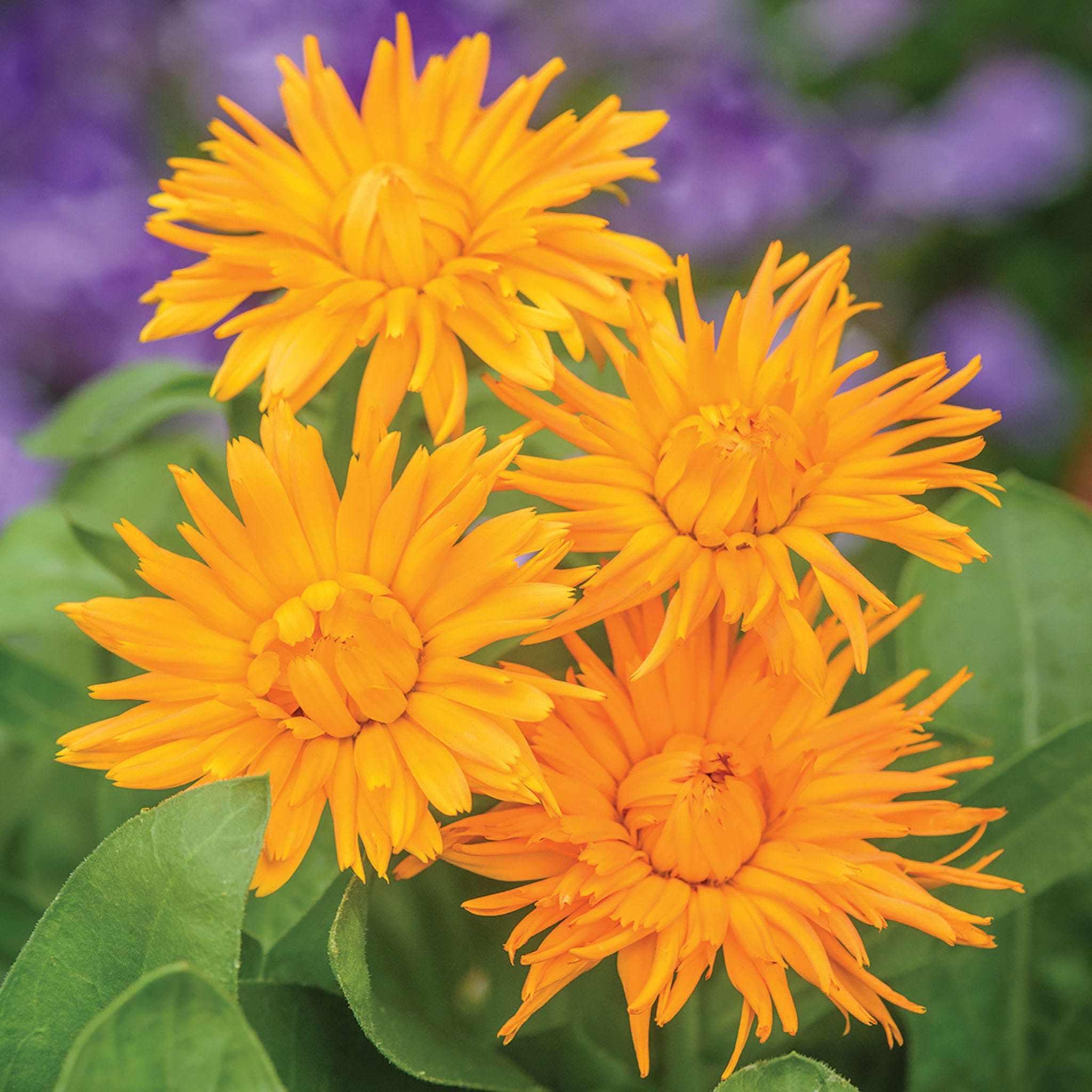
Why? Well, many ornamental plants may have been treated with pesticides or other chemicals that aren't intended for food crops. Instead, grow edible varieties yourself from seed or buy plants specifically sold for culinary use; we rate the Calexis Yellow Calendula Seeds from Burpee (or, if you prefer a flame-colored hue, the Calexis Orange Calendula Seeds).
Shop Edible Flower Seeds:
Burpee
Calexis Yellow Calendula Seeds
Calendula marigolds make pretty border plants and they are safe to eat. We love this yellow variety!
Organo Republic
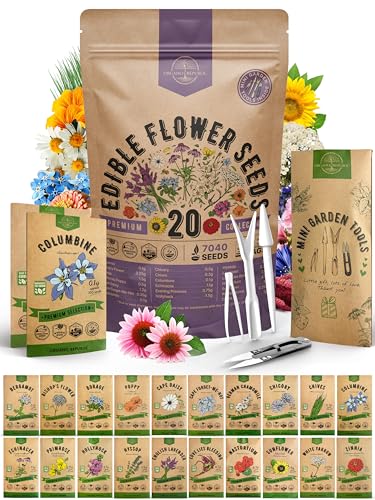
20 Edible Flower Seeds Variety Pack
From borage to chives, nasturtiums to sunflowers, thus bumper seed pack contains 20 different types of edible flowers.
Burpee
Calexis Orange Calendula Seeds
This calendula marigold is almost too pretty to eat, isn't it? Thankfully, if you overcome that barrier, you can!
All that being said, even if marigolds never become the next big superfood, I don't think they'll be leaving my garden anytime soon. How many other flowers can brighten borders for months, thrive through the hottest days of summer, welcome pollinators into the garden, and be so easy to grow, right?
The idea that these familiar blooms could also one day contribute to more sustainable food systems is just an added bonus. If only because it's proven once and for all that you should never underestimate a humble favorite.

















 English (US) ·
  French (CA) ·