

 6 hours ago
2
6 hours ago
2
PROTECT YOUR DNA WITH QUANTUM TECHNOLOGY
Orgo-Life the new way to the future Advertising by AdpathwayCommon microplastics can spontaneously produce highly reactive, potentially damaging molecules simply by sitting in water, according to a laboratory study published Oct. 14 in Nature. The finding challenges the long-held assumption that plastic particles are chemically inert.
Researchers at Columbia University and the University of California, Berkeley found that the surfaces of everyday plastics generate hydroxyl radicals, a reactive form of oxygen, at the boundary where plastic meets water. The reaction happened at room temperature and largely in the dark, separate from the sunlight-driven breakdown that scientists already knew about.
The result matters because microplastics are everywhere people get water, and in the water itself. They have turned up in rivers, oceans, drinking water, food and human tissue, and this study offers one possible chemical route by which they could cause harm, although it has not yet been shown outside the lab.
Six Common Plastics, One Surprising Reaction
The team tested six widely used plastics: polypropylene, polyethylene, polystyrene, polyvinyl chloride, polyethylene terephthalate and acrylic. Polystyrene, used in foam packaging and disposable cups, received the most detailed study. The paper defines microplastics as particles smaller than 5 millimeters, about the size of a pencil eraser, and many in the environment are far smaller.
To confirm the radicals were real, the team used two independent detection methods, including a chemical trap analyzed by electron spin resonance and a fluorescent probe that lights up in the presence of hydroxyl radicals. Both pointed to the same reactive species.
All showed the effect to varying degrees. The more water-repellent a plastic's surface, the more radicals it produced, a relationship the authors linked to the electrical charge that builds where plastic and water meet. Computer simulations from Berkeley chemist Teresa Head-Gordon's lab suggested that this interface makes it easier for hydroxide ions in water to give up electrons and form hydroxyl radicals.
The researchers estimated a minimum production rate of roughly 0.1 to 1 nanomolar per minute. In one test, polystyrene particles broke down about 90% of a dye in water over 10 days.
Postdoctoral researcher Naixin Qian, who helped lead the work, said in a Columbia University release that the radicals are "textbook examples of the kinds of molecules that can damage animal and human tissue."
Damage Seen in Proteins and Blood Cells in the Lab
The team tested whether the radicals could affect biological material. In lab dishes, plastics that produced more radicals also caused more damage to mouse red blood cells and promoted clumping of a test protein, lysozyme. Adding caffeine, which mops up radicals, was used as a check on the mechanism.
The correlation with blood-cell damage was moderately strong across plastics, while the link to protein clumping was weaker. These were short in vitro experiments, not studies of living animals or people.
Columbia chemist Wei Min, the senior author, said the radicals very likely contribute to biological damage, and Columbia geochemist Beizhan Yan described the work as foundational, a potential pathway for understanding health effects rather than proof of harm.
Limits of Fresh Powder in a Beaker
Several limits shape how far the results go. The team used commercial plastic powders, not weathered particles collected from rivers, beaches, or tap water, and environmental aging can change a plastic's surface chemistry. The production rate is a lower-bound estimate, and the number of plastics tested was small.
The study also did not measure radical production in real water bodies or in the human body. It identifies a mechanism and shows it can damage biological molecules in a dish, but it does not show that microplastic levels people encounter cause measurable harm.
Health studies linking microplastic exposure to conditions such as heart disease have been reported in recent years, but those are associations, and this study does not establish that radicals explain them. Medical follow-up is beyond its scope, and readers should treat claims that this study proves microplastics cause disease as an overstatement.
Water, Wildlife and What Households Can Do
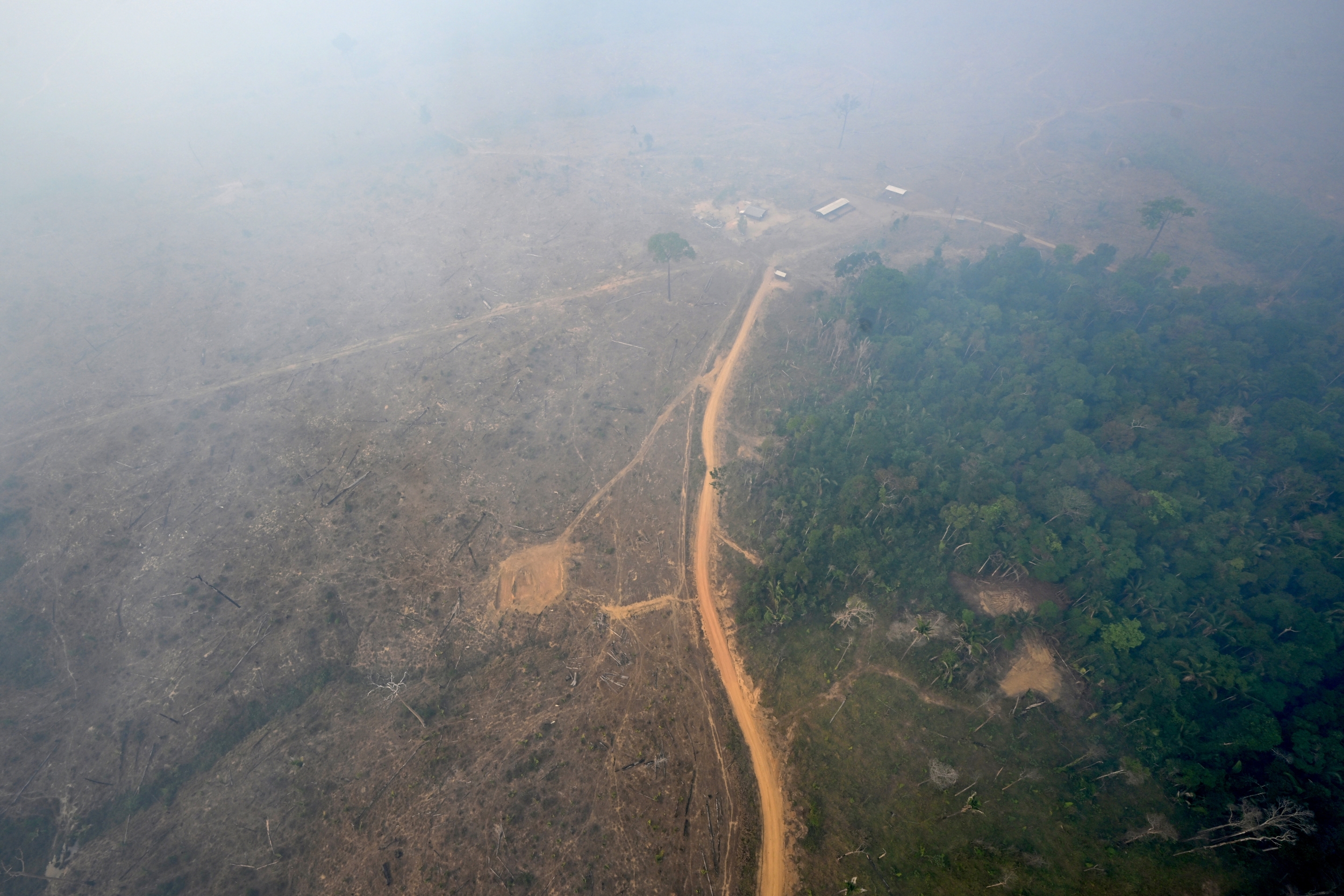
For the environment, the finding raises new questions. Hydroxyl radicals are among the most reactive chemicals in nature, and the authors suggest microplastic surfaces could speed up the aging of plastics and transform other pollutants that stick to them. That could matter in rivers, lakes and coastal waters where microplastics accumulate, from urban runoff channels to the sediments of large estuaries. Whether the reaction proceeds at meaningful rates in cold, salty or murky natural waters has not been tested.
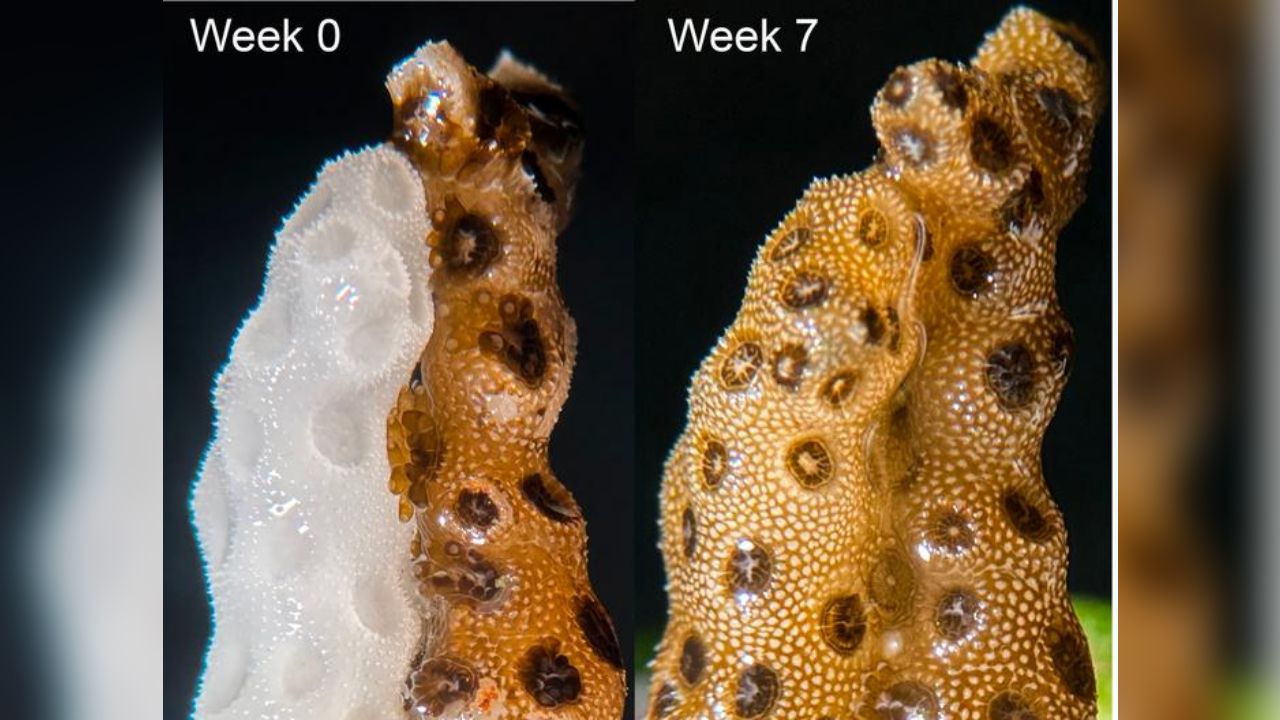
The U.S. Environmental Protection Agency describes microplastics research as still developing. Its microplastics research program is working on standard methods to sample and identify the particles in water and sediment, including monitoring in the Chesapeake Bay, and on their effects on cells, coral, and fish.
There are no federal drinking water limits for microplastics, and this study does not change any official guidance. Households concerned about exposure can take modest steps that reduce contact with plastic overall, such as avoiding heating food in plastic containers, using glass or stainless steel bottles, and choosing water filters certified to reduce fine particles. Readers should be wary of products marketed as removing all microplastics without independent certification.
The researchers also see a design angle. Because the reaction depends on surface properties, plastics could potentially be engineered to be less reactive, an idea Head-Gordon's group raised in the Columbia release.
The next steps are testing weathered environmental particles and living organisms. Nature World News will report on follow-up studies as they appear.
The takeaway is that microplastics may be more chemically active than assumed, but the lab finding is a first step. It points to a mechanism worth studying in real water and real bodies before concluding everyday risk.
What Readers Want to Know
What did the microplastics study find?
Common microplastics produced reactive hydroxyl radicals at their surface when placed in water, even at room temperature and in the dark.
Which plastics were tested?
Polypropylene, polyethylene, polystyrene, PVC, PET, and acrylic. Polystyrene was studied in the most detail.
Does this mean microplastics in my water are harming me?
Not yet established. The experiments used fresh plastic powders in the lab and did not measure effects in people or real water bodies.
Why are hydroxyl radicals a concern?
They are highly reactive and can damage proteins, cell membranes, and DNA. In lab tests, more reactive plastics caused more damage to mouse red blood cells.
Are there legal limits on microplastics in drinking water?
There are no federal U.S. drinking water limits for microplastics. The EPA is still developing standard measurement methods.
How can I reduce microplastic exposure?
Avoid heating food in plastic, use glass or stainless steel containers, and consider water filters independently certified to reduce fine particles.
© 2026 NatureWorldNews.com All rights reserved. Do not reproduce without permission.

















 English (US) ·
  French (CA) ·