

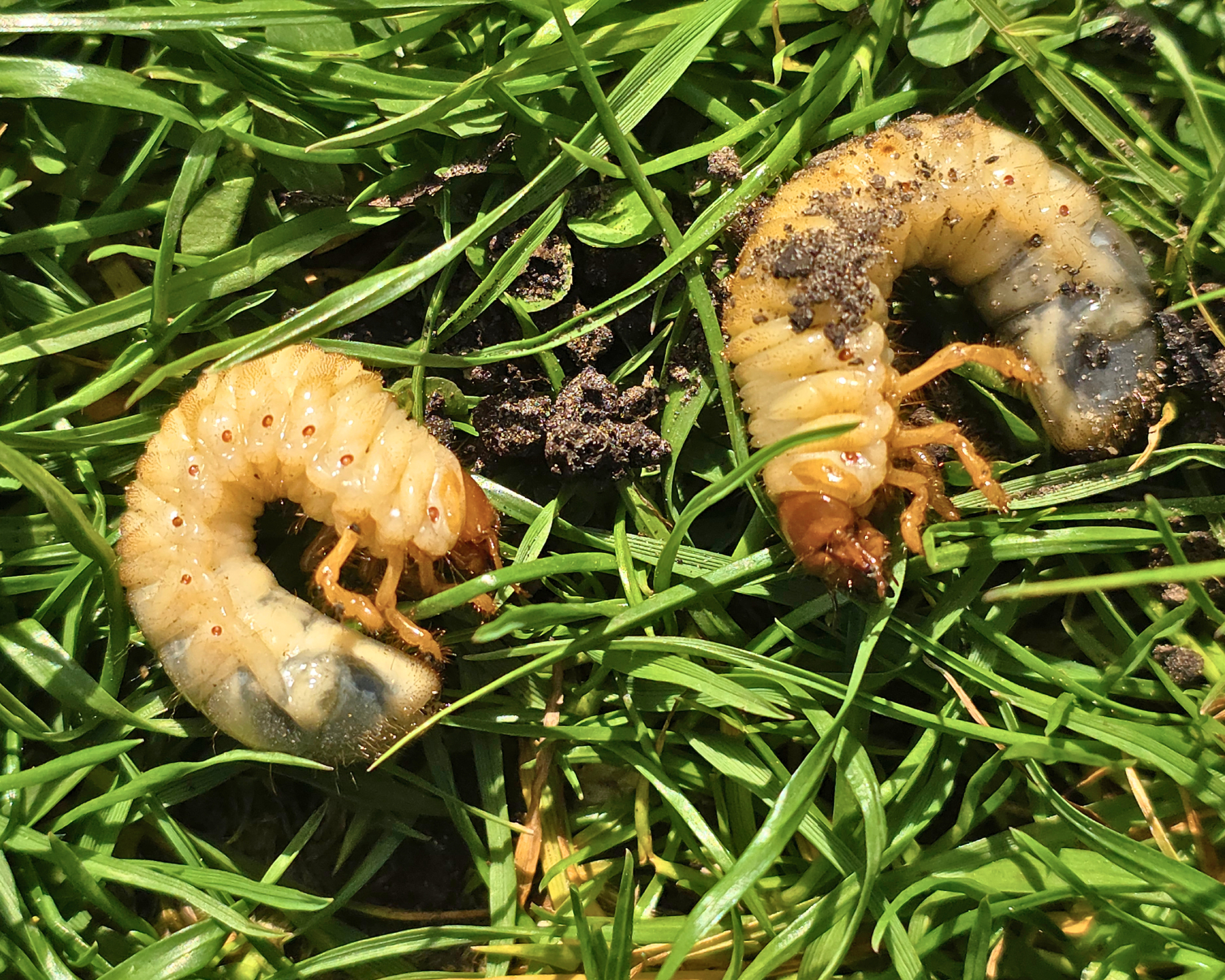
Following a hot, dry summer, lawn-destroying chafer grubs are a big problem this year so if your yard has any patches of brown or discolored grass, check these common garden pests aren't the cause. The sweltering El Niño weather followed by late-season rain has led to a sharp surge in numbers of these plump white C-shaped grubs that feed on grass roots, spelling disaster for many gardens. While grub worms are easy to treat right now, by mid-October the larvae will begin burrowing deeper into the ground, making them far harder to eradicate.
But don’t fret: as part of our Garden ER series, we’re here with straightforward solutions to treat this season’s biggest backyard problems, including this common lawn pest.
Take swift action with this straightforward five-minute test and the prognosis for your lawn is excellent. Ignore those dead patches of grass, however, and your lawn could be in serious trouble, so this quick check is a vital part of September lawn care. Come on in to Garden ER and let’s diagnose and treat your lawn.
(Image credit: Getty Images)
Why Chafer Grubs are a Big Problem This Year
In a typical summer, you probably won’t even notice that chafer grubs are living in the soil beneath your lawn. Healthy grass will grow new roots just as fast as a small population of grubs eat them, so all’s well.
However, a hot, dry summer changes everything. For a start, drought-stressed grass struggles to grow roots at a pace to keep up with damage, which means a lawn can fail with far fewer grubs per square foot. During drought conditions, gardeners’ lawns can become magnets for chafer grubs, leading to higher concentrations, too. The adult beetles who lay the eggs that hatch into these larvae need soft, moist soil to burrow into, which means they prefer irrigated lawns – and even if you didn’t routinely water grass through summer, keeping borders hydrated inevitably means some lawn areas get more moisture than in many of your neighbors' less looked-after yards.
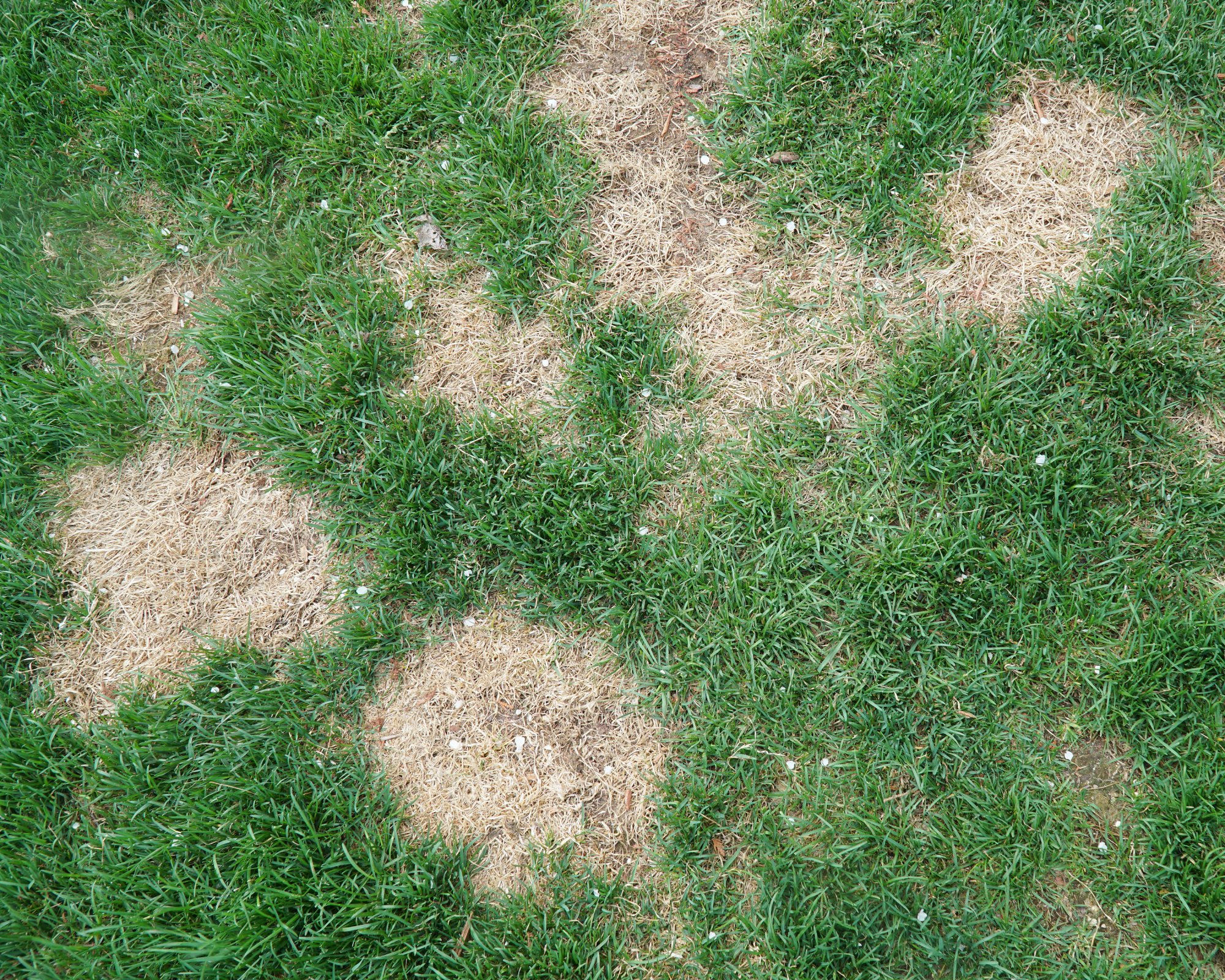
Brown, drought-stressed or dormant grass also masks the damage caused by white grubs. If your lawn is already looking pretty crispy, you’re unlikely to spot the discoloration that's an early sign of a grub worm infestation. And now late-season rain has arrived, grubs that burrowed deeper to find moisture in summer have all migrated upwards to feast on roots, causing catastrophic damage to grass.
(Image credit: Getty Images)
Triage: Carry Out a Simple Test for Grub Worms
In a typical year, the tell-tale signs of a white grub infestation are patches of dead, brown grass in your lawn. Grass that has discolored because it’s gone dormant during a drought period will quickly bounce back to green once rain returns. Grass that's discolored because it's had its roots gobbled up by grubs won't recover, so if you’ve still got any bare or brown patches in your lawn in September, you should test for chafer grubs.
First, grab a good handful of discolored grass and tug. If grub worms have eaten the roots, the blades will easily pull away from the ground.
(Image credit: Getty Images)
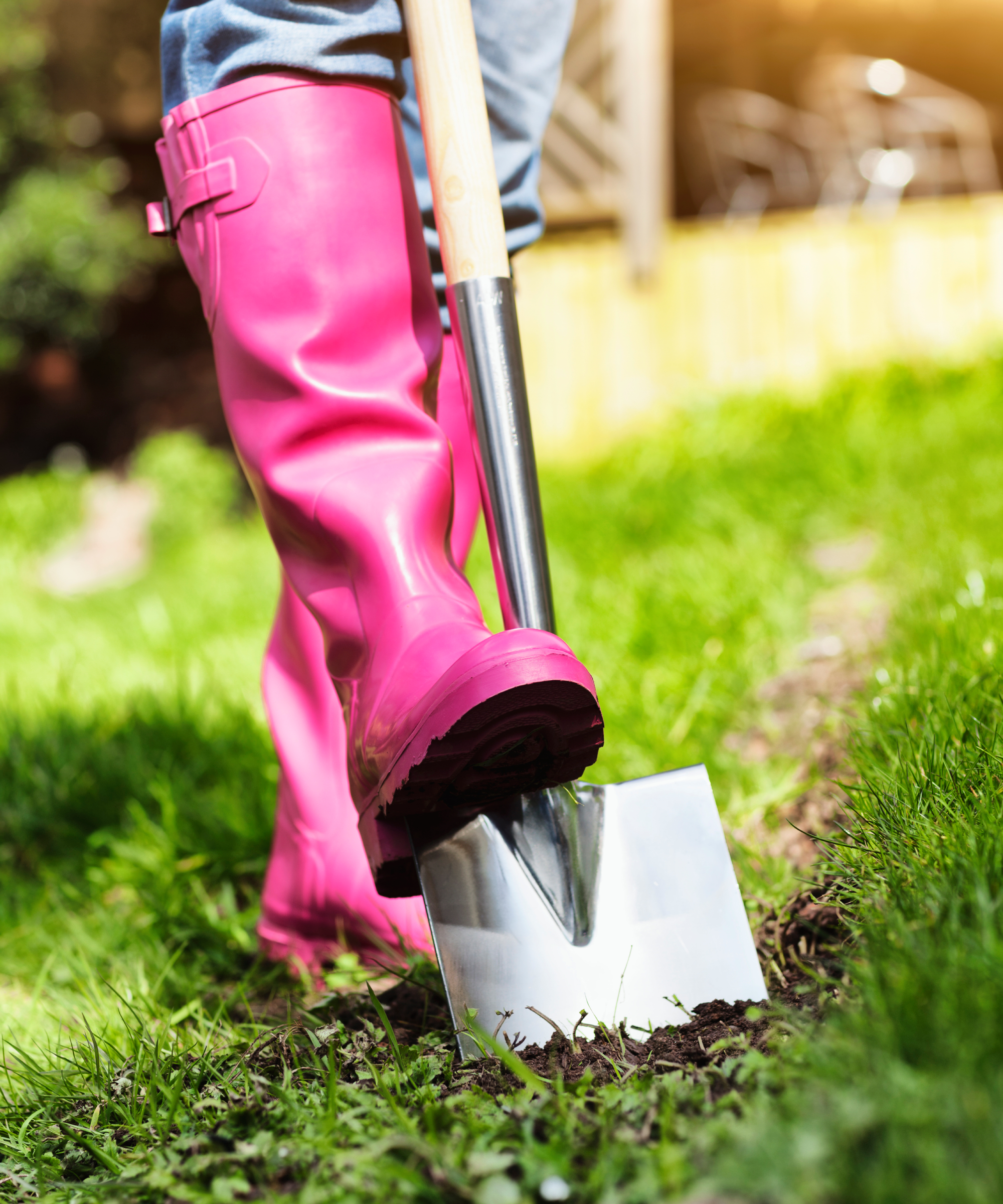
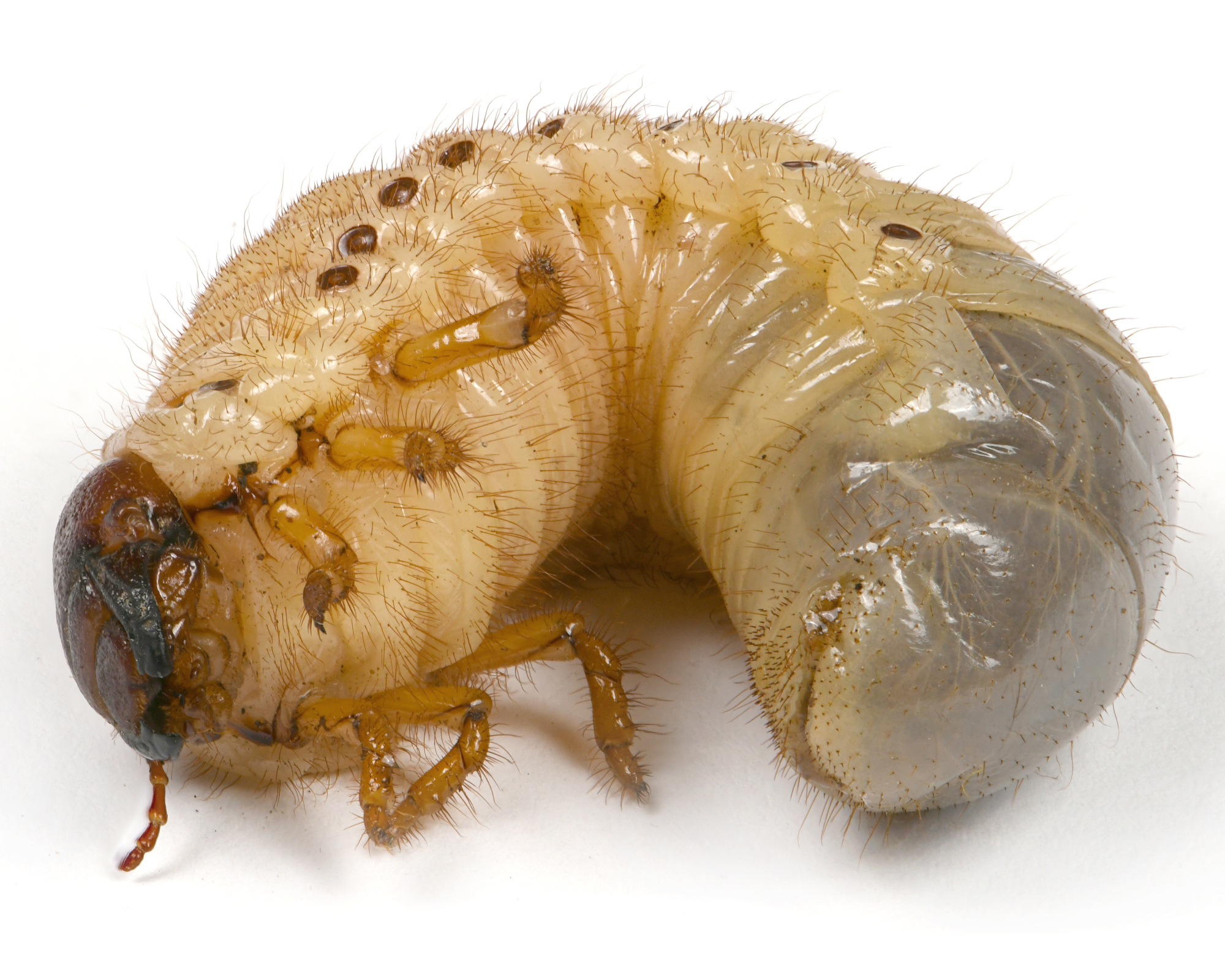
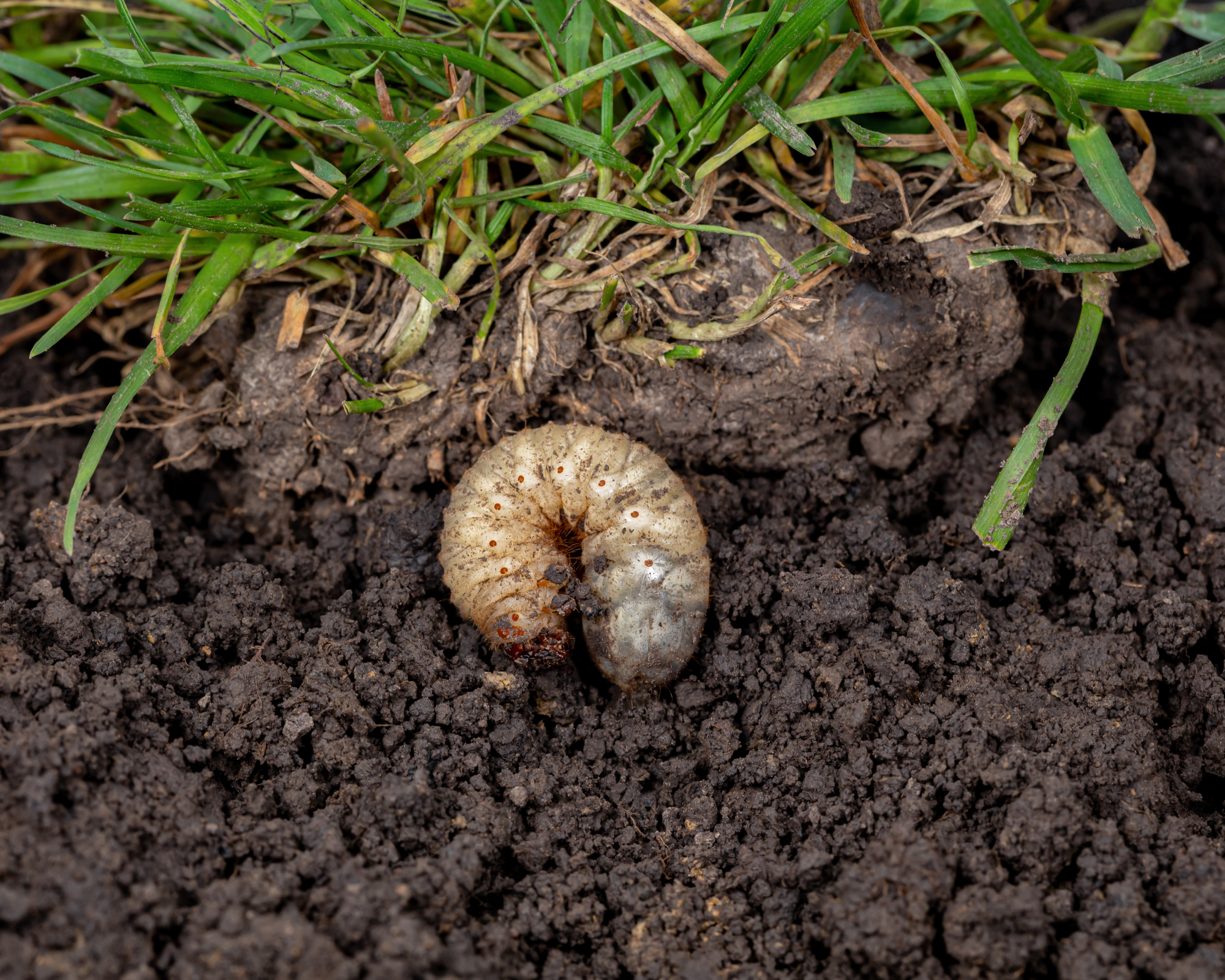
If that’s the case, use a spade to peel back a square of affected turf. Use the sharp edge of the spade to slice a U-shape in the grass, then fold this section of turf back on itself. With a trowel, have a look for fat, C-shaped grubs that are a creamy-white color. Their bottom half is usually plumper than the top, and they can measure over half an inch long. If you find some, take a closer look. If the larvae has a slightly darker head and three pairs of front legs, you can confirm the diagnosis: your lawn has a grub worm infestation.
(Image credit: Getty Images)
Another clue is that the damaged areas of lawn feel slightly soft and spongy when walked on, and you may find crows, skunks and racoons have further destroyed the grass as they hunt for juicy larvae.
Treatment: How to Get Rid of White Grubs in a Lawn
Diagnosis complete? Let's crack on and cure your lawn…
1. Use Nematodes to Treat the Problem Safely
There’s no need to use an insecticide as you’ll eradicate all sorts of beneficial insects as well as the grubs. Far better to use microscopic worm-like animals called nematodes that will kill lawn grubs and some other soil-dwelling pests. Beneficial nematodes are natural, effective and safe for use around people, pets and pollinators. They're a sustainable, environmentally-friendly option and all you need do is water them into your lawn.
Nematodes work by hunting down their prey, entering its body and infecting it with a harmless-to-humans bacteria that kills the grub. Once all the grubs are gone, the nematodes naturally die down to normal soil levels.
The species most commonly used as a biological pest control for grub worms is Heterohabditis bacteriophora and these beneficial nematodes are available from Bug Sales via Amazon. While the nematodes themselves are cheap, do expect to pay for postage as these are live creatures and need to be kept refrigerated. You’ll need to store the packet in the fridge until use, too, and only buy as much as you need now as once opened, nematodes can't be stored.
(Image credit: Getty Images)
2. Keep Soil Moist
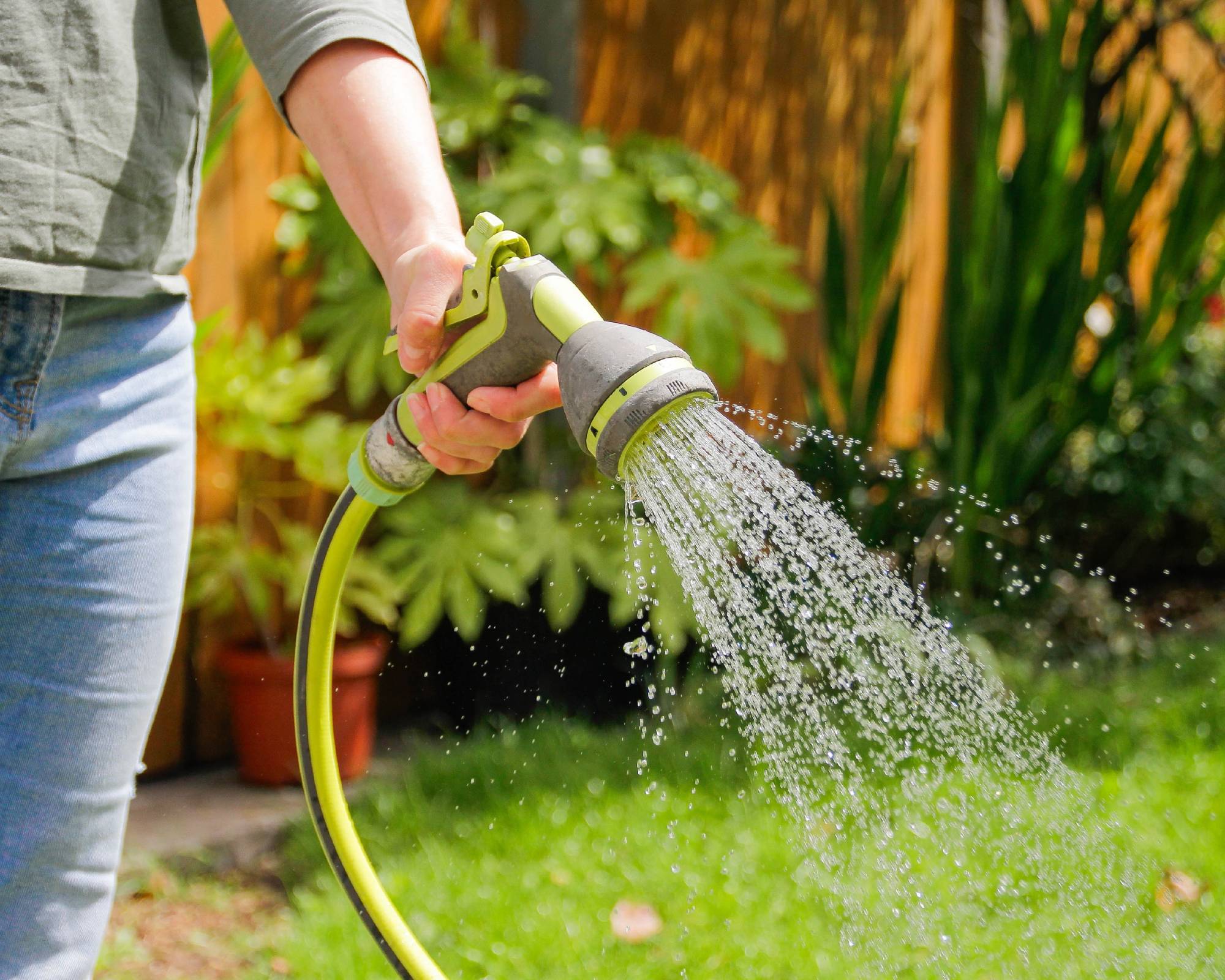
Nematodes need moist soil to survive and travel to hunt down the grubs, so saturate your lawn and for best results, apply the nematodes in the evening or on a cloudy day. Follow package instructions to mix the nematodes with water, and then apply evenly to your lawn. Treat the discolored patch plus a four-foot area all around it, and if you’re dealing with several patches, it’s best to treat the whole lawn. You can use a watering can, or attach a dispensing sprayer such as this Hose-End Sprayer from Walmart to your hose to speed the job up.
After treating, immediately irrigate lightly with fresh water to ensure the nematodes are washed down into the soil. It’s vital to keep the soil moist for the next two weeks, watering if it doesn’t rain, as the nematodes will only survive to do their job if conditions stay damp. Beneficial nematodes are a very effective form of natural pest control, but only if the soil is consistently moist enough. A cheap rotating sprinkler with a lawn spike such as this from The Home Depot and a basic programmable hose faucet timer like this from Walmart will save you a ton of time for very little outlay.
If your lawn infestation is severe, it's a smart move to keep your lawn moist a little longer. From the moment those original nematodes infected the grub worms, it takes around 12-15 days for a new generation to hatch so, as long as you keep the soil moist, a fresh army of beneficial nematodes will hunt down any remaining grubs.
(Image credit: Kinga Krzeminska / Getty Images)
3. Treat in September or Early October
To deal effectively with grub worms, it helps to understand their lifecycle. Part of the Scarabaeidae family, beetles lay eggs in lawn soil in early summer, which hatch into larvae July to August that gobble up grass roots for a couple of months before lying dormant for the winter; in late spring they transform into pupae then hatch into adults to start the process all over again.
So right now, grub worms are actively feeding on grass roots so they’re just beneath the soil surface and within easy reach of the nematodes. However, as soon as the temperature starts to dip, chafer larvae begin burrowing deeper into the ground to lie dormant beneath the frost line, and it becomes impossible to eradicate them. Use a simple soil thermometer such as this from Amazon to check: as long as the soil temperature is above 54°F, those white grubs will still be busy eating so it’s ok to go ahead with the treatment.
Patient Notes
Don’t worry if you spot grub worms elsewhere in the garden. It’s only the chafer grub species that target lawns that are destructive enough to create problems for gardeners, and need to be controlled. If you find white grubs in border soil or a compost heap, leave them be as they do a useful job breaking down decaying material and don't cause significant damage to plants.
More Garden ER Help
Every week, the Garden ER series brings you simple solutions to this season's most pressing problems, for happy and healthy plants without any hassle.
Peace Lily Flowers Turning Brown?
Work out what your peace lily needs to recover if spathes develop brown patches or look dry and crispy around the edges.
Leaves turning white?
Here's everything you need to know to prevent common fungal disease, powdery mildew, starving your plants of nutrients.

(Image credit: Getty Images)


















 English (US) ·
  French (CA) ·