

Bare soil isn’t just a sad patch of brown in the garden – it’s an open invitation for weeds to take root. Leave space, and something will fill it. So, why not fill it with plants you actually want? Happily, the solution is simple: use low, spreading groundcover plants that will choke out weeds and look good while doing it. But if you think traditional options are boring, then try groundcover herbs that offer the same benefits with the bonus of a heavenly scent and culinary uses.
Early spring is the perfect time to plant groundcover herbs, once the soil is workable. Some herbs can be started from seed, while others are better added as nursery plants. Once established, you’ll notice the difference fast. These low-growing herbs form a tight layer, blocking weeds, releasing scent in the warmth, and giving you fresh harvests through the season. Unlike more invasive herbs like mint, they’ll also stay controlled and not take over the garden.
To get the full groundcover benefits from these herbs, plant them closer than standard spacing. You will see fewer weeds where plants meet and overlap. Looking after groundcover herbs is easy – simply water well in the first few weeks and trim after flowering to keep growth compact.
Article continues below
Best Groundcover Herbs
Use two or three of these edible groundcover herbs and repeat them across the planting area to keep everything looking neat and make maintenance simple. Remember to choose herbs that are suitable for your USDA hardiness zone – or equivalent if outside the US – as well as soil type and light levels.
1. Creeping Thyme
(Image credit: Flower_Garden / Shutterstock)
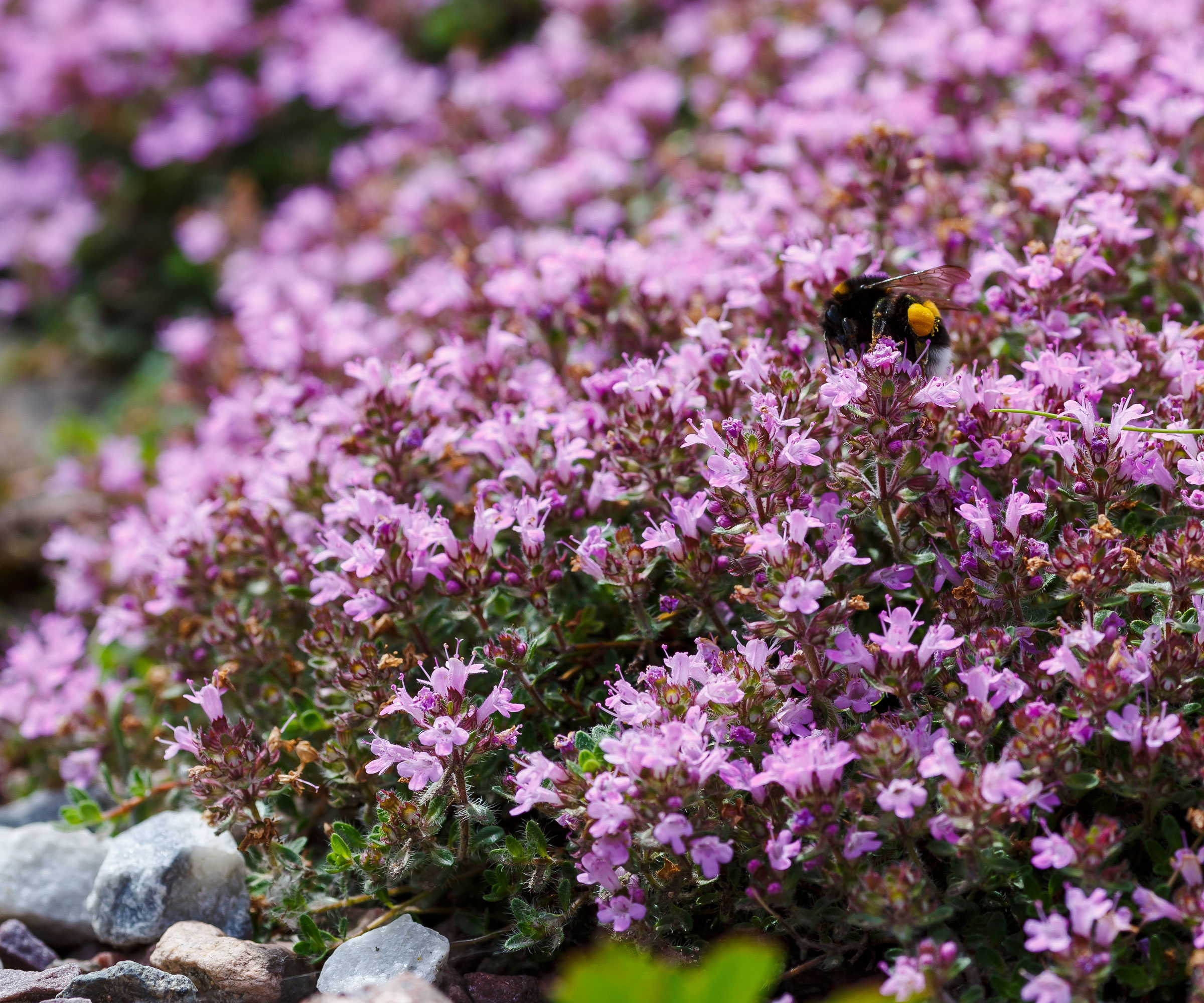
Creeping thyme is the most popular groundcover herb, prized for its tight carpet of low and dense foliage. However, it is most loved for its gorgeous pink-purple flowers, which bees enjoy even more than we do. This delightful groundcover tolerates moderate footfall, which releases its aroma.
As a Mediterranean herb, creeping thyme thrives in full sun and rarely needs watering once established. It prefers poor to average soil, and is perfect for rockeries, pathways, and drought-tolerant landscaping. In colder regions, plants may turn brown in winter in colder regions but soon recover in spring.
To enjoy its wonderful flavor, harvest small sprigs often and pair them with roasted vegetables, chicken, or fish.
Swipe to scroll horizontally
Botanical Name | Thymus serpyllum |
Height | 2–4 inches (5–8 cm) |
Spread | 12–18 inches (30–45 cm) |
Soil | Well-draining, poor, ideally sandy or rocky, pH 6.0–8.0 |
Light | Full sun |
Hardiness | USDA 4–9 |
Foot Traffic | Moderate |
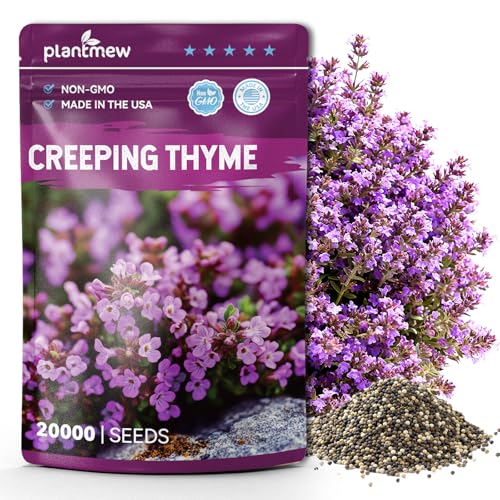
Plantmew Creeping Thyme Seeds
Creeping thyme is cheap and easy to start from seed with this pack of 20,000 seeds. Start them indoors before the last frost date and plant out in spring.
2. Roman Chamomile
(Image credit: Shutterstock)
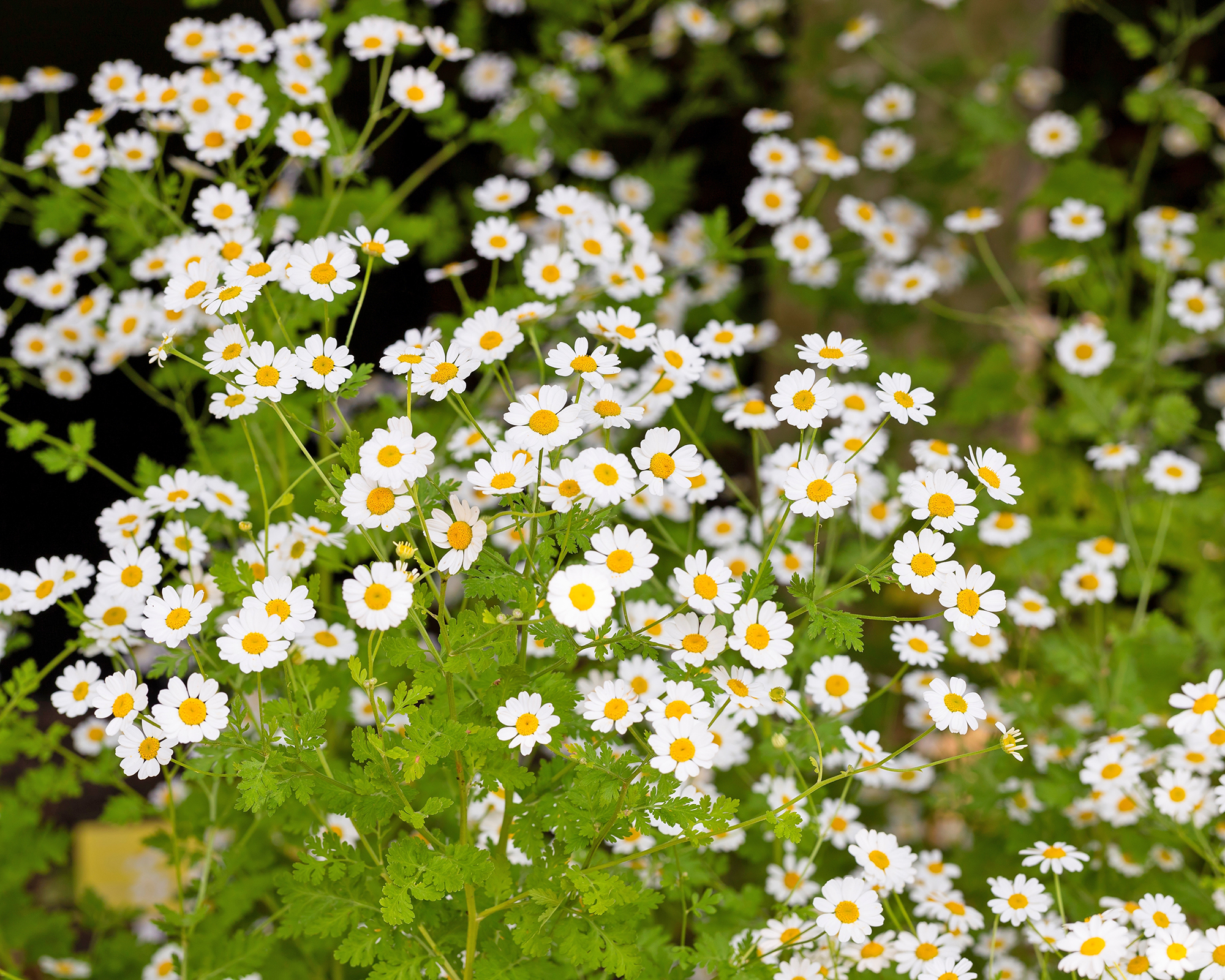
Roman chamomile forms a lovely frothy white carpet and makes a good lawn alternative. You notice a softer look here – chamomile never feels rigid or clipped, meaning it suits informal edges and paths.
The leaves carry a light apple scent, released when crushed, while flowers are a useful sleep aid, appearing throughout the summer. Use them to make a relaxing chamomile tea.
Roman chamomile prefers full sun but has an advantage over other herb groundcovers in that it tolerates light shade. Trim plants after flowering to keep growth dense.
Swipe to scroll horizontally
Botanical Name | Chamaemelum nobile |
Height | 3–6 inches (8–15 cm) |
Spread | 12–24 inches (30–60 cm) |
Soil | Well-draining, moderately fertile, pH 5.6–7.5 |
Light | Full sun to partial shade |
Hardiness | USDA 4–9 |
Foot Traffic | Light to moderate |
| Row 7 - Cell 0 | Row 7 - Cell 1 |
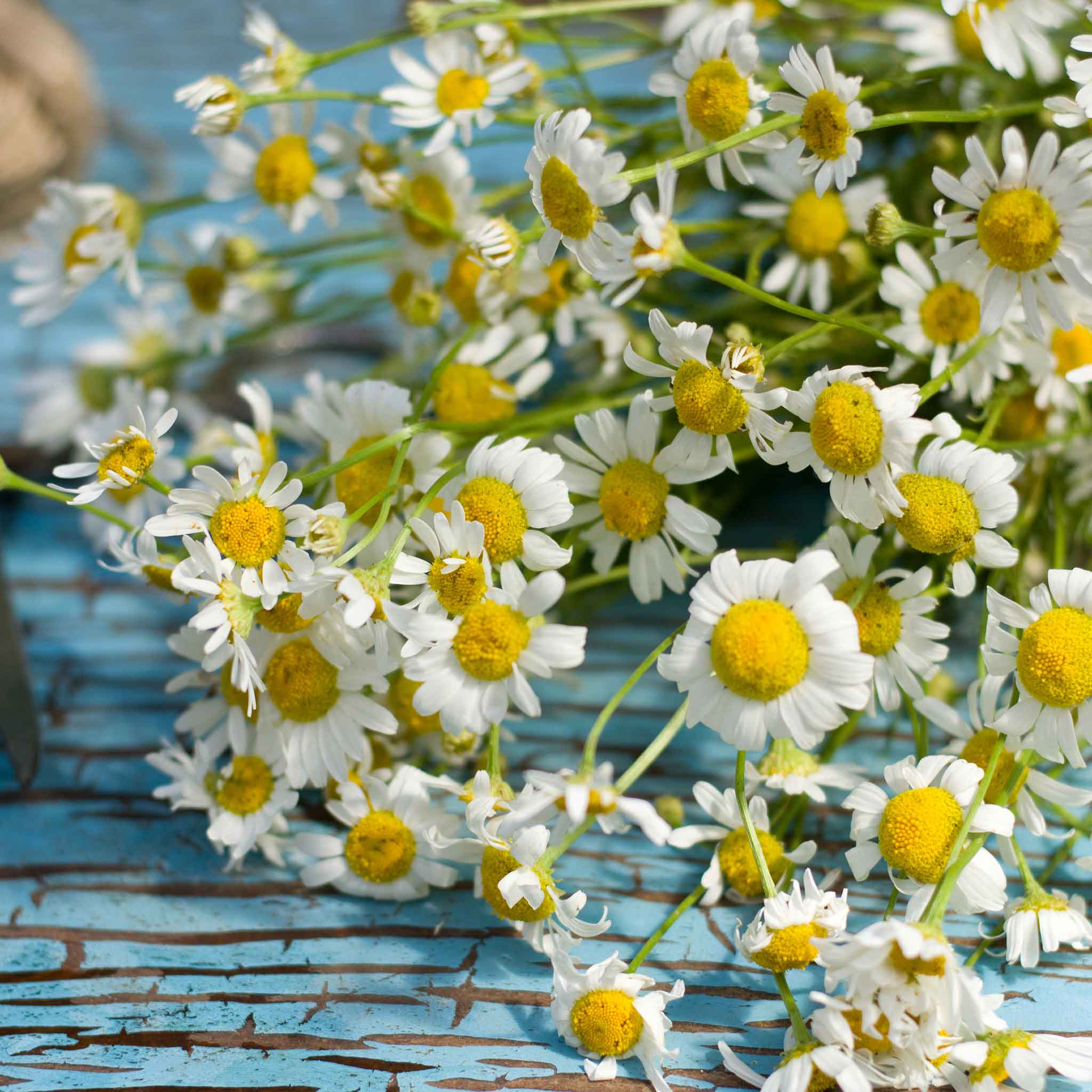
Roman chamomile is less bitter than the German variety. Start seeds indoors or sow direct in the spring for pretty daisy-like flowers that make a therapeutic tea.
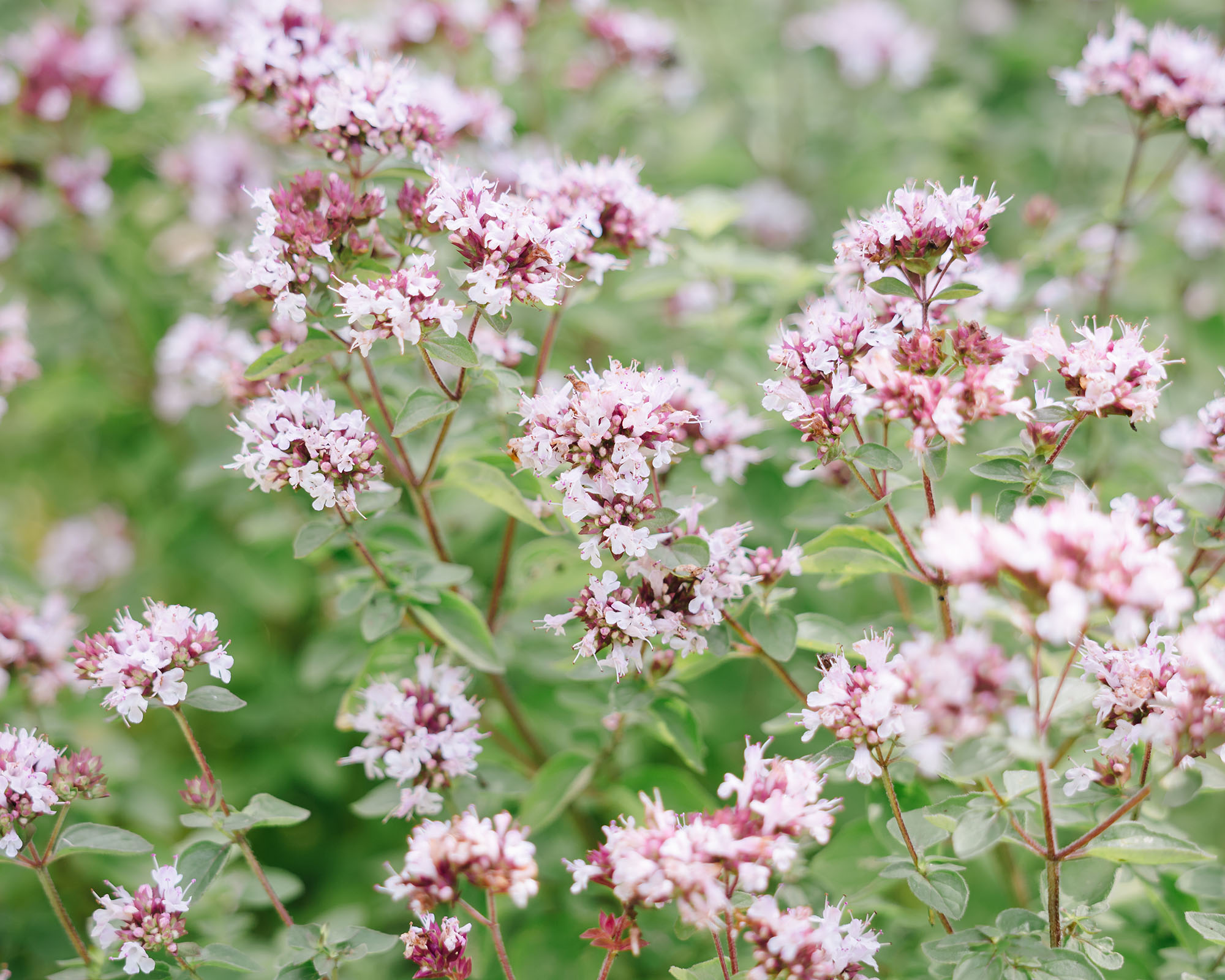
3. Oregano
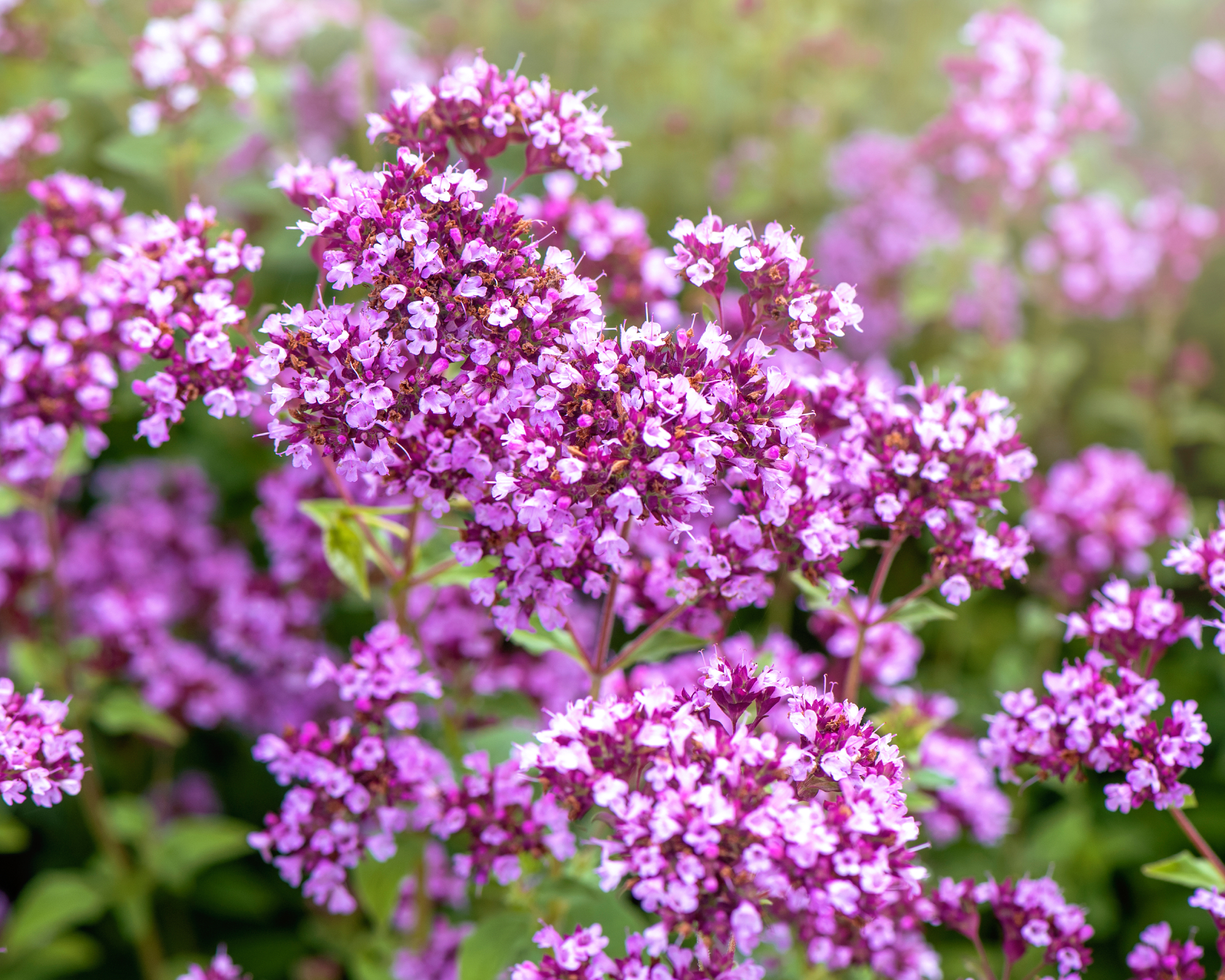
(Image credit: Jacky Parker Photography / Getty Images)
Oregano is a low-maintenance, flowering groundcover that is adored by pollinators. Foliage becomes dense by early summer and shades the soil, while its pretty pink flowers appear in summer.
Choose from common oregano, which is robust and aromatic, Greek oregano, with its intense flavor, golden oregano with vibrant yellow-green leaves, and variegated oregano with mottled foliage and white flowers. Ideal for sunny spots, it thrives in well-drained soil, and is fairly drought-tolerant once established – though it will need some watering in dry spells.
Cut back by one-third after flowering to keep plants tight and harvest often. The leaves dry well and hold flavor, pairing beautifully with tomatoes, grilled meats, and olive oil.
Swipe to scroll horizontally
Botanical Name | Origanum vulgare |
Height | 4–10 inches (10–25 cm) |
Spread | 12–24 inches (30–60 cm) |
Soil | Well-draining, moderately fertile to poor, pH 6.0–8.0 |
Light | Full sun |
Hardiness | USDA 4–9 |
Foot Traffic | Light to moderate |
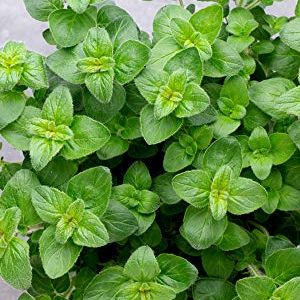
Survival Garden Seeds Common Oregano Seeds
This reliable herb with its robust flavor can be started indoors before the last frost and then transplanted into the garden.
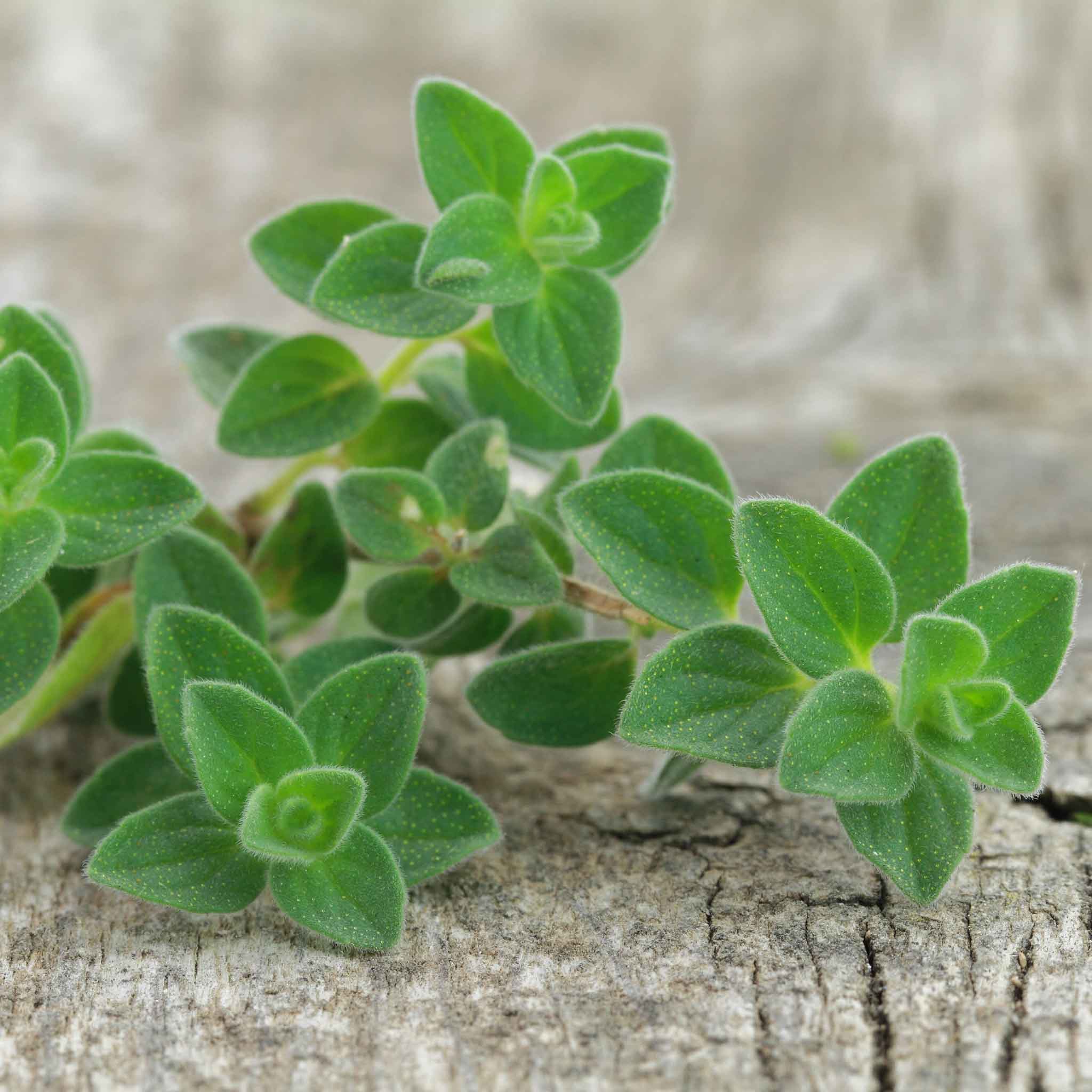
Prized by Italian and Greek chefs, this flavorful variety is best started from seed for a full sun groundcover
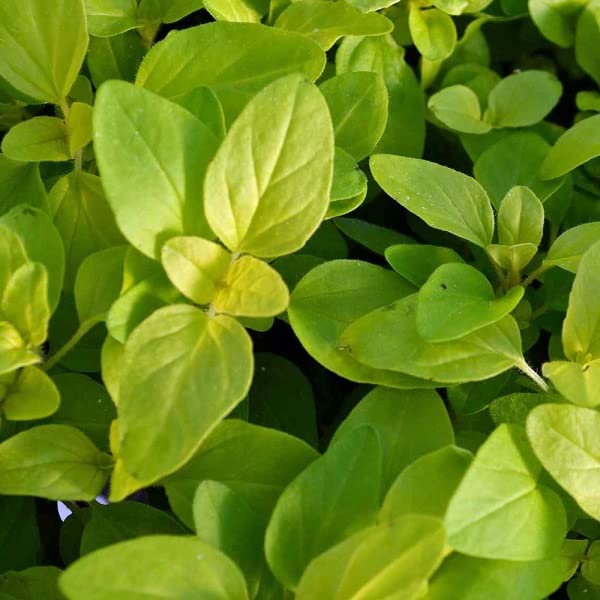
Golden Oregano Set of 2 Live Plants
Green up bare patches quickly with a few of these lovely golden oregano plants.
4. Marjoram
(Image credit: Getty Images)
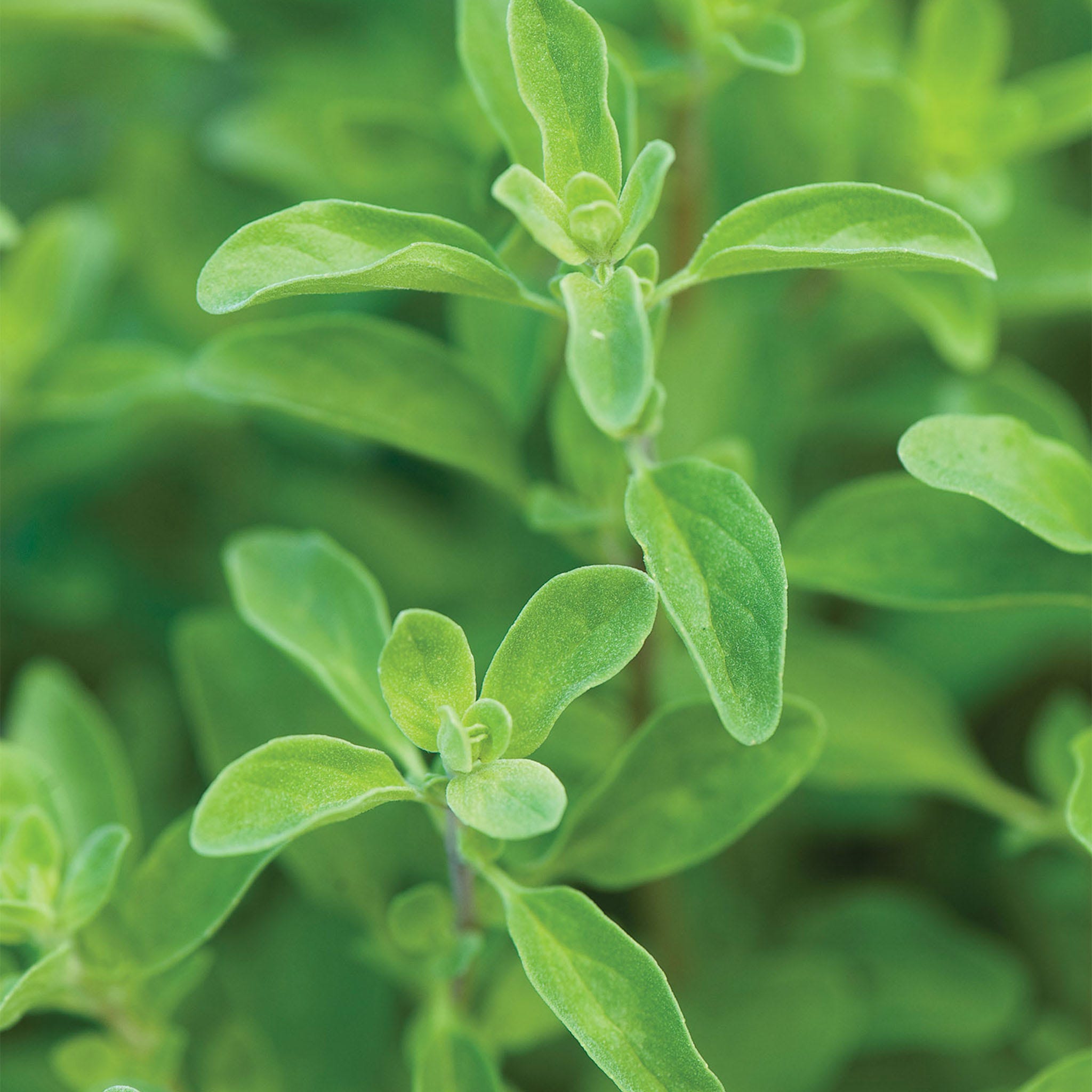
Though marjoram is often used interchangeably with oregano, the flavor is milder and sweeter, and you will see a difference if the plants are side by side. Marjoram growth looks lighter and more refined, forming soft mounds, which suit a neater planting style.
When used as groundcover, the plants knit together, and foliage stays full through warm weather, with dense and woody stems that help block weeds at the base. White, pale pink, or purple flowers are nectar-rich, supporting pollinators and adding a romantic touch to planting.
Use marjoram fresh in salads, eggs, and tomato dishes.
Swipe to scroll horizontally
Botanical Name | Origanum majorana |
Height | 6–12 inches (15–30 cm) |
Spread | 12–18 inches (30–45 cm) |
Soil | Well-draining, light, pH 6.5–8.0 |
Light | Full sun |
Hardiness | USDA 7–10 |
Foot Traffic | Light |
Sweet Marjoram Seeds & Plant
Grown as an annual, marjoram should be started early indoors or outdoors after danger of frost.
5. Prostrate Rosemary
(Image credit: Getty Images)
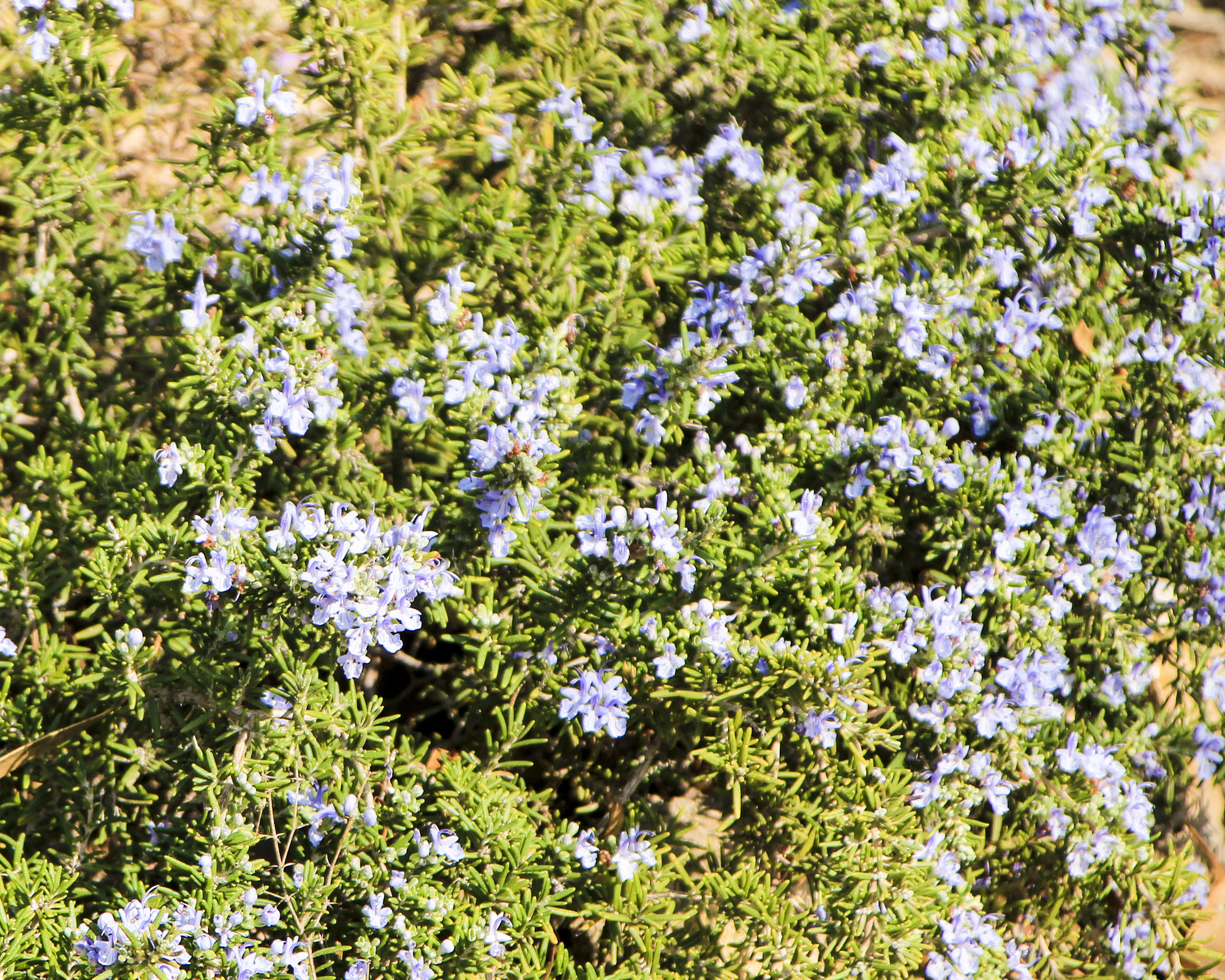
Creeping, or prostrate, rosemary grows low and spreads outward, then trails over edges. It works best at the edge of a bed or wall, where stems can spill and cover exposed soil below. Use on slopes, raised beds, or edges, where drought-tolerant groundcover is needed.
In mild climates, the aromatic foliage stays evergreen, with a dense and woody base for full weed-smothering potential. Blue flowers appear in warmer months.
Harvest rosemary stems as needed to make meats and potatoes shine.
Swipe to scroll horizontally
Botanical Name | Salvia rosmarinus ‘Prostratus’ |
Height | 6–12 inches (15–30 cm) |
Spread | 24–48 inches (60–120 cm) |
Soil | Well-draining, sandy or loamy, pH 6.0–8.0 |
Light | Full sun |
Hardiness | USDA 8–10 |
Foot Traffic | Light |
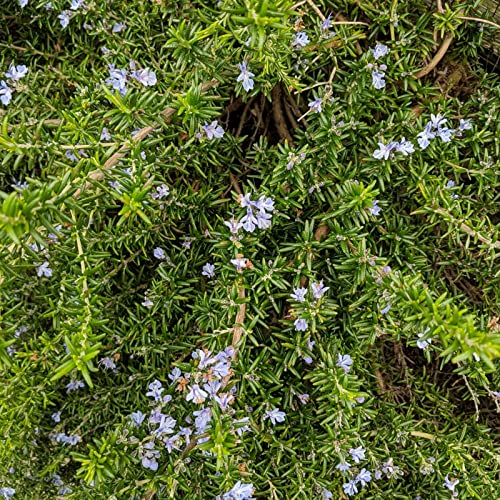
Clovers Garden Trailing Creeping Rosemary Set of 2 Live Plants
You'll get quicker results with rosemary by adding plants, like this pack of two.



















 English (US) ·
  French (CA) ·