

With over 41,000 fires having burned more than 3.9 million acres across the United States so far this year, many folk are turning to the idea of firescaping their home gardens. Traditionally, we’ve planted thick borders of flowering shrubs and perennials around our houses. Beautiful? Yes. Flammable? Very. And there’s a new approach that is far more fire-resistant, and you still get flowers.
The US Fire Administration (USFA) recommends reducing combustible vegetation near your home to create a defensible space to slow or stop wildfires. It cites Zone 1 – the ground immediately around your home, up to 5 feet away – as the most critical area to reduce risk to the home during a wildfire. Have a think about this part of your yard and, if it's packed with woody shrubs and perennials that could fuel flames, it might be time you considered firescaping this area with the water-filled foliage of sedums instead.
You see – and I was so shocked when I discovered this – up to 90% of ignitions from wildfires are caused by embers, according to USFA. So, siting the water-filled, non-flammable leaves of sedums in the area immediately around your home makes good sense. And what do you know, sedums are one of the most low-maintenance plants on the planet, and they’re pretty as well as practical. Firescaping is a part of landscaping design we're expecting to see boom this summer as there's no telling how long this heatwave weather will last for, and sedums are such a smart and easy solution.
(Image credit: Getty Images)
What is Sedum?
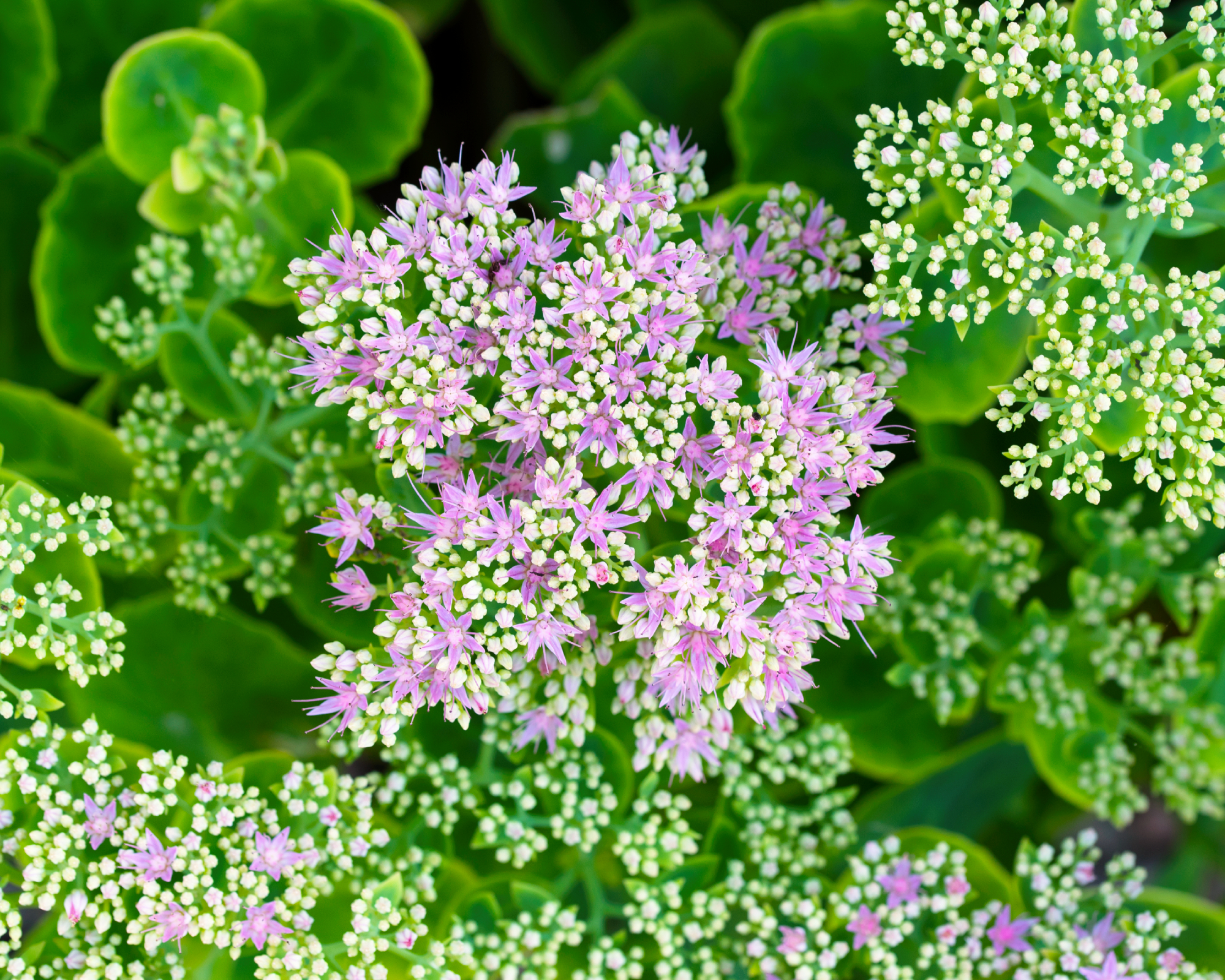
Sedums, commonly known as stonecrops, form a huge group of succulent plants with thick leaves and stems that store lots of water. They fall into two types: low-growing, spreading groundcover plants, and taller clumping varieties – and it’s those low growers we’re interested in here.
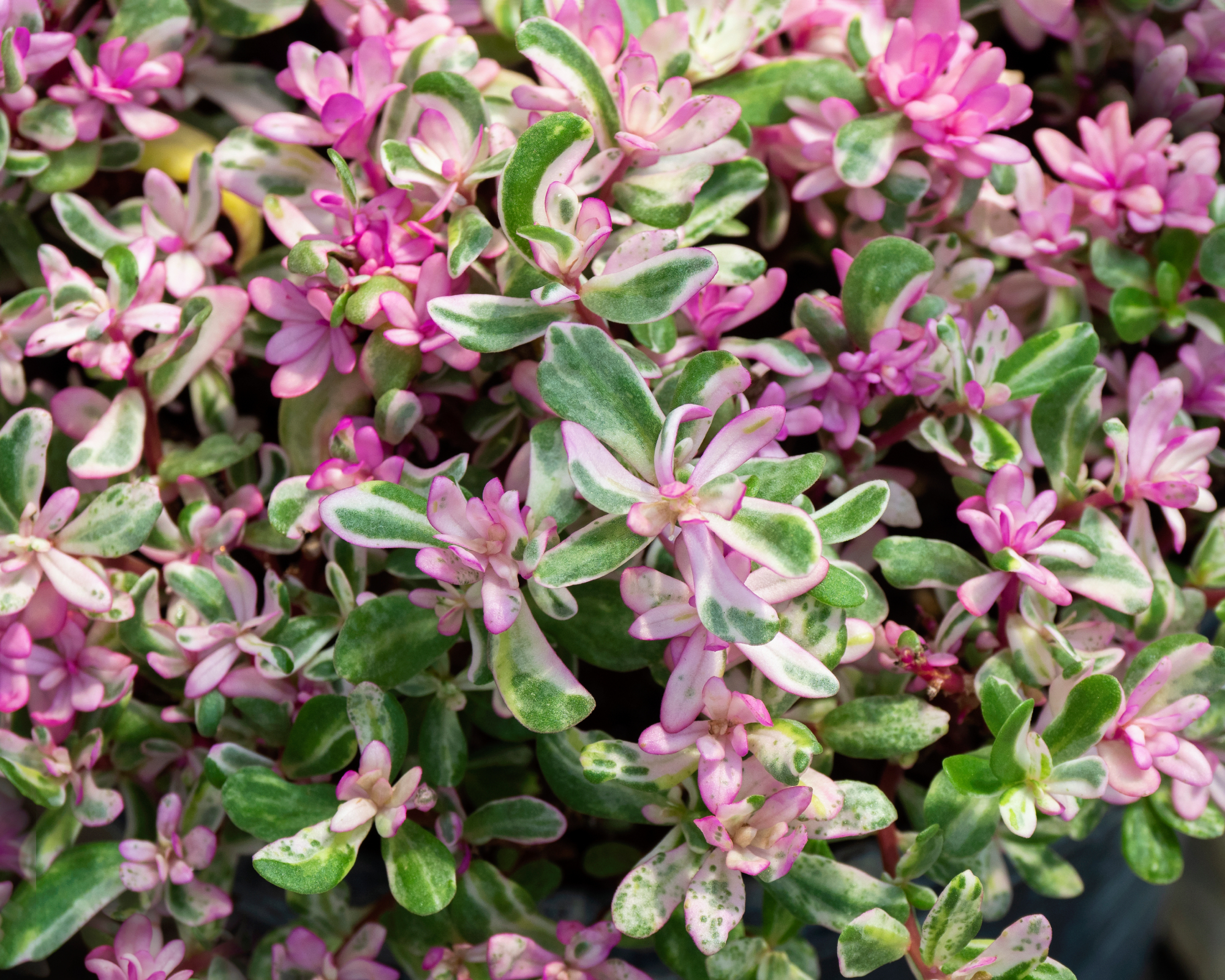
There are hundreds of sedums to choose from, with clusters of tiny, star-shaped flowers in white, yellow, pink and purple, typically in summer through fall, that pollinators adore. The foliage is just as attractive as the flowers, many with striking colors from lime green and burgundy to deep bronze. Spreading into a resilient mat, the foliage brings fabulous texture, too, and some varieties are evergreen, depending on your zone.
(Image credit: Getty Images)
Why is Sedum Fire-Resistant?
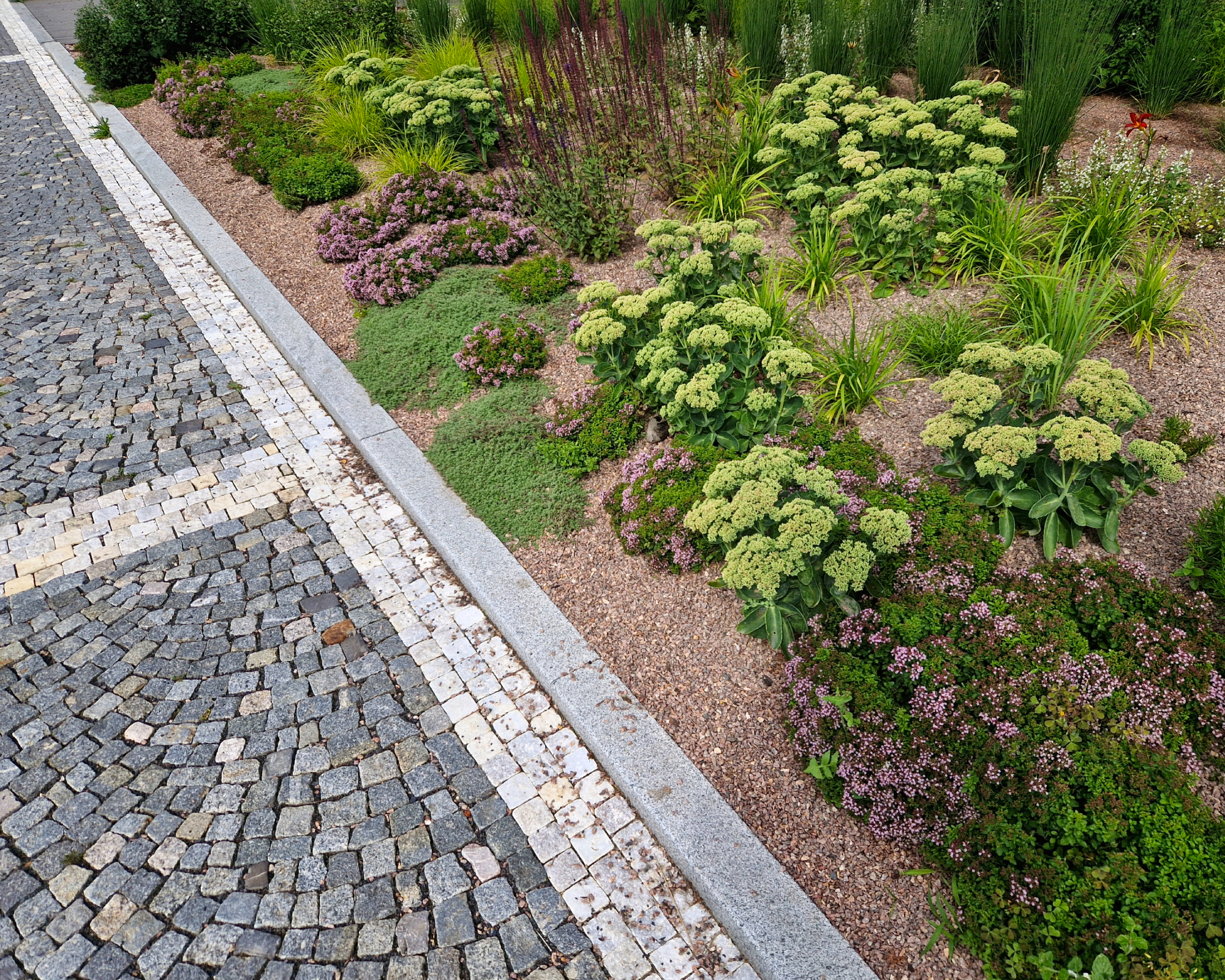
Sedums evolved to flourish in semi-arid climates so their ability to store moisture means these plants can go months without rain. That high water content is also very helpful when it comes to resisting ignition and, planted en masse, can help to slow the spread of flames.
Their drought-tolerance plays a crucial part in their ability to resist fire, too, because stonecrops can thrive even through a hot, dry summer. Because sedums are groundcover plants that act as a living mulch, they lock moisture in the soil and keep it cool, too, further increasing their resilience. And that’s an important factor, because even the most fire-resistant plants become highly combustible in a drought-stricken, dried-out state.
Another factor that makes sedum so fire-resistant is that it lacks combustible oils and resins that many evergreen trees and fragranced shrubs contain.
While there’s no one plant that’s considered the most fire-resistant, because of variations in growing conditions across the US, sedum is right up there in most climates. And while there’s no standardized measure of plant flammability, because of its resilience as well as its ability to hold moisture, sedum is widely considered to be one of the most fire-resistant plants in America, and recommended by safety organizations and fire chiefs for fire-conscious landscaping.
(Image credit: Getty Images)
Which Sedum is Best?
Low-growing sedums are better for fire resistance than taller sedums which have woodier stems. There are sedums for indoor as well as outdoor growing, as well as annual and perennial types, so do read the label or online description when shopping to ensure you're buying a hardy plant that last year after year in your zone. So the best sedum for you is the one that will naturally thrive year-round in your garden, because a happy plant will be full of moisture.
Also, choose what you love, because then you’re more likely to grow more of it! And all these sedums are super-easy to dig up, divide and replant to create free plants, so you can increase your firescaped area without spending a fortune.
It’s best to buy plants as you need to be super-patient to raise sedums from the dust-small seeds.
Best For Foliage Color
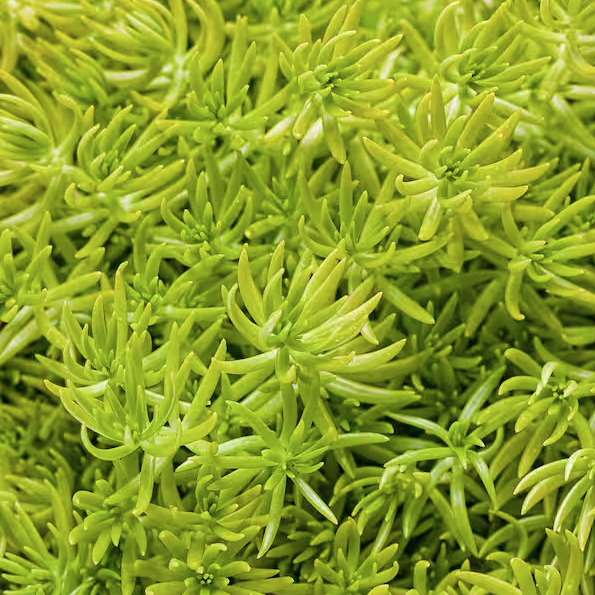 LIME GREEN
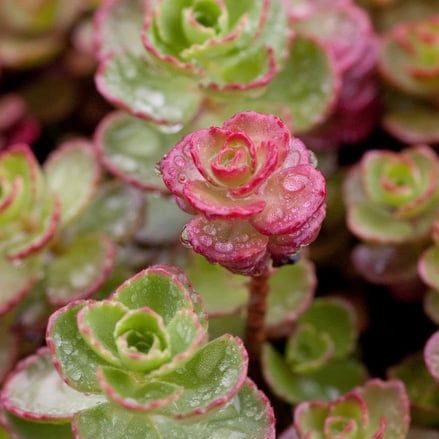
Proven Winners Sedum ‘Lemon Coral’ is well known for its lime-green foliage that gives a great pop of color. Grows 3-10 inches tall and 14 inches wide in zones 7-11.
 Red & Green
3 Red Carpet Starter Plants
Bronze-green Sedum spurium ‘Red Carpet’ foliage gets crimson tones as temperatures drop, forming a mat 3-6 inches high and 18 inches wide. Zones 3-9.
 Deep red
3-Pack Dragon's Blood Sedum
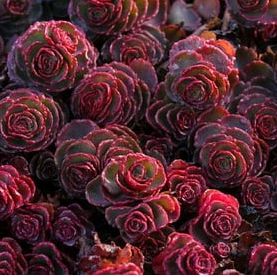
Beginning green-to-bronze, Sedum spurium ‘Dragon’s Blood’ leaves deepen into rich red and burgundy tones. Zones 4-9; grows 4-6 inches high and spreads 12-18 inches.
Best For Flowers
 Ruby red
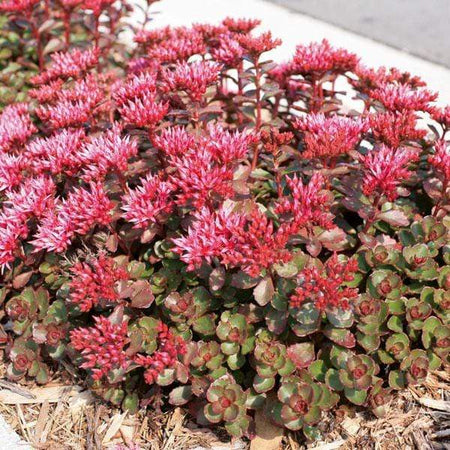
While the red-bronze foliage is pretty enough, the ruby-red blooms of Sedum spurium ‘Fuldaglut’ steal the show. Zones 4-9; grows 2-4 inches high and 12-18 inches wide.
 Bright yellow
Rock 'n Low Yellow Brick Road Sedum
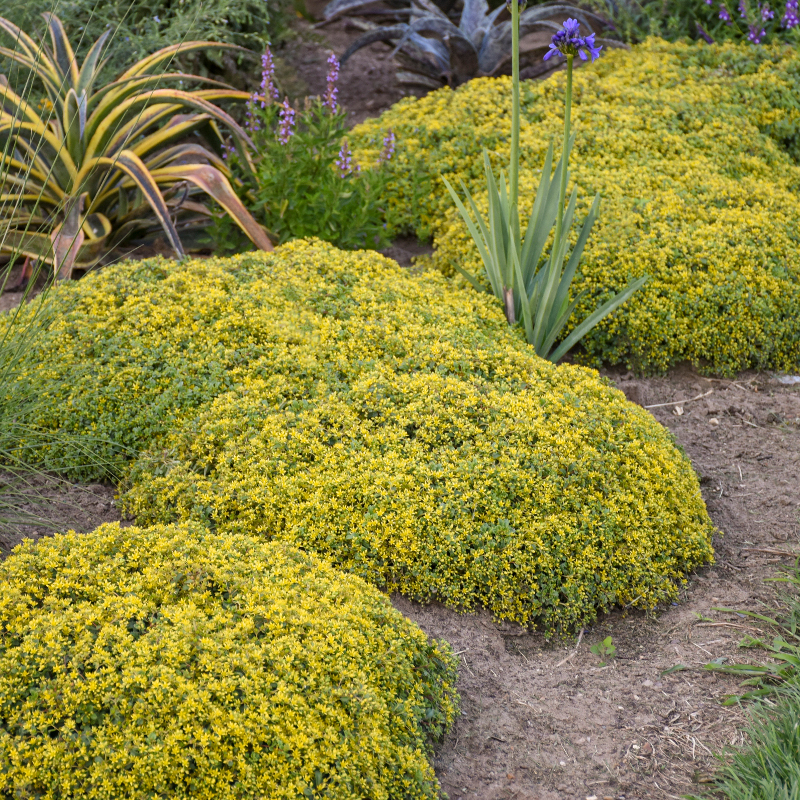
With bright yellow star-shaped flowers from midsummer to fall, Proven Winners Sedum x ‘Yellow Brick Road’ grows 6-8 inches high and spreads 2 feet in zones 3-9.
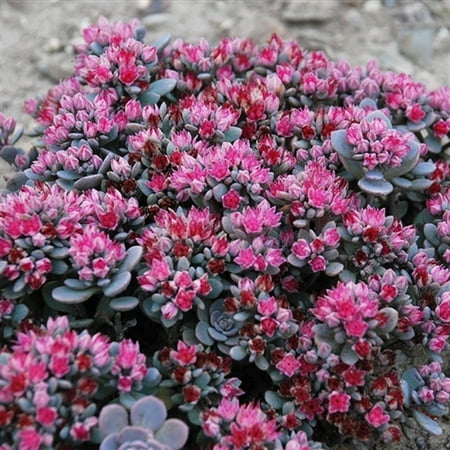 Perfect pink
‘Blue Elf’ may be tiny, growing just 3 inches tall and spreading to 18 inches, but the ravishing pink flowers against pewter foliage are a big treat. Zones 4-9.
Best For Foliage Texture
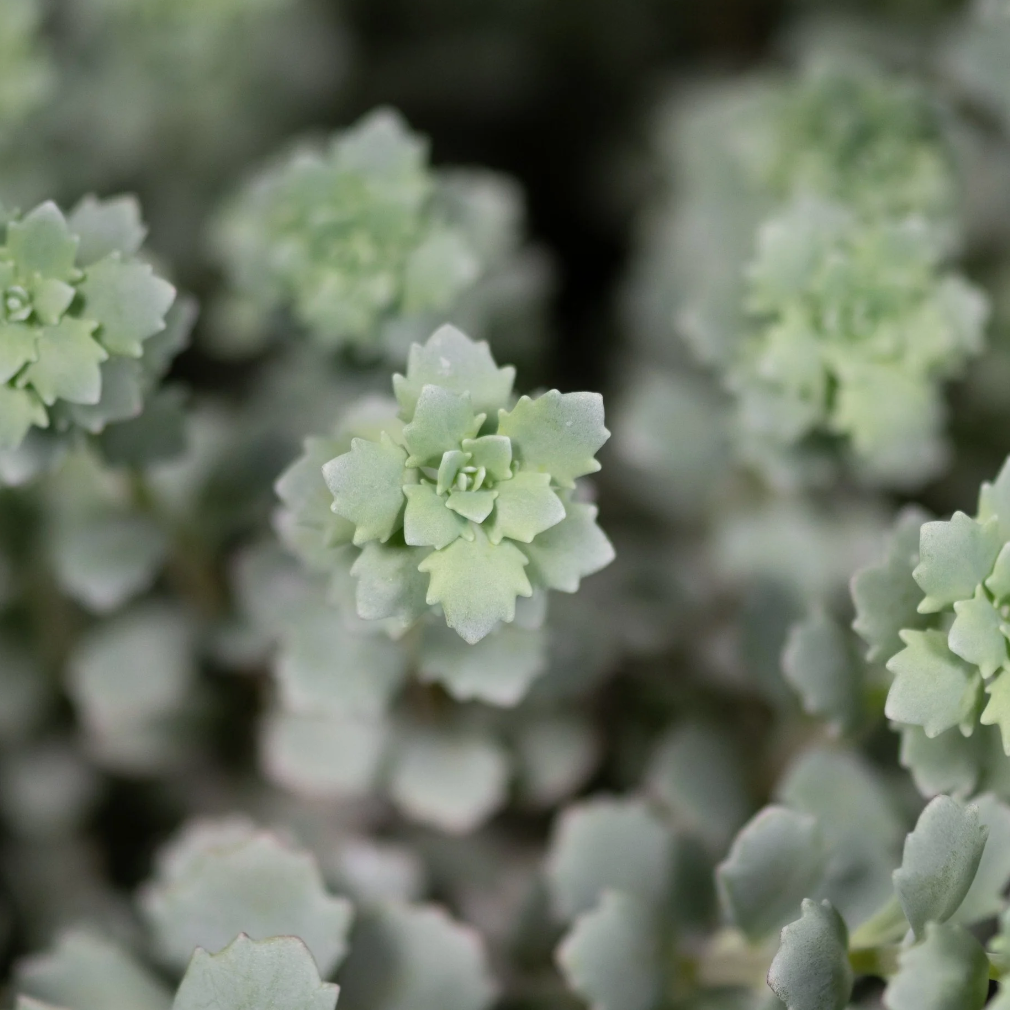 Shapely leaves
These silvery blue-green leaves turn a rosy pink in fall, when shell-pink flowers join the show. Zones 3-8; grows 8 inches tall and 16 inches wide.
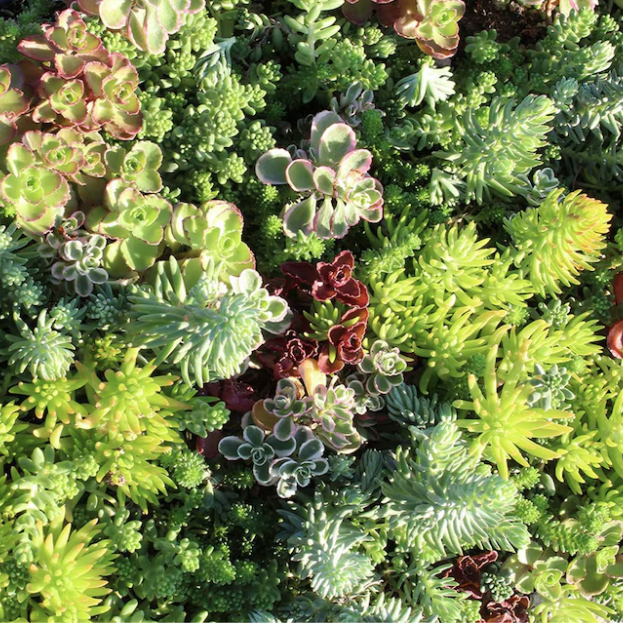 Mixed varieties
Offering great value for money, this 10-inch x 20-inch mat of different sedum varieties brings a wealth of texture in zones 3-9.
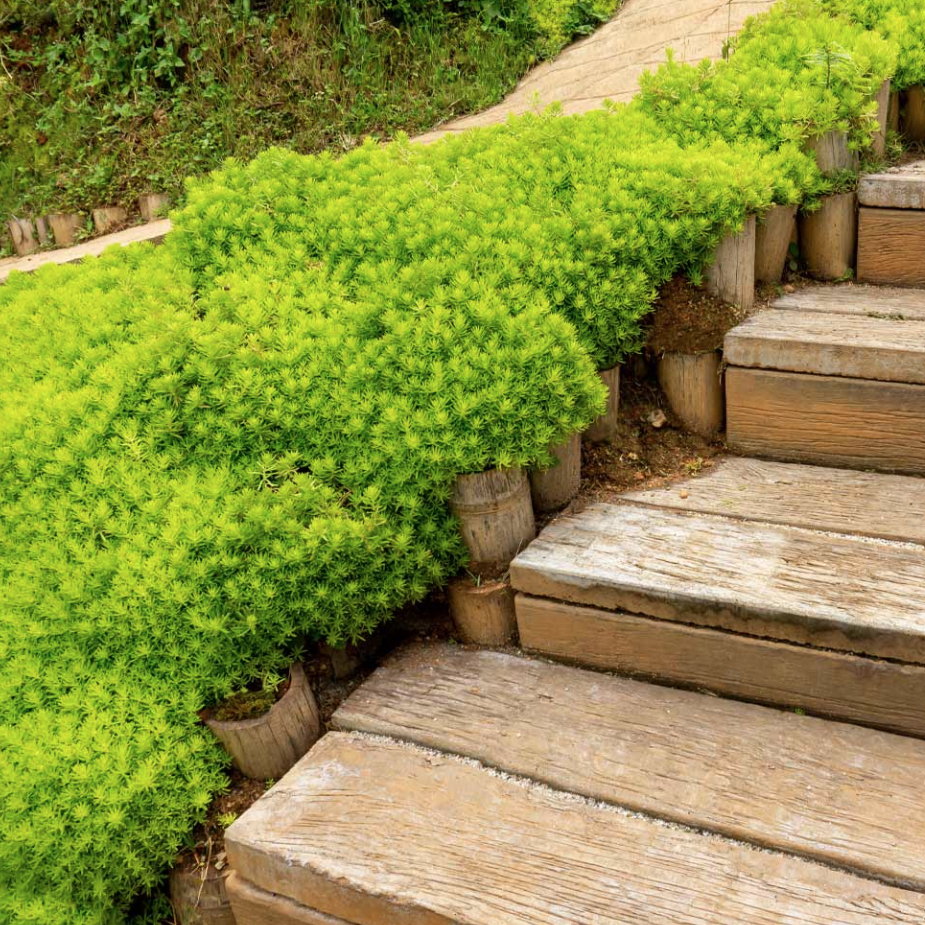 Looks like moss
The golden green foliage of Sedum rupestre ‘Angelina’ quickly spreads to form an 8-inch-high mat 2-3 feet wide, that’s evergreen in zones 3-9.
How to Plant Sedum to Maximise Fire Resistance
All sedums need to flourish is well-draining soil and at least six hours of direct sunlight a day. Happily, creating those well-drained conditions marry well with a non-combustible environment. Mix horticultural grit or sand into your soil if the drainage needs improving, and use pea gravel rather than bark as a mulch, and growing sedums couldn't be simpler.
Sedums are so drought-tolerant, you can even create a fully firescaped Zone 1 with paving or gravel punctuated with planting pockets of potting soil. This creates the ultimate low-maintenance, fire-resistant foundation planting. For a modern look, consider adding angular metal edging to contain the spreading sedums in neat geometric shapes.
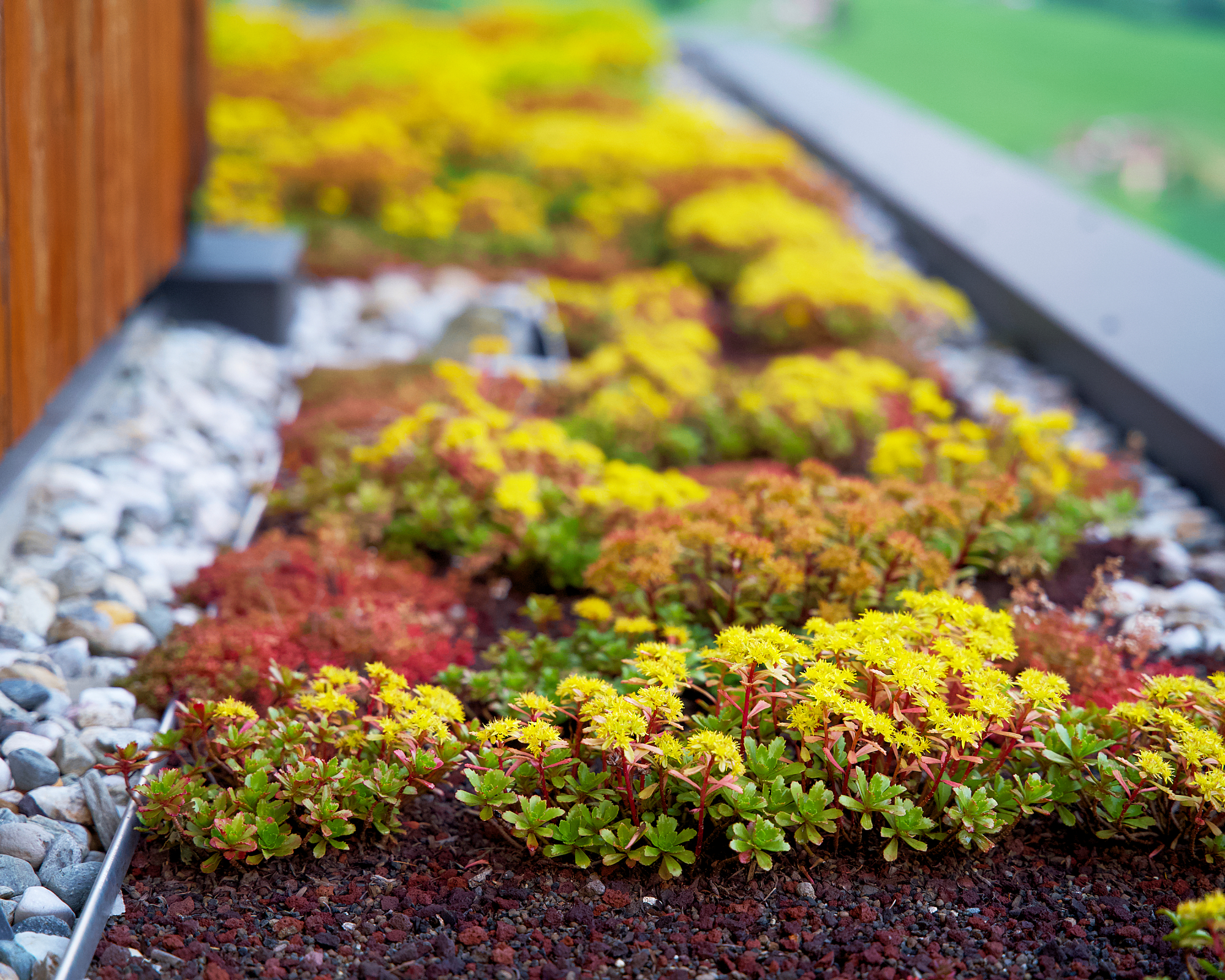
(Image credit: Getty Images)
Another creative idea is to pair sedum with gravel and rocks and pebbles of different sizes to create a dry river.
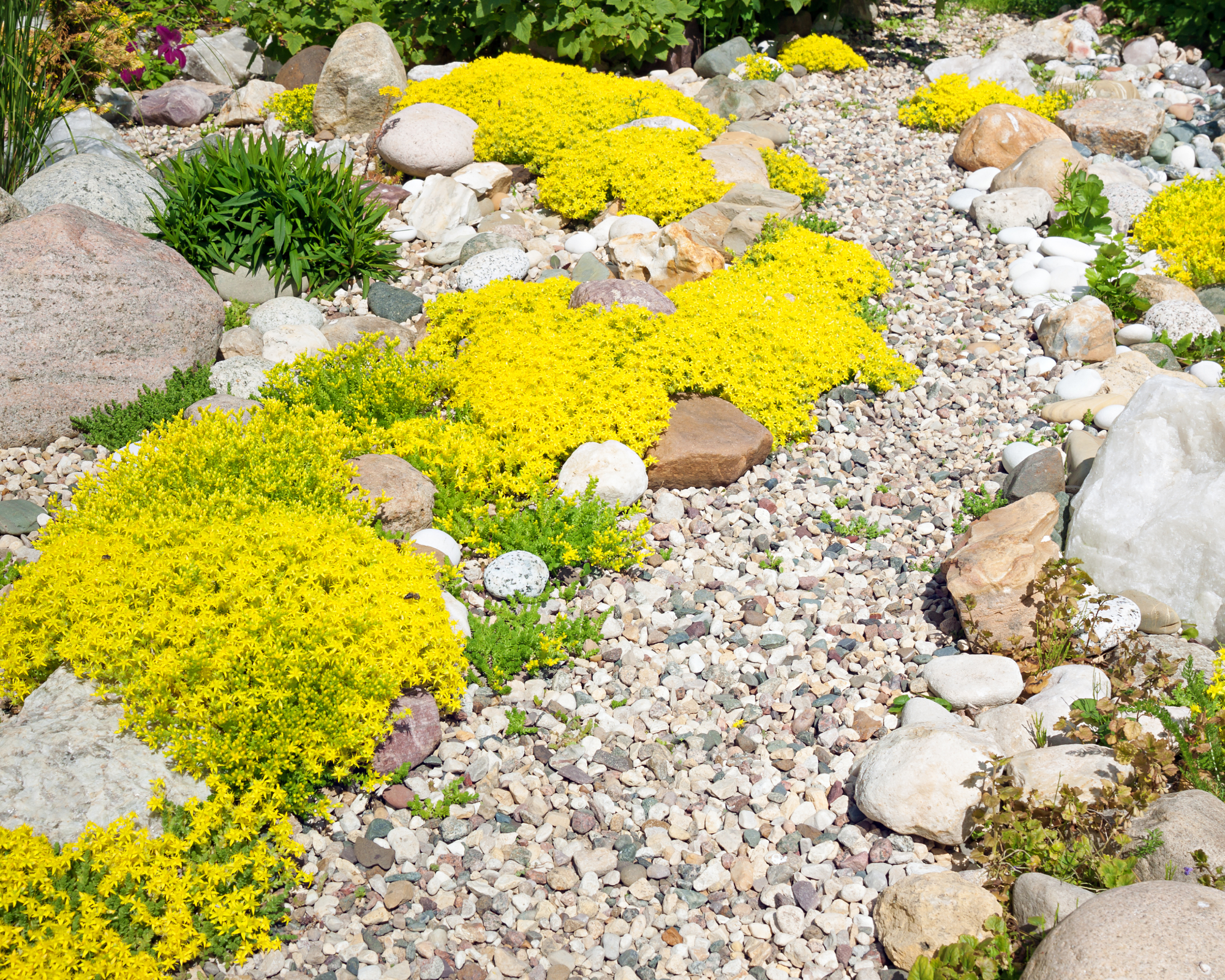
(Image credit: Getty Images)
It’s a smart move to use these succulent plants around highly combustible garden areas, too, such as decking and wooden summerhouses. Sedum can also be used to create living roofs, further helping to slow fire, and forms great groundcover to suppress weeds in any well-drained border.
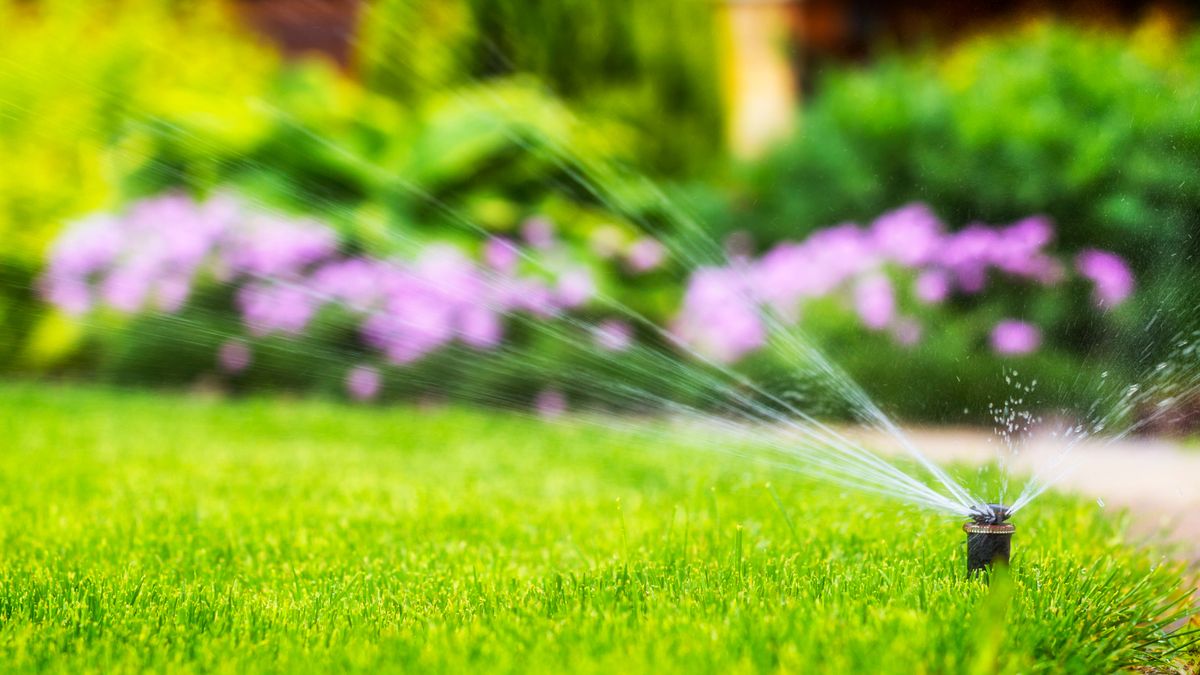
To maximise fire resistance, clear any dead material – the thatch – from plants every spring. Keep weed free and, while sedum is one of the most drought-tolerant plants you can buy and survives on minimal water, it’s wise to irrigate occasionally through very dry periods in peak fire season to keep those leaves plump with moisture.
You’ll also need to keep your sedum plants watered to begin with, while they grow roots deep enough into the ground to source their own moisture supply.
















 English (US) ·
  French (CA) ·