

Can you ever have too many flowers in your garden? It's hard to believe, but the answer may be yes. “Too many” in this context just means more than you wanted. Although self-seeding flowers may seem like a godsend the first few years, you may get tired of seeing the same darn blossoms filling your landscape year after year – especially in parts of the garden where you don't want them. Once established, they can be hard to get rid of.
Self-seeding plants do the work for you. You plant them once and then they reseed themselves and provide new blooms every year. But they often come back in even greater numbers and ultimately become hard to control or remove. You can prevent this issue by avoiding the flowers that self-seed most prolifically.
Here are five flowers that fit into that category. Be sure you love them before you plant them – because they’ll keep coming back for quite a while!
Self-Seeding Flowers You May Regret
Take a close look at this list of self-seeding flowers. If you love them and are certain you will love them forever, go ahead and plant them. Otherwise, find another flower to plant that doesn’t self-seed so freely.
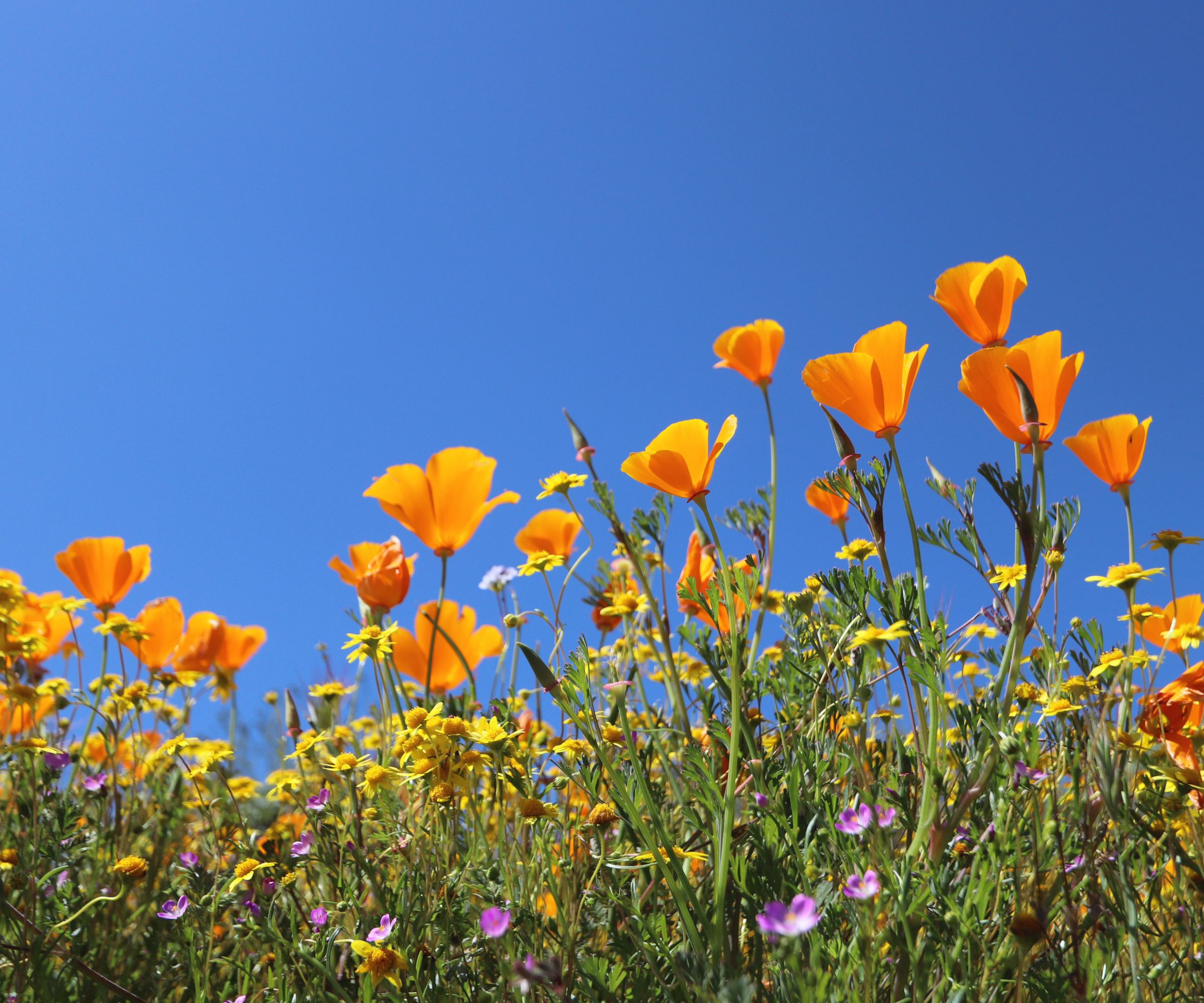
1. California Poppy
(Image credit: kenny hung photography/Getty Images)
This is a hard one for me to warn others about because I am totally in love with these vibrant orange and yellow papery blooms. California poppy (Eschscholzia californica) is California’s state flower and it takes my breath away to see fields and fields of these flowers in bloom.
Poppies look delicate, but they are in fact tough as nails. They bloom profusely in poor, dry soil, and when they die, they form long seed pods that scatter the tiny seeds everywhere. Their deep taproots allow them to survive even in periods of drought, but the same taproots also make the poppies hard to eradicate once established.
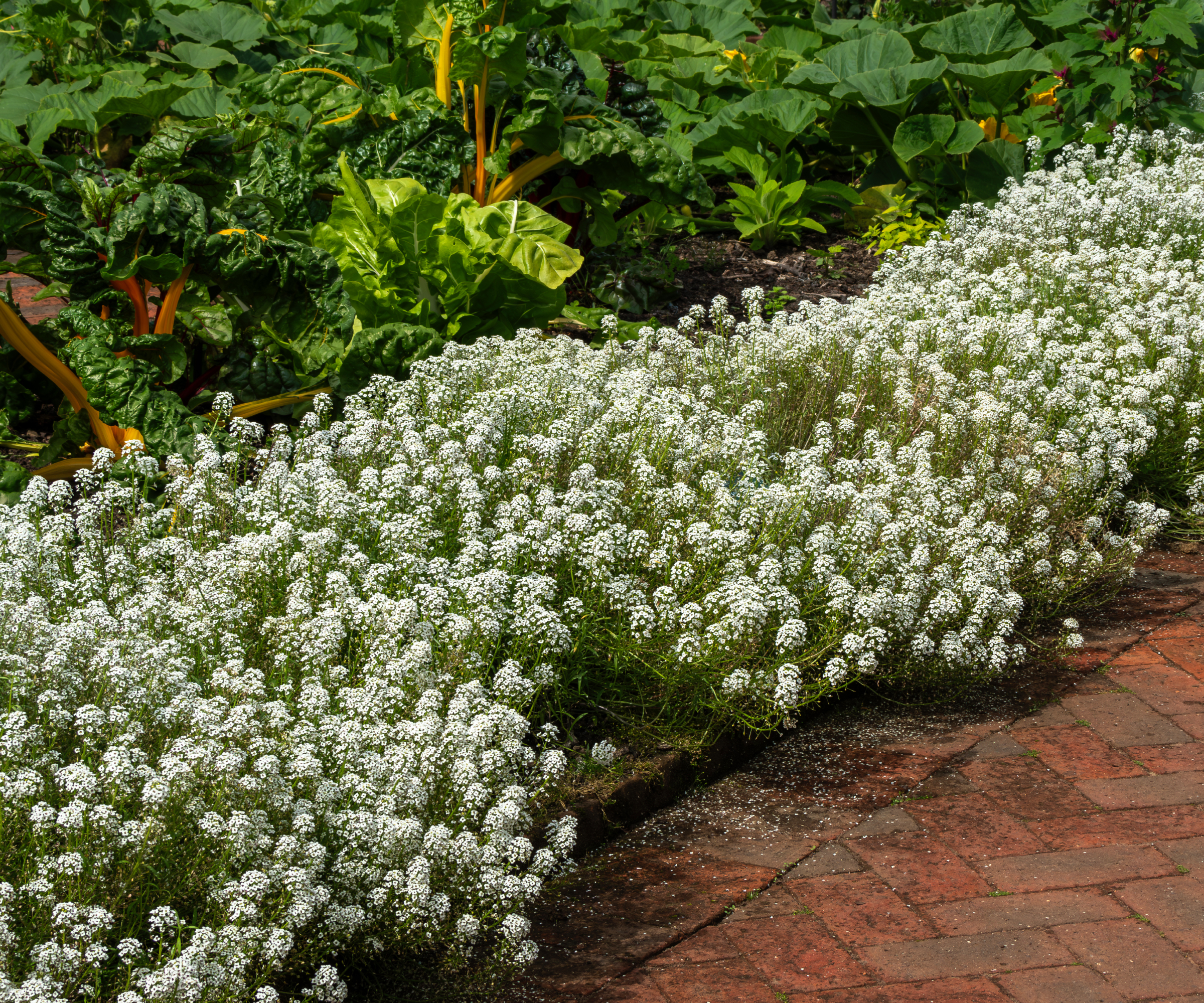
2. Sweet Alyssum
(Image credit: TonyBaggett / Images)
You may be familiar with this popular low-growing annual, with its sweet honey-like fragrance and tiny white, pink, or purple flowers. Sweet alyssum (Lobularia maritima) creates a colorful carpet of small blooms to blanket your garden or landscape. They move from seed to flower in less than two months.
Alyssum’s finest moments occur in cooler weather – it blooms best in spring and fall. In the fall, this annual’s tiny seeds explode across the entire garden bed, sometimes falling into cracks and pathways as well. It is a highly prolific self-seeder that pops up relentlessly year after year.
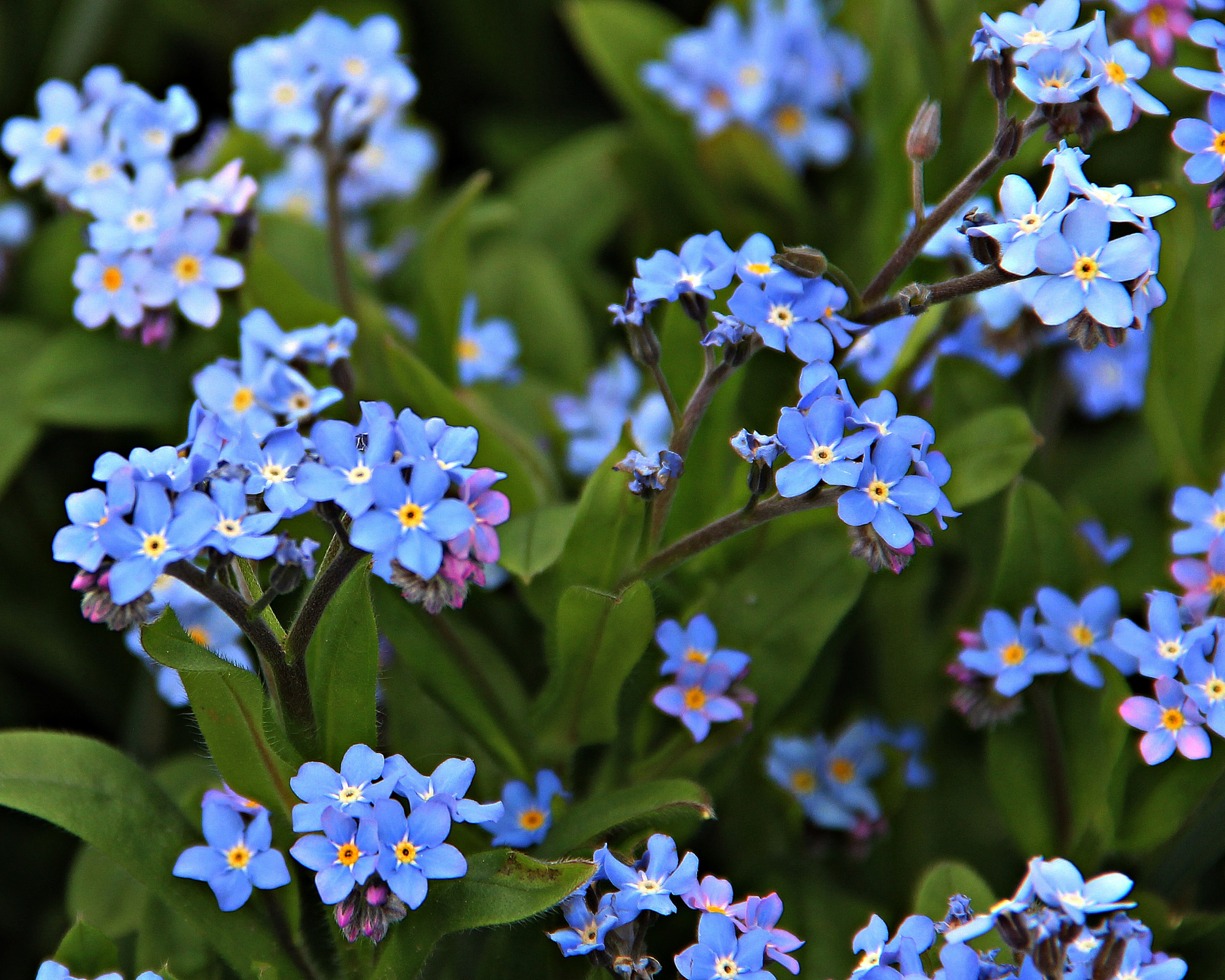
3. Forget-Me-Not
(Image credit: Jasenka Arbanas / Getty Images)
Forget-me-nots (Myosotis spp.) are yet another plant that can be termed prolific self-seeders. These beautiful shade-loving flowers will create a magnificent low-growing cloud of blue flowers with yellow or white eyes in April and May. The blooms are small with five lobes and appear in dense clusters in springtime.
But forget-me-nots are more resilient than their delicate appearance may suggest. Once established, these lovely flowers look to their future. They drop innumerable dark seeds in late summer.
Their sticky seeds can travel on clothing or pets to reseed in new locations. They often drop enough seeds to reseed the original patch as well. Their valiant self-seeding efforts can create an unyielding carpet of blue in your landscape.
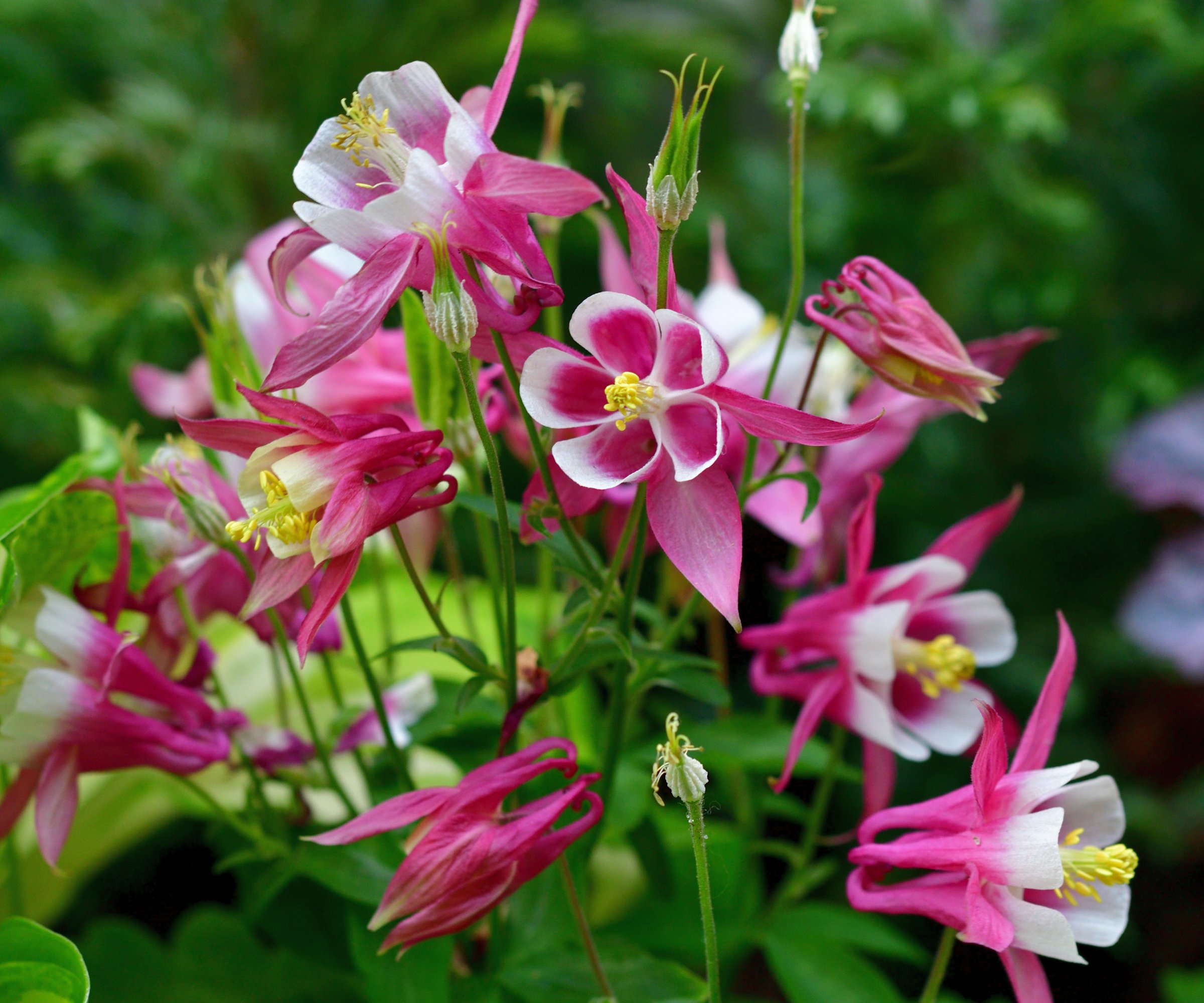
4. Columbine
(Image credit: Photos from Japan, Asia and othe of the world / Getty Images)
Most of the tough self-seeding plants featured in this article look frilly and romantic at first glance. But few can equal the lyrical beauty of the ethereal and enchanting columbine (Aquilegia spp.) when it blooms from April through June.
This breathtakingly beautiful flower offers small bell-shaped blossoms with five petals nestled within five long backward-extending spurs. The petals can be red, pink, lavender, blue, yellow or white – or a combination of these shades. They have lacy, blue-green foliage that is also attractive.
But columbines bear seeds once they have flowered. As the seed pods dry out, they scatter their seeds freely. The tiny seeds can fall to the ground near the plant, but can also travel on the wind. They are quick to sprout whether they fall in full sun, dappled sun, or deep shade.
5. Johnny Jump-Up
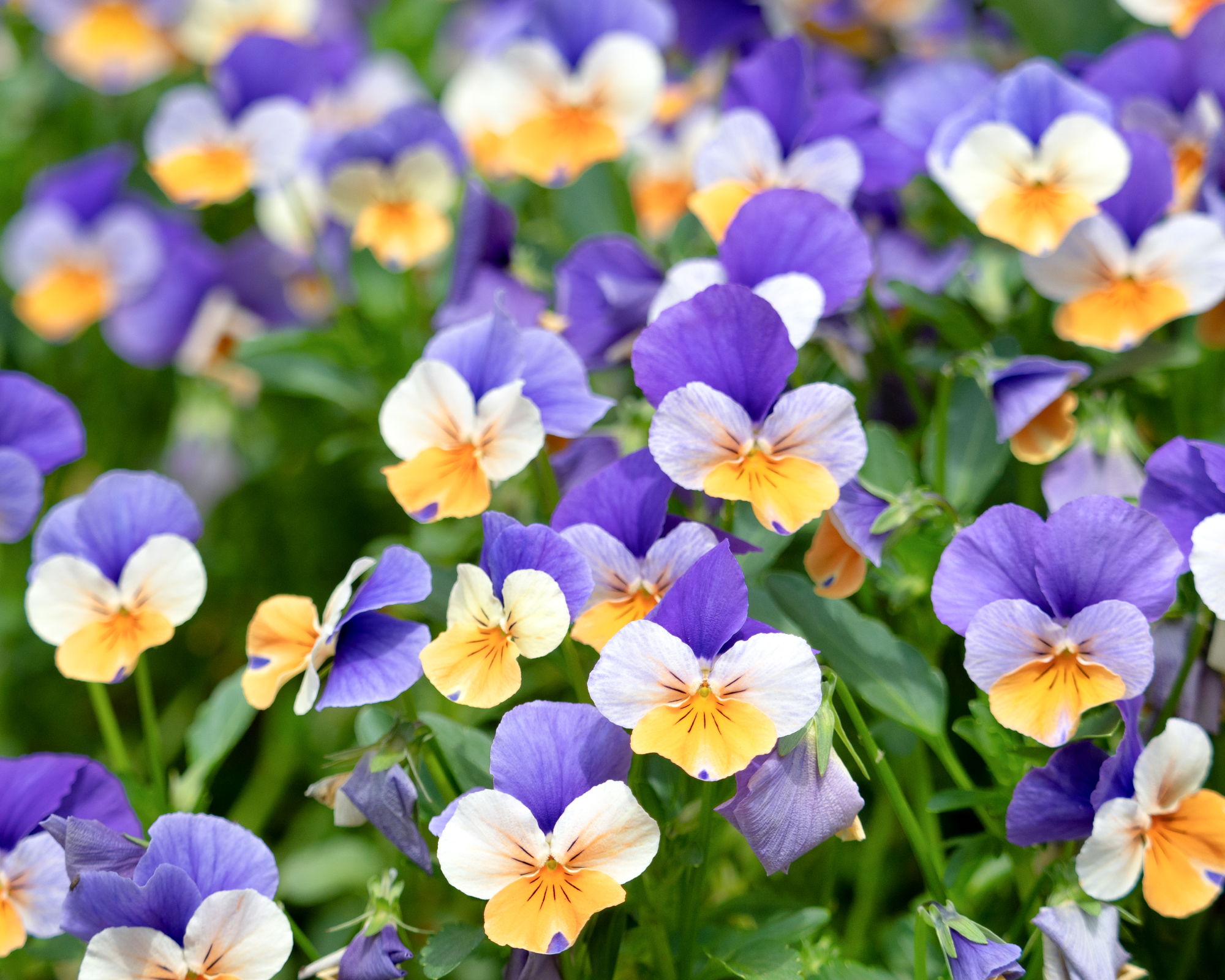
(Image credit: y-studio / Getty Images)
Johnny jump-up (Viola tricolor) is a little, tricolor flower that makes people smile. The flower “faces” are cheerful shades of purple, yellow and white, and they appear on compact plants. These are also cool-weather plants, blooming best in the weather of spring and fall rather than summer.
Is Johnny jump-up a re-seeder? And how! It reseeds so freely that one small planting can carpet a bed with returning color for years. It can actually reseed and grow in virtually any location, so look for the flowers not just in garden beds, but along pathways, in gravel driveways, and even between stepping stones.
Shop Plant Control Must-Haves
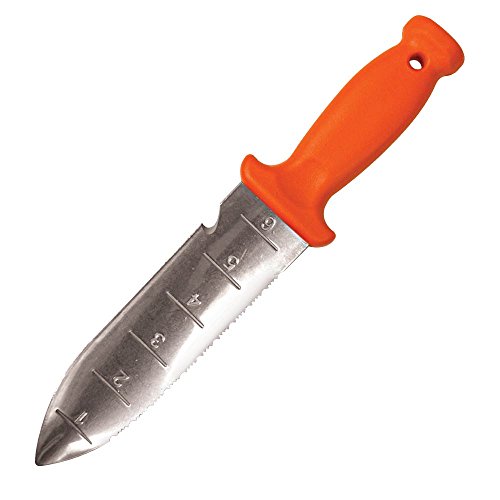
A.M. Leonard Deluxe Soil Knife
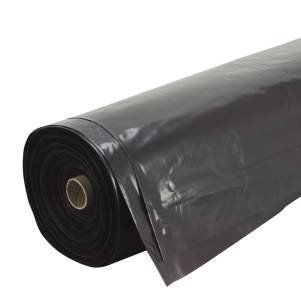
Frost King Polyethylene Sheeting, 10' X 25'
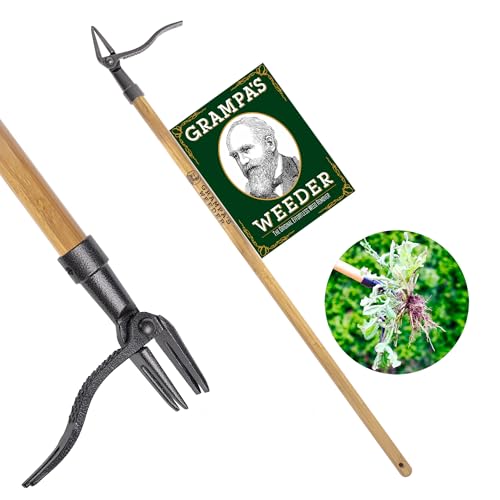
Grampa's Weeder Original Stand Up Weed Puller Tool
If you have individual plants you need to pull, Grampa's Weeder is so easy (and pretty fun!) to use.
















 English (US) ·
  French (CA) ·