

When you think of succulents, you might assume they need endless hours of sunshine and warm temperatures all year long to survive. While that is certainly true of some species, there are many that are far tougher than most people realise. In fact, several hardy succulents that love summer heat are equally capable of surviving freezing winters in the backyard.
Take Sempervivum, or houseleeks. They come in countless shapes, colours and forms. They are striking, yes – succulent and a little strange – but they are also remarkably hardy, tolerating winters down to USDA zone 3. So, if you have a gravel garden, rockery or sunny border that needs evergreen interest throughout the year, this resilient plant is one to consider. For a plant with a more dramatic character, look to the prickly pear. Native to much of North America, it has adapted to cope with blistering summer temperatures as well as surprisingly cold, frosty winters down to zone 5, making it one of the toughest succulents for outdoor growing.
If you want colourful, low-maintenance plants that shrug off scorching summers and freezing winters alike, here are six fabulous succulents to try in your yard this year.
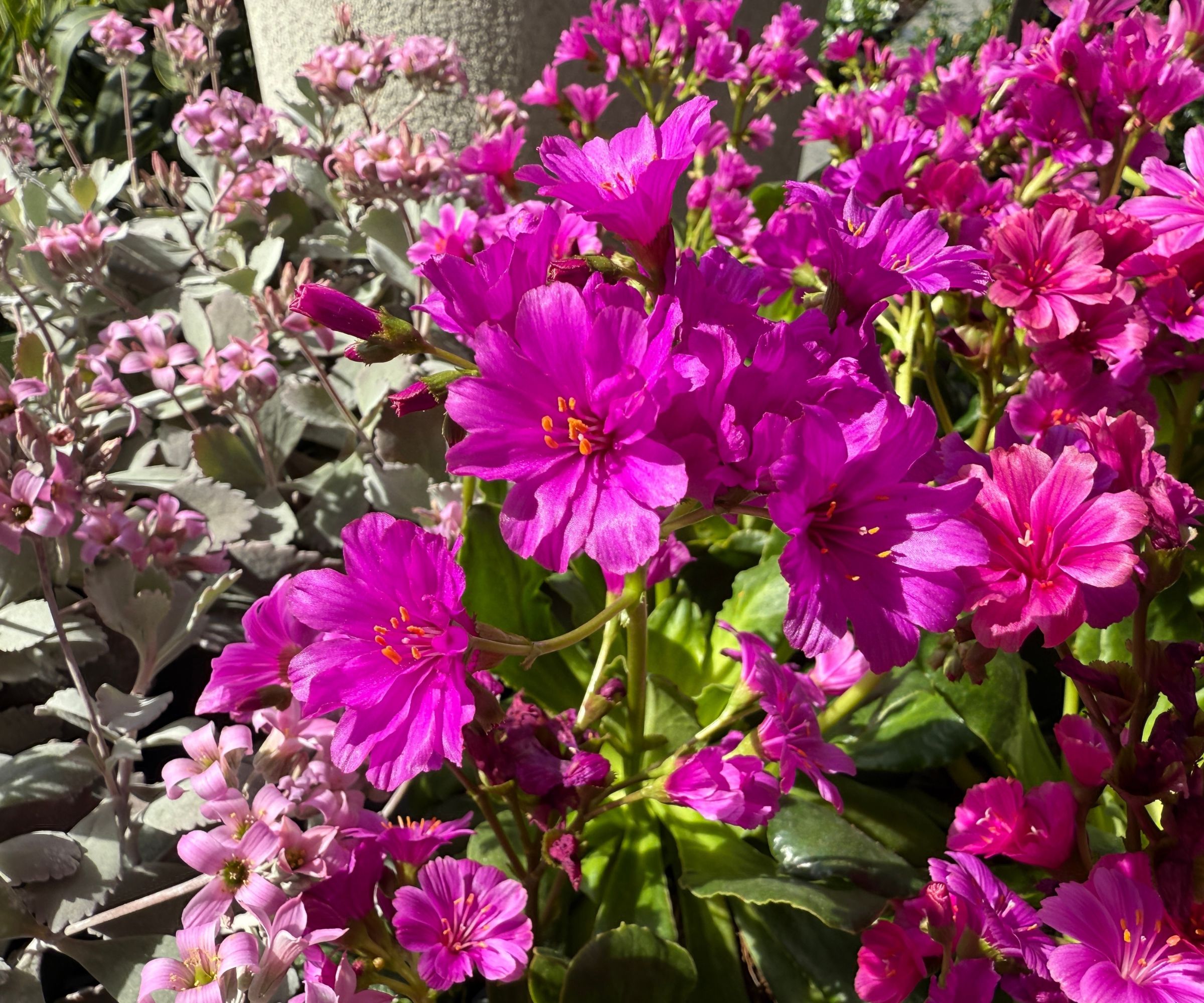
1. Lewisia
(Image credit: Olena Lialina/Getty Images)
Lewisia may be small but, when plants burst into flower in spring, it's unforgettable. Masses of jewel-like blooms in shades of pink, peach, orange, yellow and white are produced above neat evergreen succulent rosettes and, while the plant itself only grows to around 1-3 inches tall, each flower can be 3 inches across.
Native to the rocky hillsides and mountains of western North America, Lewisia rediviva has evolved to thrive in places where many other plants would simply give up. Hardy in zones 3 to 8, lewisia is ideal for alpine beds, rockeries, gravel gardens or tucked into the cracks and crevices in the yard. It's a heat-tolerant plant, although gardeners in the hottest southern states may find it benefits from a little afternoon shade. Lewisia 'Rainbow Mix' hardy succulent plants are available from Walmart.
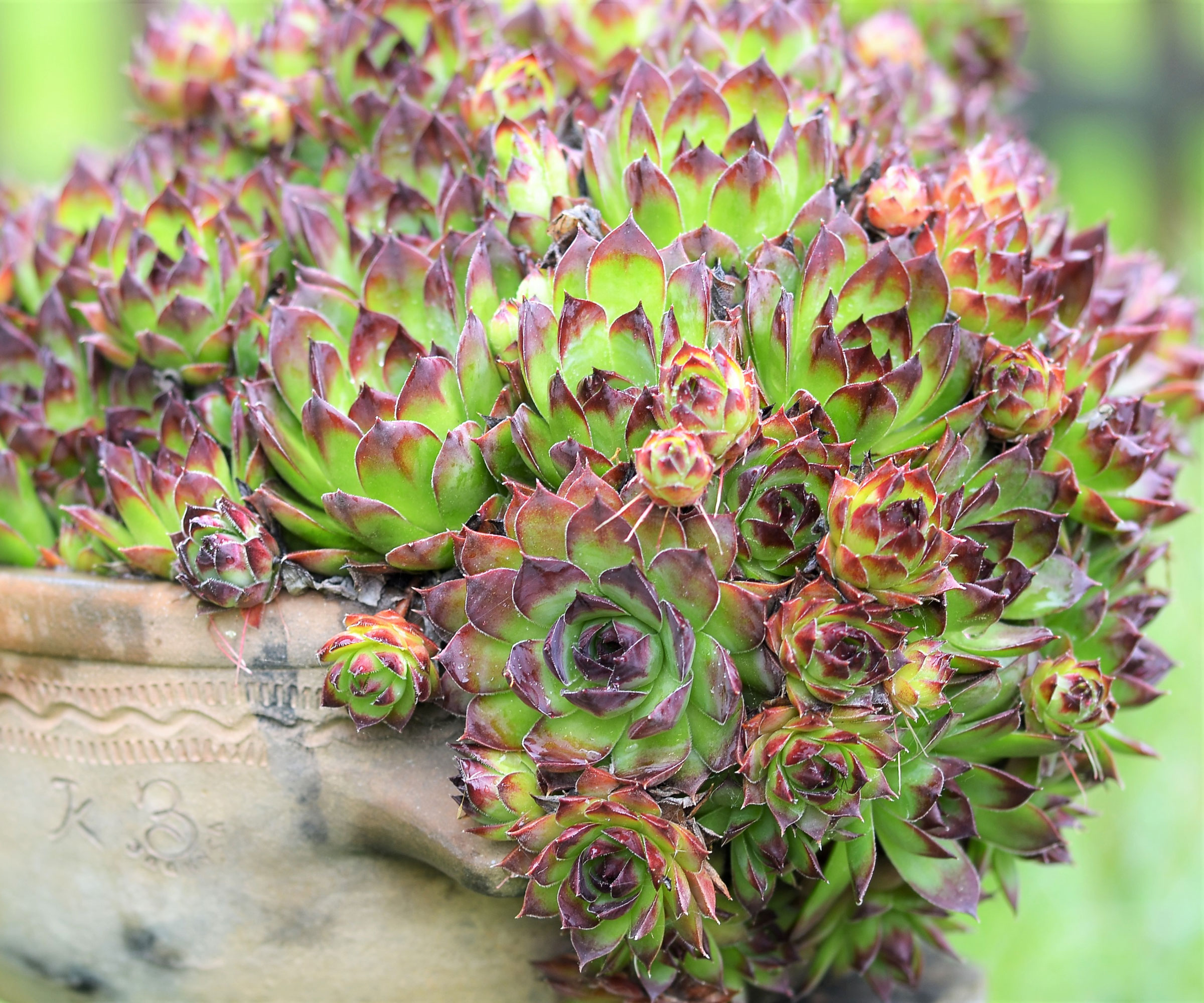
2. Houseleeks
(Image credit: VladanaS / Shutterstock)
Hardy to around zone 4, houseleeks are native to rocky mountain regions across Europe, where they have adapted to survive blazing sunshine, poor soils and freezing winters. Their botanical name, Sempervivum, literally means 'always alive' in Latin, which tells you much about their resilience. Their common name, hen and chicks, refers to how it spreads, with one central plant (the hen) producing a crowd of offshoots (the chicks).
There are all sorts to choose from: take a look at the wide selection of houseleeks stocked by Plant Addicts for an idea of the vibrant range of colors available. A particular favorite is Chick Charms Gold Crown, available from Plant Addicts and hardy down to zone 3, with striking red leaves tipped in golden yellow.
Whatever variety of these drought-tolerant plants you opt for, be sure to give them a sunny position in gravel gardens, terracotta pots or simply directly into your borders. Sempervivum need free-draining, gritty soil so if needed, add horticultural perlite such as this from Amazon to soil to help prevent waterlogging.
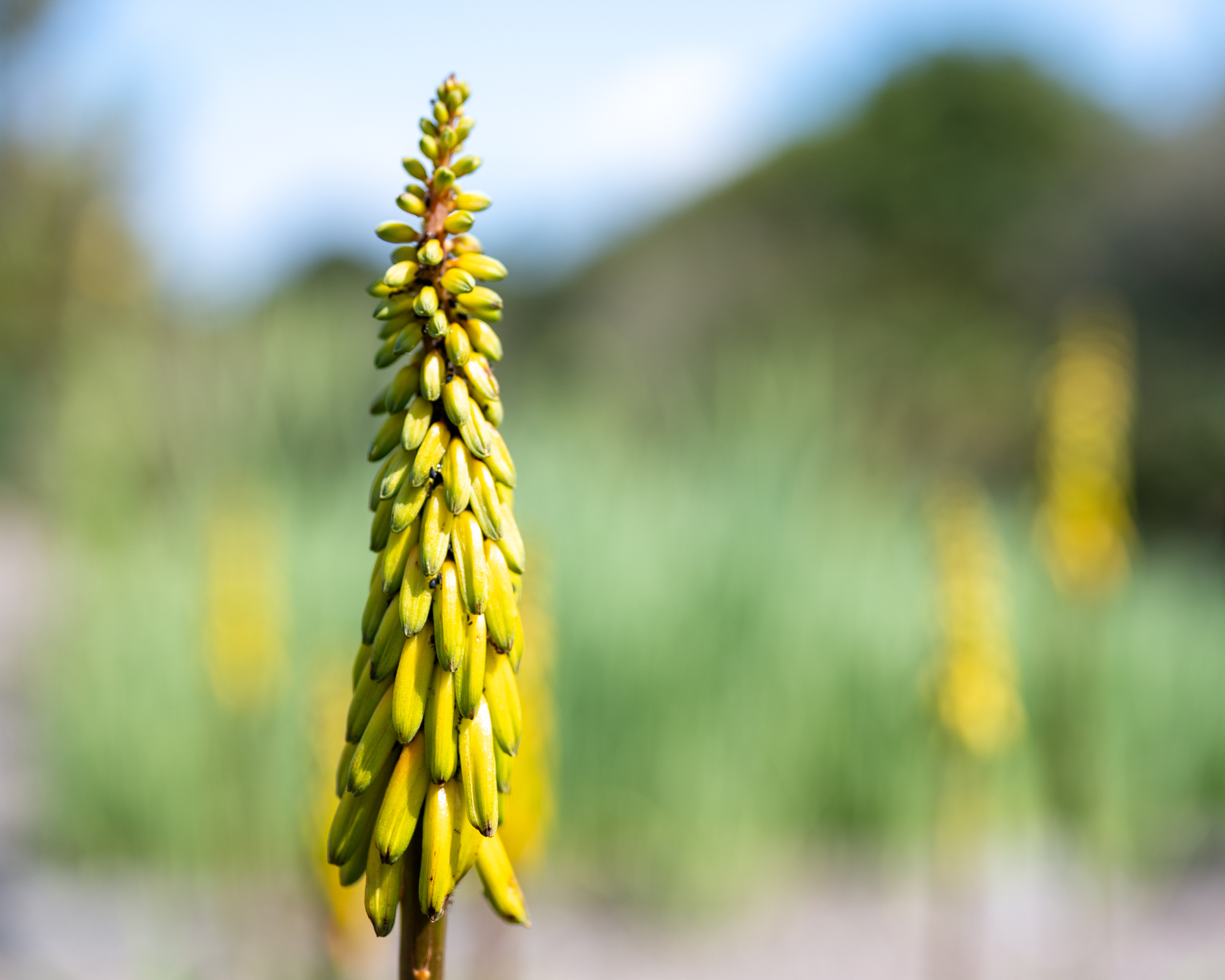
3. Hardy Aloe
(Image credit: Getty Images)
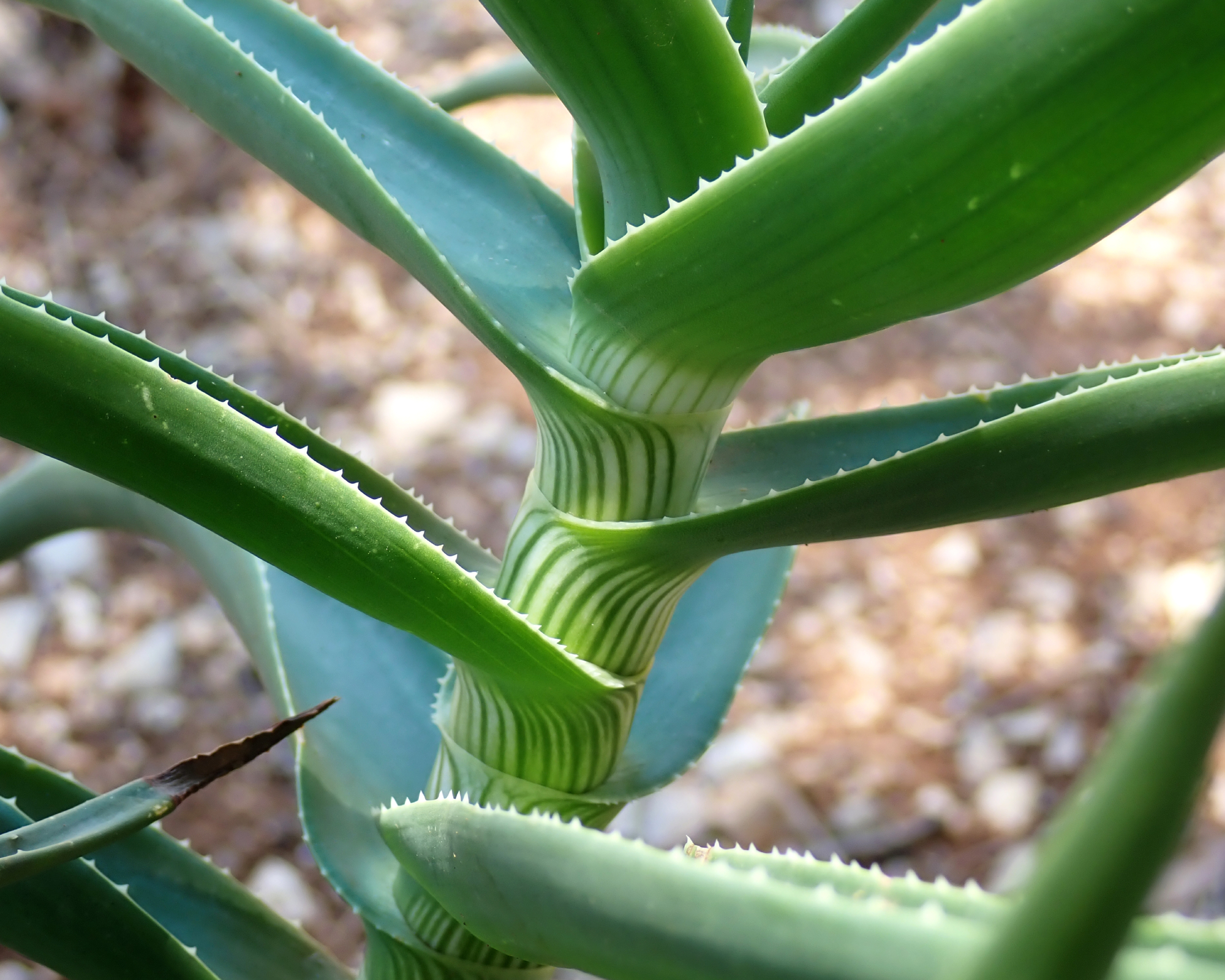
Most aloes are remarkably tender and need frost-free conditions to survive. There is, however, one notable exception. Hardy aloe, or Aloiampelos striatula, can cope with temperatures down to around zone 8, making it a realistic option for gardeners across parts of North and South Carolina, Georgia, Alabama, Missouri and Arkansas.
Native to the mountains of South Africa, where hot, dry summers are followed by mighty cold winters, this is a succulent that can tolerate extremes. It has attractive striped green stems and, in summer, produces tall spikes of orange-yellow flowers that are a little like those of red hot pokers (Kniphofia).
(Image credit: Getty Images)
Hardy aloe plants are available from Heron's Head Nursery. Position in full sun and free-draining soil, and – depending on conditions – it can grow to a height of 6 feet. In particularly cold winters, the foliage may look a little worse for wear, but don't panic – it should produce fresh growth in spring.
4. Yucca
(Image credit: Getty Images)
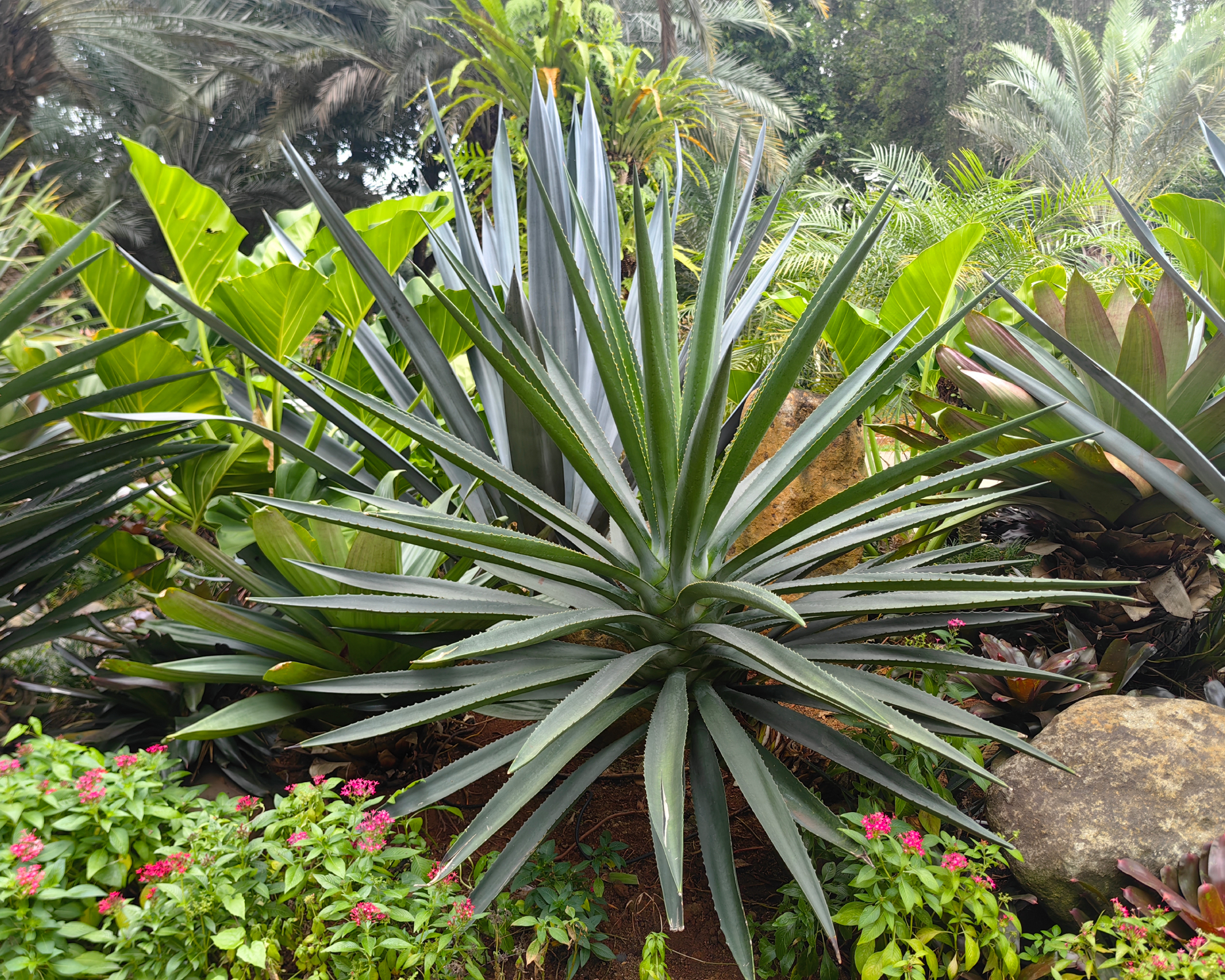
Some of the easiest succulents to grow outdoors are yucca, and they're a popular choice not just because they're so drought tolerant, but on account of their architectural form. Silver-leaved plants are attracting plenty of attention of late: not only do their cool blue-grey tones create calm, contemporary planting schemes, but they are often some of the toughest plants for climate-proofing a yard. Yucca rostrata is hardy down to zone 5 with an architectural crown of spiked silver foliage. Yucca rostrata plants are available from Exotic Cactus Collection via Amazon and, while it's capable of eventually growing to 13 feet, this is an incredibly slow grower.
A better choice for a smaller garden is Yucca filamentosa 'Color Guard' which boasts golden-yellow variegated foliage and is evergreen down to zone 4. Only reaching 3 feet high with an upright, compact habit, Yucca Color Guard plants are available from Nature Hills.
5. Ice Plant
(Image credit: Getty Images)
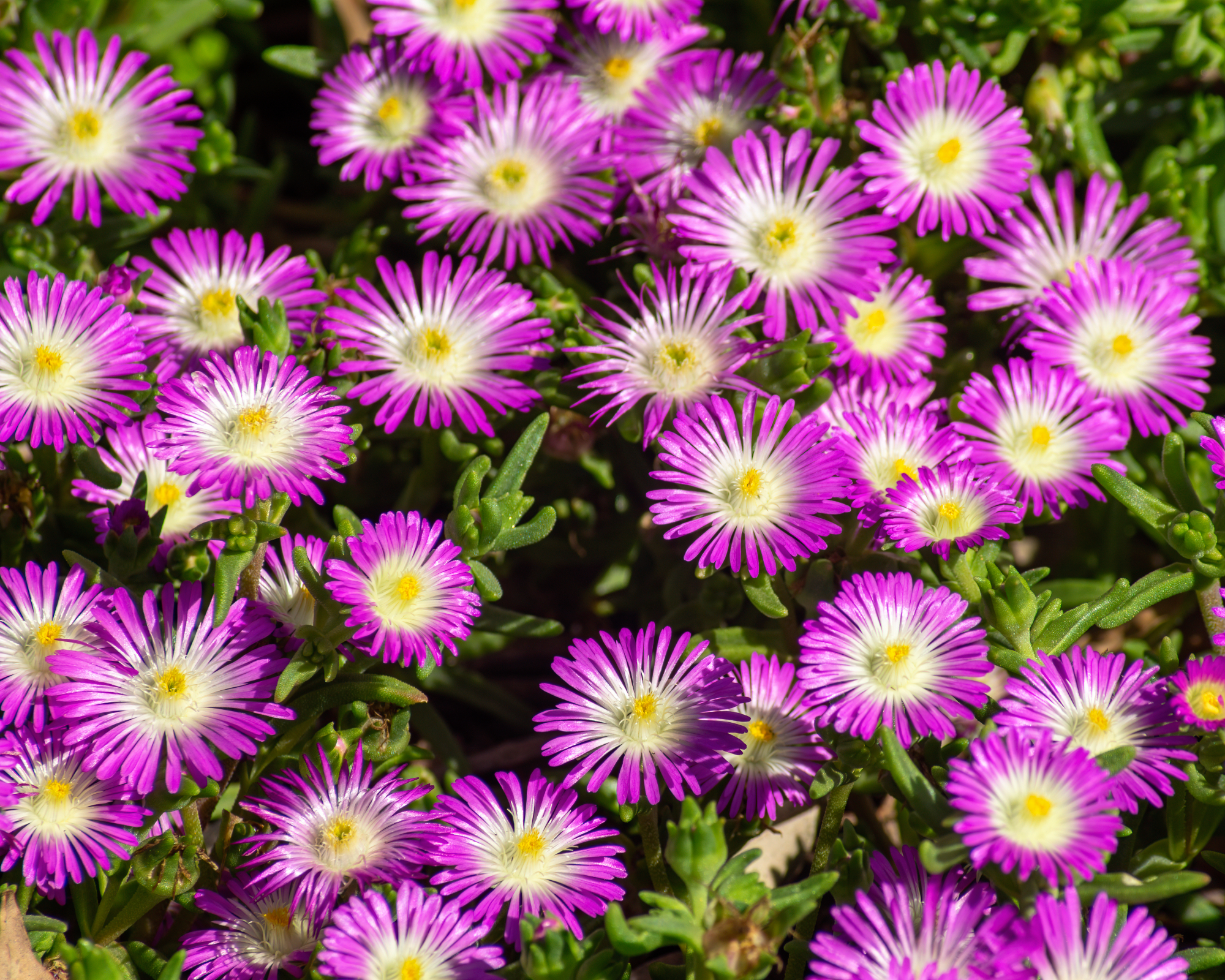
Ice plants are some of the hardest-working groundcover plants for hot, dry gardens, carpeting the soil with masses of daisy-like flowers for months from early summer through to fall. The fleshy evergreen foliage is almost hidden beneath masses of bright blooms, creating a rather pretty display that bees and butterflies cannot resist. Low growing, this succulent is ideal for edging paths or lining the front of borders.
For maximum flower power, look to more modern ice plant series, bred to bloom particularly abundantly, and Plant Addicts stocks a great selection. Kaleidoscope by Proven Winners is hardy down to zone 5 in vibrant tones from dramatic Pink Radiance to crimson Dancing Embers. Ocean Sunset by Proven Selections is a little less hardy, suitable to zone 6, and has particularly intense colors, especially the Violet variety.
Add hardy ice plants to your borders and they will thrive in full sun and poor, sandy or gravelly soils where many other flowering perennials would struggle. Once established, no supplemental watering is needed.
6. Prickly Pear
(Image credit: Getty Images)
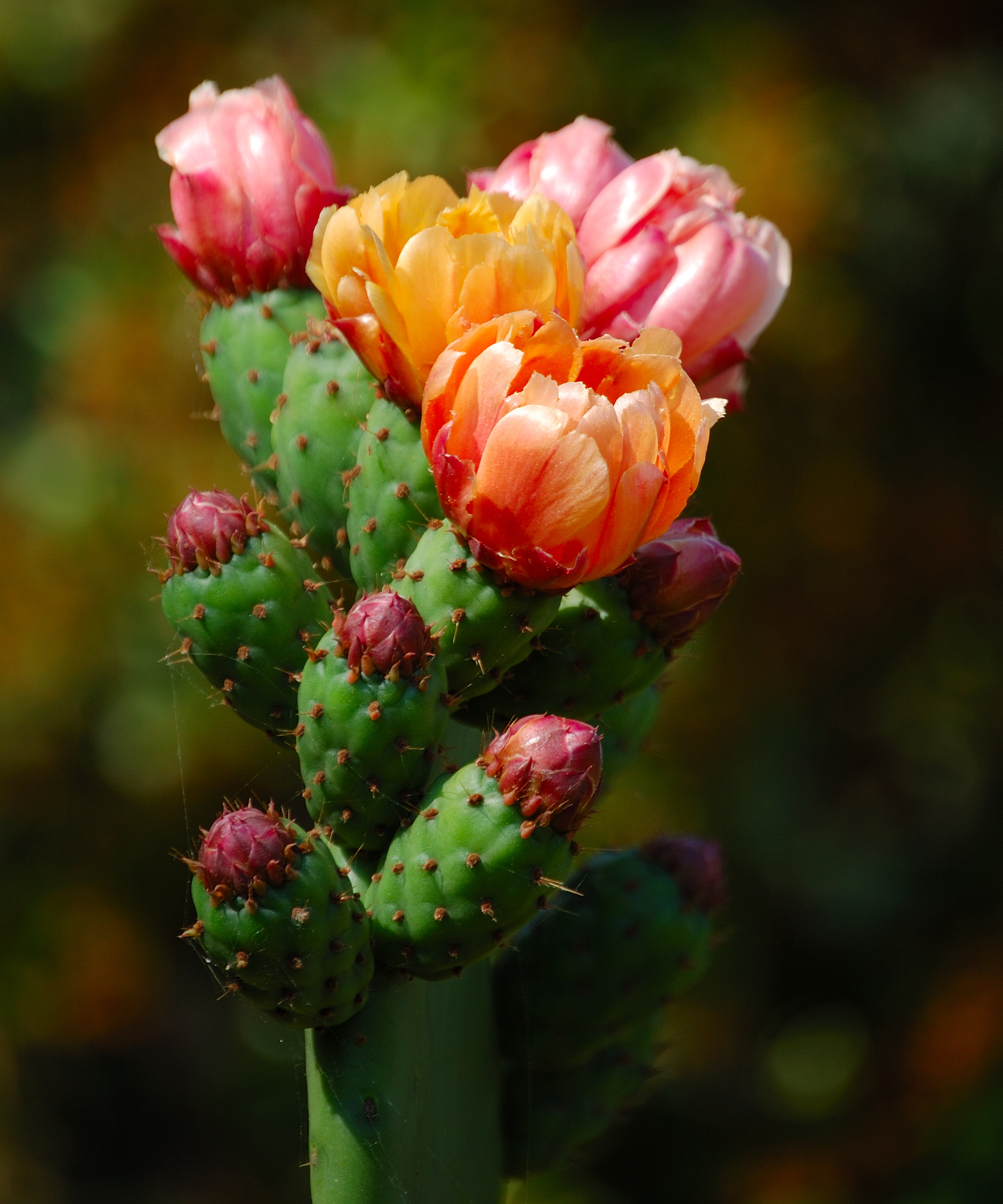
Prickly pear, or Opuntia, proves that tough plants can be beautiful too. Hardy down to zone 5, this native cactus naturally grows across the deserts and grasslands of the United States and Mexico, where scorching summer days are often followed by surprisingly cold nights. That ability to cope with extremes makes this one of the best succulents for year-round growing outdoors.
With paddle-shaped evergreen stems, vibrant yellow, orange or pink flowers and colourful fruits, prickly pears bring plenty of architectural interest to sunny borders. It thrives in full sun and poor, sandy soil, needing very little water. Sizes range from 6 inches to 15 feet high and wide, depending on the species, so there's sure to be one that fits your garden perfectly. These purple prickly pear plants from Walmart reach a manageable 1-2 feet at maturity.
One word of warning: the spines and tiny hair-like glochids come with a warning. Position these plants towards the back of a border in large yards rather than beside paths or seating areas, particularly if children or curious pets regularly use the space.
The Secret to Overwintering Succulents
Whichever of these succulents you choose, success is determined by how free-draining the soil is. Succulents dislike sitting in rich, moisture-retentive soil, and excess moisture is a bigger killer than cold. Give your succulent the free-draining conditions it needs and it will cope with far lower temperatures than if planted in a wetter environment.
Mix sand, gravel or coarse grit into the soil and, if your ground is on the soggy side, grow your succulents in containers, raising the pots on risers such as these pot lifters from Amazon. Resist the urge to over water, too: succulents would much rather be too dry than too wet, whether grown in borders, gravel gardens or patio pots.
More Striking Hardy Succulents to Try
To find out more about inspirational gardens and gardening, read The Garden Through Time by Thomas Rutter, available from Amazon. From Persian paradises to New York’s High Line, this volume offers practical ideas and plant selections to help you design a gorgeous, low-maintenance garden.














 English (US) ·
  French (CA) ·