

August is when a tomato garden stops being a project and starts becoming a serious workload. Plants sag under the weight of fruit, harvests outpace your kitchen, and the gear that seemed optional back in June suddenly is not.
It’s typically best to buy your tomato growing gear early in the season, when the plants are small and the summer still looks manageable. By the time a vine is six feet of tangled growth loaded with fruit, the gap between what is on hand and what is needed becomes obvious fast. Luckily, that gap doesn't cost much to close.
The tomato growing tools that earn their place this late are not glamorous. They hold plants upright or help move fruit from the garden to the kitchen. Here are the essentials you should snap up now, if you didn’t buy them at the beginning of the season.
Essential August Tomato Tools
Most of the tools you need for growing tomatoes in August remain useful for years. Late-season tomato problems are often mechanical rather than mysterious. Plants fall over. Fruit gets bruised on the walk indoors. A countertop fills faster than anyone can eat through it. Here are the tools you need to help solve these common issues.
1. Heavy-Duty Tomato Cages
(Image credit: Alamy)
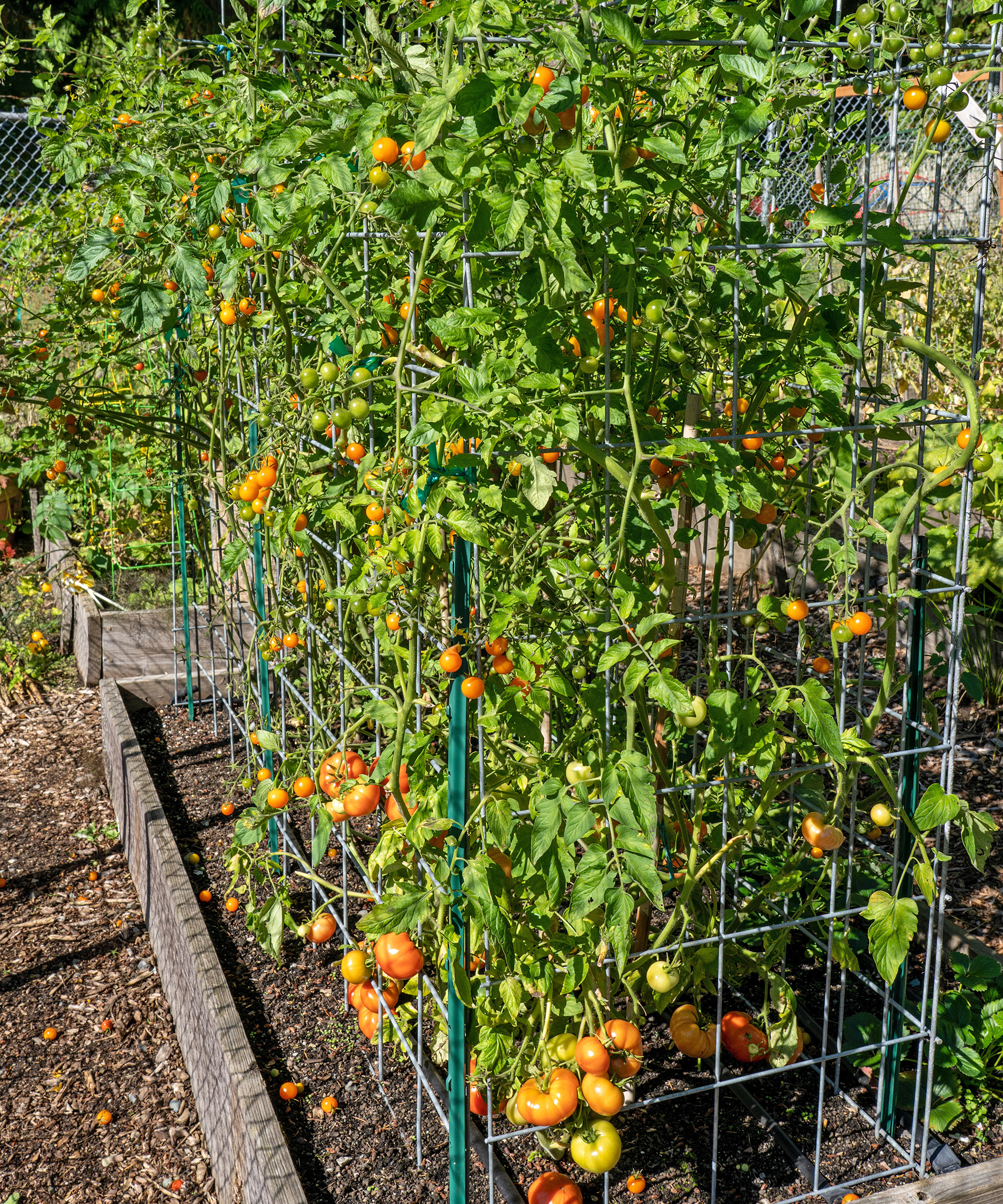
The flimsy tomato cages sold every spring are the first thing to fail. An indeterminate tomato in August weighs far more than that wire was built to carry. A plant that goes over in a storm snaps stems and drops fruit onto wet soil where it rots. Damage at this stage in the season does not grow back. Fruit on the ground draws slugs besides.
A square tomato cage from Home Depot in heavy-gauge steel holds a mature plant without leaning and the wide openings make picking easier than a cone cage ever did. Fitting one over a grown plant takes patience, but still beats staking a collapsed vine after the fact. Anything already flopping can be tied to a stake driven at least 12 inches (30 cm) deep.
Another great alternative is to use modular tomato cages – Senior Editor Liz swears by this trellising method. You can easily install modular cages even when plants are large and full of heavy fruit. Just snap them together around the plant.
2. Potassium-Heavy Fertilizer
(Image credit: Valeriy_G / Getty Images)
Fertilizing tomatoes in August isn't very important – or so the thinking goes. But plants still setting fruit draw hard on potassium and container tomatoes in particular have run through all their nutrients by midsummer. A plant that quits flowering in the heat needs reserves ready for September, because a second flush is usually there for anyone who feeds it.
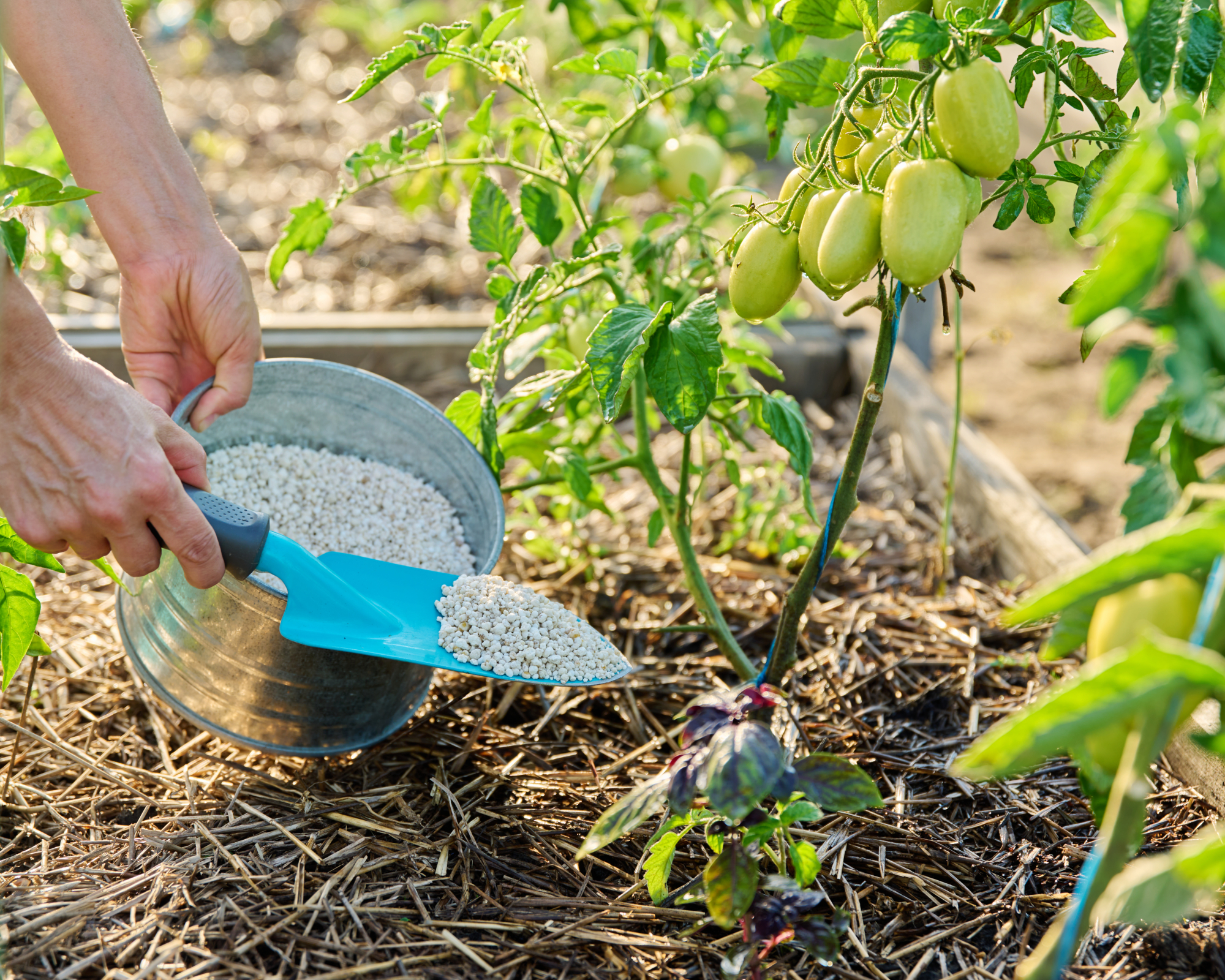
Espoma Tomato-tone from Amazon is a 3-4-6 mix, which puts potassium ahead of nitrogen. That's important where fruit quality is concerned. This mix includes calcium, too. Blossom end rot is nearly always a watering problem rather than a soil calcium shortage. Steady moisture corrects more cases than any product would, though. Granular feeds go in around the drip line rather than against the stem, then get watered in.
3. Sharp Bypass Pruners
(Image credit: Hakase_ / Getty Images)
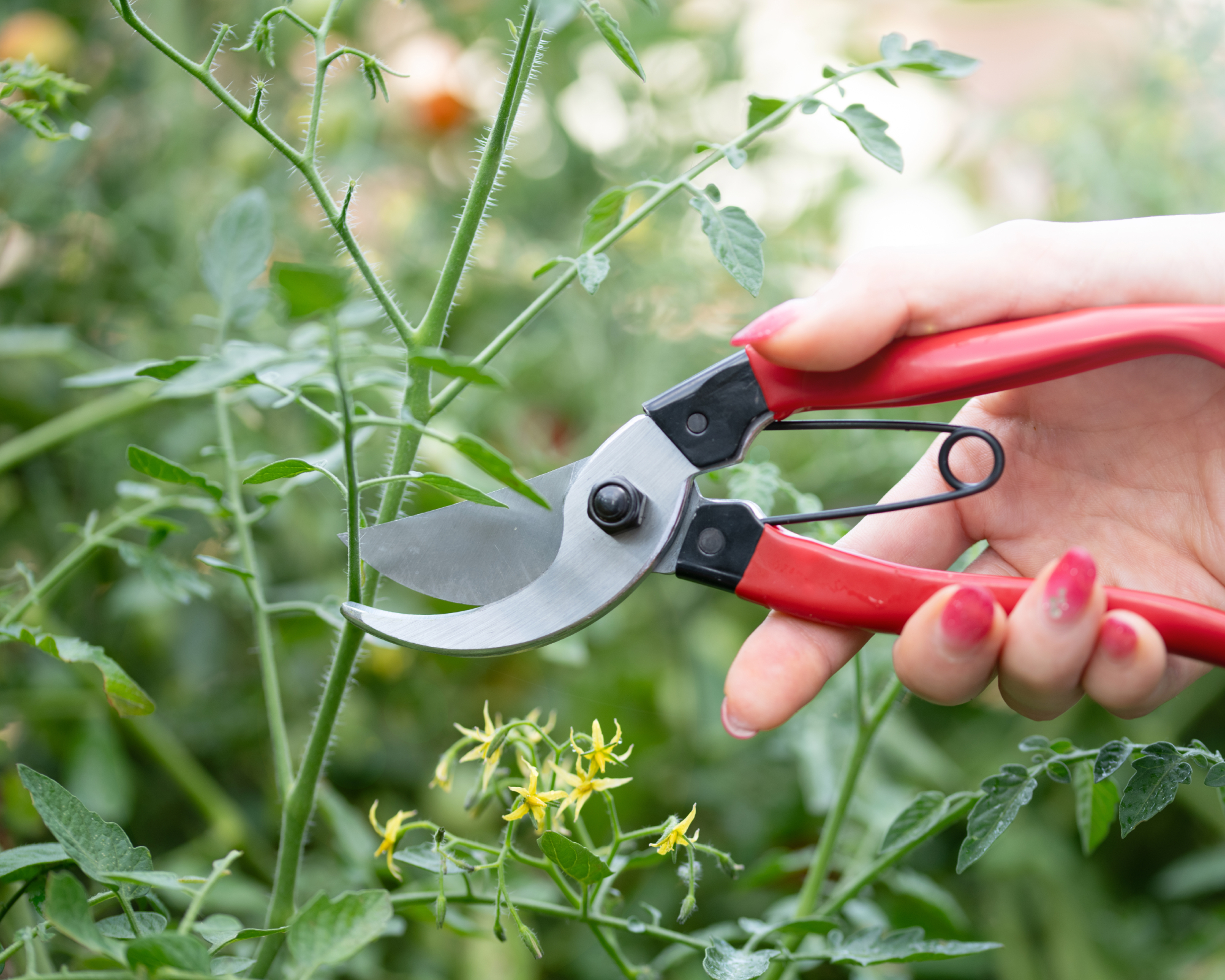
Harvesting tomatoes by hand can tear the vine. Twisting a stubborn one may snap the branch it grew on. An August plant is carrying too much fruit to spare the stems. Lower leaves need removing now as well, since foliage touching the soil gives early blight a route up the plant. Tomato suckers are worth pinching out too, since a plant this size gains nothing from more foliage.
A pair of bypass pruners from Lowe's makes clean cuts that seal quickly, unlike the crushed stubs left behind by anvil-style tools or bare fingers. Wipe the blades between plants to prevent spreading diseases. That takes seconds and slows whatever is already loose in the patch.
4. Harvest Basket
(Image credit: Shutterstock)
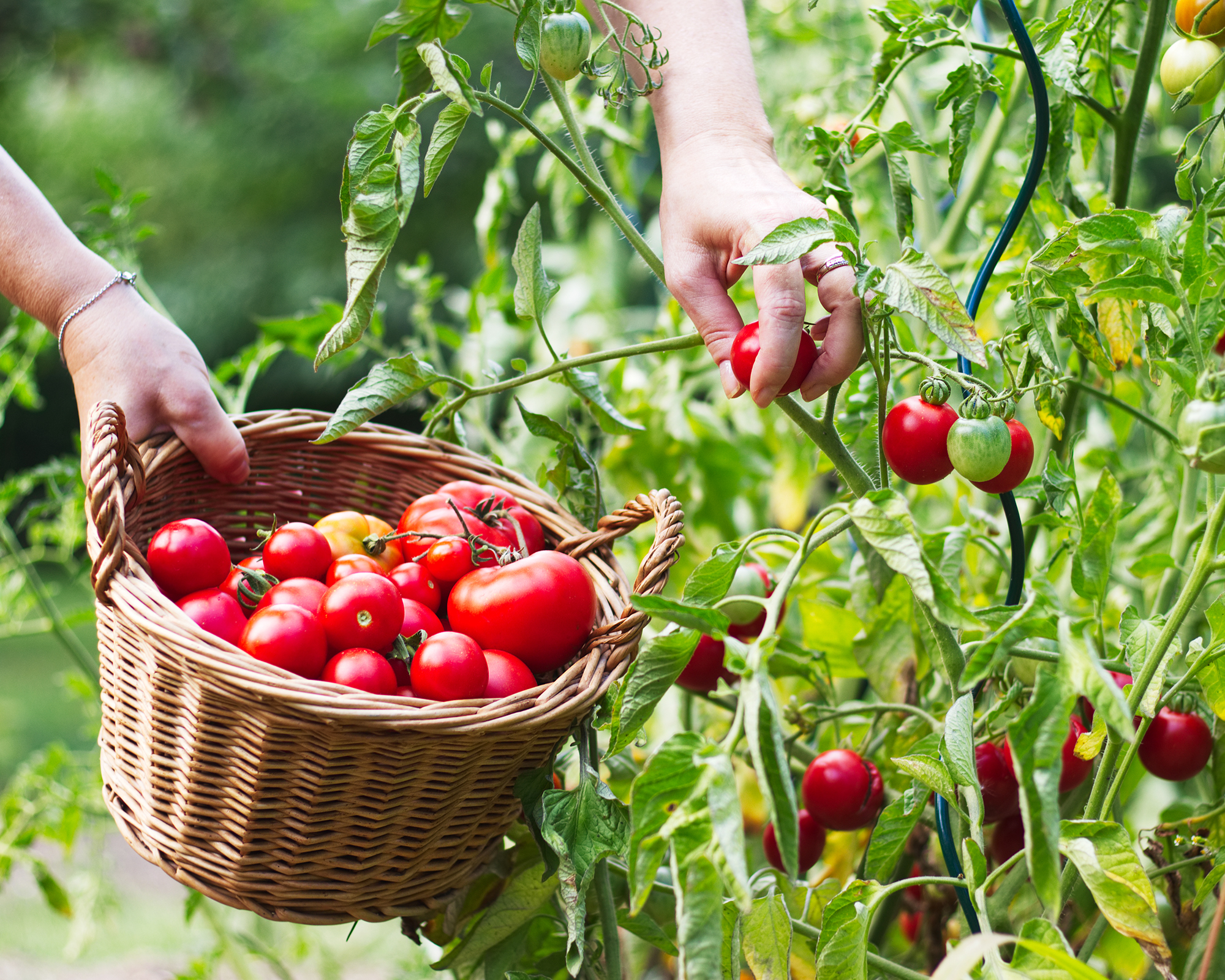
Shirt hems and buckets both fail when you have a hefty tomato harvest in August. A shirt holds a limited number of tomatoes before something drops and a solid bucket lets the bottom layer get crushed under whatever lands on top of it. Ripe fruit bruises easily, too. Anything bruised has to be used the same day.
The Fiskars harvesting basket from Amazon has a colander side, so a load can be rinsed with the hose and drained before it reaches the counter. The flat bottom sits rather than tips, which sounds minor until a full load goes over. Rinsing outside turns a two-trip job into one and soft spots show up under the water.
5. Water Bath Canner
(Image credit: LAWaterhousePhotography / Getty Images)
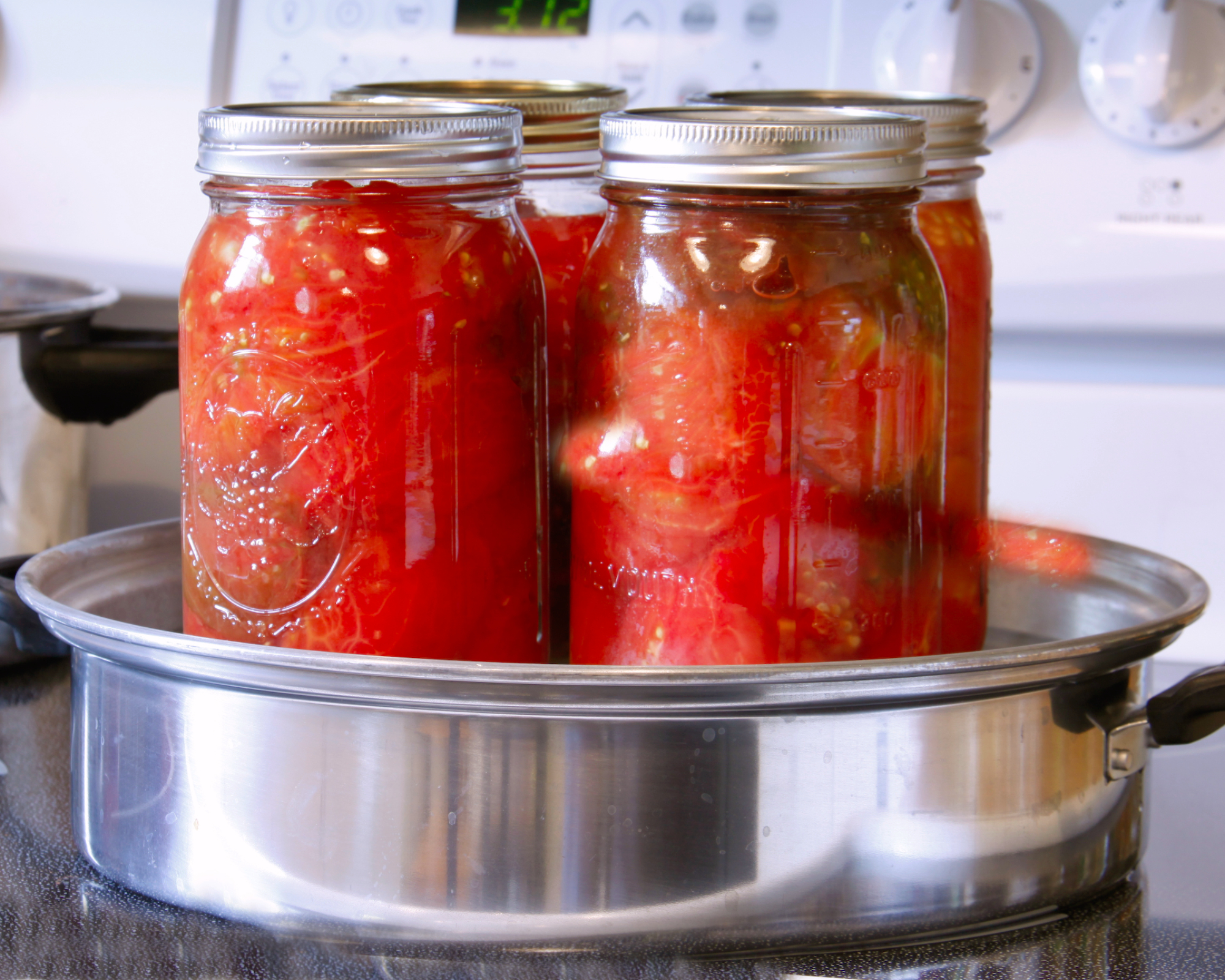
A big glut of ripe tomatoes always seems to land all at once. A short row of healthy plants puts out more in two weeks than the average household can eat in a month and freezer space runs out long before the vines do. Tomatoes are acidic enough for water bath canning, which is the simplest way to preserve your vegetable harvest. New lids are single-use, though the jars themselves will last decades.
A Granite Ware water bath canner from Amazon holds seven quart jars and comes with the rack, which matters more than it sounds. Lifting hot jars out of boiling water without one is how people get burned.
USDA guidance calls for added acid in every jar, usually bottled lemon juice or citric acid, since many modern tomato varieties sit close to the safety line. This step is not optional for safe consumption of canned tomatoes.
6. Frost Cloths
(Image credit: Philippe Gerber / Getty Images)
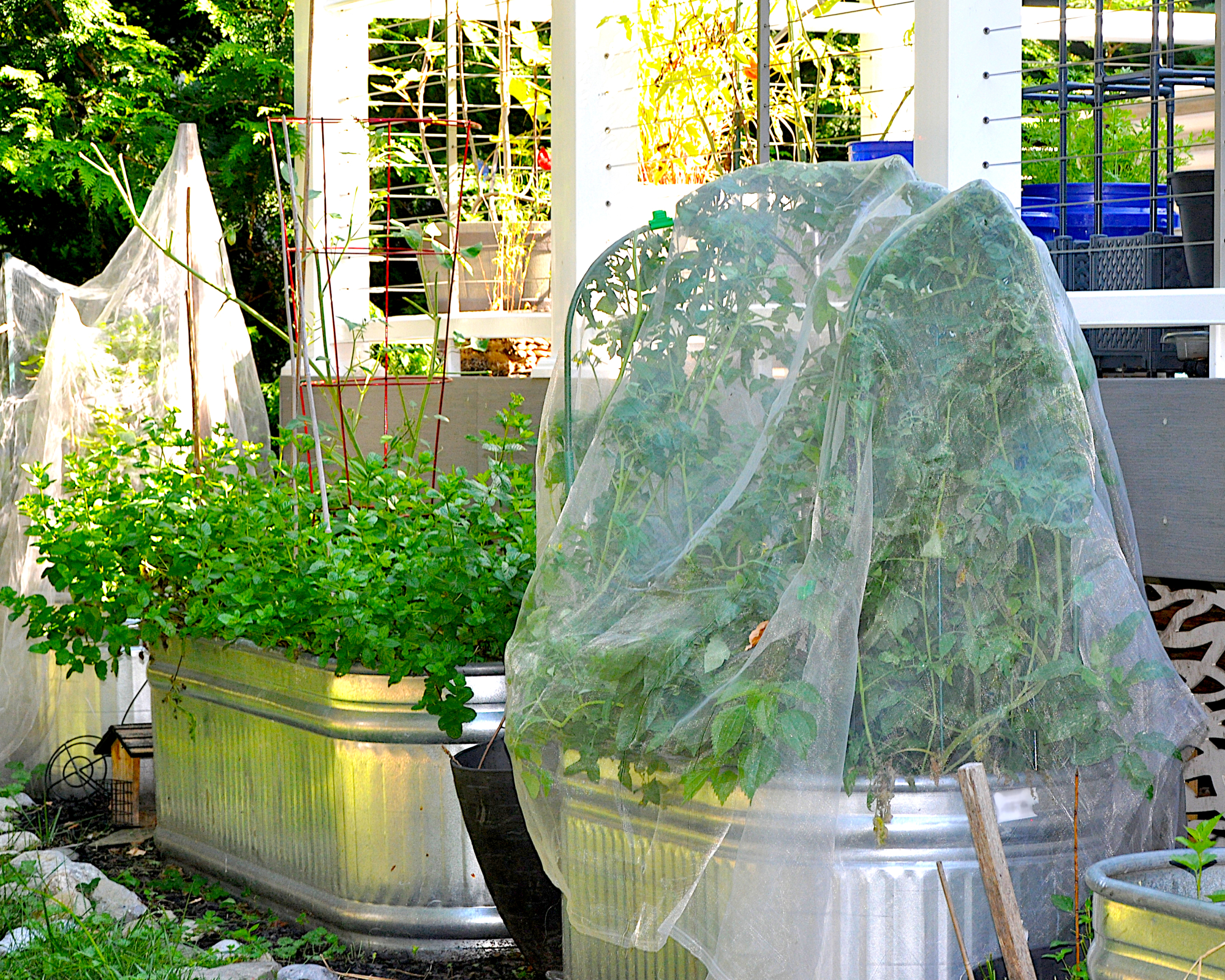
Your local first frost date is an average of past years' first frosts, not a promise. One cold night in late September can end a plant still carrying thirty green tomatoes and the forecast rarely gives more than a day or two of real warning. Anything still green when it happens will ripen indoors in a paper bag, though it never quite matches vine-ripened taste.
A floating row cover from Home Depot draped over the plants ahead of a cold night traps enough warmth to carry them through the cold snap. It goes on before dusk and off in the morning, since trapped heat can do as much harm as cold. Using frost cloths can extend your tomato harvest for two or three weeks, which is enough to separate a decent growing season from a great one.




















 English (US) ·
  French (CA) ·