

The soil is still warm. August feels like the tail end of the growing season, which is exactly why the beds get abandoned early. Six vegetables sown now mature fast enough to fill a harvest basket before frost arrives.
Midsummer gardens start looking tired around now, and it's tempting to let the beds coast into fall. Warm soil speeds up germination, though. Shortening days work in favor of anything grown for leaves or roots. Plenty of crops planted in August will still hit maturity while the weather holds.
Match days to maturity against the average first frost date, then pad that number a little. Cold weather crops handle a light freeze without complaint. Several of them taste better after one. Anything tender has to finish before cold sets in for good, so the fast growers go in first.
Fast Crops Worth Sowing Now
Seed packet advice assume decent conditions. Fall hands out shorter days plus a cooling seedbed, so adding a week or two to that number keeps expectations reasonable.
Soil that is above 85F (29C) will stall germination on a few of these. A soil thermometer from Walmart settles that question in about half a minute.
1. Bush Beans
(Image credit: Getty Images)
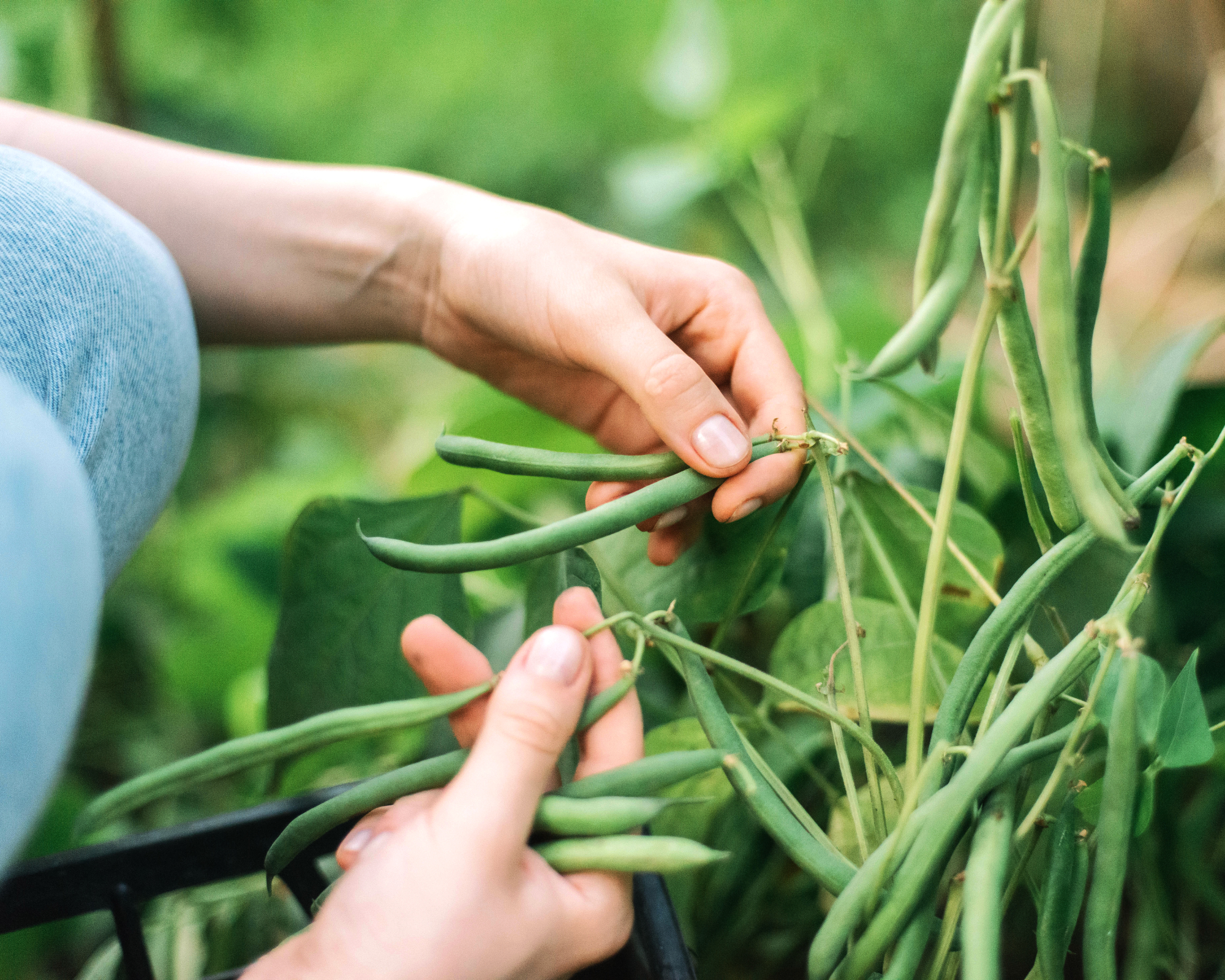
Most gardeners file beans under summer and leave it there. Bush beans (Phaseolus vulgaris) go from seed to picking in roughly 50 days, though, so an August sowing lands comfortably ahead of frost across a lot of the country. Germination in warm ground can happen inside of three days. Beans will not tolerate freezing, at all. The countdown matters here more than it does for the hardier crops. Pick young and pick often.
2. Radishes
(Image credit: Getty Images)
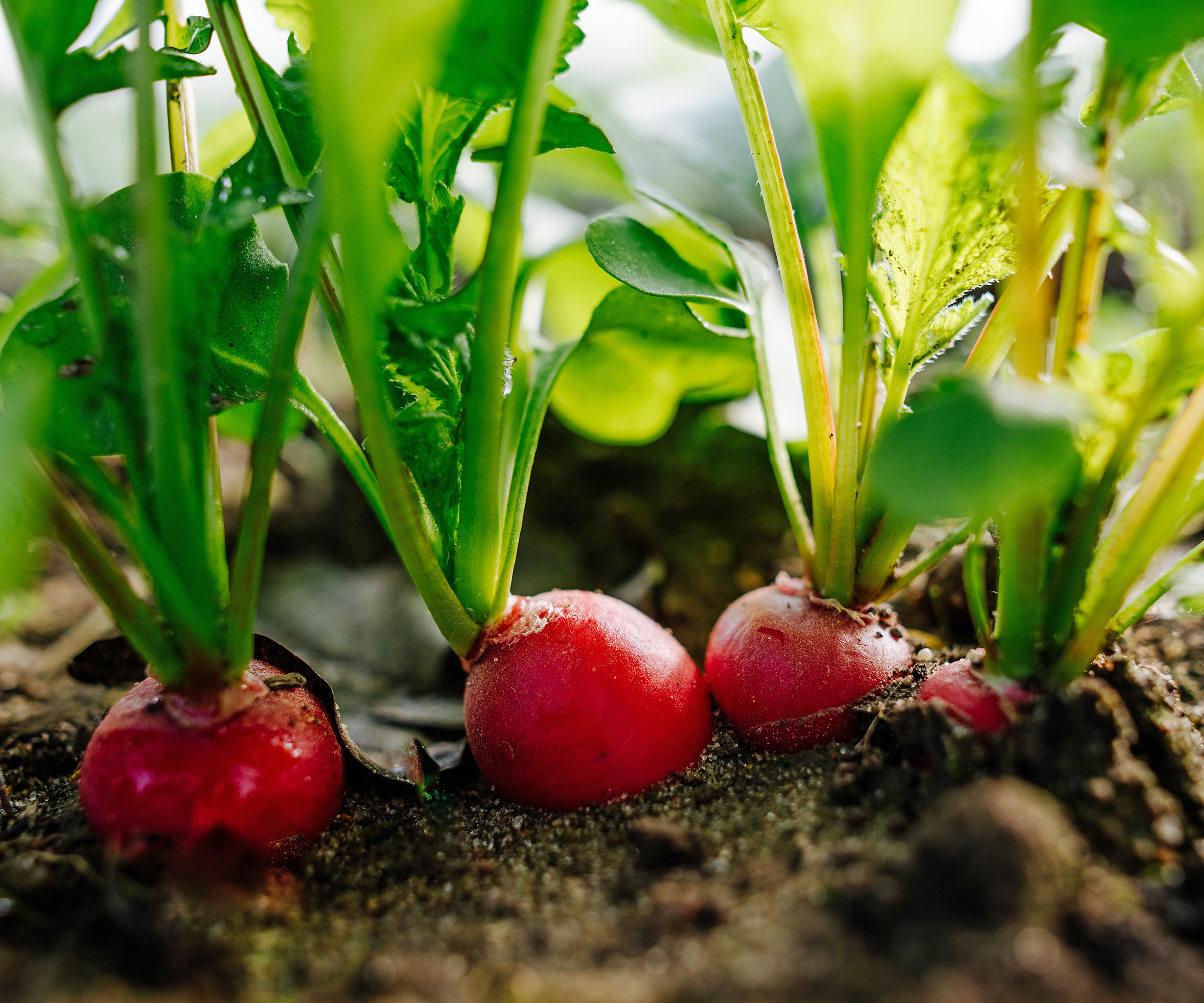
Three or four weeks is the whole run from sowing to pulling, which barely counts as a commitment. Radishes (Raphanus sativus) slot into gaps between slower crops. Fall roots come out milder than spring ones — the heat that turns them sharp and woody is on its way out by then. Sow a short row every couple weeks instead of the whole packet at once, or everything sizes up together and half of it splits before anyone gets around to pulling it.
3. Carrots
(Image credit: Getty Images)
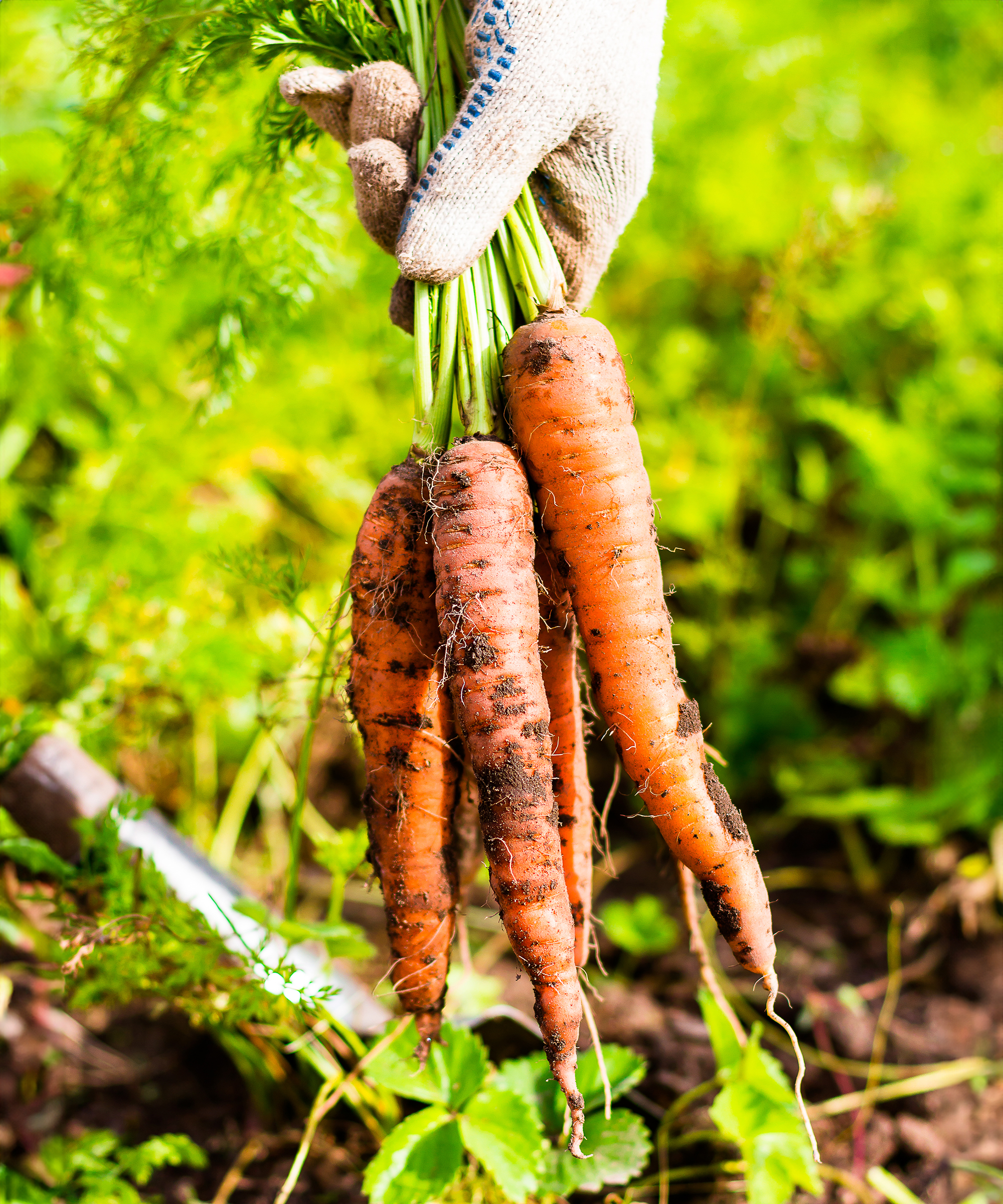
Timing gets tighter here, since even the quicker carrots (Daucus carota subsp. sativus) want 60 to 70 days. Southern gardens have room for that. Northern ones are cutting it close unless the bed gets covered later on. Germination is the fussy part — seed sits shallow and dries out fast under an August sun, so the top inch (2.5cm) has to stay damp for a good stretch. A length of shade cloth from Amazon over the row takes some pressure off the daily watering. The cover comes off once the seedlings are through.
4. Beets
(Image credit: Connect Images / Getty Images)
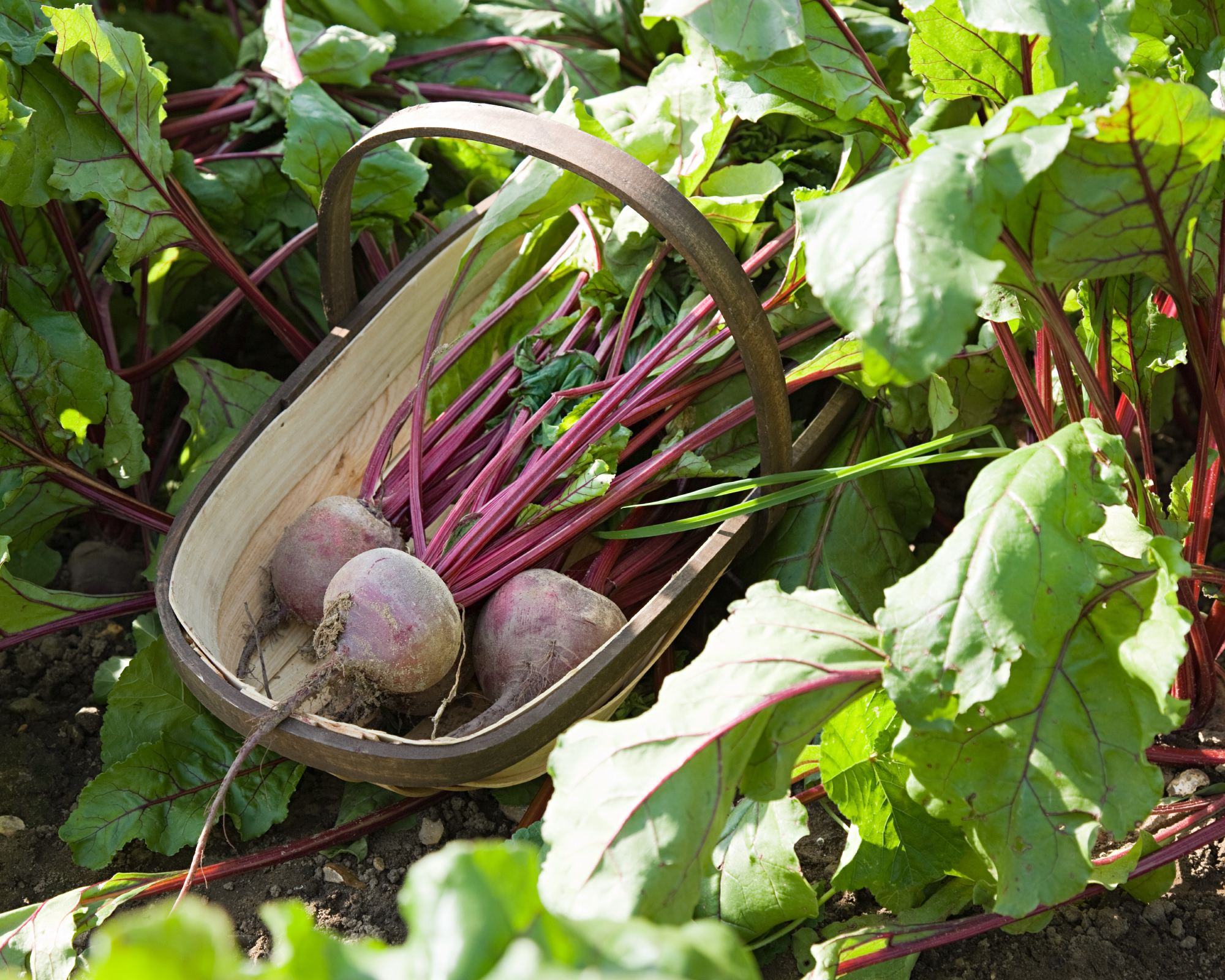
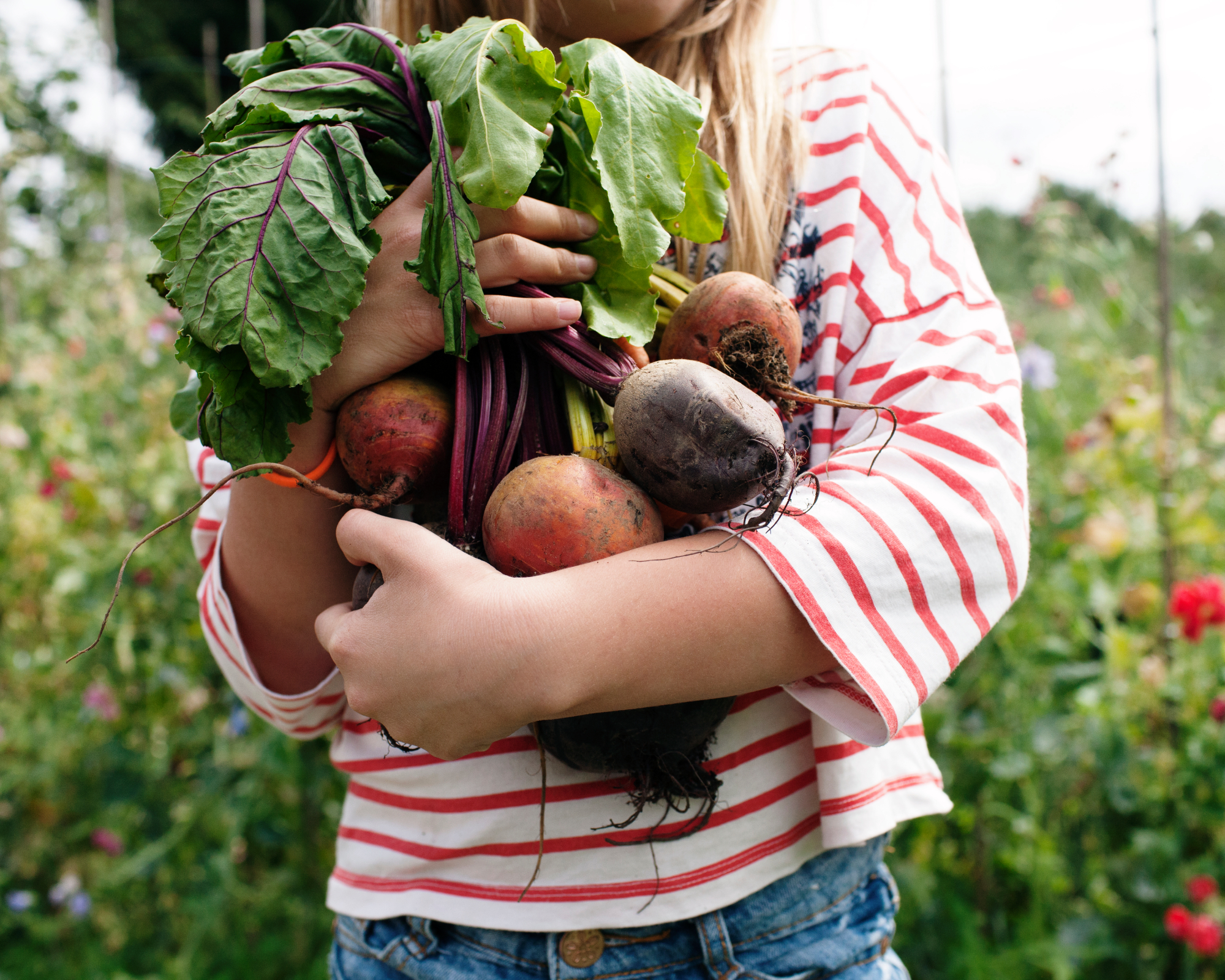
Two harvests come off one planting, since the greens are worth eating long before the roots size up. Thinning plants go straight into a pan. Beets (Beta vulgaris) want 50 to 60 days for a decent root. After that they hold in the ground through several frosts, sweetening while they sit. Crowding happens no matter how carefully the sowing goes — what looks like a single seed is really a cluster. Thin to about 3 inches (8cm) once the seedlings are up.
5. Broccoli
(Image credit: Getty Images)
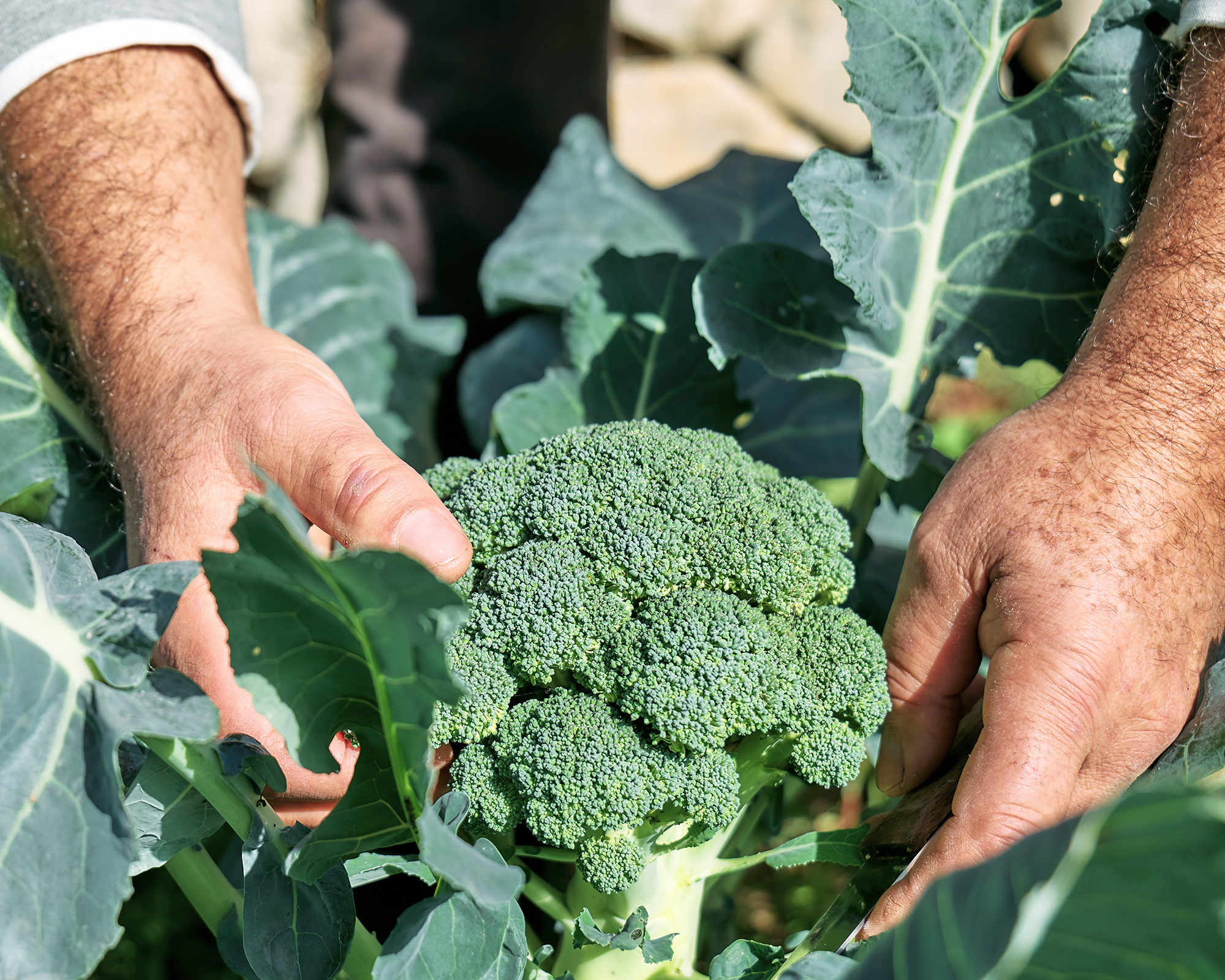
Seed started this late will not head up in time anywhere north of the Gulf. Transplants are the practical route for broccoli (Brassica oleracea var. italica). Nurseries stock them for exactly that reason. Heat stress on a young plant causes buttoning — a tiny useless head, then nothing. Shade during the first week after setting out is closer to mandatory than optional. Cabbage loopers (Trichoplusia ni) are still working in late summer and can strip a young plant fast, so netting goes on early rather than after the damage shows. Side shoots keep coming after the main head is cut.
6. Kale
(Image credit: Successo Images / Shutterstock)
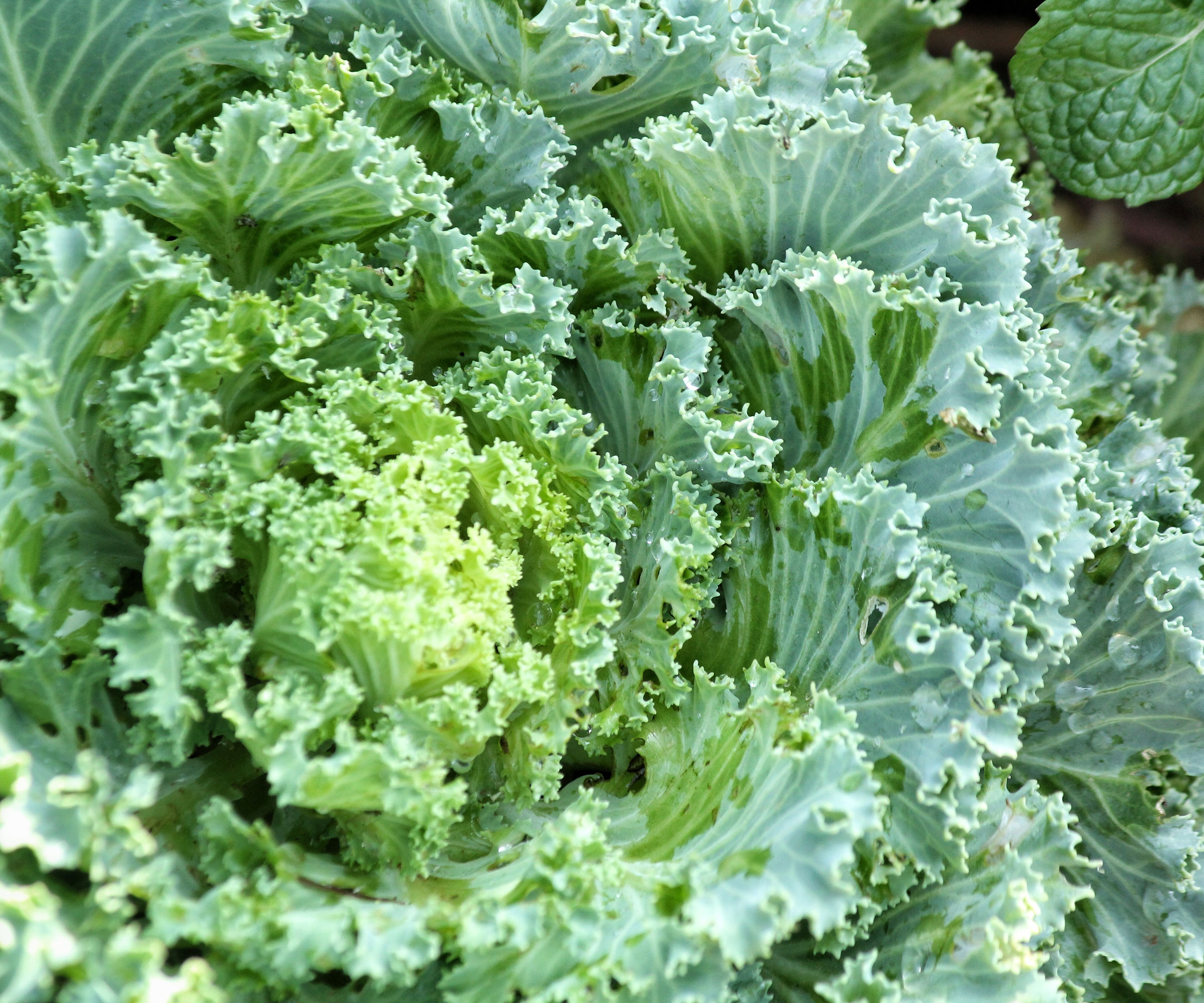
Frost improves kale (Brassica oleracea var. sabellica). Not much else in the garden can claim that. The flavor shifts from harsh to mild over a single cold snap — cold triggers sugar production in the leaves, a rough antifreeze. Plants set out now have time to bulk up first. Harvest from the bottom leaves upward and the same plant keeps producing into winter in milder zones. That last part is reason enough on its own.
Getting the Timing Right
(Image credit: Nick David / Getty Images)
Counting backward from the average first frost date is the whole method. Take the maturity number and add ten to fourteen days for the fall slowdown. Count back from there. Anything landing past the date needs either a shorter crop or some help.
Help is cheap. A floating row cover from The Home Depot thrown over the bed on a cold night holds a few degrees. A few degrees is often the difference between losing a bean planting and getting another two weeks out of it. It's a hedge against a bad week, not a season extension in itself.
Frost dates are averages anyway — the first hard freeze can turn up well ahead of schedule, so watching the forecast through October pays off. Plant a little more than seems reasonable, and the fall table tends to take care of itself.















 English (US) ·
  French (CA) ·