

 9 months ago
390
9 months ago
390
PROTECT YOUR DNA WITH QUANTUM TECHNOLOGY
Orgo-Life the new way to the future Advertising by AdpathwayThis month, it’s time to pick the perfect vegetable seeds to start in December. Now is a great time to get ready for spring and harness some of the remaining cool air for cold-weather crops. Outdoors in cold regions, these cool crops need protection. In the milder parts of North America, it’s basically spring.
With a good indoor seed starting setup, you can get those favorite spring transplants going. Tomatoes, peppers, and cool-weather crops are all good candidates for indoor starting now. Then, in several weeks, transplant them into the outdoor garden.
You won’t regret getting a head start on the spring season, especially if you used downtime in winter to plan it out. Some of these spring growers take a long time to mature and require much more careful attention, so giving them priority ahead of the growing season is a good idea.
Rainbow Blend Pole Cherry Tomato
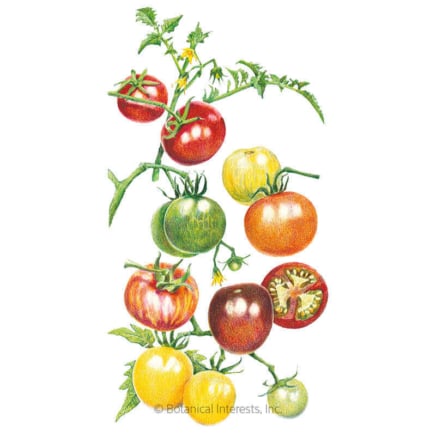
Rainbow Blend Pole Cherry Tomato Seeds
Candy Cane Chocolate Cherry Sweet Pepper

Candy Cane Chocolate Cherry Sweet Pepper Seeds

Starting in the Greenhouse
 Seed-starting in the greenhouse is more accessible with easy-assemble structures.
 While you don’t need a greenhouse to start seeds, having a dedicated space to keep your seeds safe and warm is a major bonus. Greenhouses keep the mess out of your house, and allow you to extend the season on both ends.
If you’re looking for an easy-to-assemble option, we love the HAVN greenhouse. It has a simple modular design that only takes a couple of hours to put together. Even better, you can create the ideal environment for your vegetable seeds by using your phone to manage the temperature and humidity levels.
Indoor Starts
Keep these vegetable seeds to start in December in mind as you plan your spring garden. While many areas are still too cold to transplant these when they’ve had a chance to sprout and grow into young plants, you can up-pot them as they await the warm soil. Details about the timing of the transplant are included in each section.
Tomatoes
 Young seedlings transplant well when the weather warms.
 Here in zone 8b in North Texas, we are starting our tomatoes, and it’s a fun time due to the numerous varieties available to gardeners. Select either a determinate or indeterminate type depending on the size of your garden and where you live. Determinates have a set max height and harvests are all at once, whereas indeterminates offer continuous smaller harvests and ever-growing plants.
Regardless of the type you choose, all tomatoes have a similar growing habit in their younger years. They are ready for transplant in four to six weeks after they sprout. Use a heat mat and get a good grow light ready. You need warm soil and lots of light to nurse tomato starts through their early growth stages.
Wait until the outdoor soil temperature is at least 60°F (16°C) to transplant your starts. If you use seed cells to get your plants started, up-pot them when they have their first set of true leaves. If necessary, up-pot them again if there’s still a couple of weeks before your outdoor conditions are right for transplant.
With slicers, cherries, sauce tomatoes, and more to pick from, there is a vast variety of vegetable seeds available to start in December. Fertilize your young tomatoes when their first set of true leaves grows. Use an organic liquid fertilizer diluted to ¼ strength with water.

Peppers
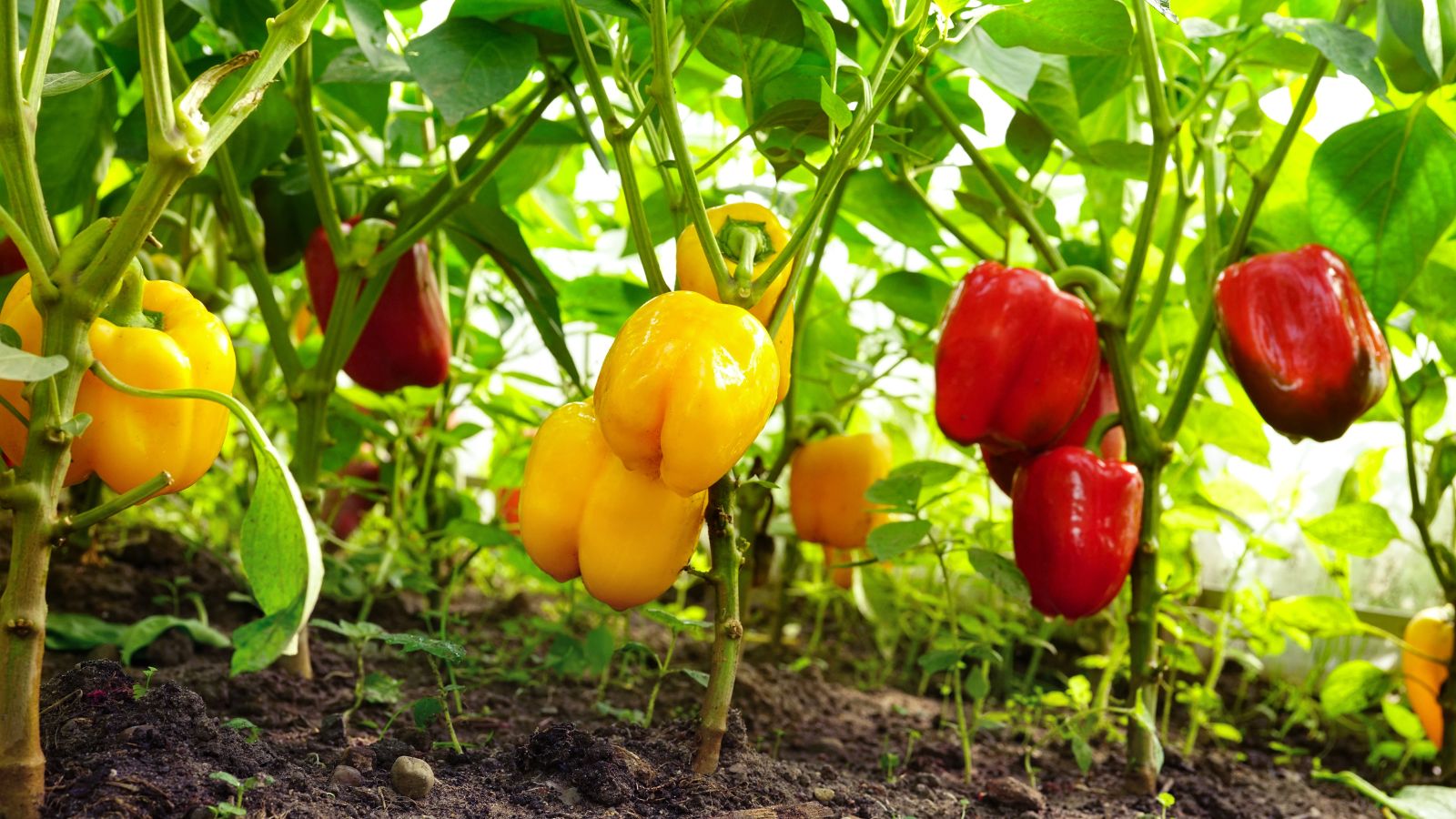 Like tomatoes, these warm-season crops are best started early indoors.
Growing peppers is similar to growing tomatoes, except that they can handle a slightly cooler climate. Peppers are yet another example of winter indoor sowing of vegetable seeds. Start December peppers and plant them out two to four weeks after your last frost. Similar to tomatoes, they need heat to sprout, and light when they grow their first set of leaves.
They grow much more slowly than tomatoes and require sowing eight to ten weeks before transplant. So gardeners all over the country can plant pepper seeds now to transplant as soon as the weather warms. If you live somewhere with mild cool seasons, you can harvest peppers through summer and into autumn.
Leeks
 These alliums have a long growing season that’s best started early.
 The supple flavor of a freshly-harvested leek in spring cannot be matched. Sow these with your peppers, eight to ten weeks before your last frost. Then transplant them when the soil temperature reaches at least 40°F (4°C), but ideally 60°F (16°C).
If you live in a mild climate, harvest just the tops and leave the white bottoms with their roots in the soil. They’ll grow, and you can harvest again in late fall, and even produce your own leek seeds.
These alliums are biennial, and complete their life cycle within two to three seasons in climates where they aren’t winter-killed. The round flowers they develop before seeds form are lovely as well.
Celery
 If you start these vegetable seeds in December, you can harvest in summer.
 Before spring is a great time to start your celery vegetable seeds. Start your celery seeds 10 to 12 weeks before your last frost. Then transplant them out when the soil is at least 50°F (10°C).
‘Utah’ celery seeds grow a wide, large bunch of celery. These take about 100 days to mature, so you’ll likely have your first harvest in summer.
For leafy tops with substantial stalks, ‘Merengo’ is a good choice. It’s also ready within 80 to 90 days, meaning those with shorter seasons will do best to grow it instead of ‘Utah’.
You don’t have to wait to harvest these either. Snip them at six inches. Leave the inner stalks to continue growing to harvest as needed.
Sow These Outdoors
While gardeners in cold regions will need to protect directly sown seeds, they can still start these vegetable seeds in December. Now is a good time to plant these under cover or in a winter sowing container in cold places.
In milder areas, keep your cover nearby in case of a snap freeze. But many of these crops can handle a bit of cold, and a kiss of frost makes them sweeter.
Beets
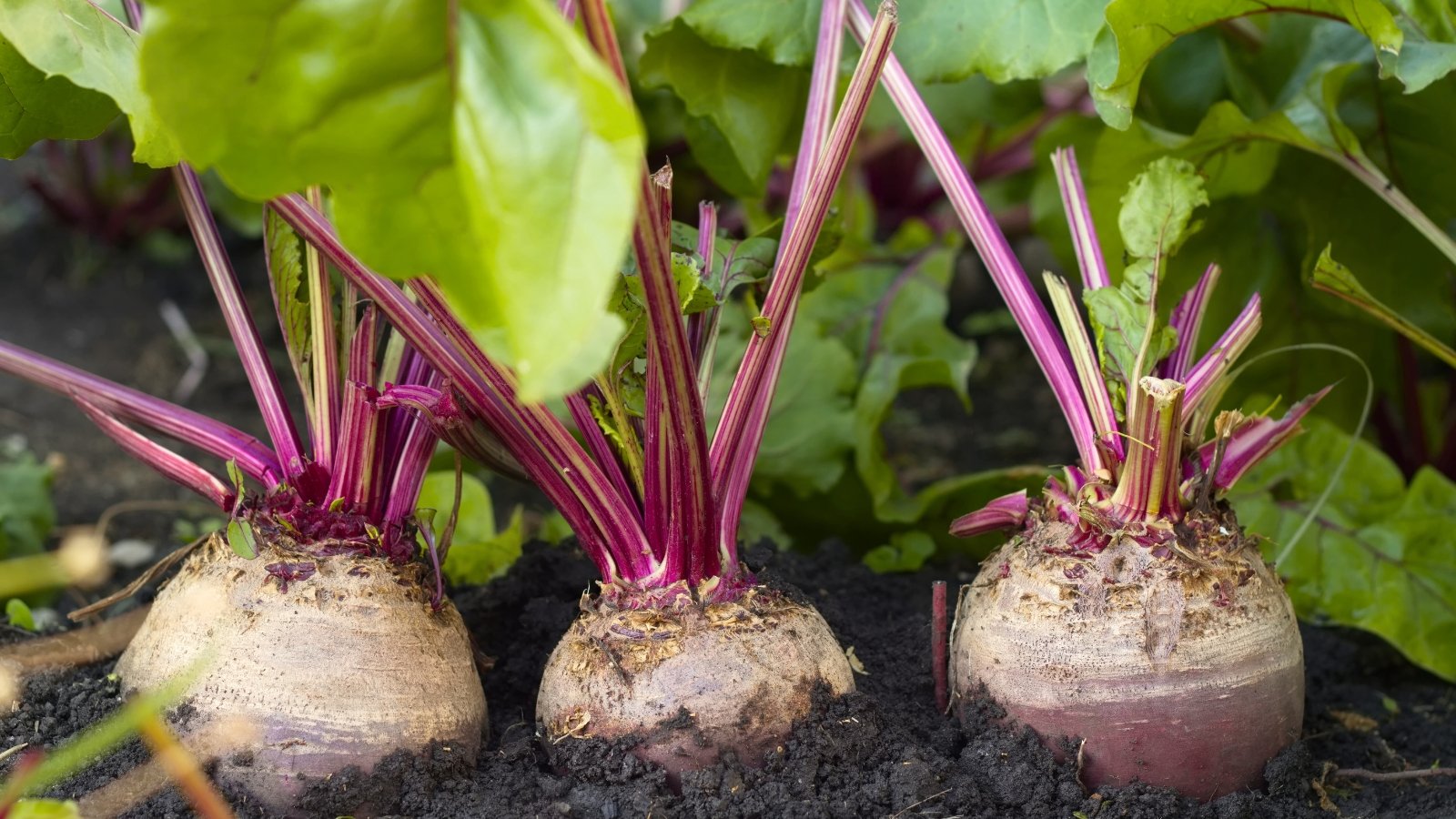 Beets can handle light frost with ease.
 Growing beets is super easy, and their fondness for a light frost makes them a safe plant to sow directly in the garden two to four weeks before your last frost.
While the timing of this is in December for some areas, it’s not for all. In those places where the last frost doesn’t arrive until May, sow yours under a hoop house, cold frame, or in your winter sowing containers.
For a standard beet packed with flavor, ‘Ruby Queen’ rules. This beet is uniform, sweet, and great for canning and pickling. For a less intense beet flavor, ‘Golden Boy‘ is great.
Most beets are ready within 50 to 70 days, and grow well with carrots and radishes. Try a bed of root veggies and sow successions every two weeks for maximum yields.
Radishes
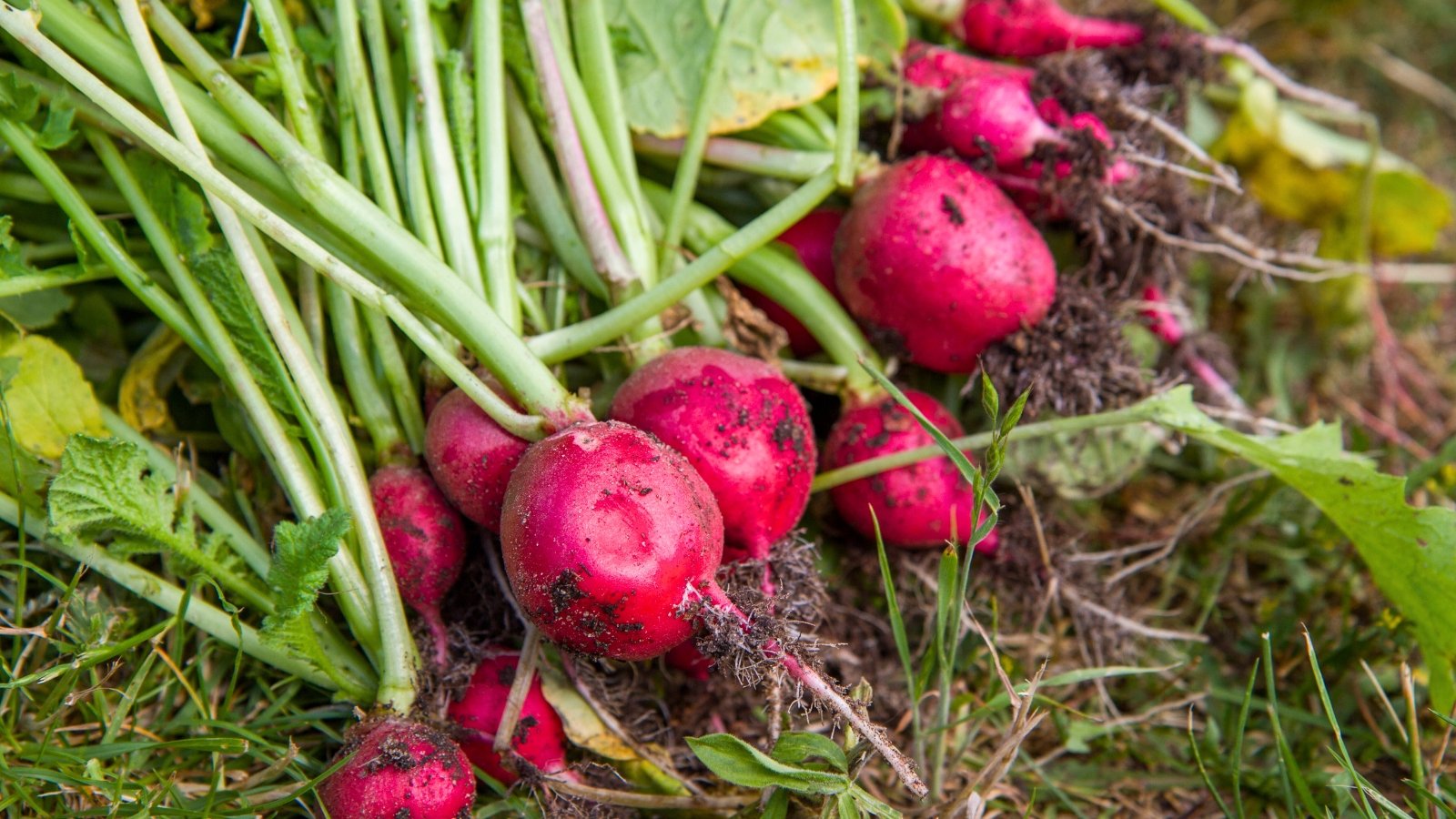 Small radishes are great for popping into gaps in your vegetable beds.
 There are many different types of radishes. You can grow multiple to fit into almost any flavor profile. Sow these under the same circumstances as your beets, depending on the climate in your region. They’ll take roughly 50 to 80 days.
Try a standard yet large radish by sowing ‘German Giants’. A bold and spicy flavor profile is available with the ‘Round Black Spanish’ radish.
Most radishes are perfect for pickling, but if you want to have pickled carrots, onions, and radishes for your bahn mi, daikon works perfectly. They’re also great as a cover crop due to their long roots that aerate and improve the soil texture.
Lettuce and Leafy Greens
 Choose cold-tolerant types when looking for vegetable seeds to start in December.
 Both lettuce and hearty greens are perfect choices when you decide to start vegetable seeds in December. Start under cover to protect tender seedlings as they strive toward maturity. Lettuces are more sensitive to cold weather than brassicas, but many can handle a touch of frost as long as it’s not prolonged.
Kale is an easy choice, but collards hold up just as well. Growers in areas where spring turns warm quickly will do better with collards, which are heat and cold-tolerant.
‘Top Bunch 2.0’ fully matures in 70 days, but you can harvest baby greens as early as half that time. ‘Red Russian’ kale can handle the cold and takes just one month to mature.
Heading lettuces are good for starting in December, due to their slightly longer maturation period when compared to leaf lettuces. ‘Prizehead’ and ‘Freckles’ are both exceptional heirlooms dating all the way back to the turn of the 19th century. Pop these seeds in your garden to carry on a bit of that legacy.














 English (US) ·
  French (CA) ·