

As if life isn’t hard enough, you open your mailbox to find a violation notice from your Homeowners Association (HOA). You scan it quickly and learn that the powers-that-be have determined that there are weeds in your lawn that violate your community's landscaping guidelines.
Can the HOA do this? The simple answer is: maybe, if they have spelled out the rule clearly and unambiguously in the Covenants, Conditions, and Restrictions (CC&Rs). But there are many circumstances that can provide a strong defense.
I’ll walk you through some of the basics about how to landscape in an HOA and what the association can and can’t do about weeds in your yard. Plus, I’ll share tips to keep you out of trouble.
Understanding HOA Rules
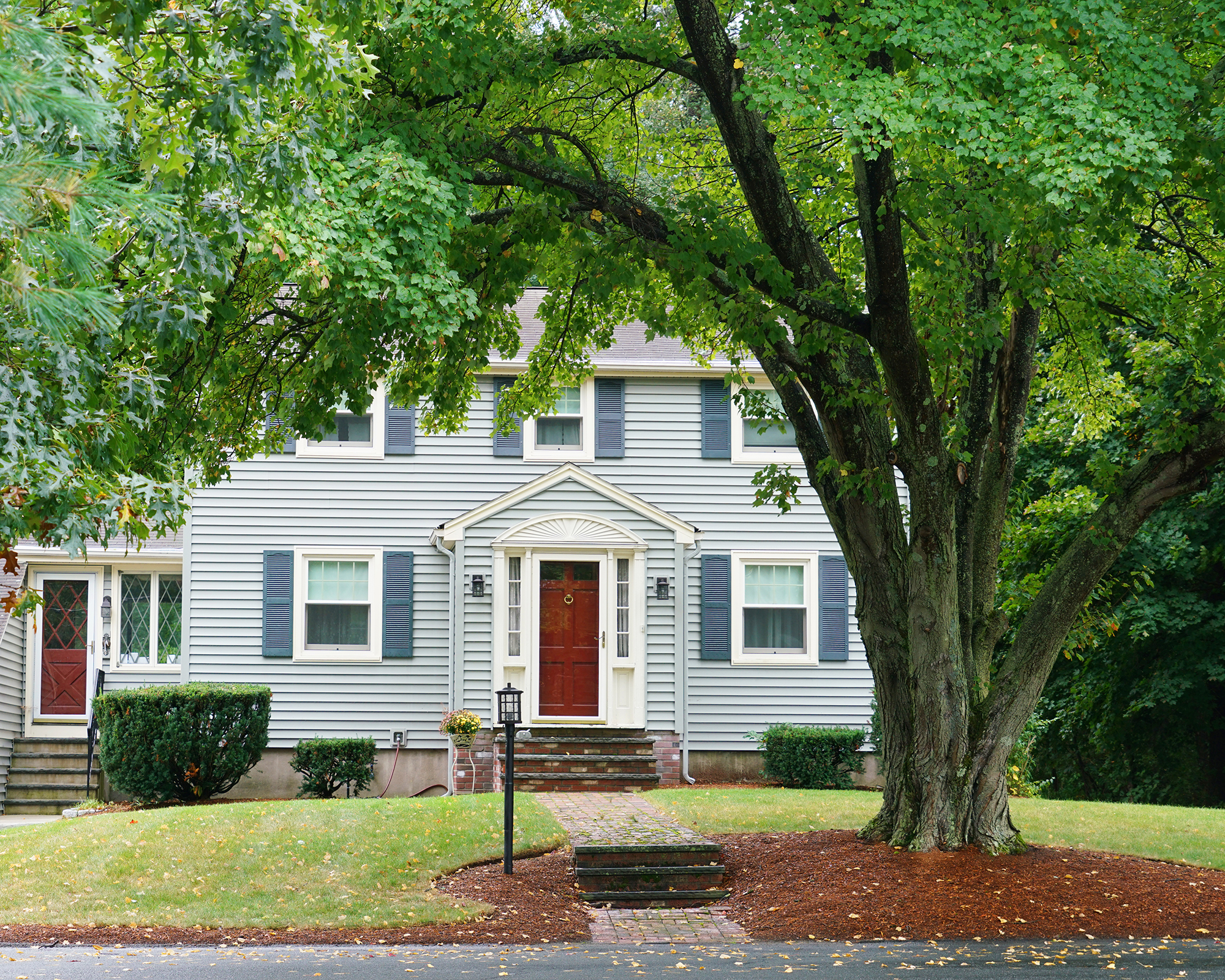
A homeowners association is an organization in a planned community, condo, or subdivision that makes and enforces rules for properties. It’s often called an HOA. The HOA is responsible for the maintenance and upkeep of common areas and shared spaces in the community, and each unit pays a regular fee to cover these fees.
The HOA gets its authority from the written contract every owner of the association signs as they move into the community called the Covenants, Conditions, and Restrictions. These are the rules and regulations that govern the group. The HOA does not enforce state law or federal law – it only has authority to enforce the CC&Rs.
(Image credit: Shutterstock)
Can an HOA Fine You for Weeds?
One of the primary responsibilities of the HOA is to maintain the landscape of the community so that it is pleasing and uniform. To achieve that, CC&Rs often include provisions to maintain “attractive” yards or to prohibit “ugly” vegetation. In many cases, the rules prohibit weeds or noxious weeds.
These laws can be enforced to the extent the language is clear and explicit and the regulations are not selectively enforced. But state laws can impact the enforcement of CC&Rs, since many state laws require that an HOA member be sent a formal written warning as well as a chance to remedy the issue within a timeframe before a fine is charged. Hearings and appeals are generally part of the procedure as well before the fine is final.
(Image credit: Lightspring / Shutterstock)
What Is a Weed?
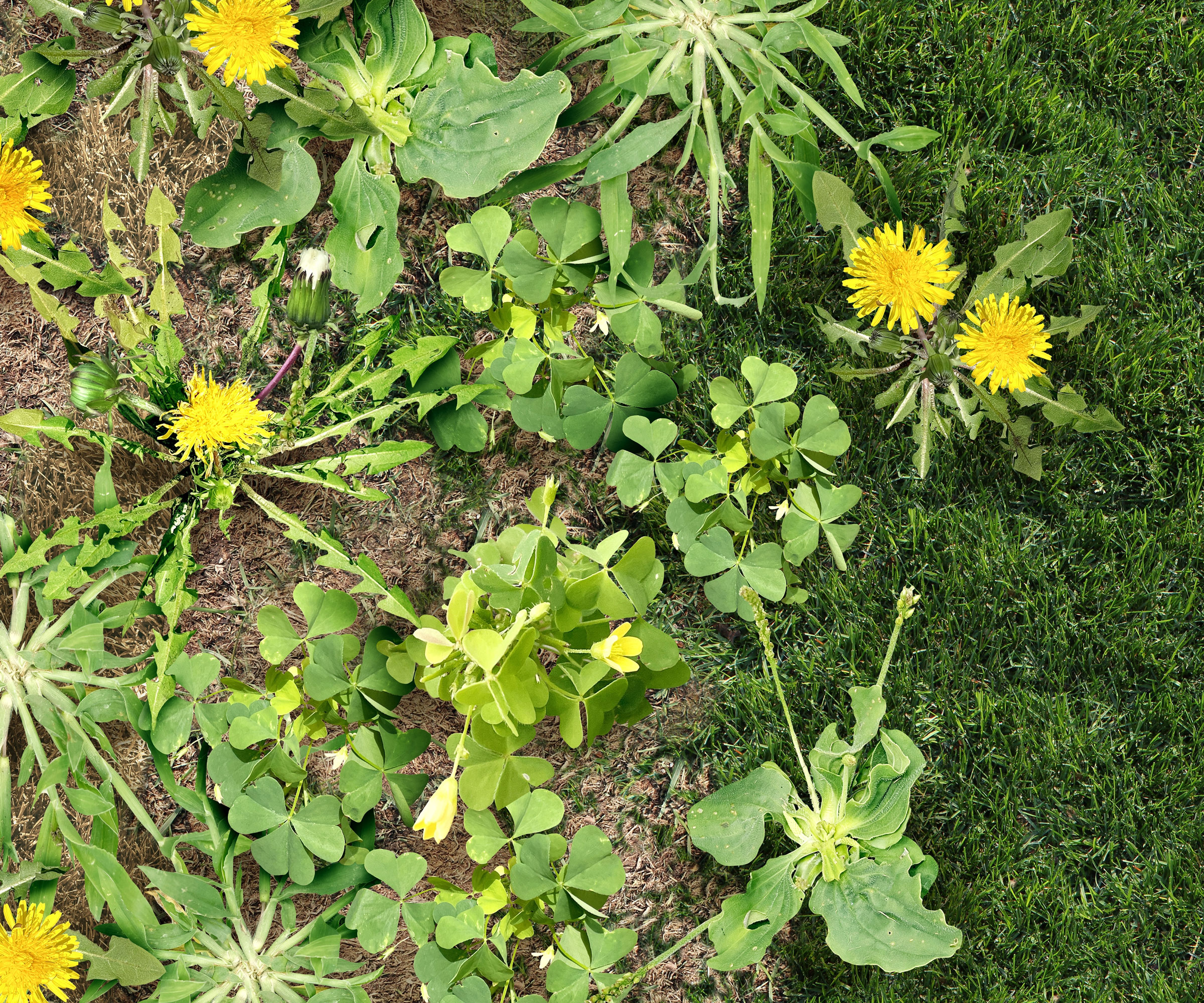
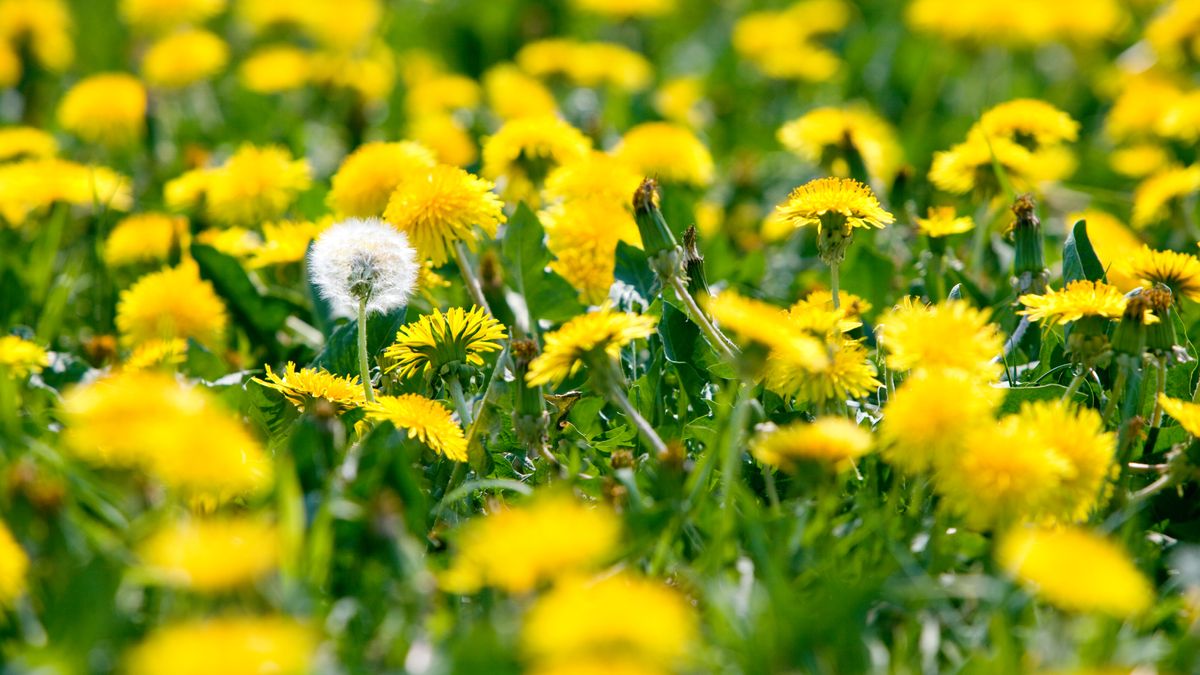
The basic problem with this type of regulation is that the term “weed” has no specific definition or any botanical category. Generally, a weed is defined as any plant growing in a place where it is not wanted. That means that even high-value crops, flowers, or native species can be classified as weeds if they grow where humans do not want them.
I’ve seen this in my own neighborhood. In my area of San Francisco, the soil is basically sand. That’s because the area is within a mile of the Pacific Ocean. It started out as sand dunes and remained that way for the first few chapters in the history of San Francisco. As the population increased, houses were built on the dunes closer and closer to the ocean.
Our entire yard is sand and only a few flowering plants grow on it without adding lots of bags of soil. One such plant is the nasturtium. This tough, self-seeding, vining annual lit up the backyard with bright orange blossoms when we moved in.
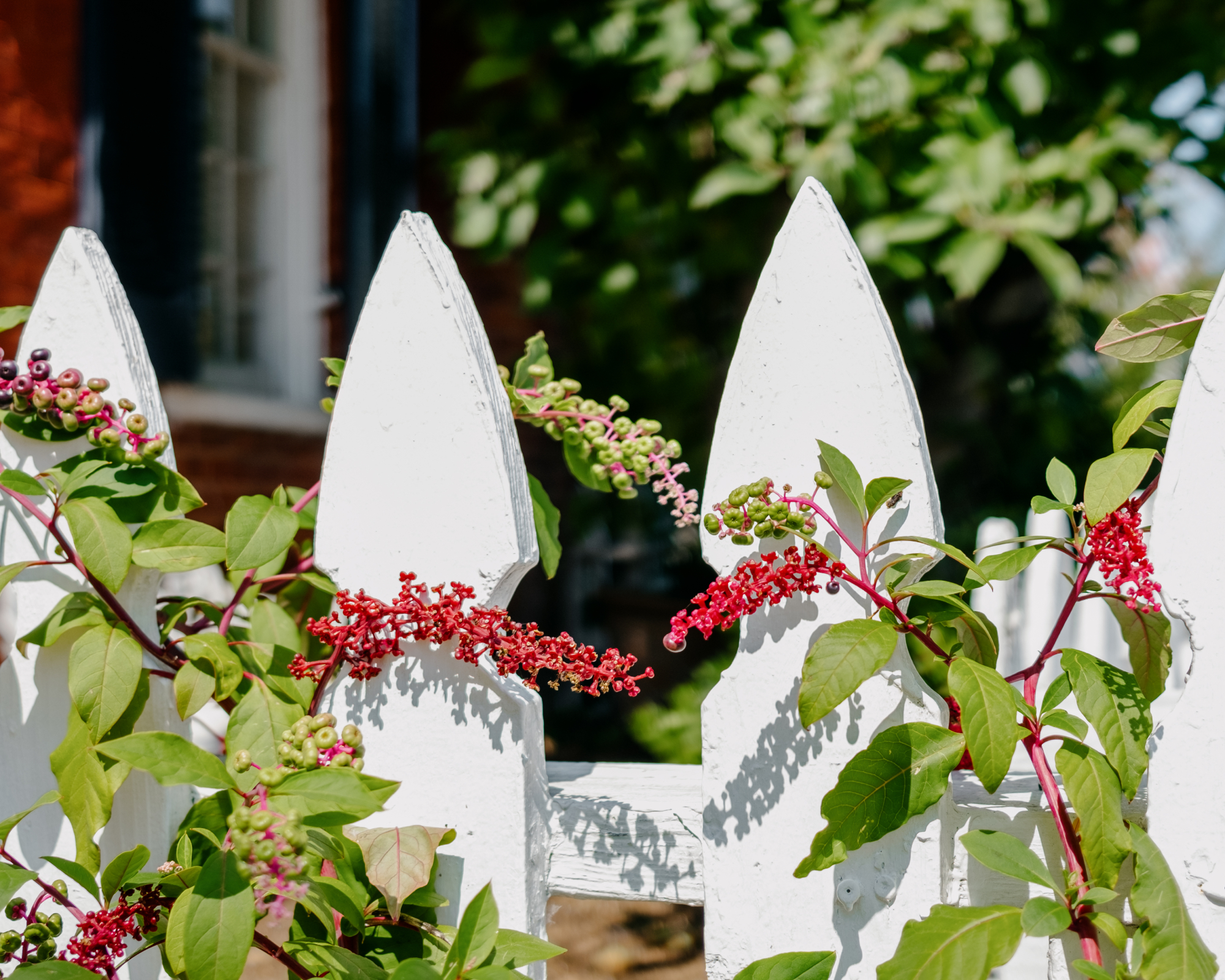
Neighbors had the same experience, but many didn’t like the nasturtiums and labeled them as weeds. I cultivated them and consider them one of the best flowering plants in the garden even today. Another “weed” I cultivate is pokeweed. Plus, birds absolutely love their spikes of berries.
(Image credit: Grace Cary / Getty Images)
How to Defend Your Weeds
If you are ready for a fight, then plant what you want and get ready to defend yourself against a landscape violation. Here are three strong defenses you can take to court.
1. Vagueness
Is it too vague if CC&Rs prohibit weeds? Generally, no. Courts tend to find that terms like "weeds" provide adequate notice to property owners because there is a general understanding of the meaning. However, subjective terms like “ugly” vegetation or “unsightly” plants may not be specific enough to be enforced.
2. Drought
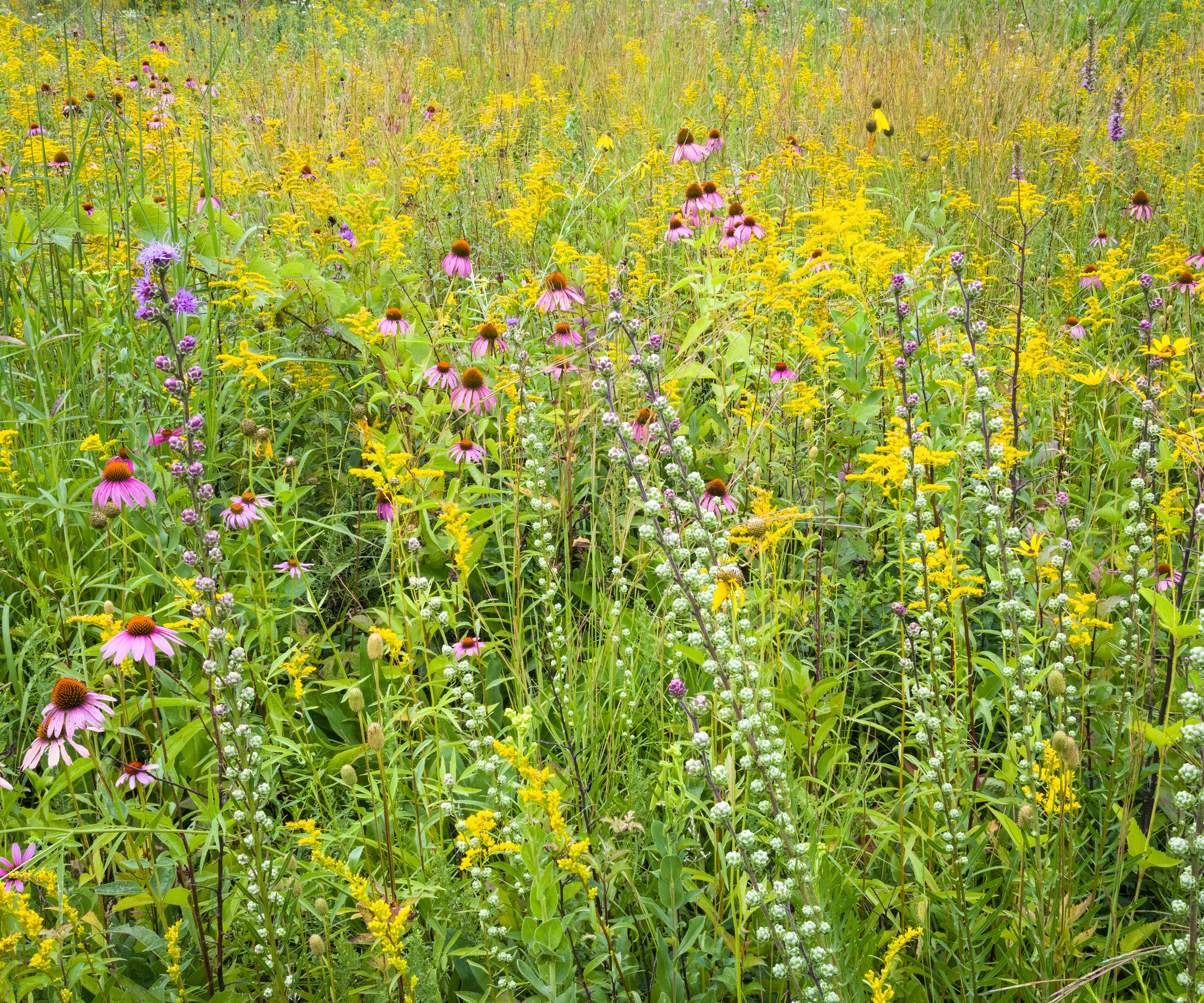
When a state is suffering from drought, water conservation can be a legal defense to weed violations. When there are water restrictions in effect, homeowners in states like California and Arizona are permitted to allow native plants to grow, including those considered weeds and to allow lawns to go dormant.
(Image credit: Mark Baldwin / Shutterstock)
3. Native Species Defense
To get around the vagueness of the term weeds, HOAs sometimes list plants that will be considered weeds. These lists often include native species, since they are not considered as valuable as cultivated plants.
But we now know that native plants have advantages that fancy plants may not offer. For one, native plants support local pollinators, birds, and ecosystems. If you plant beneficial native species, you may be out of sync with your HOA rules.
But some states and cities – especially in the West – now recognize native plant yards as compliant with landscaping standards and do not permit fines for this kind of HOA violation.
Tips to Stay Out of Trouble
If your life is complicated enough, you’ll want to take steps to avoid landscaping issues with your HOA. Follow these three steps to stay out of trouble.
1. Read the CC&Rs
The CC&Rs are one of those documents – like insurance policies and rental car agreements – that people tend to sign without reading. But if you want to avoid landscaping conflicts with the HOA, take the time to read them. What exactly does the document prohibit? If it is “weeds” or “noxious weeds,” then how are those terms defined?
(Image credit: Shutterstock)
2. Ask Your HOA
Don’t be reluctant to run your questions about landscaping requirements by HOA officials. If the CC&Rs don’t define the terms, consider raising the question at an HOA meeting, and volunteer to be part of a committee to consider defining terms.
3. Present Your Case
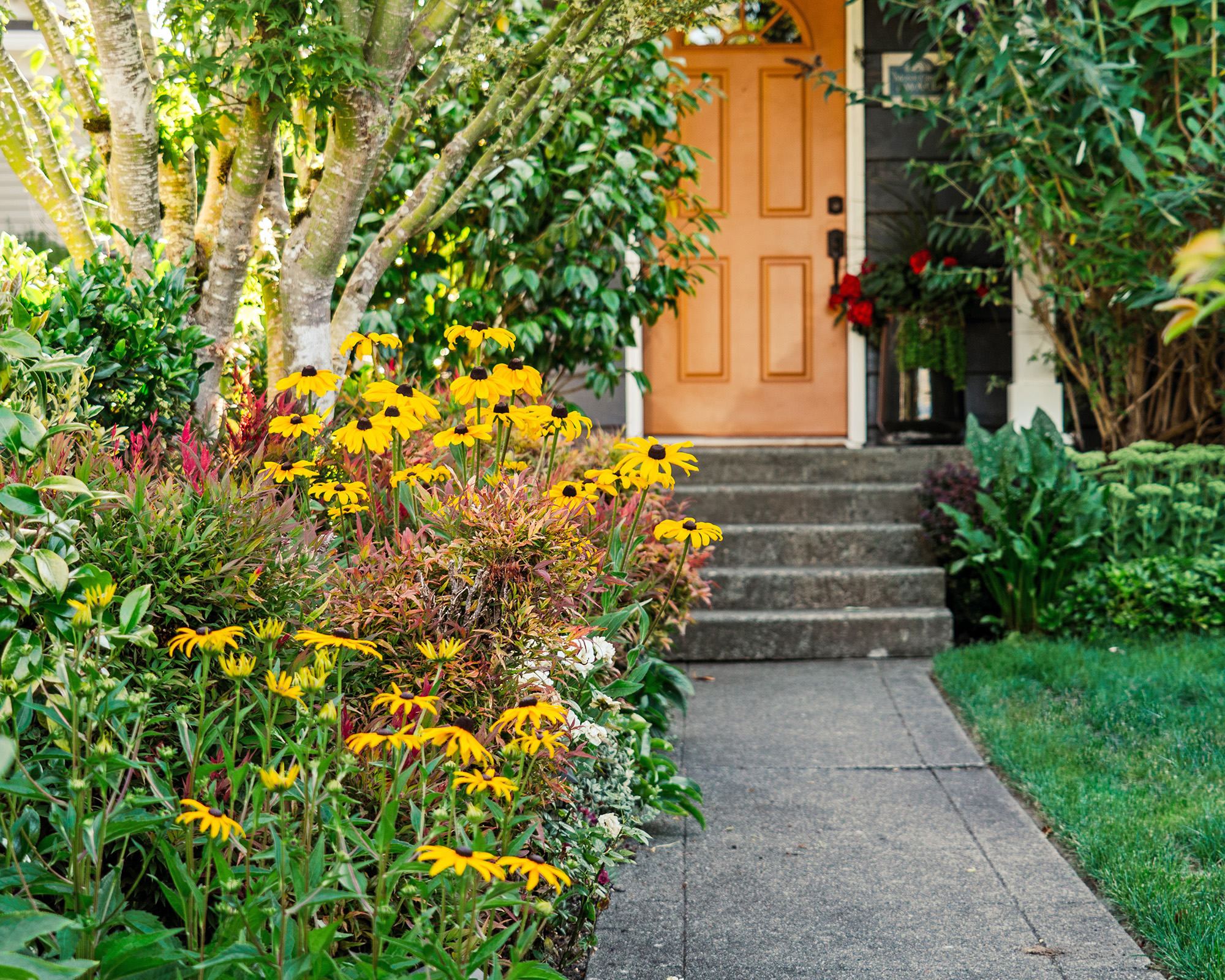
If you want your backyard to be full of native wildflowers instead of hybrid roses, build a case and take it to the HOA meeting. Explain the role of native plants in a thriving ecosystem and show slides of native flowering plants to show other homeowners how attractive they can be. If necessary, call in someone from your local botanical garden to talk about the benefits of native species.
Essential Weeding Tools
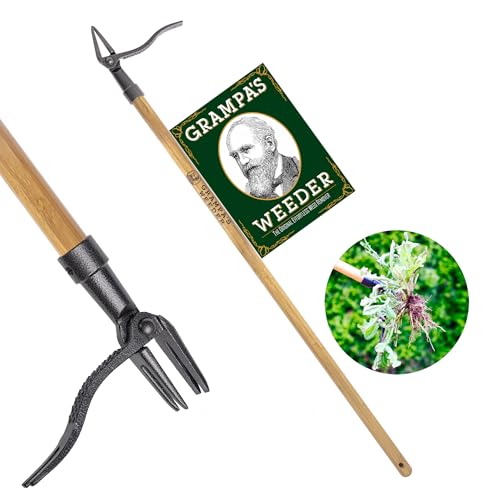
Grampa's Weeder Original Stand Up Weed Puller Tool
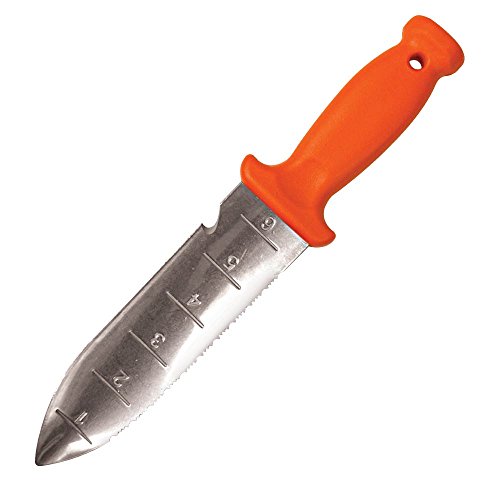
A.M. Leonard Deluxe Soil Knife
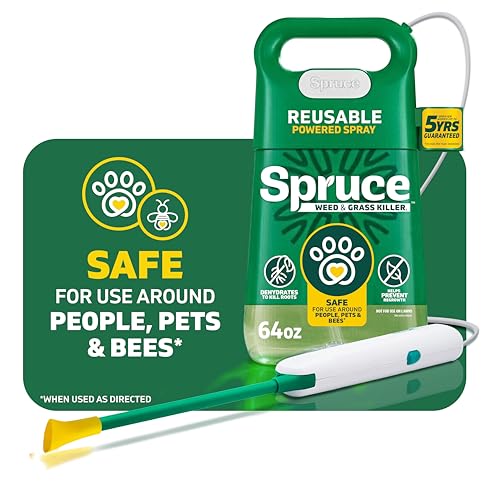
Spruce Snap & Spray Weed & Grass Killer
This weed killer spray is safe for people, pets, and pollinators. Try it on the most stubborn weeds in your landscape.














 English (US) ·
  French (CA) ·