

By August, many plants are exhausted by heat and lack of water and stop flowering – but not these tough-cookie late-season bloomers. They flower reliably all through August, September and into October, with barely any assistance from you. So don’t think you have to compromise on flower power because we’re having a hot, dry summer: you just need one of these late-season heroes in your garden.
Plants that keep flowering for months on end aren’t just appreciated by us humans, but by pollinators, too, many of whom will be fuelling up ahead of long migration journeys. Resilient plants like our superstar bloomers are particularly valuable, however. When a plant is stressed by heat or drought, one of its first responses is to limit water loss by reducing nectar production. So, by growing an array of tolerant plants that cope well with summer stressors, you not only provide flowers, but flowers that are still full to the brim of nectar.
Another factor to consider if you want plants that keep on flowering when everything else gives up is how palatable they are to deer and rabbits. As we approach the end of a long, hot summer, food becomes scarcer for herbivores so they may turn to garden plants they wouldn’t otherwise eat – and fresh flower buds are tender and packed full of nutrients. So, you’ll be happy to hear that neither deer nor rabbits like to snack on any of our plant picks.
Flower-into-Fall Blooms that Thrive on Neglect
All our late-season heroes are dependable perennials that will be back, year after year, and don’t require any fertilizing or feeding other than a spring mulch to flower well. Their highly tolerant, resilient nature means they’re suitable for a wide range of zones, so you have a great choice of plants to keep your garden packed with blooms.
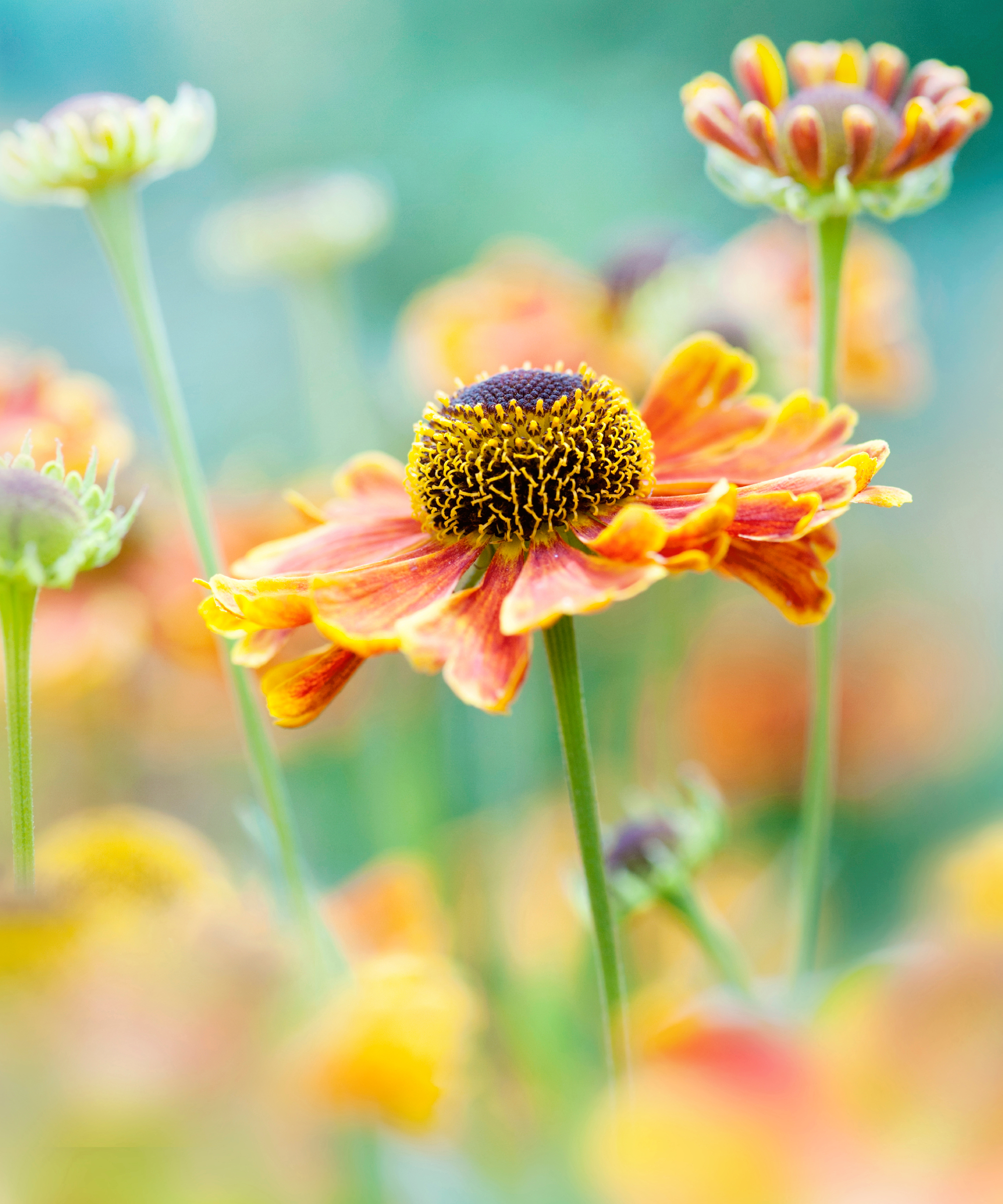
1. Sneezeweed
(Image credit: Getty Images)
Hitting its stride in August, Helenium autumnale is such a reliable late-season bloomer in zones 4-9 and powers through September and into October to the first frost. And what a show! The fiery shades of red, orange and yellow revive any garden, turning up the color just as many perennials fizzle out. As the flowers age, their sculptural centers become more prominent and the petals flex backwards, too.
Helenium does need to be watered, however, and taller varieties can need staking – which is why the Salud series is so appealing. Cultivars in this series are particularly heat- and drought-tolerant and, only growing to 16 inches tall, don't need staking. These are some of the heaviest- and longest-blooming sneezeweeds, and are ignored by deer and rabbits. Salud Yellow is a saturated golden tone, while Salud Embers boasts a mix of red, orange and yellow. Sneezeweed Salud Yellow plants are available from Plant Addicts, and Salud Embers plants are available from Fast Growing Trees.
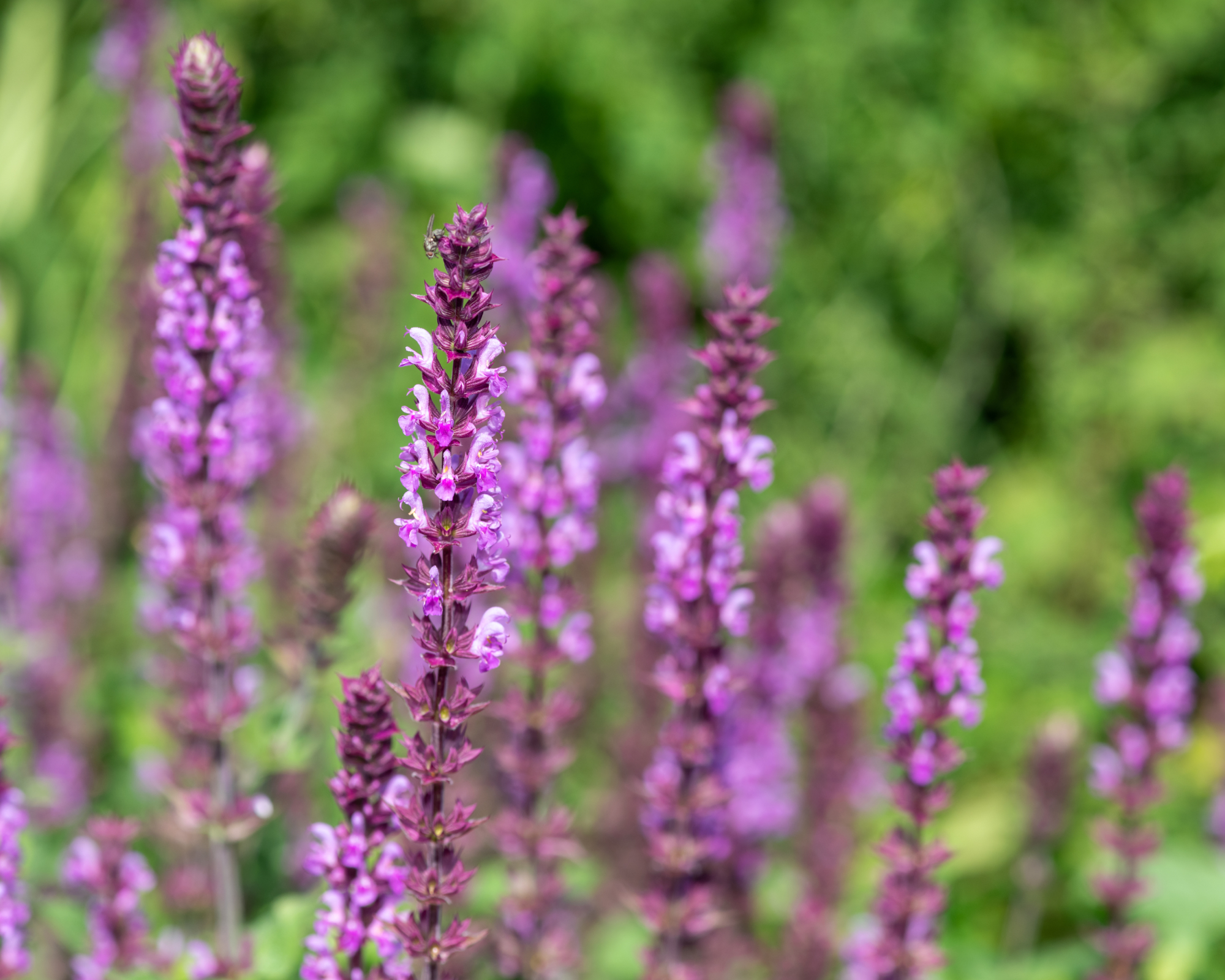
2. Woodland Sage
(Image credit: Getty Images)
Salvia nemorosa blooms for months because not only does it readily produce new flushes of flowers when spent stems are removed, but the individual spires bloom sequentially from bottom to top over several weeks. So, while it starts flowering way back in May, if you snipped off the flower spikes, it’ll likely be blooming now and continue through September.
There are all sorts of salvia varieties to try, generally suitable for zones 4-9 and tolerating heat and drought once established. The Marvel series is particularly valued both for its larger flowers that keep their intense color and exceptionally long bloom-time from spring to frost. ‘Blue Marvel’ is available from Nature Hills, and ‘Rose Marvel’ is available from Plant Addicts. Growing to around a foot high and spreading up to 18 inches wide, these dependable, showy salvias are just as happy in a pot as the front of a border. While pollinators will flock to the nectar-rich flowers, deer and rabbits don't appreciate the aromatic foliage.
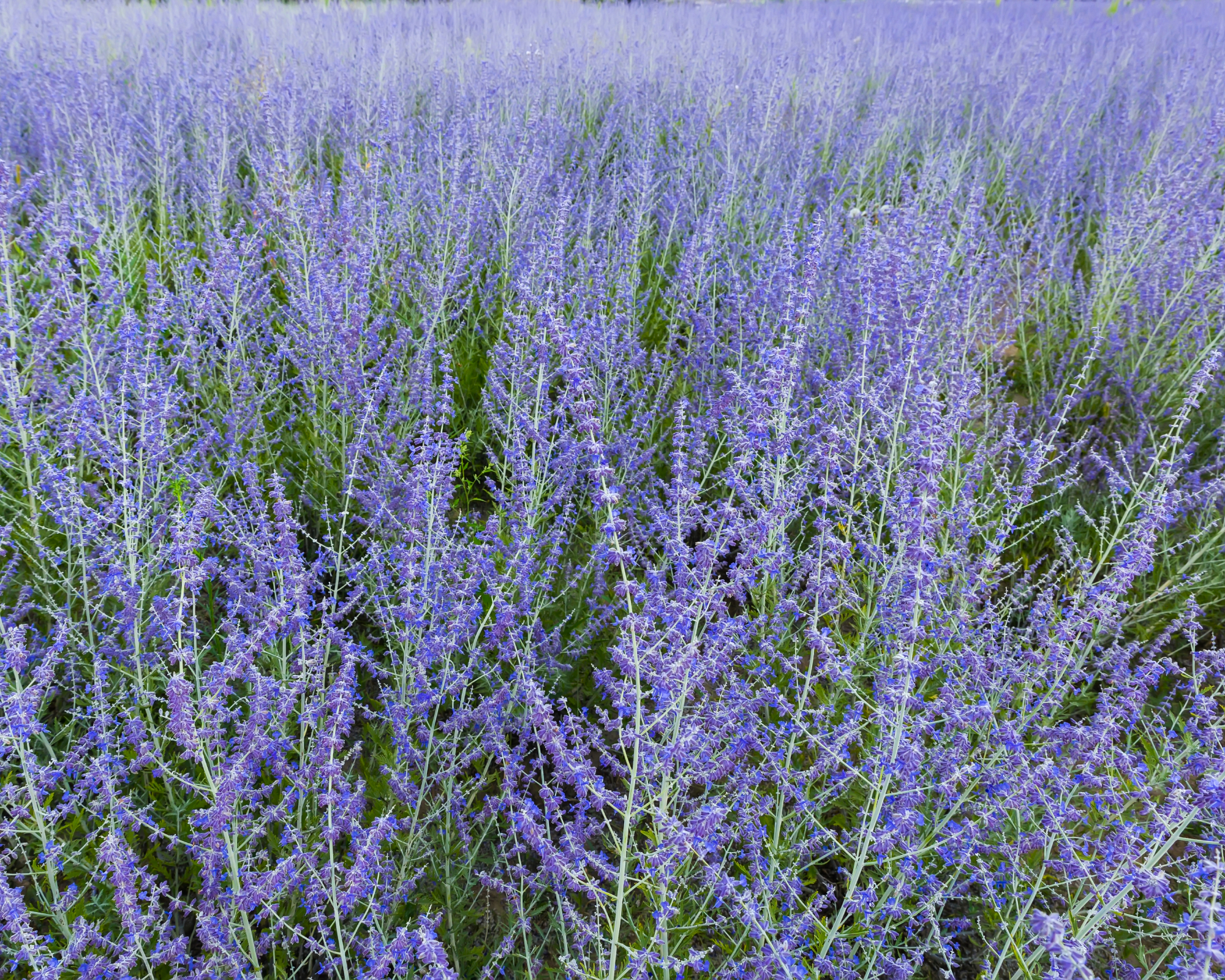
3. Russian Sage
(Image credit: Shutterstock)
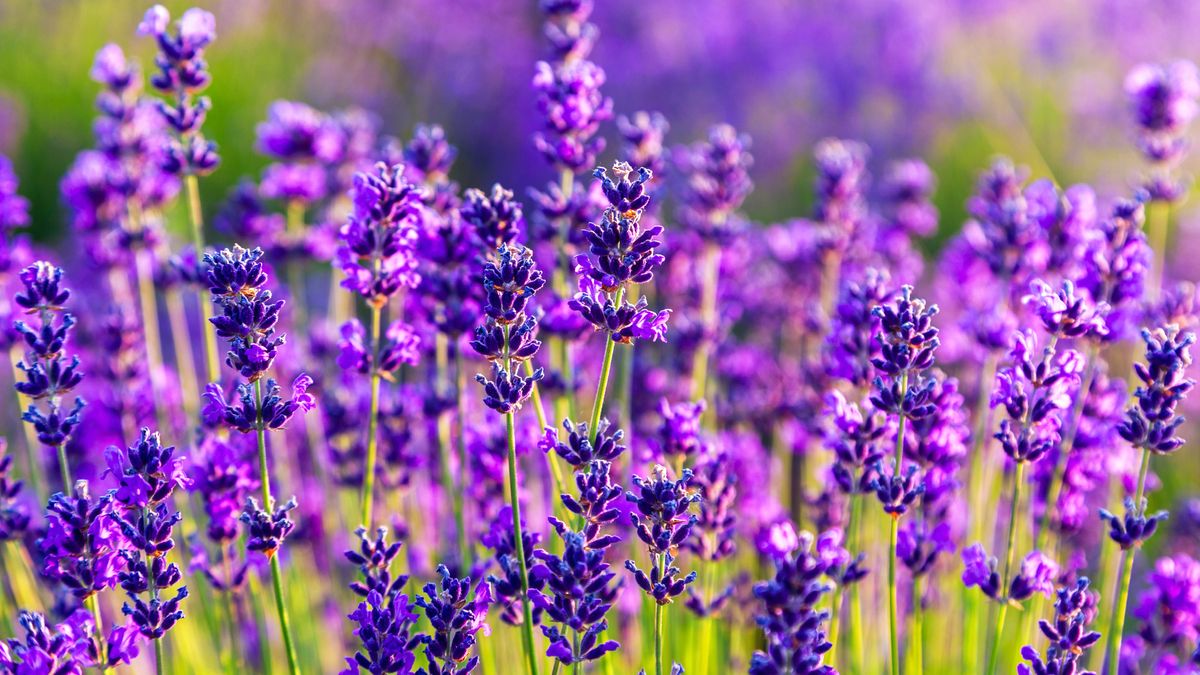
Russian sage is another Salvia no garden should be without. This trouble-free plant flowers summer into fall and provides a valuable nectar source when many other plants are fading. Long after your lavender spires have finished flowering, Salvia yangii will still be boasting beautiful blue blooms. While common Russian sage (available from Plant Addicts) tends to flop in late summer, those clever plant breeders have been busy creating more compact cultivars that bring even more flowers on immaculately-behaved stems.
‘Denim ‘n Lace’ is a Proven Winners cultivar available from Nature Hills that has a denser growth habit for lots more flowers, growing to 2-3 feet tall and wide in zones 4-9, with sky-blue flowers held in amethyst calyxes. ‘Blue Jean Baby’ by Plants that Work, also available from Nature Hills, brings similar benefits but with lavender-blue flowers that deepen to purple, and more finely-cut foliage. Both are simply sublime.
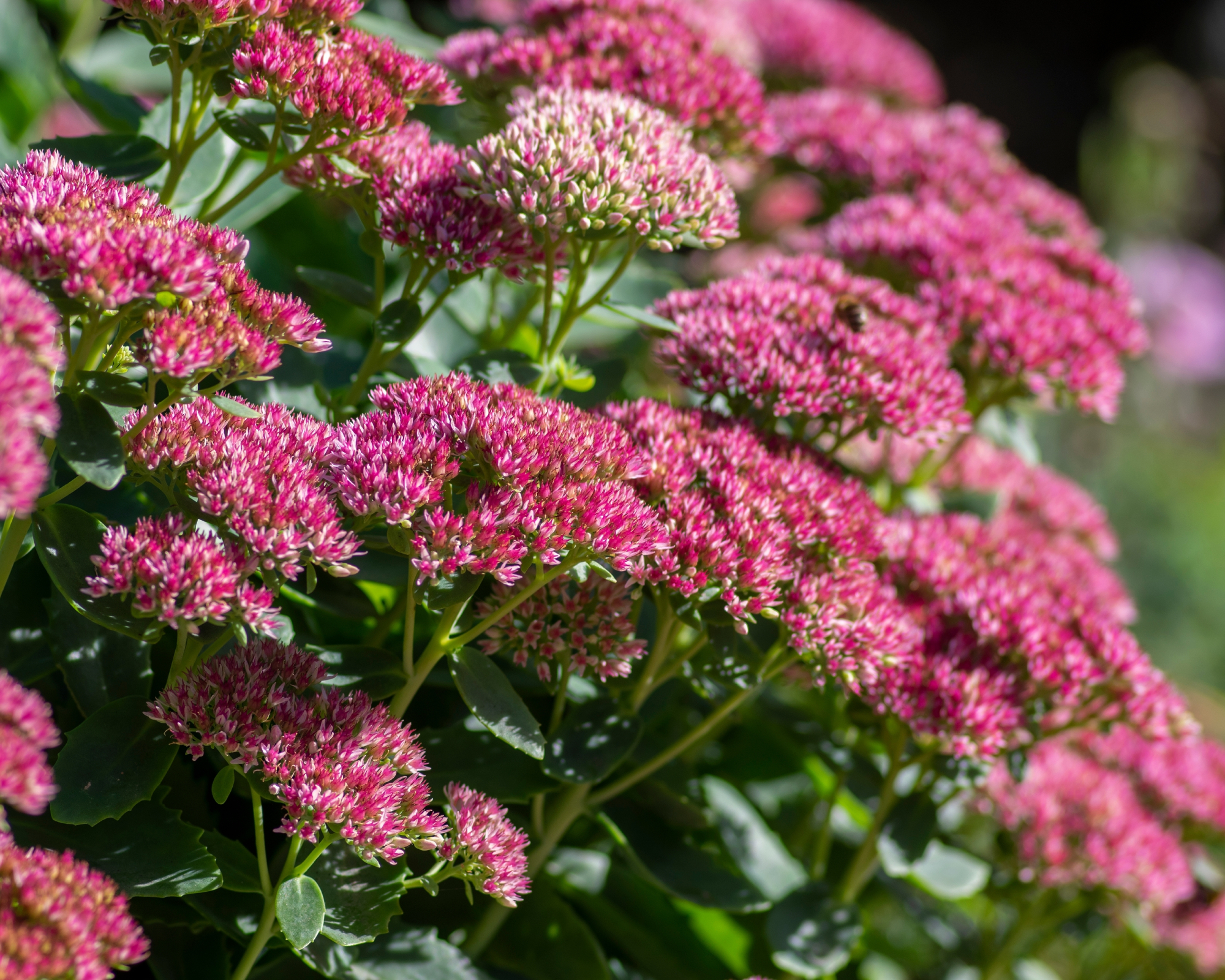
4. Sedum ‘Autumn Joy’
(Image credit: Shutterstock)
Being a succulent, Sedum spectabile ‘Autumn Joy’ isn’t phased by drought and its dense bud clusters form slowly through summer, bursting open just as most other border perennials are starting to wind down. Sedum 'Autumn Joy' blooms change color, too, opening a pale pink before morphing into a rosier pink and finally turning a rich copper.
Happy in sun or partial shade in zones 4-9, this late-season bloomer will grow pretty much anywhere, and bigger pollinators appreciated the flat-topped flowers that act as welcoming 2-foot-high landing pads. Rabbits dislike the fleshy foliage and deer are unlikely to take more than a nibble of the bitter-tasting leaves. Sedum ‘Autumn Joy’ plants are available from Fast Growing Trees.
5. New England Aster
(Image credit: Getty Images)
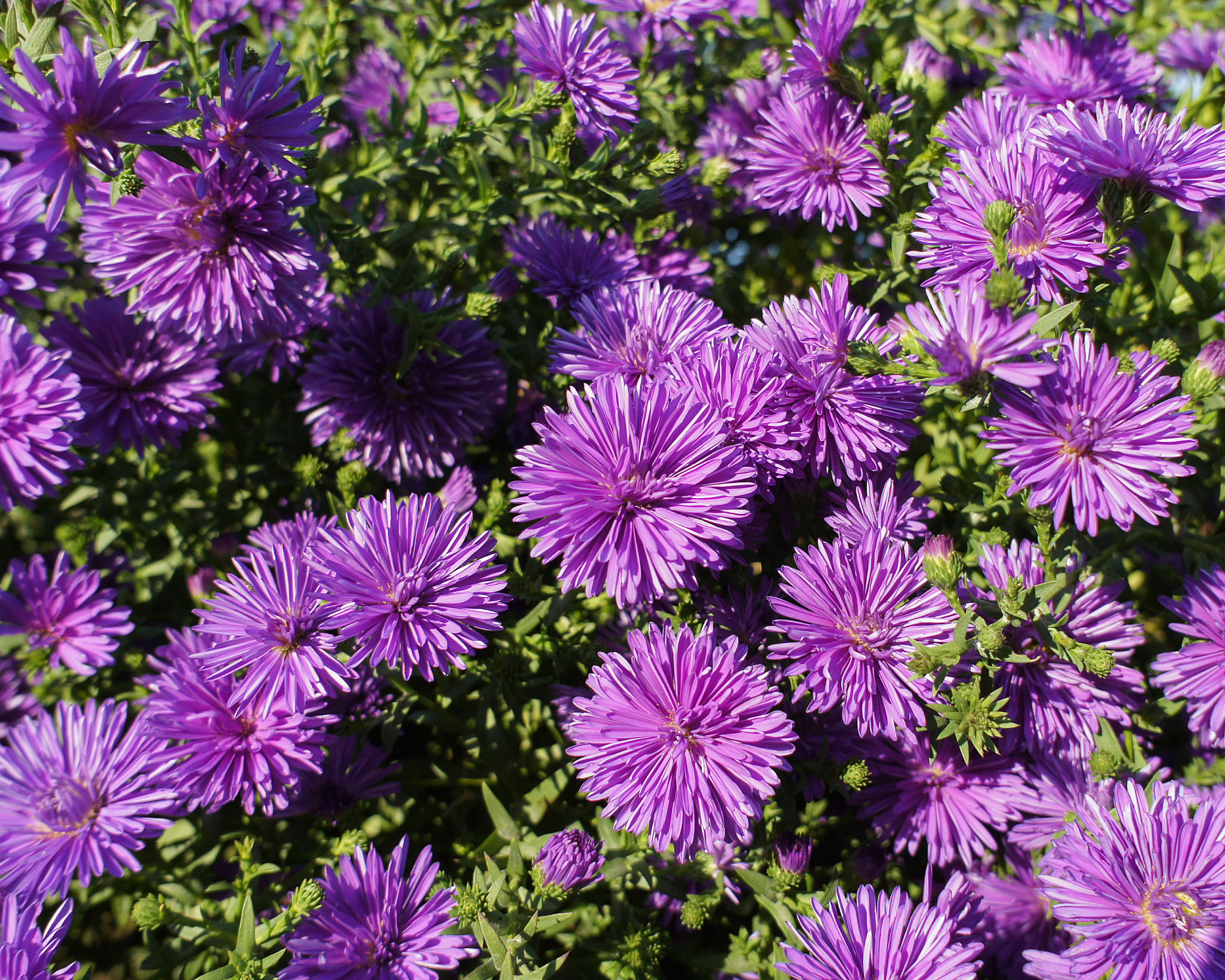
It’s not just us humans that can rely on the abundant summer-to-fall flowers of the New England aster, but migrating monarch butterflies, for whom this resilient plant provides vital fuel stops on their journey south. The vibrant daisy-like flowers begin to show their cheery faces in August and continue until the first hard frost.
While all New England asters are reliable late-season bloomers, ‘Grape Crush’ is a particularly good choice as it naturally grows into a self-supporting mound 2-3 feet high and wide – and some other varieties are guilty of flopping once stormy fall weather hits. The dark purple hue of the petals is intense, too, and looks all the more saturated against the flowers’ golden centres, delivering a good punch of color for months to come. Deer and rabbits dislike the dense foliage, too. Suitable for zones 3-8, Grape Crush New England Aster plants are available from Nature Hills.
6. Black-Eyed Susan
(Image credit: Getty Images)
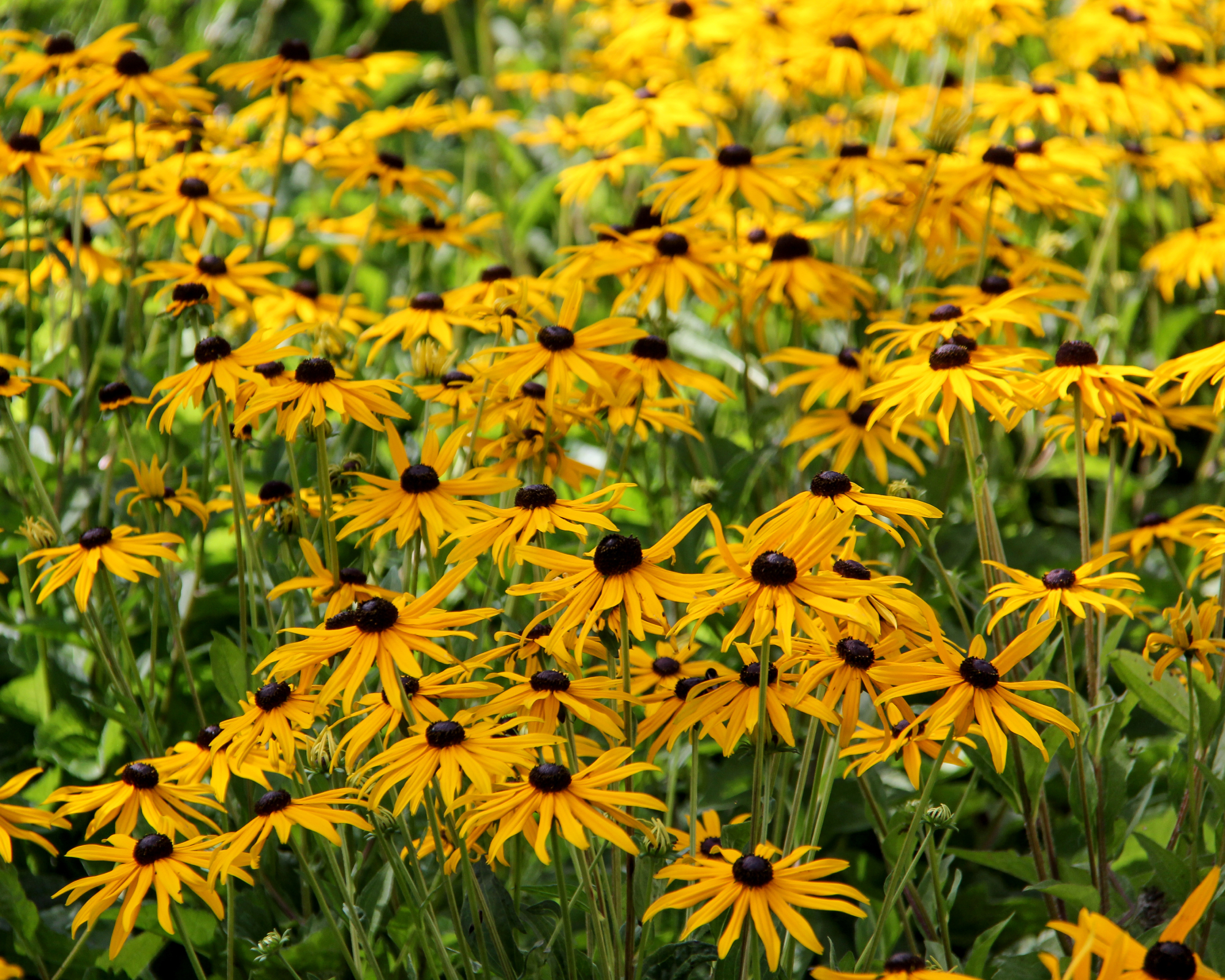
Want flowers in August? Flowers in September? Flowers in October? Look no further than black-eyed Susan. While older varieties of rudbeckia are often troubled by leaf spot and powdery mildew which can cut short the flower show, some modern cultivars are virtually immune and will continue blooming for months.
If you want the classic black-eyed Susan look, then American Gold Rush, available from Garden Goods Direct, should be your go-to as it has been bred for incredible disease resistance, growing to a foot high and 1-2 feet wide in zones 3-8. ‘Little Goldstar’, available from Nature Hills and suitable for zones 4-9, is a shade taller at 16" high and boasts the heaviest bloom density of all black-eyed Susans, also flowering through August and September into October.
Both have stems and leaves covered in fuzzy hairs that save it from being nibbled when food is scarce, yet pollinators adore the nectar-rich flowers.
7. Japanese anemones
(Image credit: Getty Images)
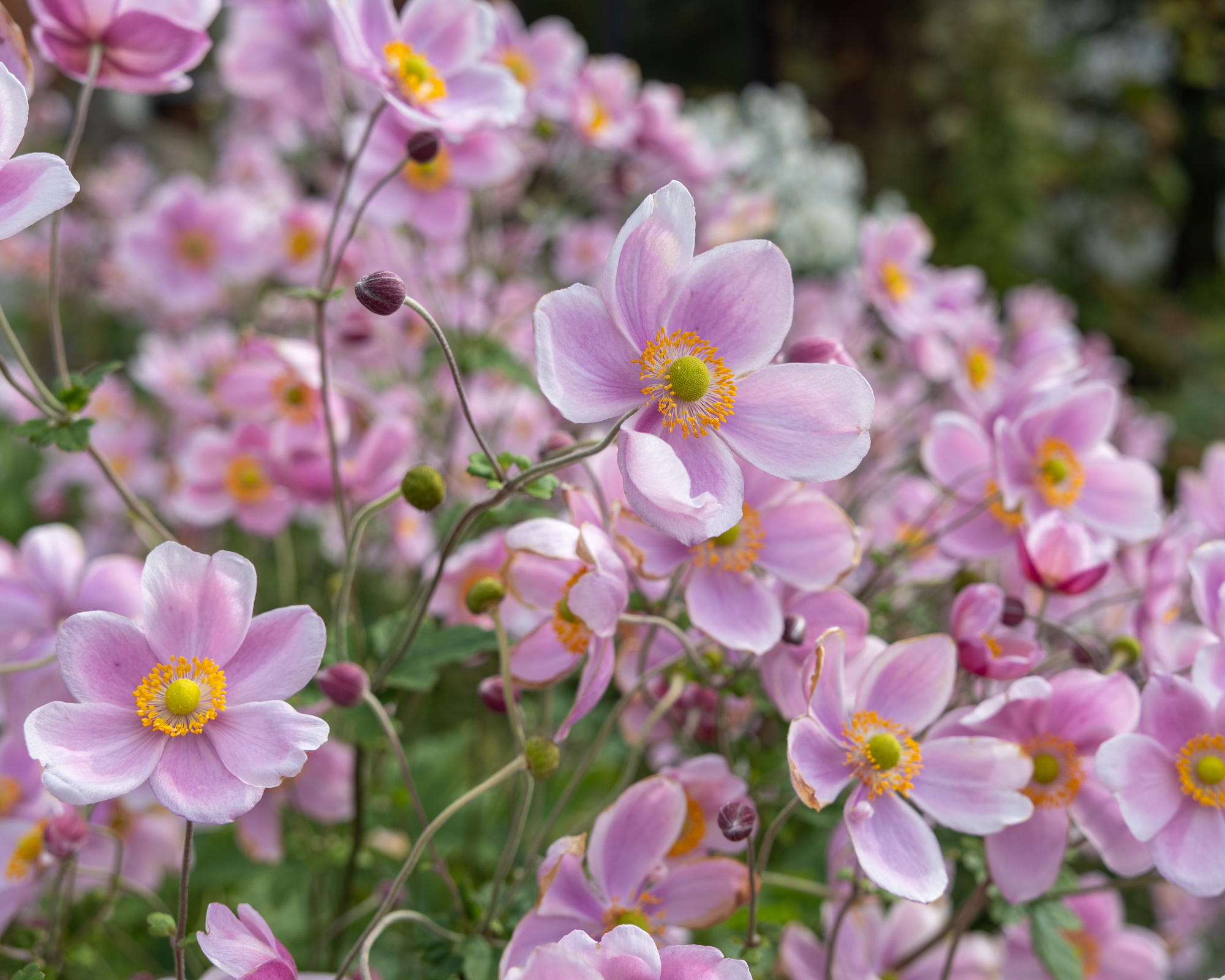
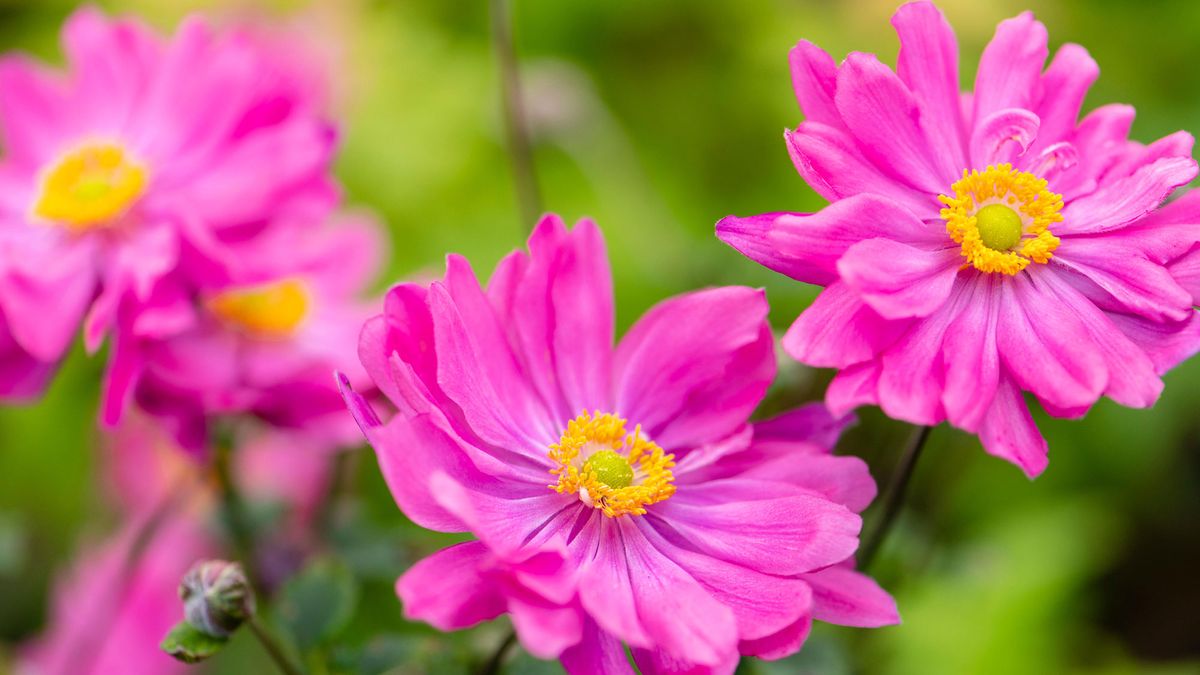
It’s true, Japanese anemones can be as thuggish as they are beautiful in the garden and, though they’re not classed as invasive, do spread through underground rhizomes. In a large planter, though, they’re the most reliable bloomers and a real backyard asset.
As well as keeping these enthusiastic plants corralled in a container, you'll want to stop them self-seeding around your garden, which is easily done by choosing a modern hybrid cultivar that’s been bred to have sterile, unviable seeds. These have typically been bred to spread far more slowly, too, so you don’t have to worry about the plant escaping from its pot. Sterile variety Fall in Love Sweetly is available from Plant Addicts and grows to 2 feet high and wide in zones 4-8 with semi-double rose-pink blooms, creating a container packed with flowers for months on end.
If you'd rather grow Japanese anemones in a border, then choose a dwarf variety that won’t spread as quickly as its taller cousins, such as Fantasy Red Riding Hood, available from Nature Hills which grows 1-2 feet tall and wide in zones 5-9. Even slugs don’t tend to like chewing Japanese Anemone’s fibrous leaves, and deer and rabbits leave them well alone.














 English (US) ·
  French (CA) ·