

If you just reseeded your lawn, the obvious question is how to keep birds from eating grass seed before it has a chance to sprout. Birds are efficient foragers and freshly seeded soil is exactly the kind of easy meal they’re looking for. Exposed seed sitting on bare ground is visible from above, easy to pick up, and requires almost no effort to get.
The good news is that birds are fairly easy to outsmart because they hunt visually. Most effective protection methods work by making the seed harder to see rather than harder to reach. Attracting birds to the garden is usually valuable in most situations. But if you just seeded your lawn, then you want to keep birds away from these parts of your yard.
Luckily for your lawn, this problem is easy to solve without harming or deterring birds from your landscape permanently. Here are the most effective ways to keep birds from eating grass seed you just planted.
Article continues below
How to Prevent Birds From Eating Grass Seed
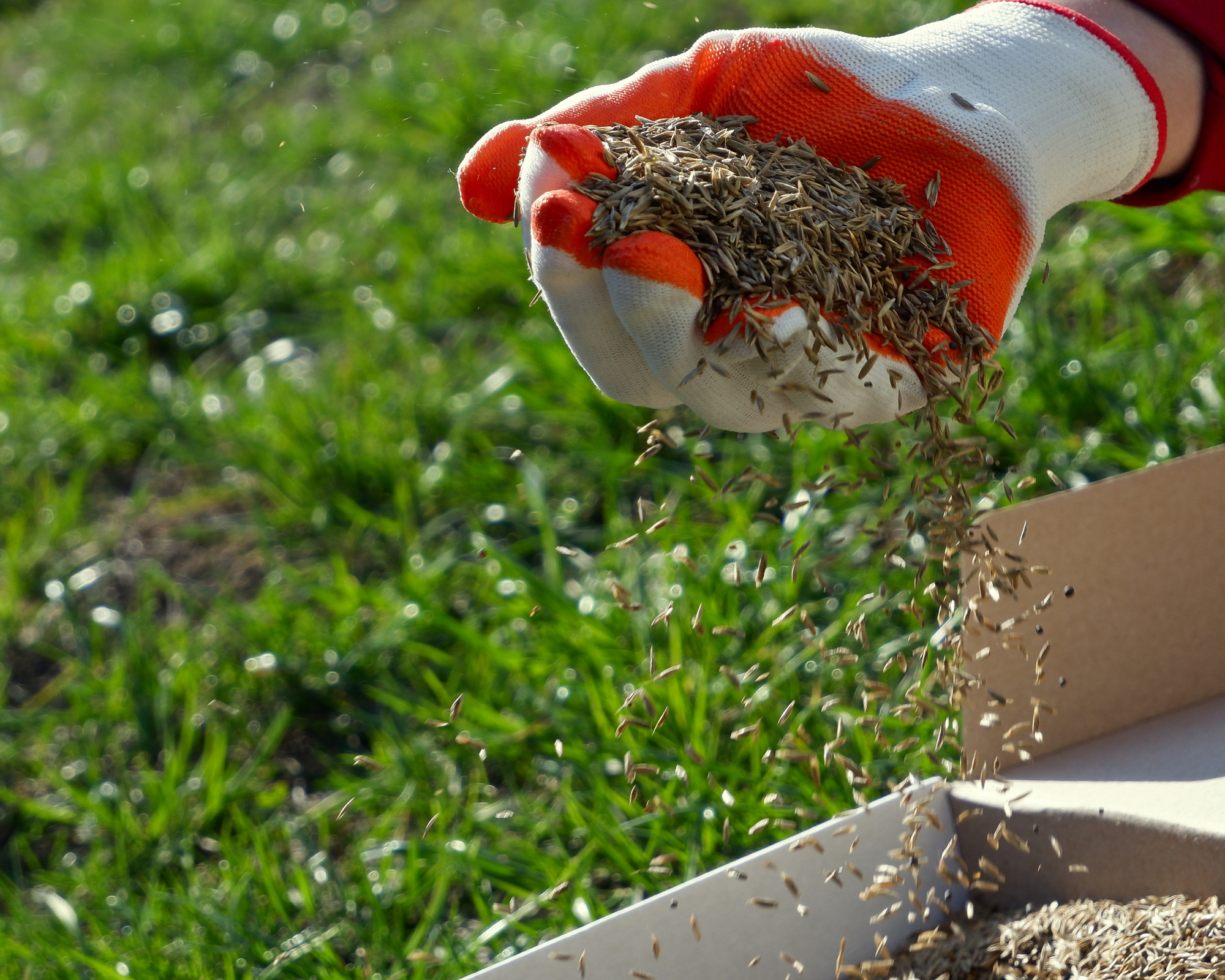
The simplest and most effective way to prevent birds from eating grass seed also doubles as good seeding practice: top-dressing the seeded area with a thin layer of weed-free straw, peat moss, or fine compost right after broadcasting the seed.
The target depth for top-dressing is 1/8 to 1/4 inch (3 to 6 mm). This provides enough light for germinated seedlings to push through and enough cover to break up the visual cue that tells birds there is food below. Birds are aerial hunters and scan for seed by sight. Cover seeds with a top-dressing of soil or straw and they will have no reason to land.
This method comes with a bonus that has nothing to do with birds as well. That thin organic layer acts as a moisture blanket over your grass seed. This prevents evaporation and keeps the seeds in constant contact with damp material, which helps them sprout faster.
Seeds that stay evenly damp from day one tend to germinate two to four days faster than those left exposed. So the straw or compost you spread to fool the birds also quietly gives your grass seed a better start. One easy step, two problems solved.
(Image credit: Getty Images)
Best Types of Top-Dressing
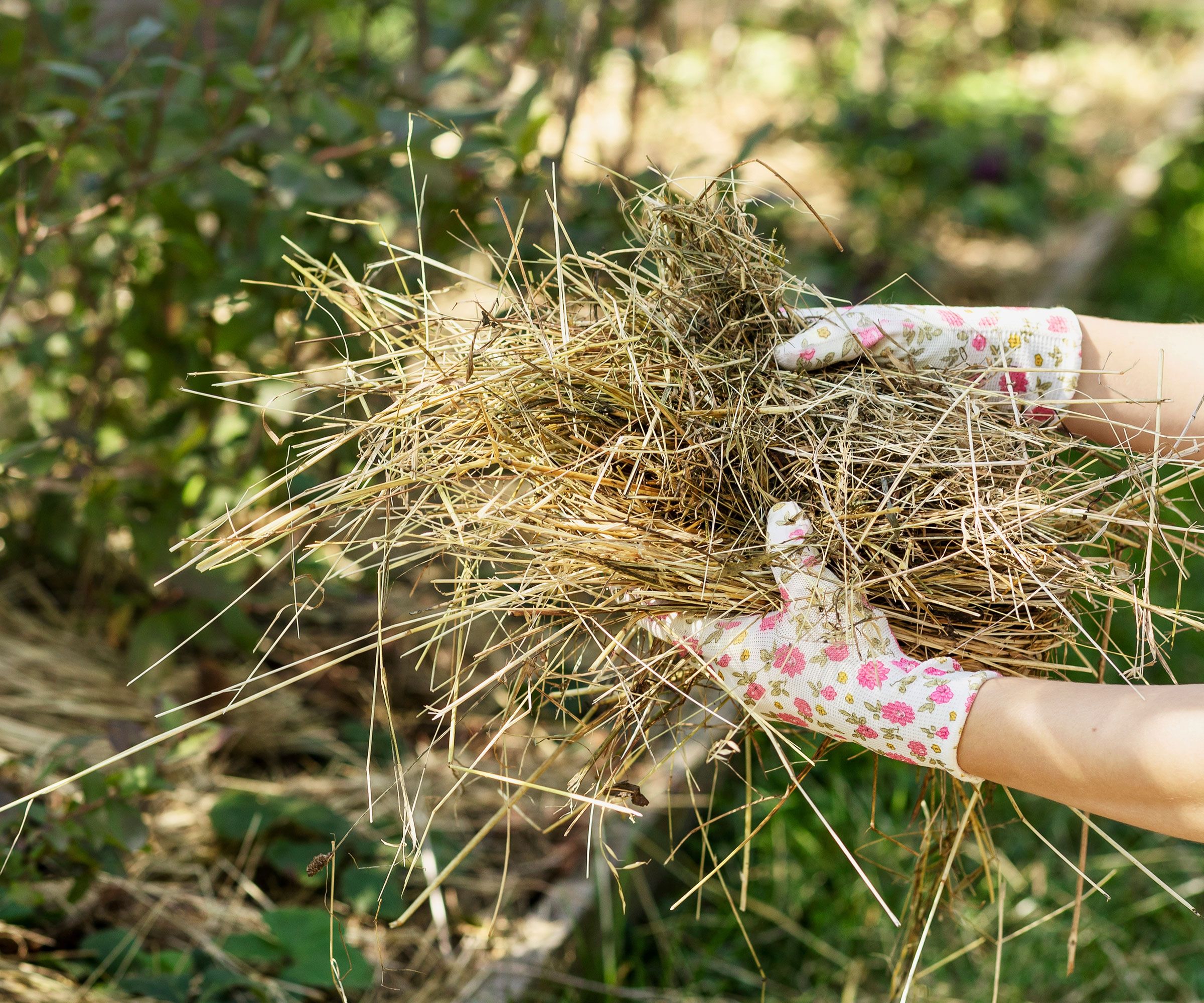
Not everything that looks like straw is appropriate as a top-dressing. Hay is the main material to avoid. It’s cheap and readily available, but spreading it over your new lawn seed is essentially planting a second, unwanted crop.
A lawn mulched with hay can end up with a weed problem that outlasts the grass by years. Stick to golden wheat straw or rice straw, both of which are harvested after seed set and are clean of weed seeds. This wheat straw from Vigoro at the Home Depot is specifically made for lawn seeding, so it’s a perfect top-dressing material.
Peat moss works well as a top-dressing, too, and holds moisture slightly better than straw. However, peat moss can form a crust if it dries out. If this happens, break it up lightly with your hands or a garden fork.
The main downside of peat moss is that it is not a sustainable gardening product. It takes thousands of years for peat bogs to form and mining them releases large amounts of carbon into the atmosphere.
Fine compost is a solid alternative to peat moss, especially if soil quality is poor, since it feeds the grass seedlings as it breaks down. A dedicated lawn seed mix, like this one from Amazon, takes the guesswork out of top-dressing selection and is formulated for this exact purpose.
Whatever material you choose, aim for a light, even covering rather than a thick mat that blocks light once seedlings emerge.
(Image credit: Mariana Serdynska / Shutterstock)
Other Ways to Stop Birds
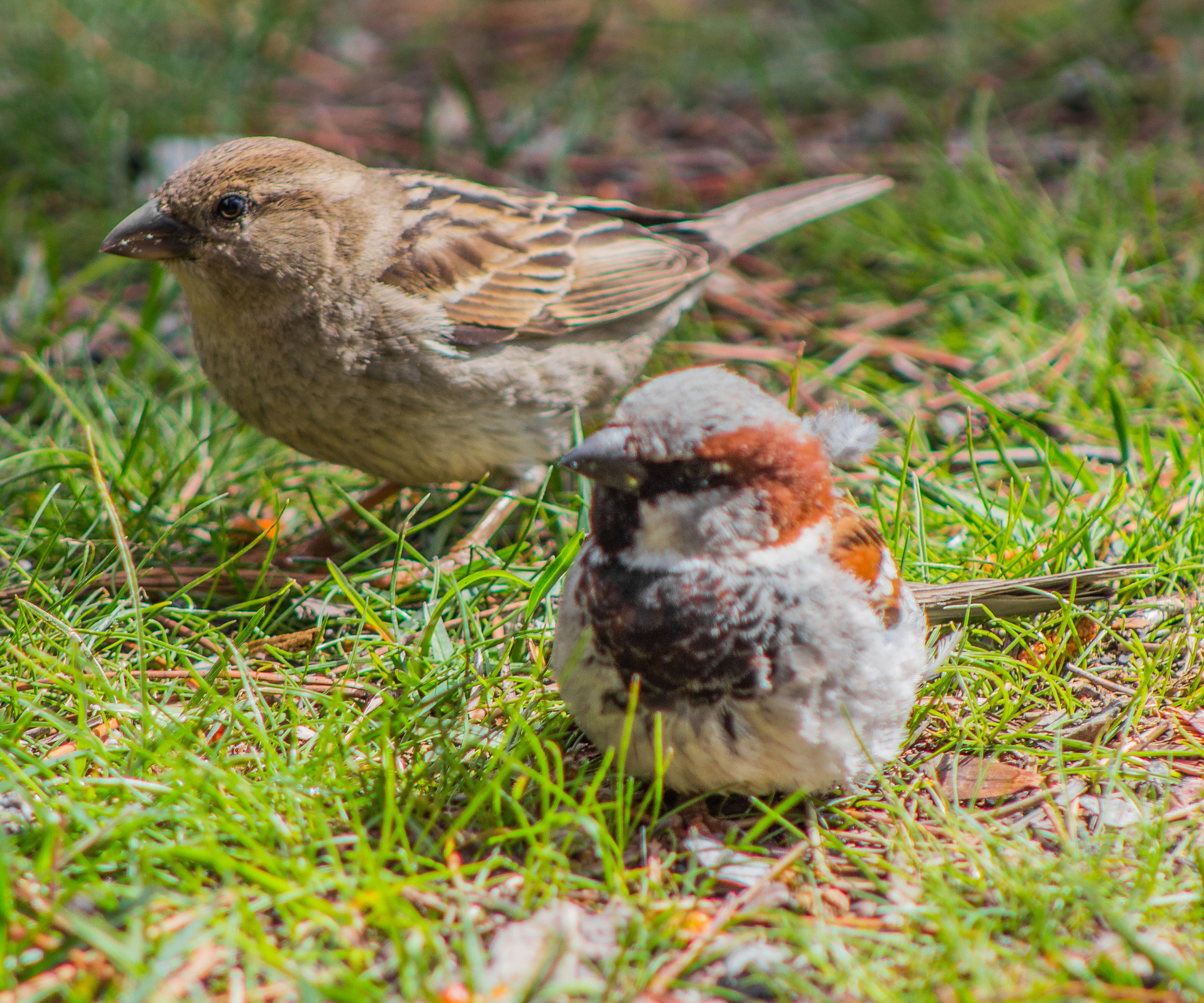
In areas with heavy bird pressure – especially where sparrows, starlings, or pigeons have already discovered the spot – a physical barrier gives the top-dressing method backup.
A simple frame of bird netting, which you can get on Amazon, stretched over the seeded area and staked a few inches above the soil keeps birds off while still allowing light and water through. Even a loose draping held off the ground with sticks works. The key is keeping it high enough that birds can’t reach the soil from above.
Be careful with bird netting, though. Birds and other small animals can easily get caught in it. This can seriously harm them. Keep netting at least a few inches off the ground to prevent small mammals like chipmunks getting tangled up and stuck.
Reflective items or foil strips, like this bird deterrent tape from Amazon, strung above the area can also keep birds away from grass seed. The movement and flashes make most birds uneasy about landing. This works best in open spots with some air movement.
For larger patches, a lightweight floating row cover, like this one from Amazon, laid directly on the soil allows watering through while blocking birds. Remove it as soon as the grass starts germinating so seedlings get the light they need to grow.
(Image credit: Viktor Hejna / Shutterstock)
When to Set Up Bird Deterrents
Most bird pressure hits in the first week after seeding, before the seed roots into the soil. Once germination begins and seedlings are visible – usually 7 to 14 days, depending on grass type and soil temperature – bird interest drops sharply. Germinating grass no longer looks like easy food.
The protection only needs to last through that critical window, making straw or netting a short-term investment. Consistent gentle watering during this time also helps.
Once the seed has anchored its first root, it becomes much harder for birds to peck up. A gentle sprinkler, like this one from Amazon, set on a light cycle twice daily keeps the seed damp without washing away the top-dressing or exposing the seed.
Once the grass is up and established, the birds are welcome back. They’ll hunt for insects in the thatch – exactly what a healthy lawn needs.
Shop Bird Deterrents
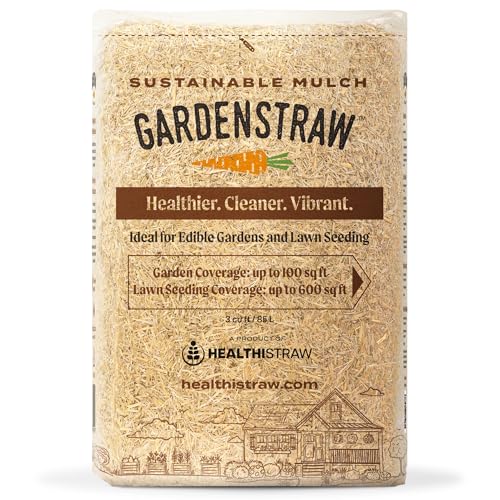
Straw is one of the best top-dressings for grass seed and deterring birds.
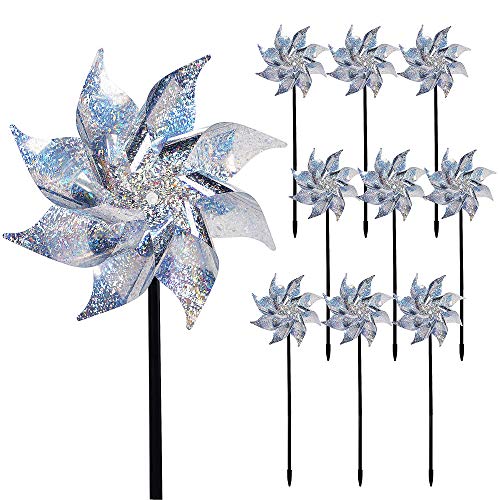
Hausse 10-Pack Reflective Pinwheels
Place reflective pinwheels around your lawn to scare birds away while seeds germinate.
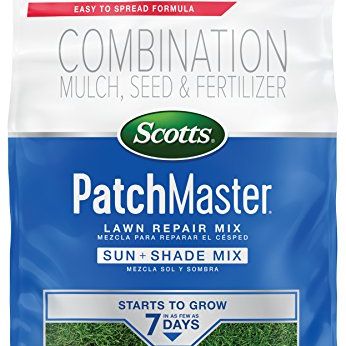
Scotts Patchmaster Lawn Repair Mix
This seed, mulch, and fertilizer mix makes top-dressing an unnecessary step.














 English (US) ·
  French (CA) ·