

Is there such a thing as a delphinium dupe? I didn't think so either. After all, very little can rival those towering flower spikes and old-fashioned cottage garden charm that make them such enduring favorites, so it seemed all but impossible to find a perennial quietly replacing delphiniums.
The problem, though, is that delphiniums aren't always built for the summers many of us are gardening through now. Between scorching temperatures, prolonged dry spells, and increasingly unpredictable weather, they can quickly become thirsty, high-maintenance plants that struggle to look their best without plenty of care.
That's exactly why I started looking for an alternative that could deliver the same vertical drama without demanding constant watering. I expected to land on one of the usual suspects, but instead I found a native perennial that seems surprisingly underappreciated despite having all the ingredients of a future garden classic.
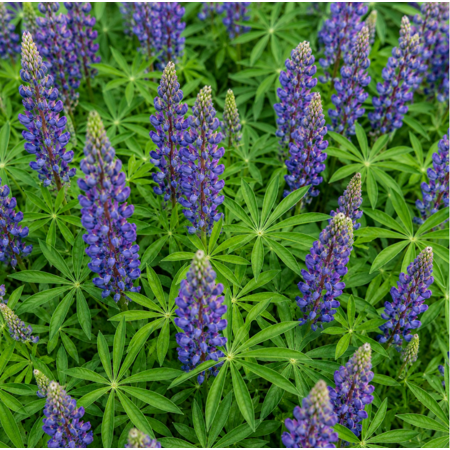
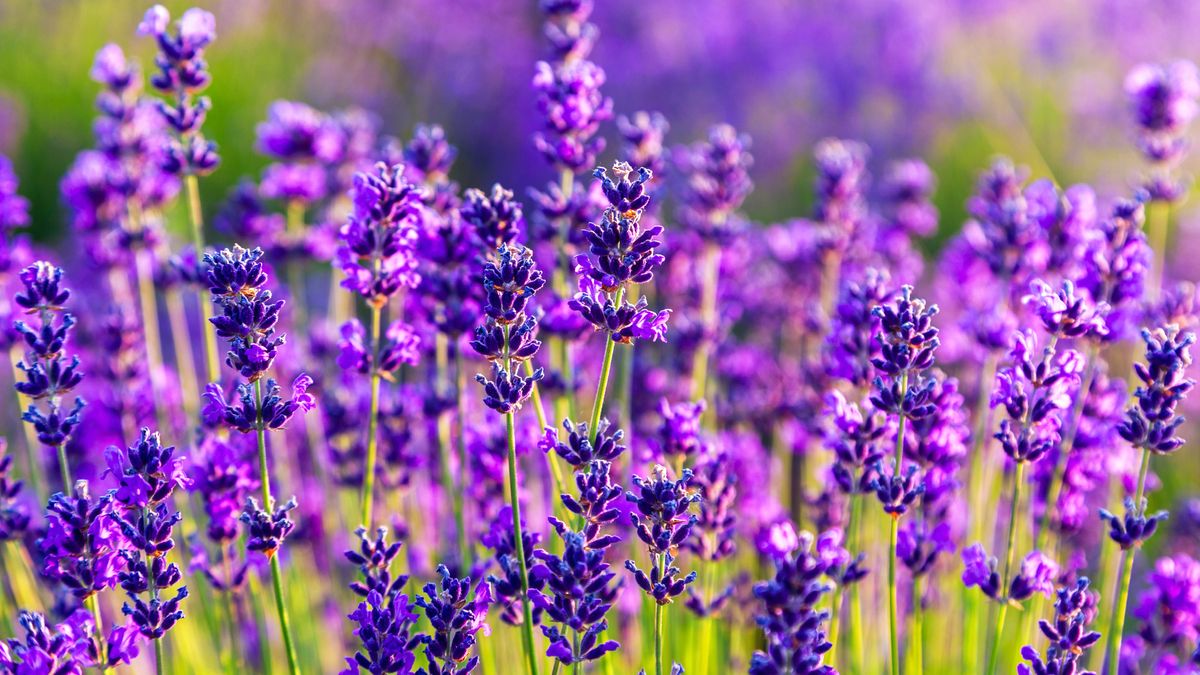
I'm talking about wild lupine (Lupinus perennis). With its elegant purple flower spikes, impressive drought tolerance once established, it boasts an irresistible appeal to bees and butterflies, thus making it easier than ever to spot your birth month butterfly in your yard!
Basically, it captures much of what I love about delphiniums while being far better suited to the hotter and drier growing conditions becoming increasingly common across many parts of the US. The more I learn about it, the more convinced I am that this beautiful native perennial deserves a place in far more borders.
Shop Wild Lupines:
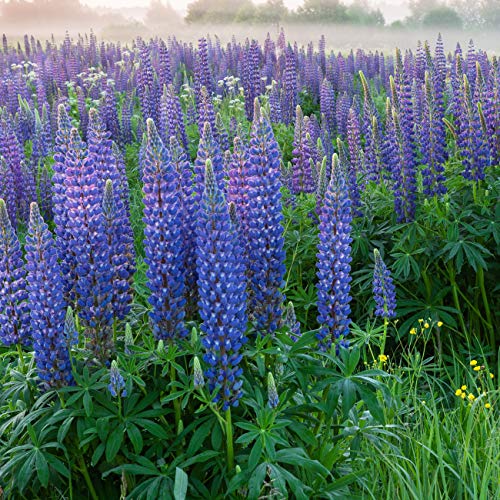
Outsidepride
Wild Blue Perennial Lupine Seeds
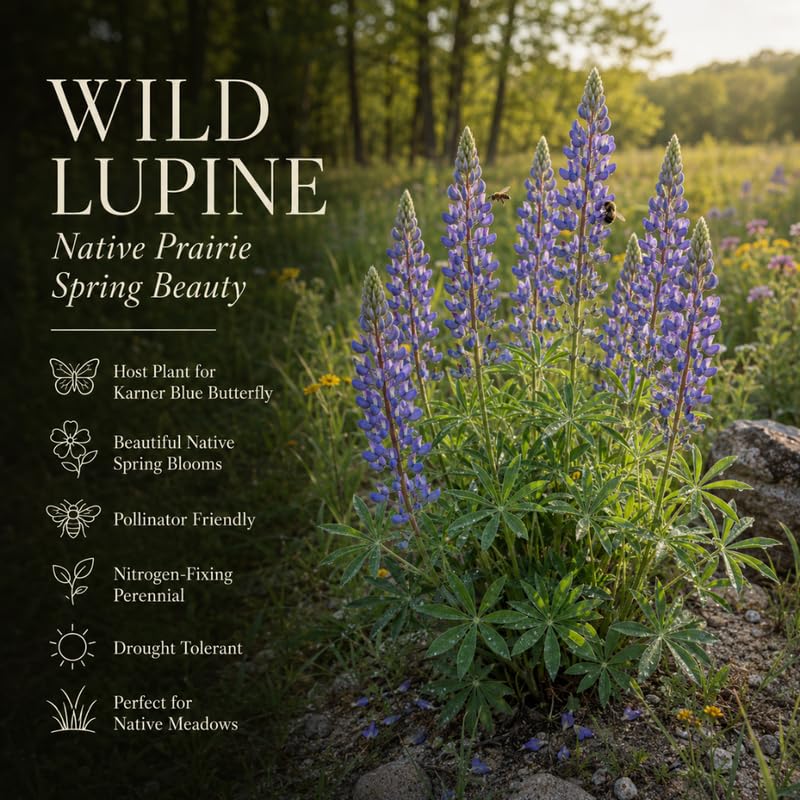
GINGERGLOW
2 Wild Lupine Live Plant
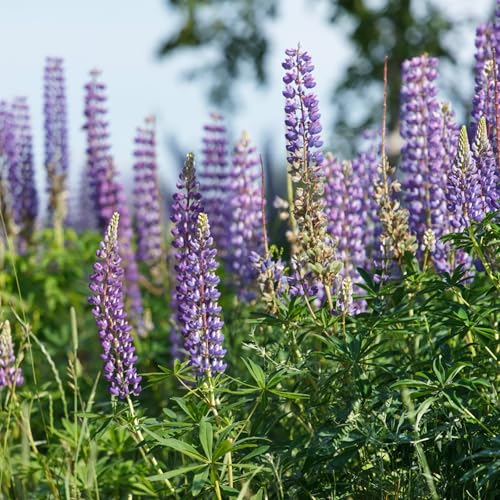
Seed Needs
Wild Perennial Lupine Seeds
Native to eastern and central North America, wild lupine is a long-lived herbaceous perennial prized for its tall spires of flowers that bloom in shades of violet-blue, purple, and (very occasionally) white. While it has a softer look than the densely packed flower spikes of a delphinium, the effect is remarkably similar, bringing height, movement, and cottage garden character to borders.
It's hardy throughout USDA Zones 3 to 8, where it thrives in full sun and well-drained soils, particularly sandy or gravelly sites where many traditional border perennials struggle. And, unlike delphiniums (which crave consistently moist and very fertile soil), wild lupine is perfectly happy in lean ground. In fact, it actually hates waterlogged conditions!
But wait, there's more! As a member of the pea family, it also fixes nitrogen in the soil, which means it can also help to improve the ground around it while asking for basically nothing in return. What a hero plant, right?
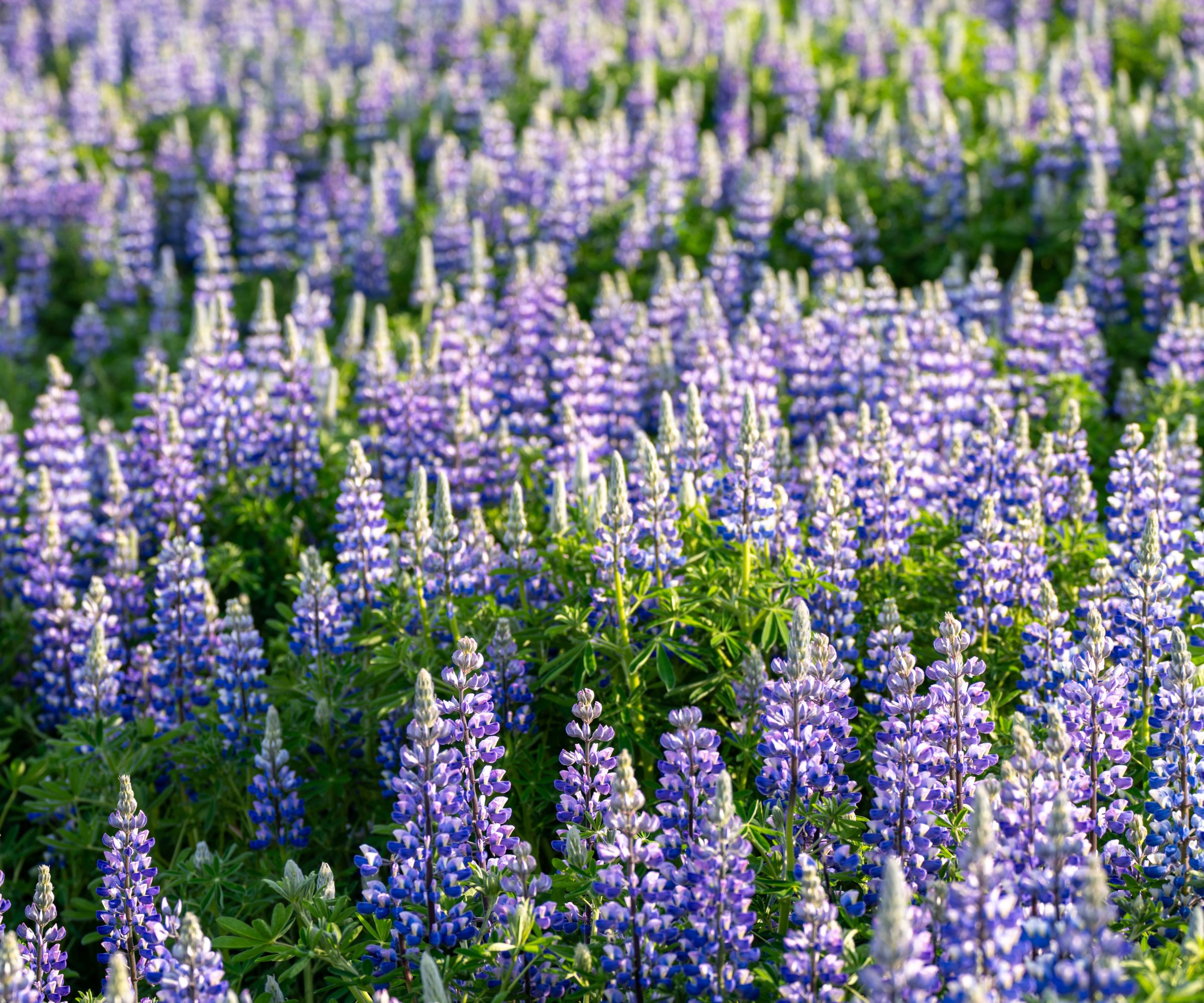
(Image credit: WePro/Getty Images)
Oh sure, there's no denying that delphiniums are beautiful, but they are also pretty demanding; hot weather, humidity, drought, strong winds, slugs, and powdery mildew are all enemies of this pretty short-lived perennial.
If you're the kind of gardener who doesn't have time to waste on endless staking, watering, and replacing plants, then, wild lupine offers a refreshingly low maintenance alternative once its established (its sturdy stems don't even need staking!). And, while it won't flower for months on end like delphiniums, you'd best believe the elegant vertical spikes provide just as much of an impact. In fact, its nectar-rich blooms are a beacon for pollinators (especially the endangered Karner blue butterfly, for which it is a host plant).
A must, then, for anyone interested in gardening for wildlife!
Shop Ready-To-Plant Lupines:
FLOWERSBULBS
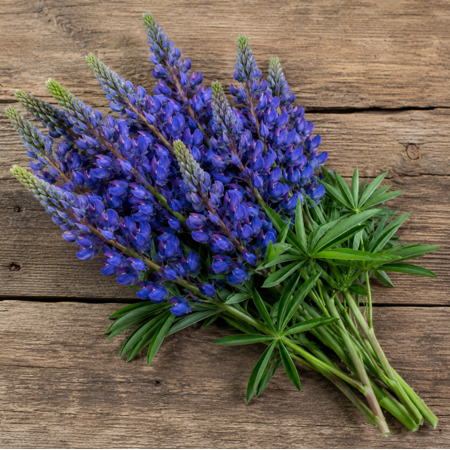
Purple Wild Lupine Live Plant
EKT Nursery
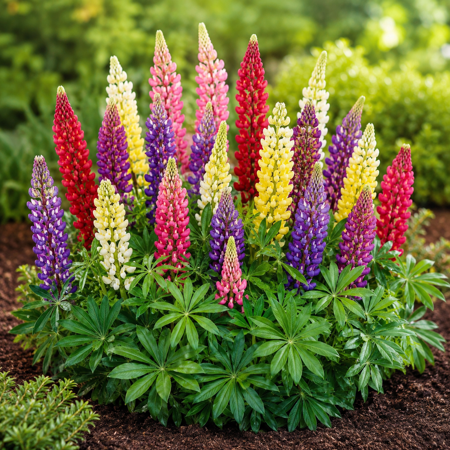
Russell Lupine Plant Live
FLOWERSBULBS
Purple Wild Lupine Live Plant
As gardeners rethink their planting choices in response to a changing climate, I can easily see wild lupine quietly replacing delphiniums as one of the defining perennials of modern cottage gardens.
After all, it delivers the upright flower spikes that make delphiniums so beloved, yet it's far better equipped to handle dry and nutrient-poor soils once established. Throw in the pollinator-friendly vibes, its native heritage, and its ability to thrive without constant attention? Yeah, it's easy to understand why more gardeners are beginning to appreciate its potential.
Delphiniums will always have their place, but if you're searching for a perennial that offers similar beauty while asking much less of you (and no judgment; I'm right there with you!), wild lupine may just be one of the smartest additions you can make to your borders. Time to get planting, I say...














 English (US) ·
  French (CA) ·