

If you’ve got curious kids or pets who use your garden, you won’t want to be using chemical traps to get rid of your resident ants. Neither will you want to be dabbling with borax – while it is a naturally occurring mineral, some countries restrict its sale because of concerns about toxicity. But other natural ingredients like orange peel do absolutely nothing, right? Well, if you're wondering how to get rid of ants naturally, the chemical-free solution you need that effectively kills ants is a combination of baking soda and powdered confectioners’ sugar, with a little help from a splash of white vinegar.
The first two pantry staples create a delicious yet deadly concoction to get rid of ants and anthills naturally. While the sweet sugar tempts the ants, the baking soda reacts with their stomach acids to kill them. Ok, so it’s not a good way to go but if you, like me, garden with wildlife in mind, this is an effective method to stop ants overtaking your yard without eradicating them completely.
Ants are a super-helpful part of your garden’s ecosystem because they aerate the soil as they tunnel underground, allowing air and water to reach plant roots. By scavenging dead insects and crumbs of organic waste, they aid the process of decomposition to nourish soil. Ants are also extremely good at hoovering up eggs, larvae and pupae of pests such as fruit flies, fleas and caterpillars. So, get rid of all the ants in your garden and you may just find yourself with a different pest problem. I find encouraging the beneficial critters and discouraging the pesky ones brings a good balance.
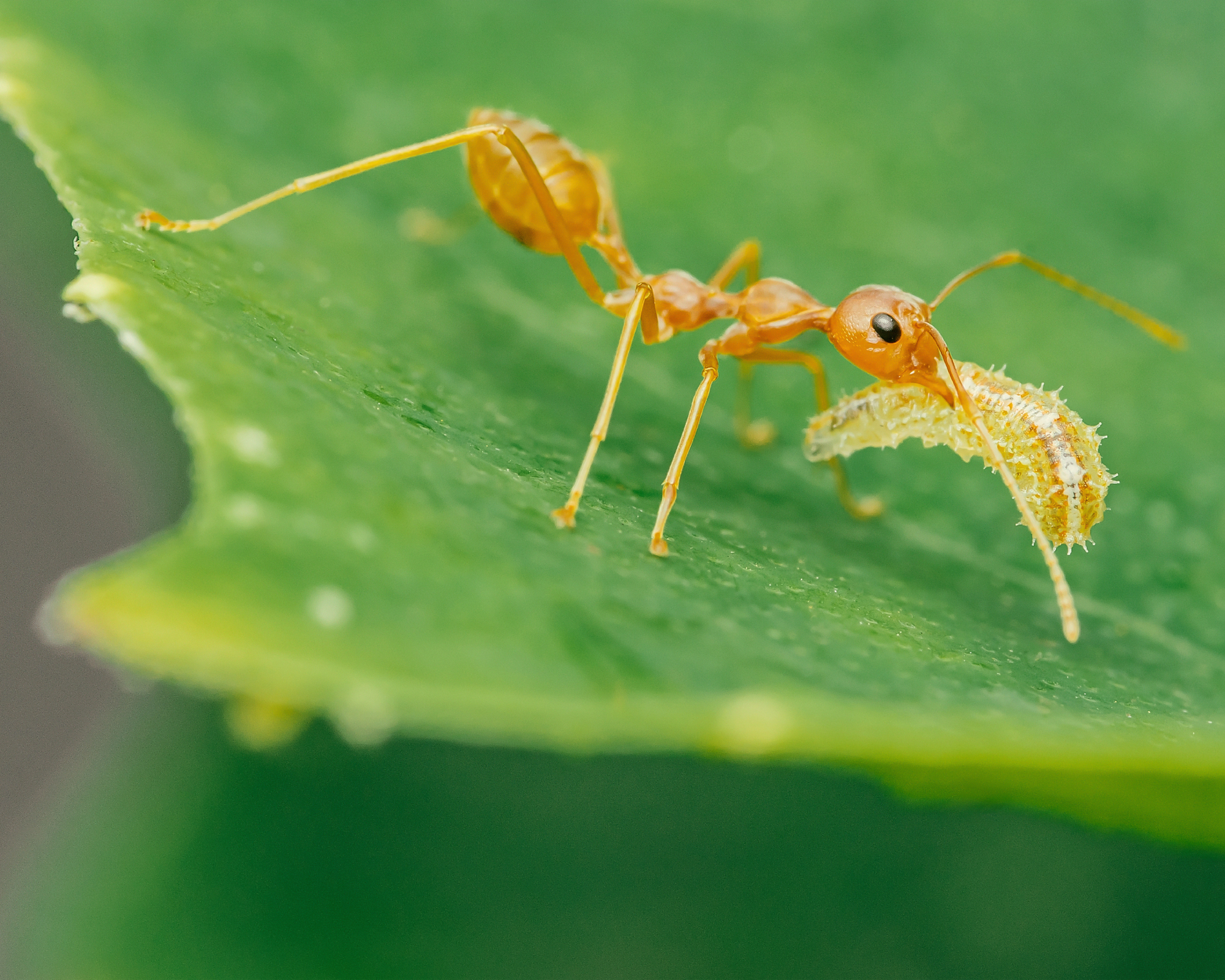
(Image credit: Getty Images)
And that’s what’s great about this method: you can adjust the potency of the trap so it controls numbers rather than destroying the nest, or up the ante to get rid of the entire colony. This means you can significantly reduce the number of ants in your garden if they’re becoming a problem, but leave a small population that’s beneficial. Or employ a strategic combination in different areas: it might be that you have a colony in your front yard that’s creating ant hills on the driveway paving, that you want to eradicate, but only want to lower the number of ants in your back-garden lawn to reduce the likelihood of your kids getting bitten.
Disrupting the ants' scent trails with diluted white vinegar ensures the ants find the trap quickly. And then, with ant numbers under control, you can employ deterrents such as pots of pennyroyal, a pretty plant that naturally repels ants, to keep these biters off your deck or patio (and seeds are available from Amazon). And voila! You have yourself an effective, natural solution to dealing with ants in your garden.
How to Make a Natural Ant Trap
1. Make Holes in a Clear Container
You’ll need some sort of small plastic container with a lid – I use old takeaway tubs. Poke two or three holes low on the sides; I do this by melting the plastic with the heated tip of a skewer.
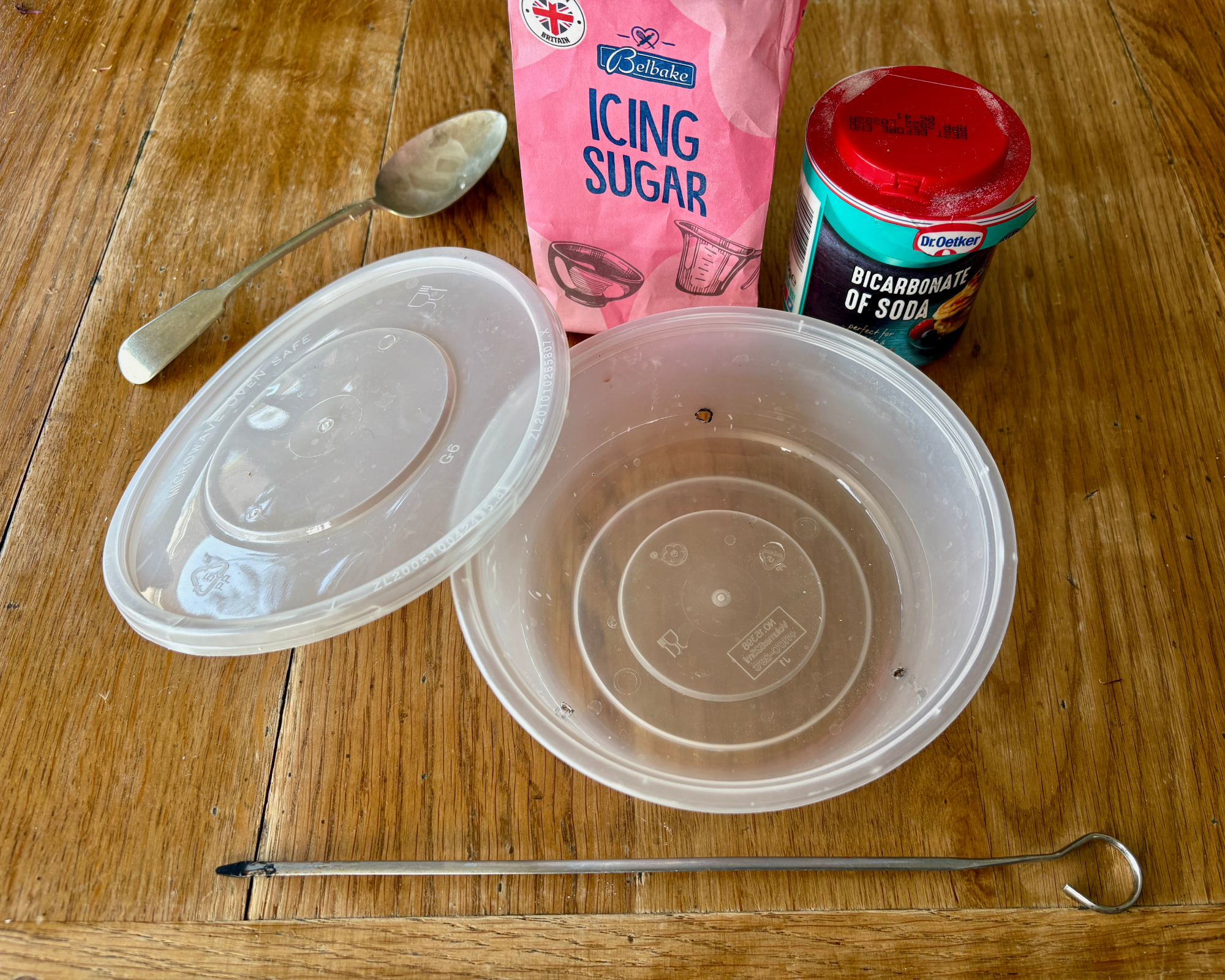
(Image credit: Emma Kendell)
2. Add the Ingredients
Then add a tablespoon of baking soda (bicarbonate of soda) and a tablespoon of powdered confectioners' (icing) sugar and mix well. It’s important that you use powdered sugar because if you use granulated or caster sugar, the ants will be able to separate those larger granules from the finer baking soda.
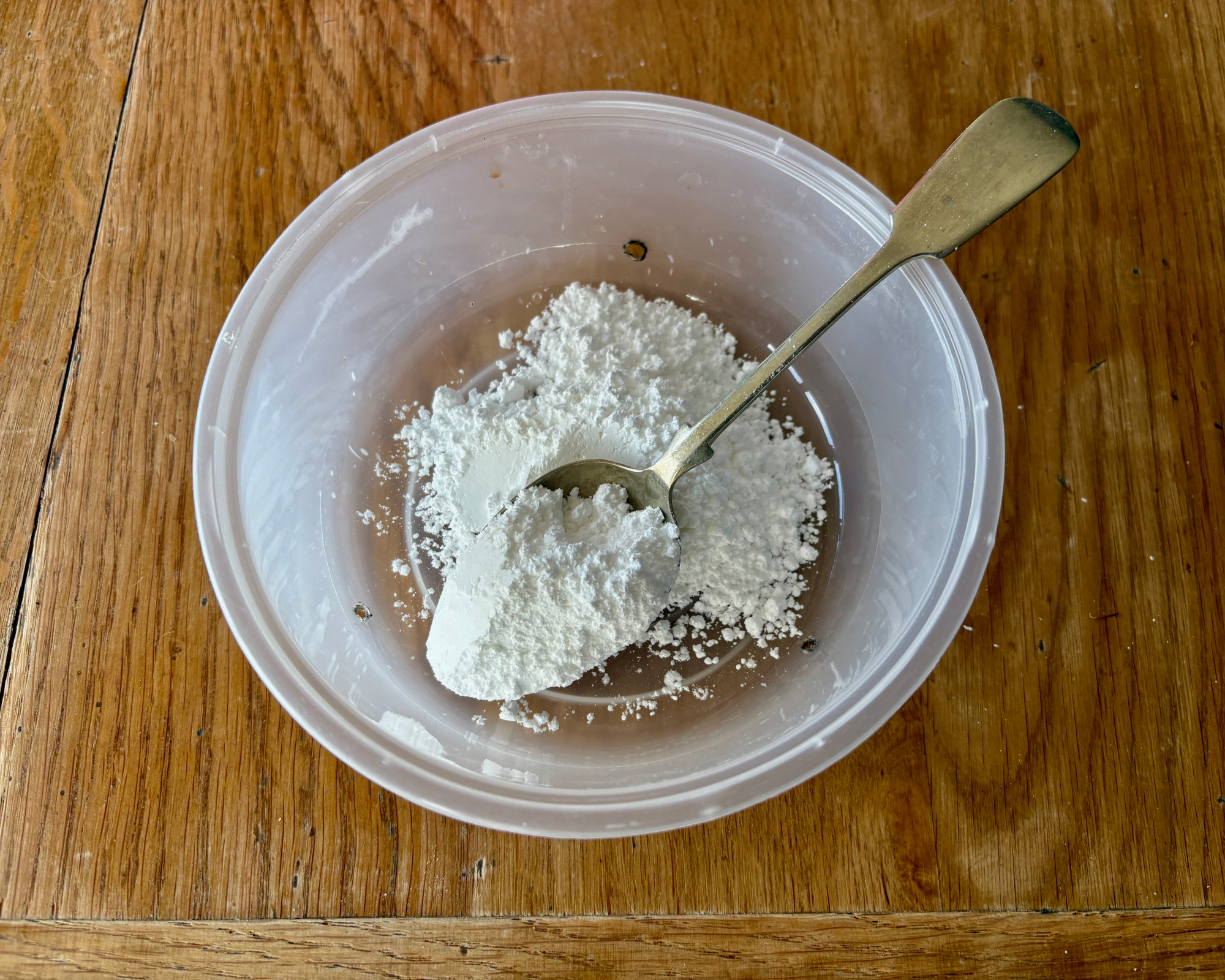
(Image credit: Emma Kendell)
3. Decide How Potent the Ant Trap Will Be
Here’s the clever bit! If you want to reduce the number of ants, simply mix the two ingredients well to combine the two powders. If you want to eradicate the nest, however, add a little water to make a thick paste. Worker ants will consume the dry mix in situ, but the paste is much easier to carry so they’re far more likely to take this back to their colony.
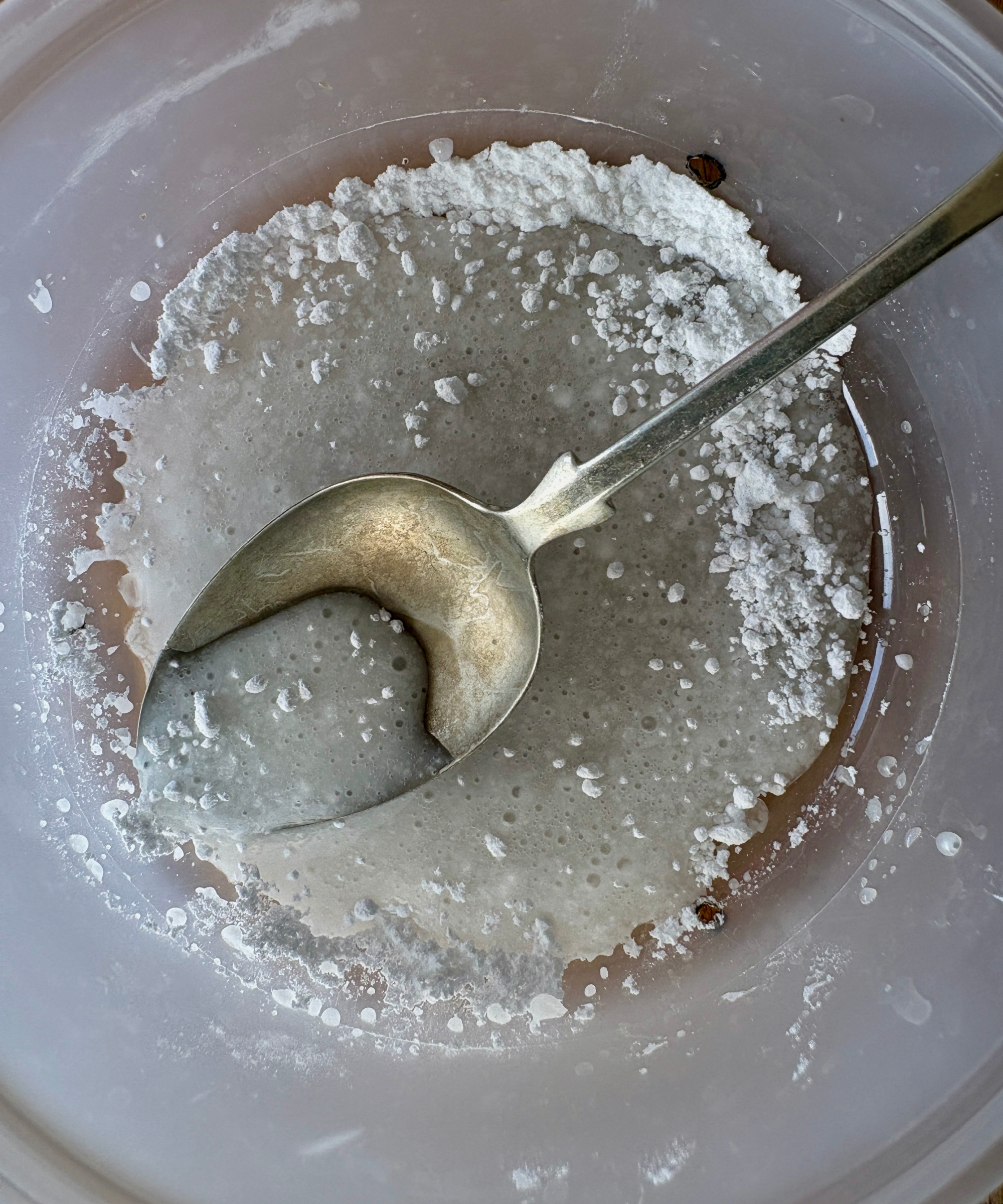
(Image credit: Emma Kendell)
4. Position the Ant Trap
Pop the lid on the container and place the ant trap in your garden near to ant hills or whereever you regularly see ants. I'm targeting the ants that are loosening these pavers next to a raised bed – this is my zero-water border that I literally never water, so ants love the dry conditions a little too much.
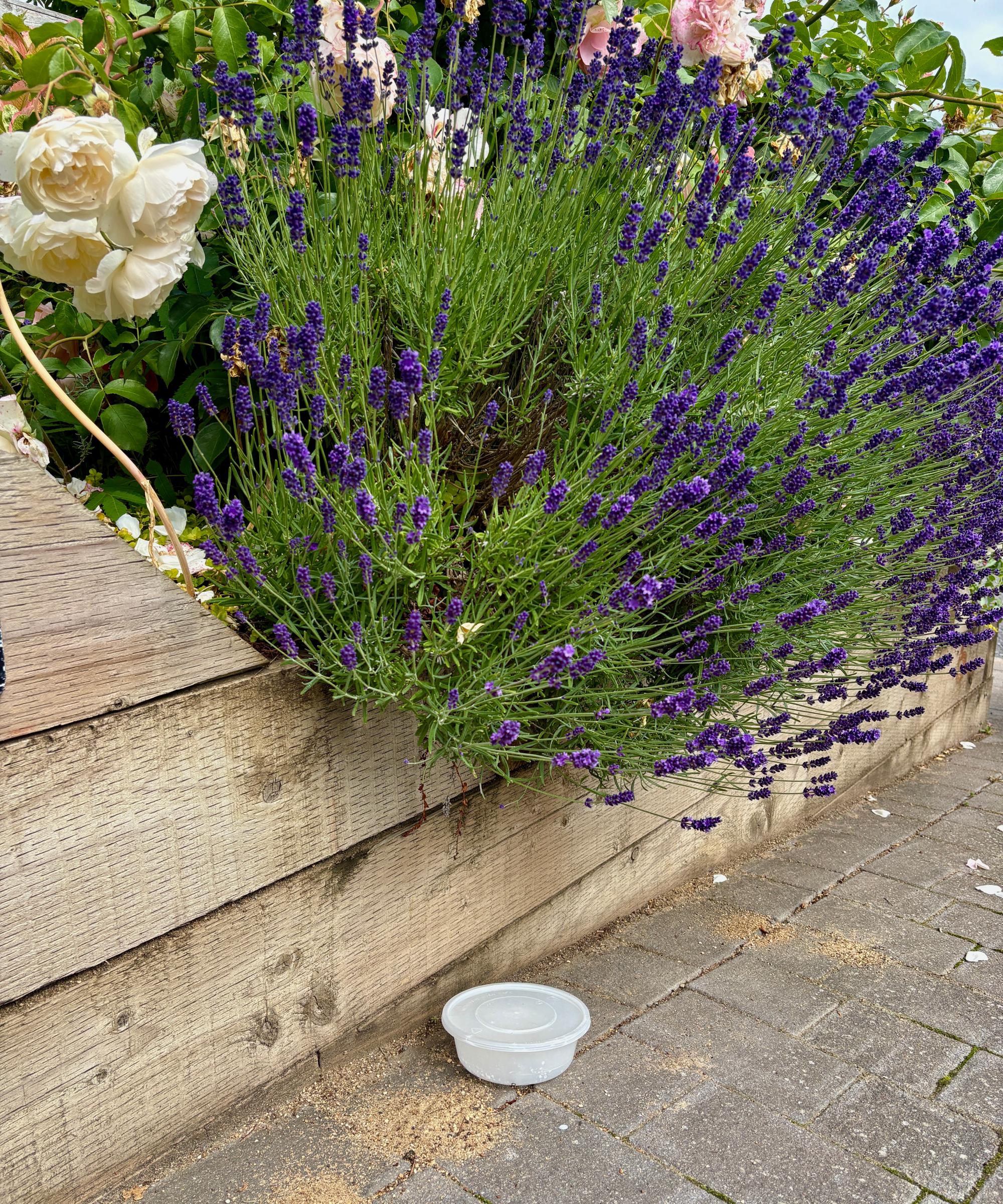
(Image credit: Future)
5. Encourage Ants to Use the Trap
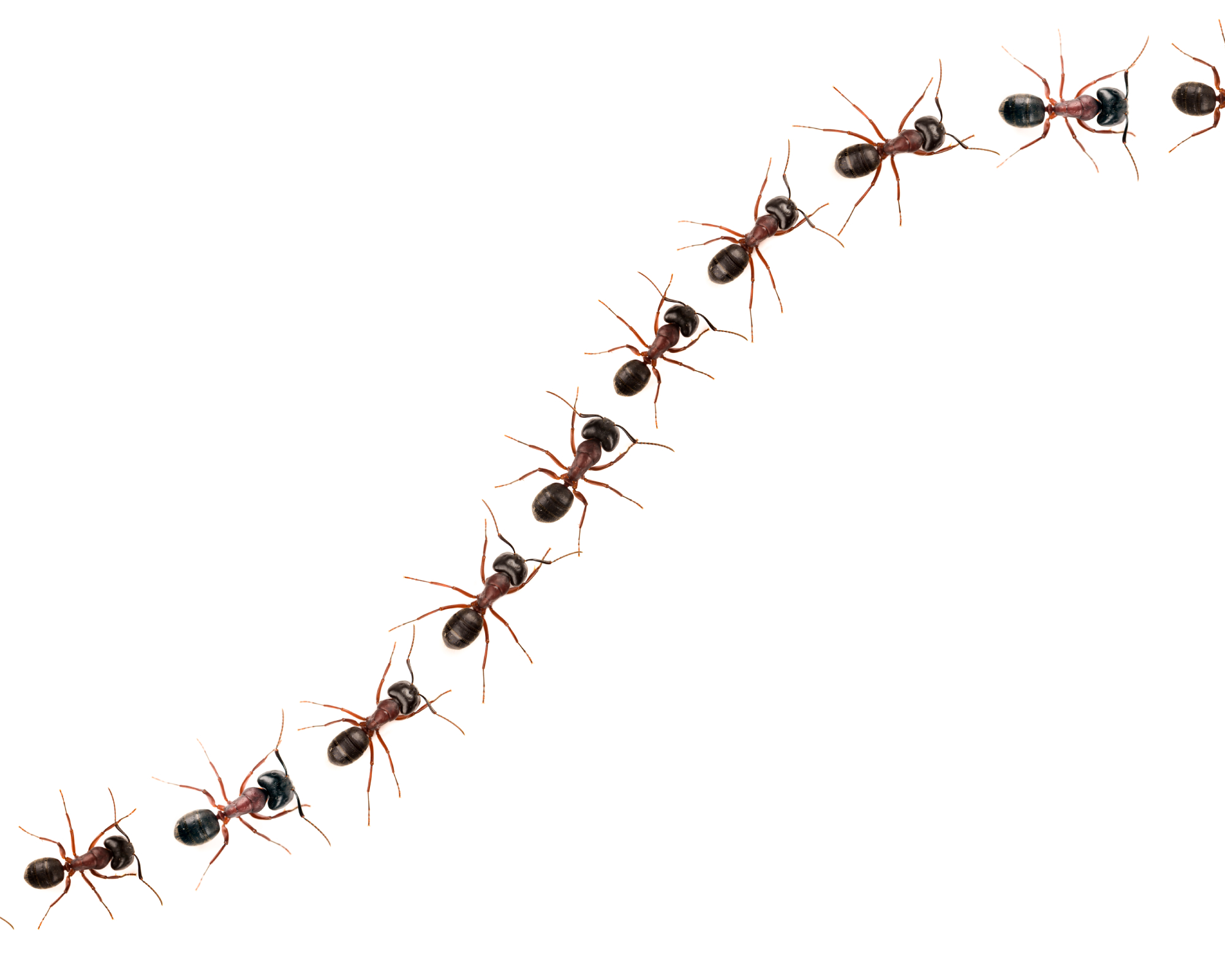
Placed close to an anthill, ants will be attracted by the sweet scent and quickly find the trap. However, if you don't have anthills to guide your trap placement, it's a smart idea to help ants find it faster by getting rid of existing scent trails they follow to regular sources of food. You’ll no doubt have spotted lines of ants using the same highways around your garden, and by confusing these scent trails you’ll encourage ants to explore and find your trap.
To do this, mix a blend of half white vinegar and half water and wipe this along any ant highways you’ve noticed, paying particular attention to edges of paving as these are usually well-trodden routes.
(Image credit: Getty Images)
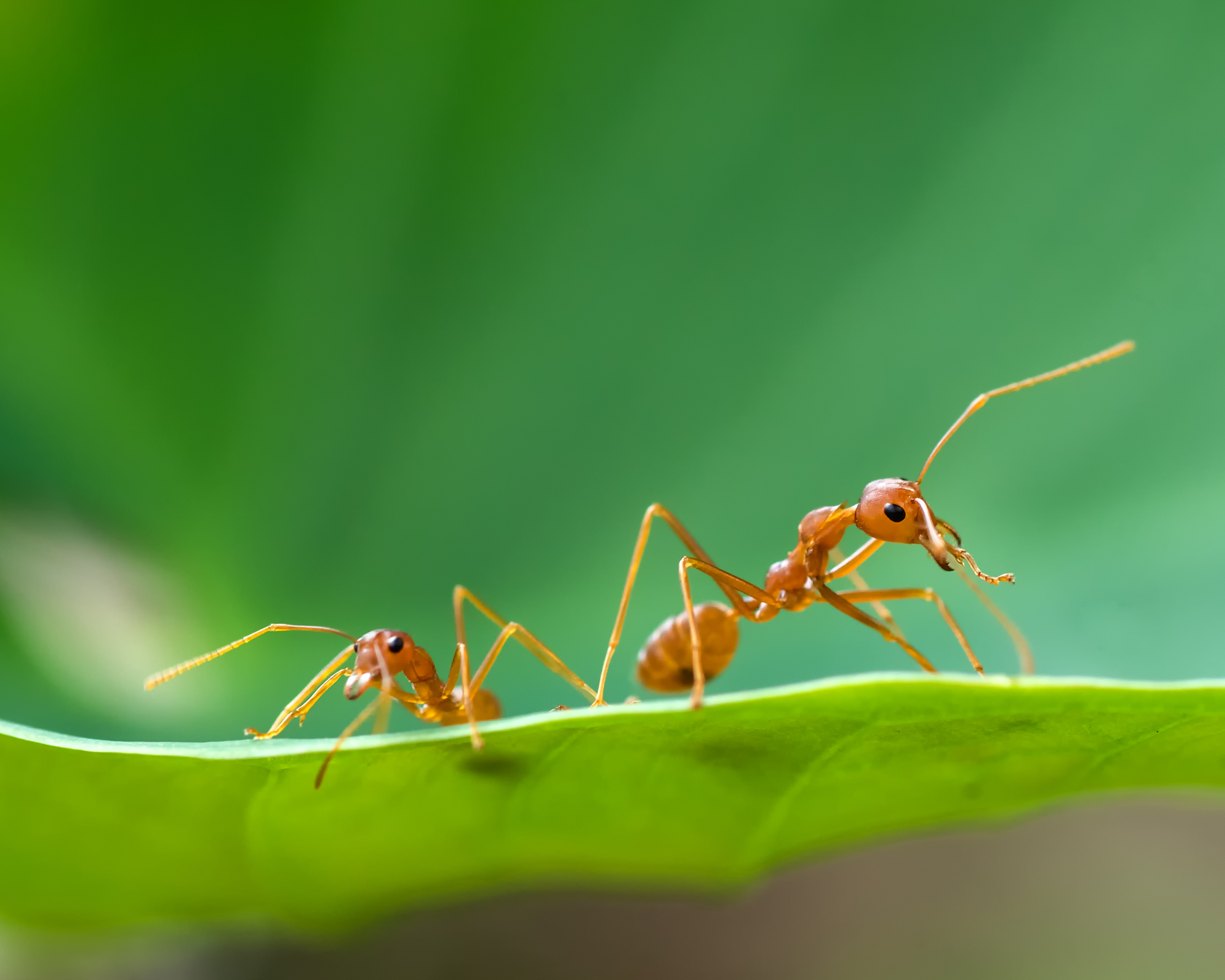
These ant traps are just as effective indoors, if ants invade your kitchen or greenhouse. Baking soda and white vinegar is also useful to make a natural trap for mosquitoes and, combined with vegetable oil, dish soap and water, to make a natural spray to prevent fungal diseases in tomato plants.
(Image credit: Getty Images)
















 English (US) ·
  French (CA) ·