

My worst nightmare is strolling through a field on a hot summer day with no trees in sight. That’s one of the reasons I planted over 200 trees on my property in France. I have sheltered under a tree to block the Basque Country’s famous south wind, to escape the worst of the rain, and to shelter from the blazing summer sun. Shade trees offer real protection from the elements Sited appropriately, they can even help to keep your home cooler in the summer and warmer in the winter, cutting utility bills.
Beyond energy savings, a shade tree’s cooling canopy can completely alter your backyard's microclimate. Ambient air temperatures beneath a mature shade tree can be 10°F cooler than surrounding sun-baked asphalt or bare turf, creating a far more comfortable, refreshing outdoor space in summer heatwaves. When you plant trees for shade, you get other benefits, too. They filter dust and reduce storm water runoff. They provide color and movement, often with dazzling displays as the seasons shift. They also provide year-round sanctuary for local songbirds and pollinators.
And the best part? You don't have to wait decades to reap these rewards, if you choose rapid-growing, adaptable species. Planting these shade trees will transform your sun-scorched backyard into a cool retreat that offers months of interest and years of protection. Whether it’s lush movement, fiery fall colors, winter bark texture, or sweeping umbrella branches you’re after, these fast-growing shade tree varieties are easy to maintain and even easier to love.
Plant Fast Growing Shade Trees
When planning to buy and plant live trees in summer, go for potted specimens over bare-root stock. Potted trees arrive with root systems encased in moist soil, giving them a great head start. August planting can work well (especially in USDA hardiness zones 5-8), as long as you have checked in with your soil levels and water sensibly. Check moisture levels in the ground before planting. Use a dedicated tool like the Raintrip 4-in-1 Soil Meter from Amazon to determine soil moisture at the root level. This will help you give your sapling the best hydration.
Soil meters can also help you with other useful checks, such as light, pH and nutrient levels, to form a picture of overall health. You can then make any adjustments needed before your tree goes in the ground (which is the best time). Where soil is compacted, add a little coarse sand or perlite, and a pinch of biochar. This helps with drainage and can encourage healthy root development as the seasons shift into fall and winter.
(Image credit: FarmerJ3 / Shutterstock)
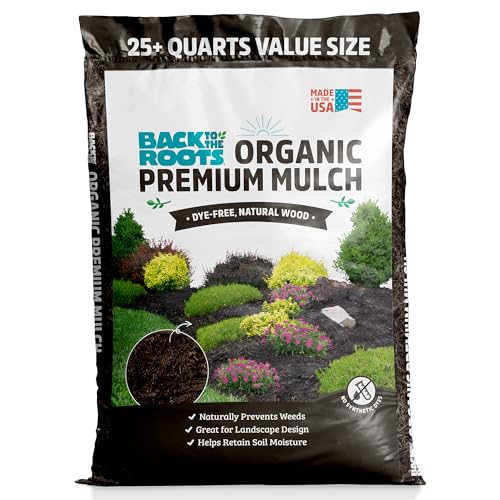
In August heat, leaves can lose moisture faster than the young tree roots can pull it from dry ground. So make sure you deep-water your new tree. Make a bit of time for a slow soaking 2-3 times a week, in the first few weeks after planting. Additionally, apply a 2-3-inch (5-8 cm) layer of mulch around the base to help with moisture retention. Choose an organic option like Back to the Roots Organic Premium Mulch on Amazon around the base, keeping it a couple of inches away from the trunk.
Finally, when choosing one of these shade trees, it helps to manage your expectations about growth rates. A fast-growing shade tree generally gains 2-4 feet (60 cm-1.2m) in height per year once fully established, compared to the 6-12 inches (15-30 cm) of slower growers. However, when planting during late summer, consider the tree's immediate priorities. It will not immediately surge up. Instead, it directs its energy into root establishment before winter dormancy, setting the stage for expansive top growth in spring that will keep you cool for many summers to come.
1. Autumn Blaze Maple
(Image credit: Kayco / Getty Images)
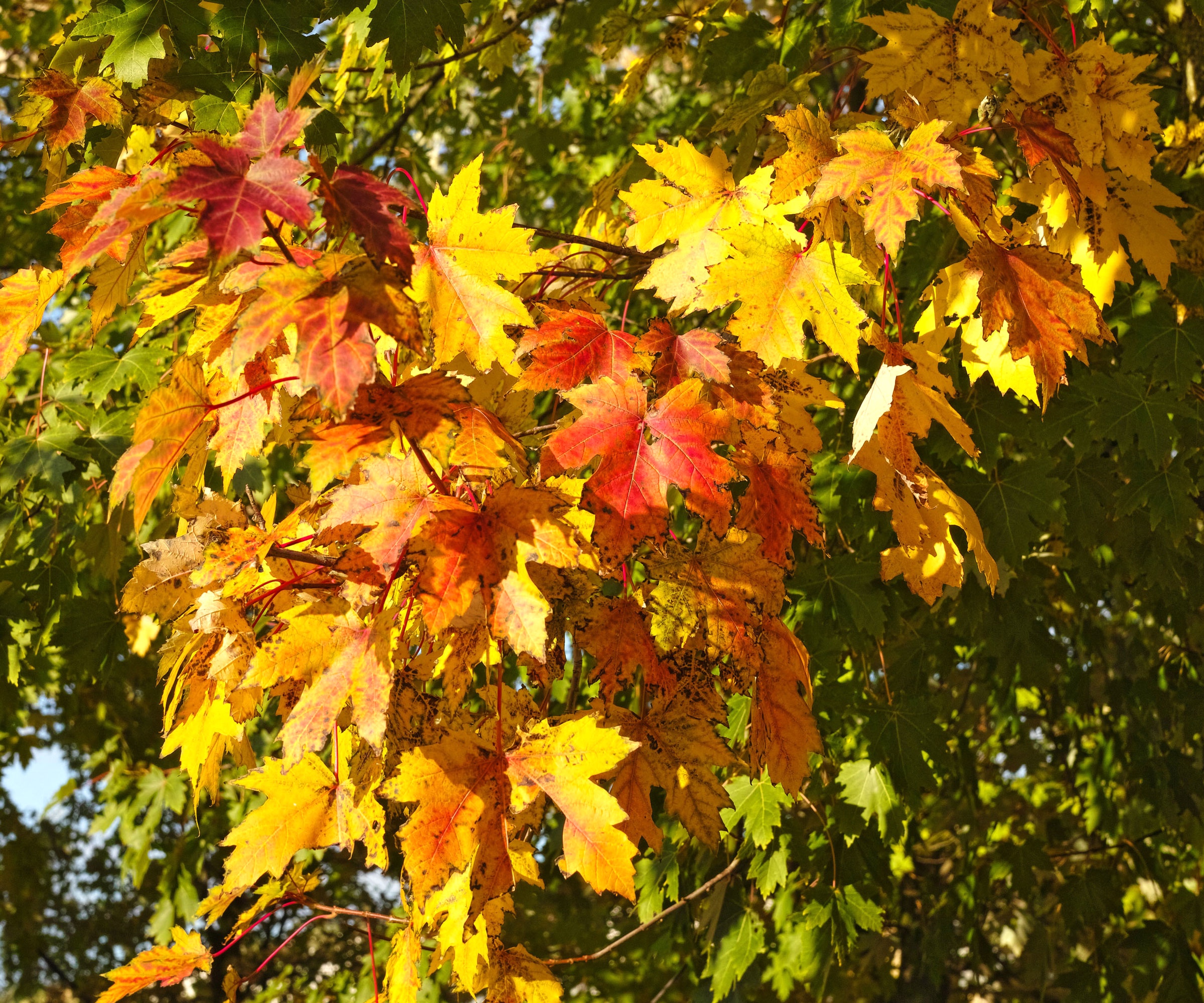
This maple is a fast-growing favorite that reaches 40-50 feet (12-15 m). It’s known for its dazzling fall color and a naturally sturdy branch structure that requires little pruning. Autumn Blaze (Acer x freemanii) also has excellent tolerance to drought pollution. Known as one of the fastest-growing shade maples, it adds 3-5 feet (90 cm-1.5 m) per year, forms a dense canopy, and grows up to 4 times faster than a typical red maple. You can buy Autumn Blaze from Fast Growing Trees, and smaller Autumn Blaze Maples from Amazon for a more budget-friendly alternative.
Also known as a Freeman maple, this hybrid combines the intense color of the red maple with the rapid growth and soil adaptability of the silver maple. Plant in well-drained soil and full sun to part shade in zones 3-8. While tolerant of heavy clay, it prefers slightly acidic to neutral soil (pH 6-7). To nourish young root systems through their first winter, use a little TPS Nutrients Maple Tree Fertilizer from Amazon to nurture root resilience, and water frequently until established.
2. Heritage River Birch
(Image credit: Biosphoto / Alamy)
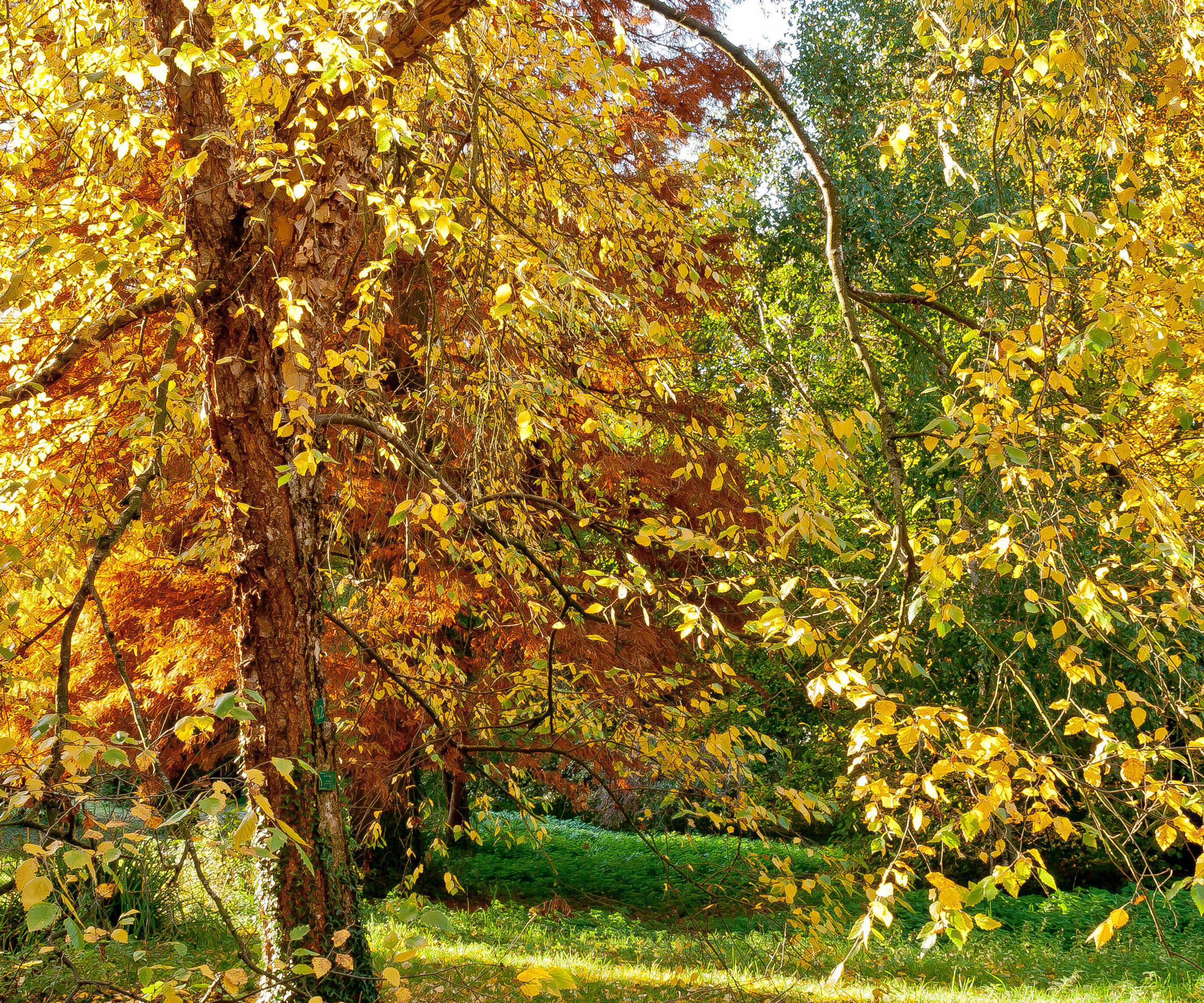
If you love the dramatic look of birch, but your area is prone to hot summers, this birch variety (Betula nigra 'Heritage') is a gorgeous 4-season specimen. Reaching 40-50 feet (12-15 m) with a 30-40-foot (9-12 m) spread, this multi-stemmed beauty grows rapidly at 2-3 feet per year. It provides a dappled canopy for shade-loving perennials to thrive beneath, and flourishes in zones 4-9 in full sun to partial shade. As well as being fast growing, the Heritage River Birch, available from Fast Growing Trees, is also resistant to diseases like the bronze birch borer.
This shade tree’s defining feature has to be its bark, which peels back in layers of cream, salmon and cinnamon to provide striking winter interest. River birches thrive in moist, acidic soils (pH 6.5 or lower), but they struggle in highly alkaline conditions. For summer planting, keep the soil moist, as drought can cause premature leaf drop. To protect foliage from fungal spots and powdery mildew in humid weather, treat leaves with a little Arber Organic Bio-Fungicide Concentrate, available from Lowe’s.
3. Northern Red Oak
(Image credit: Eve Livesey / Getty Images)
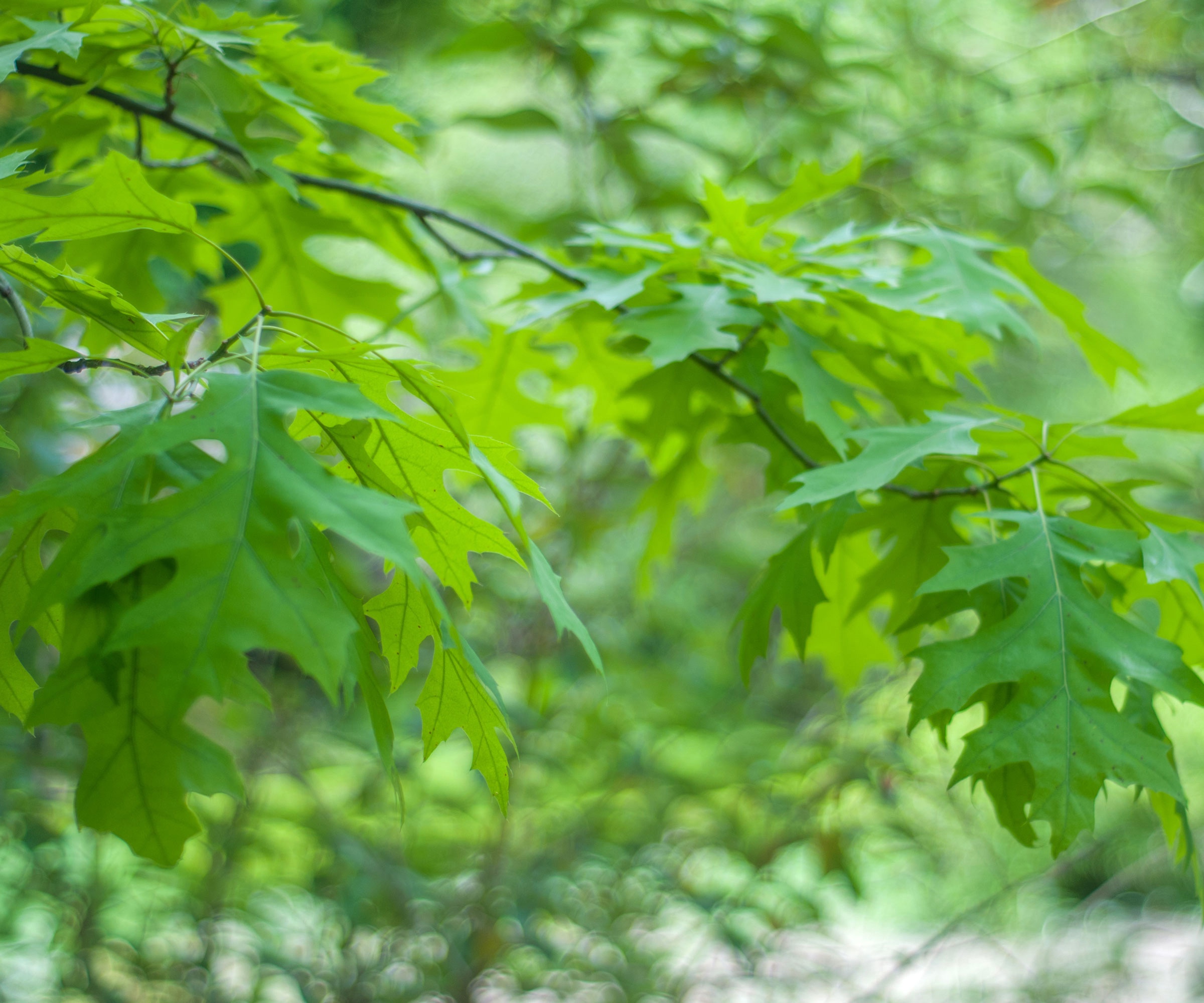
This fast-growing shade tree is a native, and considered a national treasure. It’s also one of the easiest to grow in zones 3-8. While oaks are considered slow growers, the northern red breaks the mold, gaining 2 feet (60 cm) a year. In the right spot, this red oak reaches a massive 60-75 feet (18-23 m) tall, with equally impressive spread. The northern red oak (Quercus rubra) is known for its green lobed leaves, the acorns it produces, and its phenomenal fall foliage. Buy Northern Red Oaks from Fast Growing Trees for year-round character.
Red oaks prefer full sun and acidic, well-drained soil (pH 5–6.5). Avoid planting in chalky or high-pH soils, which stunt development. You should also never prune between April and October. To ensure steady nutrient delivery, add some Jobes Slow Release Slow Release Fertilizer Spikes from Amazon. As well as affording us shade in summer, this tree’s dense canopy provides food and shelter for birds and native wildlife. It’s long living, famously low maintenance, and a stellar choice.
4. Red Sunset Maple
(Image credit: Tracy Immordino / Alamy)
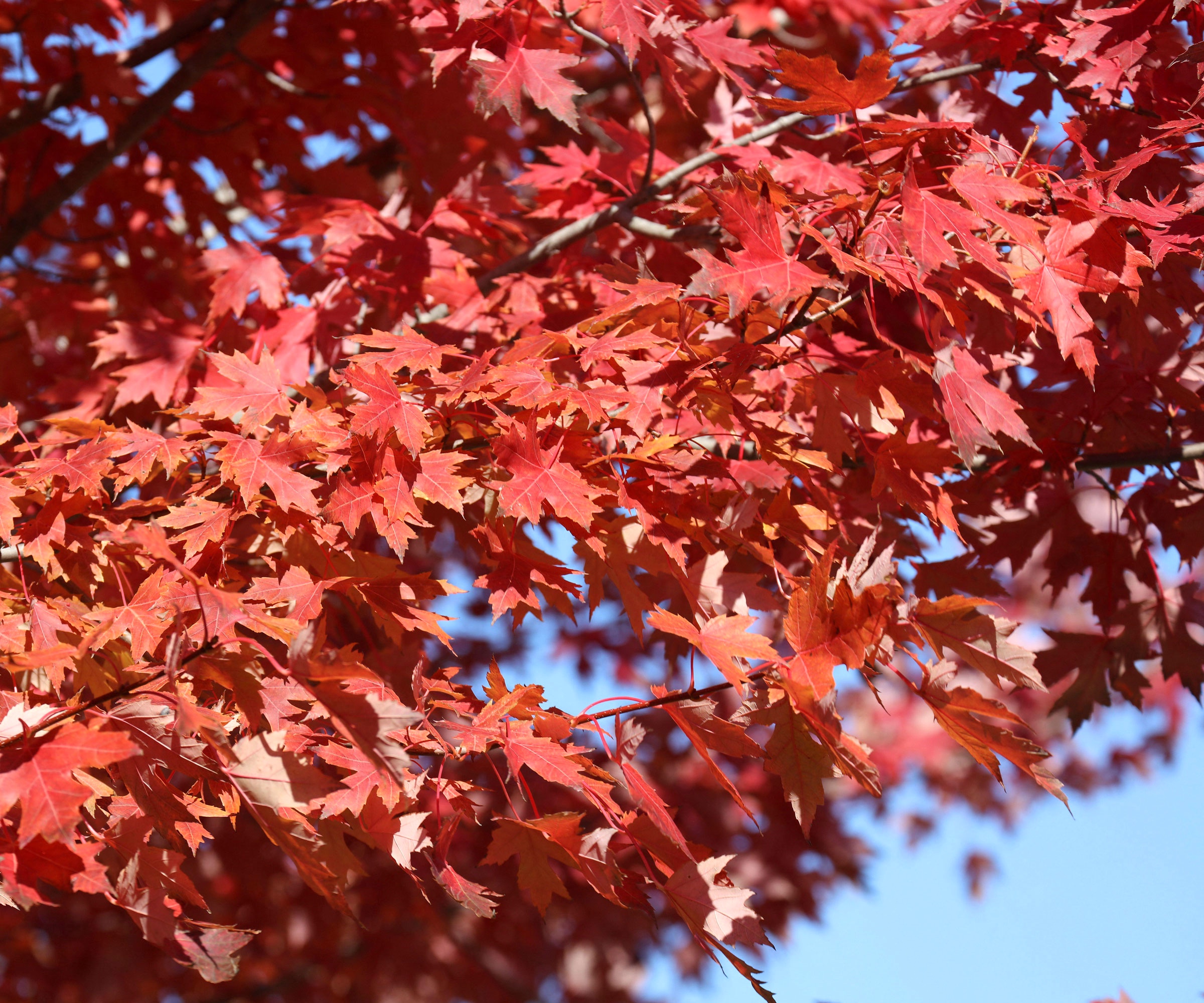
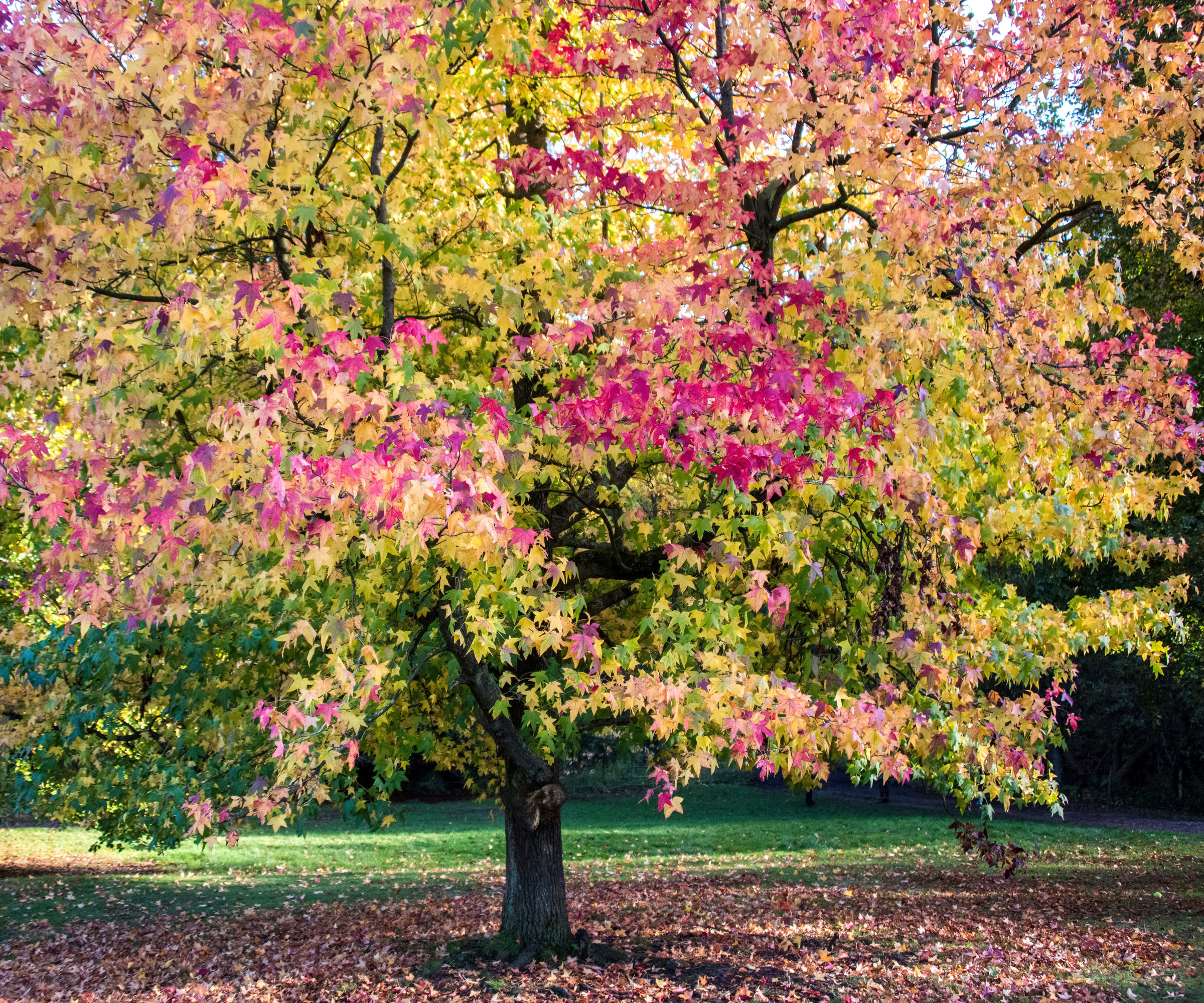
This fabulous red maple cultivar (Acer rubrum 'Franksred') has a great branching structure and really delivers on color. If you’re after a fast-growing shade option that can bring on the dynamics, this deciduous tree is known for its winter buds, leaf stems and summer fruits, as well as its vibrant fall color. It grows quickly to 50 feet tall (16m) and 40 feet (12 m) wide. While Autumn Blaze is celebrated for raw speed, Red Sunset also brings awesome structural strength. You can buy Red Sunset Maples from Fast Growing Trees for dazzling early fall color and resilience.
Red Sunset thrives in zones 4-8, and grows best in a spot with full sun and moist, acidic, well-drained soil, although it won’t object to wet soil, so it’s a good choice for yards with poor drainage. If planting in August, give this tree deep, regular soakings. To keep the soil acidic and nutrient-rich around the root system, dress the base with Espoma Organic Holly-Tone Fertilizer from Walmart to enhance fall pigmentation.
5. Weeping Willow
(Image credit: Robert K Chin / Alamy)
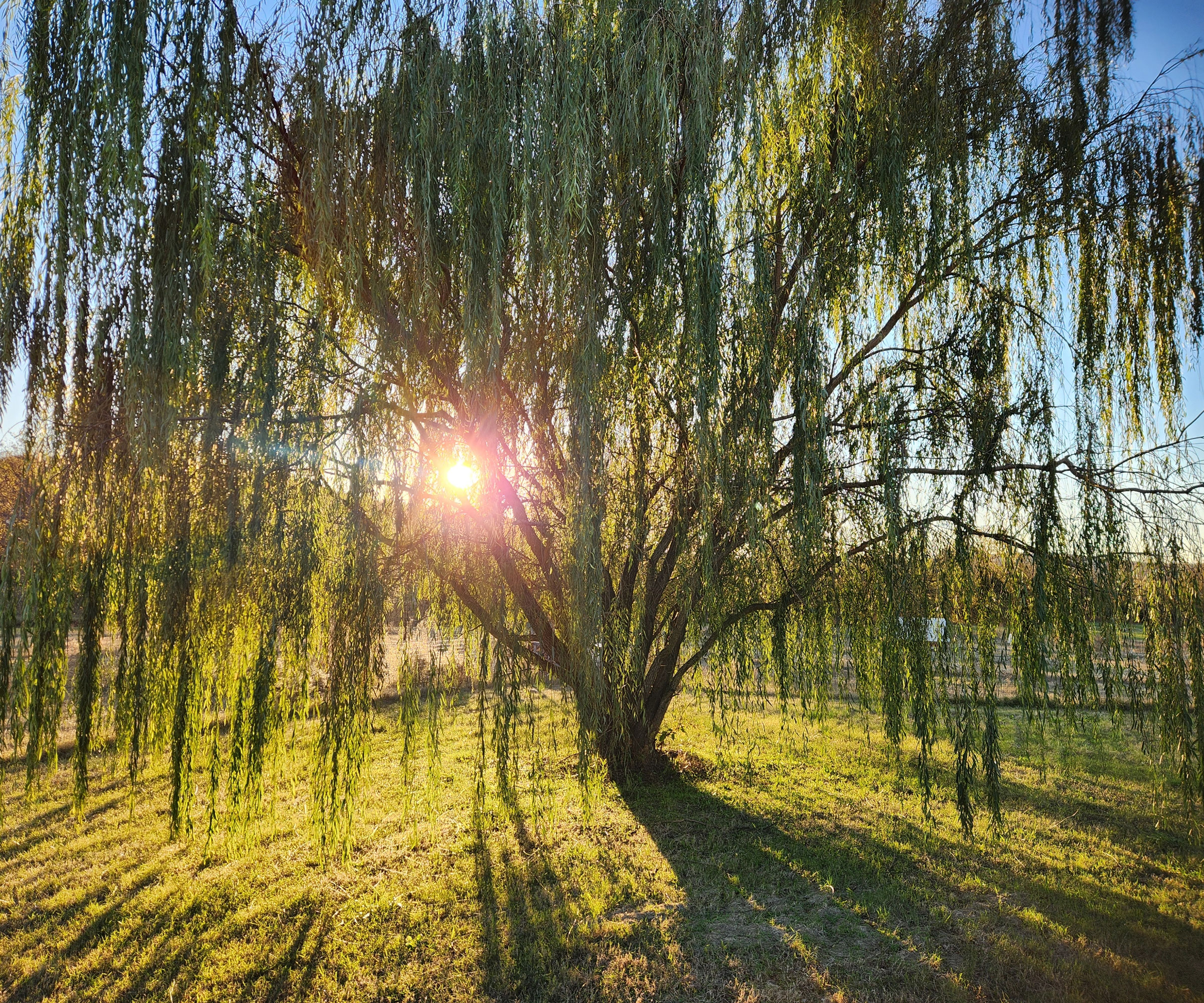
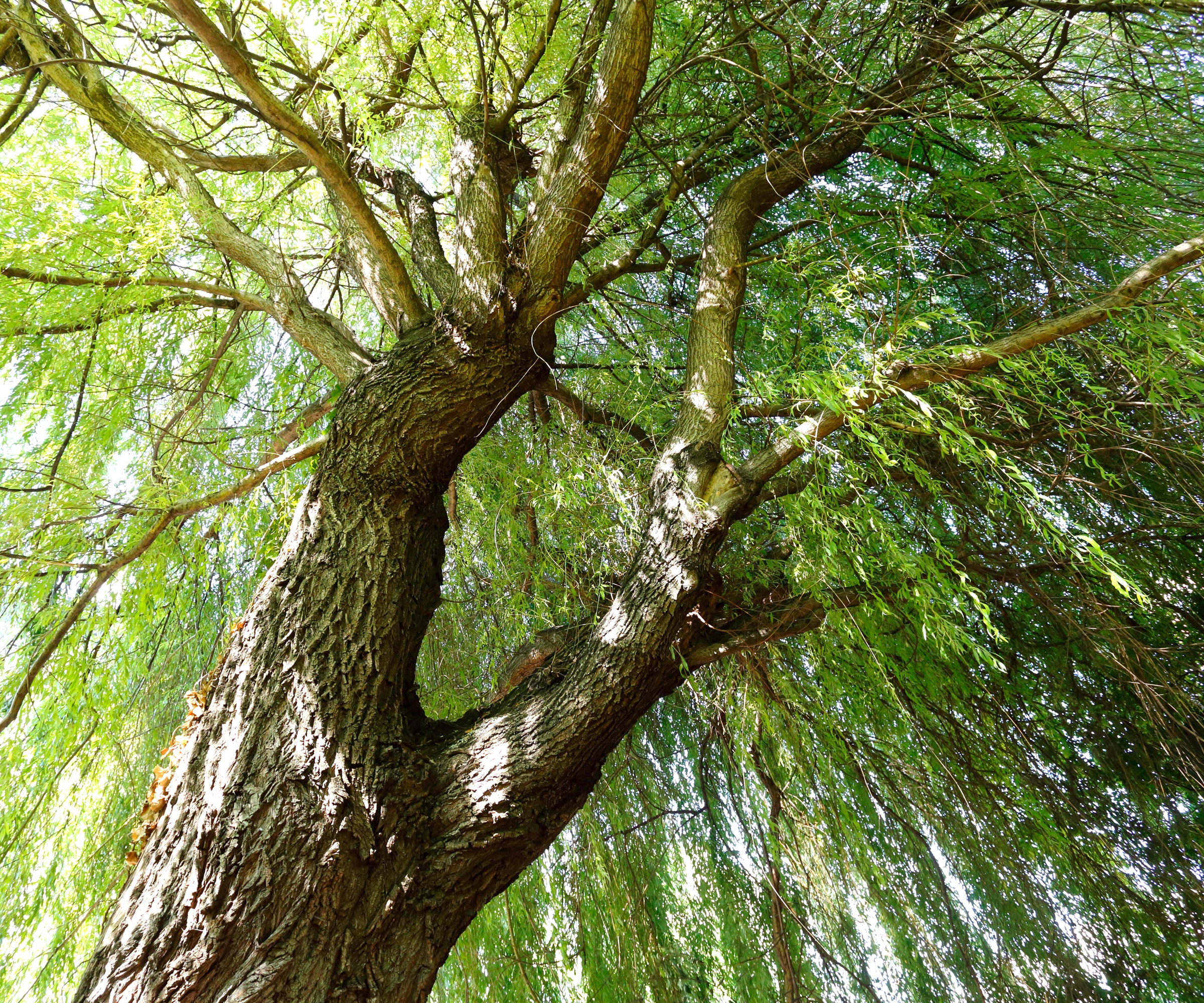
I don’t have a weeping willow (Salix babylonica) on my property in France, and my backyard’s just not big enough in San Francisco. But a neighbor in France has a magical specimen, with space beneath its cascading branches for a small table and chairs: what a place to pass a hot afternoon! All willows seem to grow at lightning speed, and this one shoots up by 4-8 feet (1.2-2.4 m) a year. It reaches 40-50 feet (12-15 m) and its sweeping canopy provides exceptional shade in zones 4-9, and dazzling foliage in fall. Buy Weeping Willow Trees by Brighter Blooms from Amazon.
Weeping willows love a site with full sun and moist soil. However, bear in mind that its thirsty root system can spread 3 times wider than the canopy. So don’t plant within 50 feet (15 m) of house foundations, water mains, septic tanks, or paved driveways. Also, because it grows rapidly, its wood is soft and prone to shedding in storms. For summer planting, water daily for the first month and add Miracle-Gro Water Soluble Miracid Plant Food from Amazon to encourage swift root growth.
6. Dawn Redwood
(Image credit: Aleksandra Tokarz / Alamy)
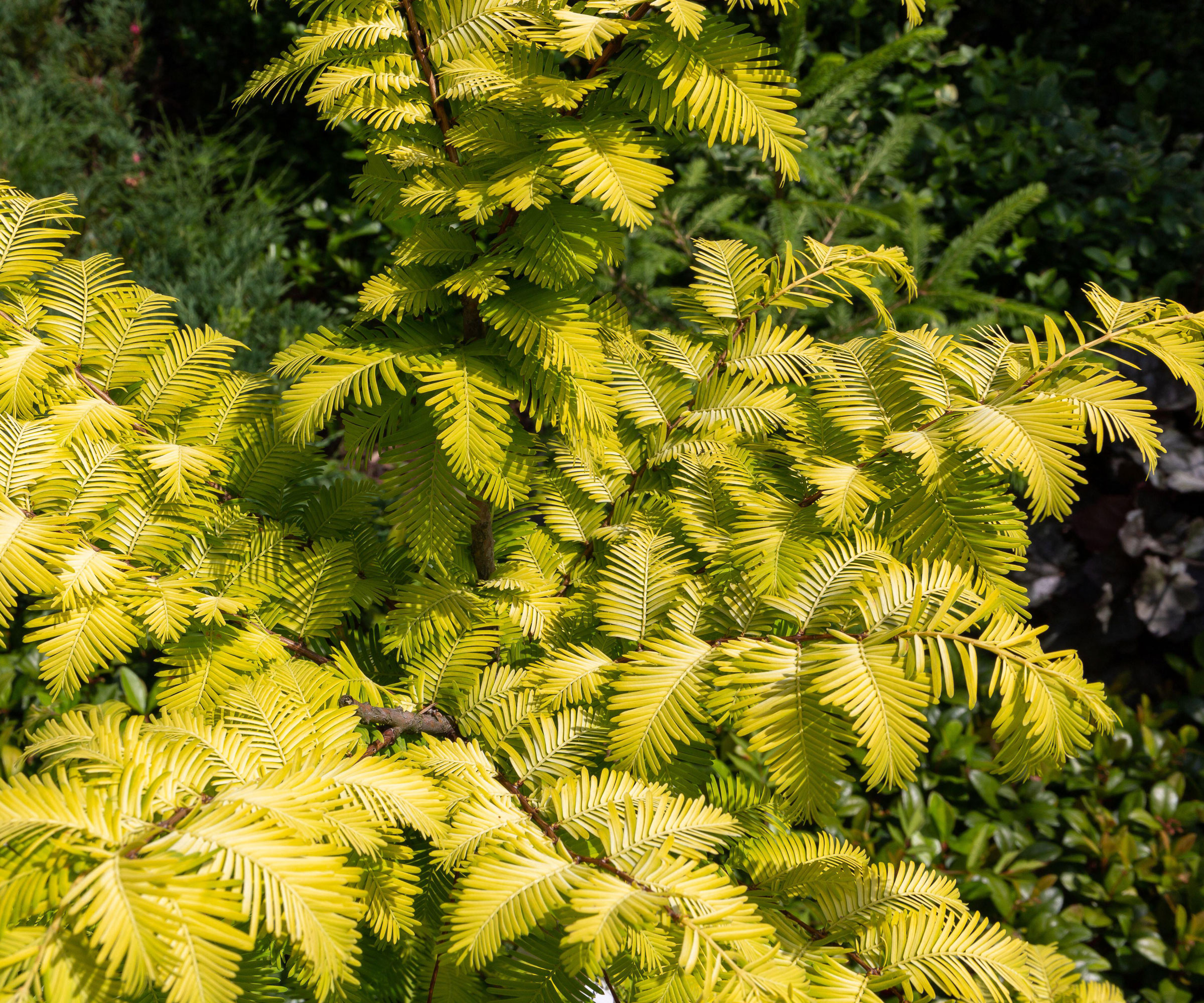
If you’re seeking a unique ornamental tree that combines rapid growth with architectural beauty, the dawn redwood (Metasequoia glyptostroboides) is compelling. Once thought to be extinct, this living fossil grows at 3+ feet (90 cm) per year, and can reach 70-100 feet (21-30 m) tall with a 25-foot (7.6 m) spread. It has sweeping, needle-like foliage that provides a lush, cool canopy in summer heat. Majestic Dawn Redwoods are available from Fast Growing Trees and offer staggering tonal variety and charming feathery shaping in zones 5-9.
Despite looking like an evergreen conifer, the dawn redwood is deciduous, and in the fall, its feathery needles shift to russet orange and bronze. It is exceptionally hardy, disease-resistant, and tolerant of wet soils and heavy clay. Just avoid planting this feathered giant in exposed hilltop sites or light, sandy soils. For summer planting, add a little GS Plant Foods Liquid Kelp Extract from Walmart to help this tree build heat tolerance. Grow your dawn redwood in full sun to appreciate it as its best.
Shop Shade Tree Care
Once established, these low-maintenance shade trees are easy to sustain and care for, but a little attention in the first few months after planting will keep your tree growing strong for decades. This initial establishment phase is what it’s all about, so treat yourself (and your tree) to some high-quality soil amendments and organic treatments. This handy action pack will help to supercharge growth and give your young saplings the best start. Here’s how to nurture your trees so they develop strong roots, heat resilience, and dramatic canopy growth year after year.
Smart Shade Tree Trio
 Root Booster
Rosy Soil
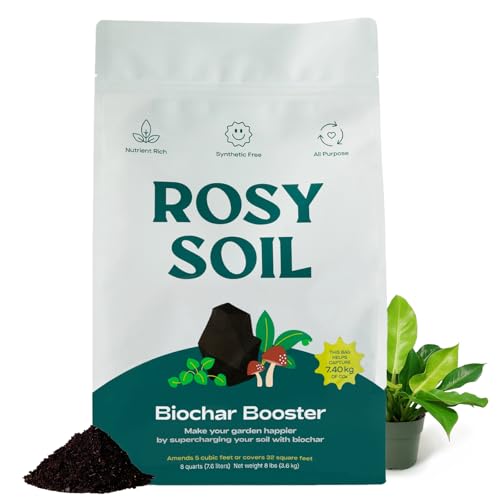
Rosy Soil Biochar Booster Soil Amendment
This biochar and compost blend creates a bespoke porous environment that holds water and vital nutrients at the root level. Containing mycorrhizal fungi and nourishing worm castings, it stimulates rapid root branching in newly planted saplings, ensuring high survival rates.
 Slow-Release Nitrogen
Espoma
Espoma Organic Chicken Manure
For a slow-release treat, this organic granular feed provides a steady, non-burning supply of nitrogen. Spread a few handfuls around the drip line of young maples, oaks, and birches in early spring to fuel vigorous stems and masses of lush summer leaf production.
 Moisture Shield
Back to the Roots
Back to the Roots Organic Premium Mulch
Our team loves this high-grade organic bark mulch, and it’s a lovely way to insulate young root zones in summer. That lush shredded bark locks in moisture, suppresses competing weeds, and breaks down to keep sustaining your fast-growing shade tree for the long haul.
(Image credit: Sergio Amiti / Getty Images)
Need more ideas for getting the most from your plants, indoors and out, and looking for the best seasonal expert advice delivered straight to your inbox? Sign up for the free Gardening Know How Newsletter!














 English (US) ·
  French (CA) ·