

By August, patio pots and borders are looking tired, but there’s a really easy way to help heat-stressed plants recover – and I seriously don’t know why more gardeners don’t know about it. This natural tonic revives pretty much all plants from tomatoes to roses, hostas to hydrangeas. And rather than promoting top-growth like most fertilizers, it boosts roots so they’re able to take up more soil nutrients and moisture. The result? Healthier, happier plants.
And did I mention you can buy enough to treat your whole garden – lawn and vegetable patch included – and get change from $20? Because this tonic is made from a plentiful, natural, renewable resource: seaweed.
If you're caring for any garden in the unrelenting heat and intense drought of this summer, then a pick-me-up seaweed tonic is the solution you need right now. Because even drought-tolerant plants are starting to struggle this El Niño summer. Reinvigorating plants in August will keep summer bloomers flowering for longer and prepare fall bloomers for a good display, encourage healthy foliage, and ensure all go into winter in a stronger state for a better performance next year. So you can understand why I’m surprised that more folk don’t know about this easy way to help heat-stressed plants in August.
Why a Seaweed Tonic Helps Heat-Stressed Plants

(Image credit: Getty Images)
While most fertilizers push plants to grow abundant, bigger stems, leaves, flowers and fruit, seaweed helps plants to support the top-growth it’s already got. So for heat- and drought-stressed plants that are struggling to cope, this efficiency boost gives tired plants the helping hand they need to recover.
A seaweed fertilizer acts as a biostimulant that encourages root growth – and not just any root growth but the fine, feeder roots that plants use to take up nutrients and moisture from the soil. A good seaweed tonic will also provide the plant with elements that are needed to maintain healthy foliage and, in particular, their ability to photosynthesize efficiently.

(Image credit: Getty Images)
A heat-stressed plant is highly likely to have slowed or stopped root growth, directly affecting its ability to absorb water and nutrients, and support growth above ground. Meanwhile, scorched or dropped leaves reduce the plant’s ability to photosynthesize and generate energy for root growth or replacement foliage, creating a vicious cycle that ultimately can lead to death.
Treating your plants to a seaweed tonic can halt this cycle, allowing recovery but also strengthening the plant so it can better cope with further heat or drought stress. A seaweed tonic is also a useful source of trace elements including iron, manganese, zinc and boron, supporting overall soil and plant health. So, treating your backyard to a seaweed feed should be on your list of garden jobs in August.
The Best Seaweed Tonics to Use
(Image credit: Shutterstock)
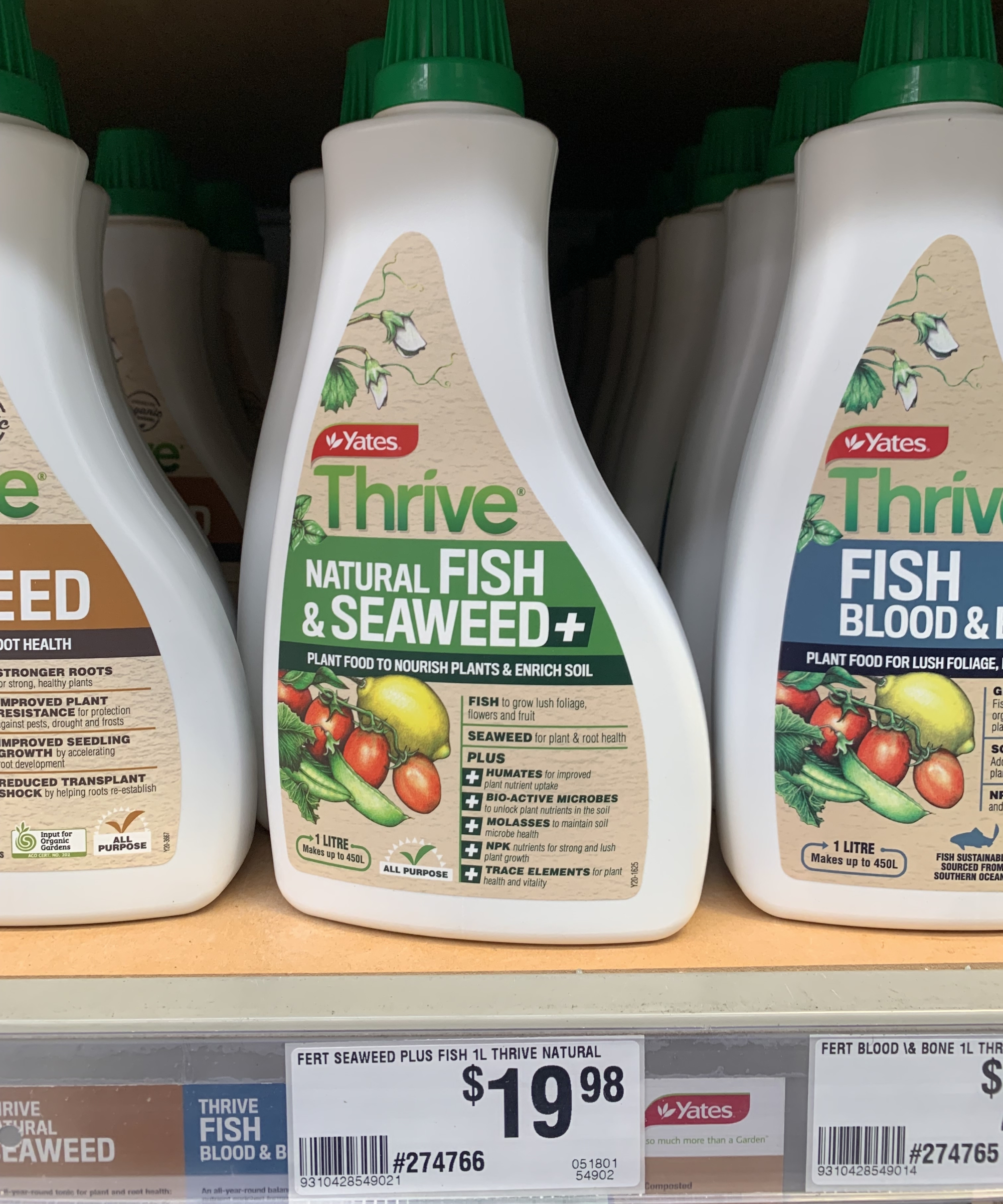
Not all seaweed tonics are created equal. At this time of year, a liquid seaweed tonic is best to give plants a quick pick-me-up (powdered kelp meal is used for slower-release support). Look for a product that is entirely made up of seaweed, rather than a plant food that includes a seaweed extract among other elements. That way, you can choose to use the tonic on its own for plants that shouldn’t be fertilized at this time of year, as well as alongside a plant food for those that should. Think of seaweed not as a fertilizer but as a general tonic for health and vitality – so its use shouldn’t replace your regular feeding schedule.
Not all seaweed species are equally nutrient-rich, either. Any product that names the seaweed species, or the number of species included such as CleanKelp which is made with seven species and is available from Amazon, is likely to be of higher quality than one which is simply labelled as a generic ‘seaweed’ feed.

(Image credit: Getty Images)
Kelp is a particularly beneficial type of a seaweed used in tonics, because it naturally contains cytokinins and auxins, hormones that actively stimulate root development and cell division. This is what buffers plants against stressors like extreme heat and drought, so is well worth seeking out. Do read the fine print, though, because some products may include the word ‘kelp’ in their name while the ingredients tell a different story. Any product that specifically names the source of its kelp, such as GS Plant Foods Organic Kelp Fertilizer, available from Walmart, is a safe bet.
Another great base ingredient to look out for is the seaweed Ascophyllum nodosum, commonly called knotted wrack or rockweed. This has evolved to live in an intertidal zone, experiencing great fluctuations in salinity and temperatures so, as well as cytokinins and auxins, has compounds that can further increase a plant’s resilience in the face of tough environmental conditions, including frost. FoxFarm Bush Doctor Kelp Me Kelp You, available from Amazon, is made from Ascophyllum nodosum seaweed.
When to Use a Seaweed Tonic
You can use a seaweed tonic anytime that plants are actively growing, which is typically between March and September. It’s low in nitrogen so doesn’t directly encourage new stems and foliage, so it’s safe to use on plants such as roses and hydrangeas that shouldn’t be fertilized late in summer, because of the danger of soft new growth being damaged by frosts.
In spring and summer, you can treat plants to a seaweed tonic every two weeks to help them handle hot weather and dry spells, tapering off to once a month in early fall.
Don’t apply a seaweed tonic during periods of extreme heat or drought, however. In these conditions, rapid evaporation can lead to concentrated residues which may harm roots, and even root-growth stimulation will stress plants further.
How to Use a Seaweed Tonic
As a Soil Drench

(Image credit: Getty Images)
The best way to use a liquid seaweed tonic at this time of the year is as a soil drench, as it will have a speedy but fairly sustained effect. It’s important to apply it to damp rather than bone-dry soil, so irrigate the soil beforehand with plain water if necessary.
It’s vital to accurately dilute the seaweed tonic to the levels recommended on the packaging. Under-diluting the tonic can harm a plant rather than help it, so don’t think you’re doing your plants any favours by adding an extra slug of the concentrated liquid to your watering can.
Apply in the cool of the early morning or evening, and be sure to water the soil and not the plant's foliage.
As a Foliar Feed
(Image credit: Getty Images)
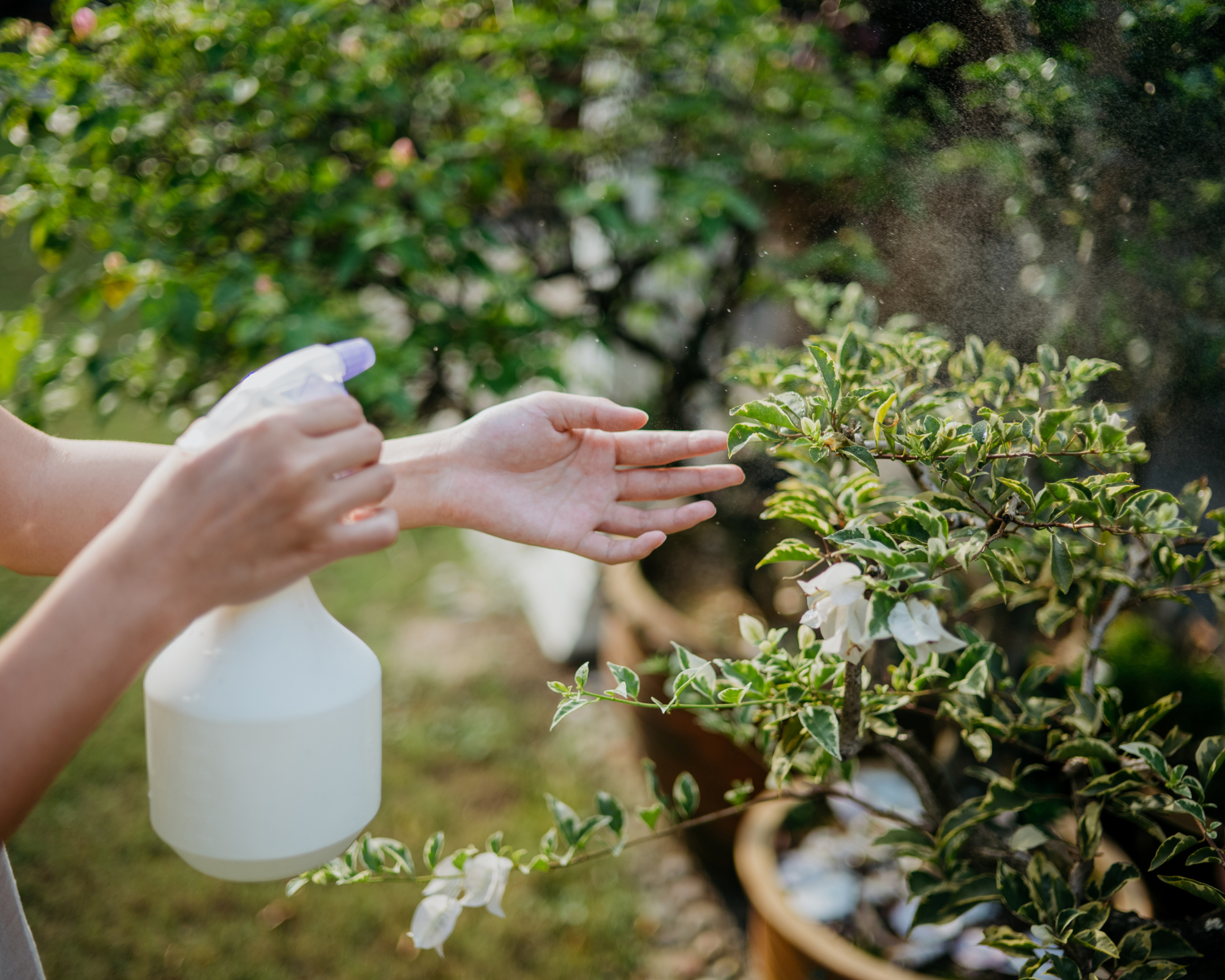
You can also use liquid seaweed tonic to spray leaves, though at a more diluted concentration than as a soil drench – again, follow the instructions on the packaging. A foliar feed gives a more instant boost within hours, so it’s handy to revive plants that are really struggling. However, leaves are easily scorched by sun following a foliar feed, which is why a soil drench is a better way to routinely boost plants’ vitality.
To revive a tired lawn, you will of course need to use the liquid seaweed tonic as a foliar feed, so apply in the late evening so grass blades have time to absorb the nutrients, or on a mild day with cloud cover (just before a period of light rain is ideal). Dampen the ground beforehand if needed, and use a watering can with a rose fitted to deliver an even sprinkling. It’s especially important not to use seaweed as a foliar feed in extreme heat or drought.
Misting leaves is a great way to reinvigorate tired houseplants, too, as pots are easily moved out of direct sunlight.
Don’t Give These Plants a Seaweed Tonic
Because seaweed is a gentle tonic, most plants will benefit from a feed. It’s safe to use seaweed extract on edible plants, including root vegetables and fruiting and leafy green crops. Indeed, a seaweed tonic is a great way to boost tomato plants in August and keep the harvest going.
However, there are a few exceptions. Don't give a seaweed feed to:
- Plants adapted to extreme heat and drought such as cacti and succulents
- Young seedlings
- Herbs that have evolved to live in a dry, nutrient-poor environment such as rosemary, thyme and lavender.
- Very sensitive houseplants such as orchids.

(Image credit: Getty Images)
A 100% seaweed tonic is such an easy way to give most of your garden plants a boost in August and September, helping them to recover from the intense heat and drought of this summer. Choose the right tonic and you'll not only reinvigorate pretty much everything growing in your entire backyard, but improve its resilience against any more weather extremes to come. That way, your garden will be full of flowers that bounce back beautifully from summer heat stress.
So now you know this handy little secret, be sure to share it with all your gardening friends, because we all deserve happy, healthy plants that reward us with lush foliage and abundant flowers, even in a heatwave summer!




















 English (US) ·
  French (CA) ·