

Unless we live in an area that just so happens to have the perfect level of rain, our plants are going to need some watering from the tap on a regular basis. Without it they'll dehydrate, wither and feel incredibly worse for wear.
However, there are actually a lot of hidden chemicals within the water coming out of our taps, and as much as most plants won't be impacted by them the more delicate ones in our collection of greenery may suffer. Watering your garden shouldn't feel scary!
Whether you're just curious to learn more or you're hoping to help your plants out, you've come to the right place. I chatted with plant pros and a water filter specialist about the AQUA CREST Garden Hose Water Filter from Amazon to learn how it can improve tap water for plants to drink. It's such a simple addition to your life yet it can make such a difference.
What is the AQUA CREST Garden Hose Water Filter?
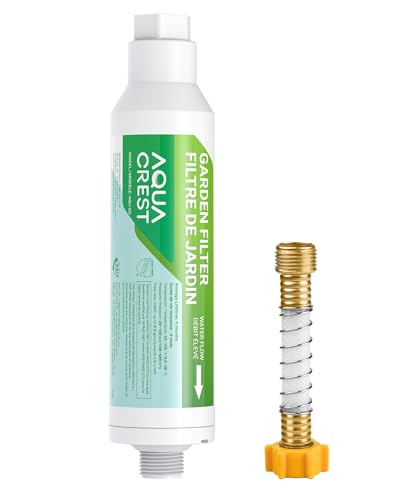
Aqua Crest Garden Hose Water Filter for Plants, NSF/ANSI Certified
The AQUA CREST filter is a garden hose attachment that fits onto the thread of a standard 3/4 inch garden hose to remove chemicals from tap water. It can remove up to 97.3% of chlorine present in the water as well as sediment and metals such as lead and mercury.
It's a great product because as much as it removes potentially harmful chemicals it's still able to preserve the naturally good elements that may be present in your tap water including nitrogen, phosphorus and potassium, which assist the growth of plants.
You can purchase one filter for $18.99, a pack of two for $30, four for $41.99 or six for $54.99. They would make great gifts for gardeners in your life or would be an ideal purchase to split with a green-fingered neighbor.
What Can the Substances in Tap Water Do to Plants?
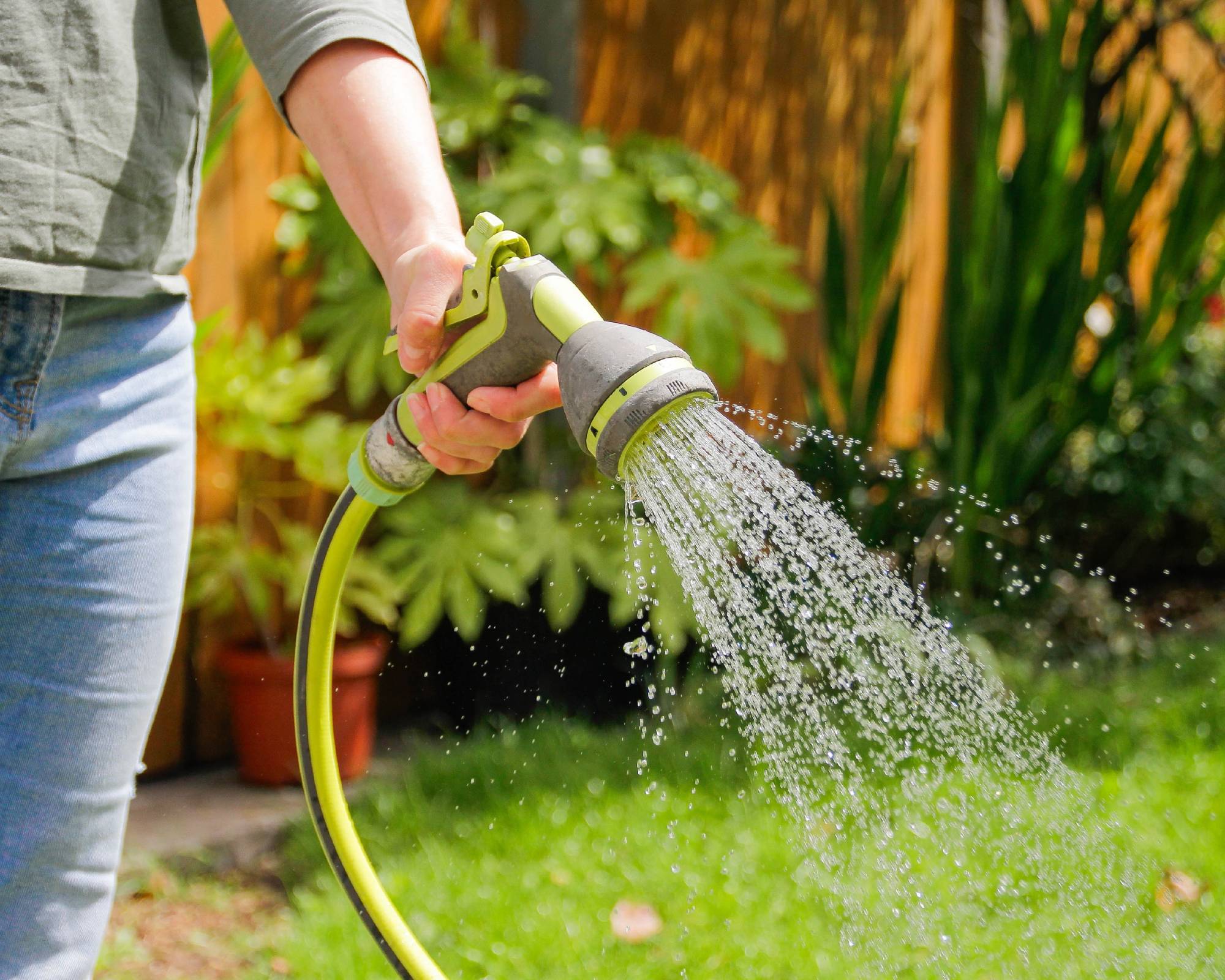
(Image credit: Kinga Krzeminska / Getty Images)
Chlorine and heavy metals in tap water vary depending on your local area, but chlorine is generally stronger in water than the ratio of metals.
According to Brian Campbell, Lead Water Nerd at Water Filter Guru: "While most plants are able to survive when exposed to chlorinated water, repeated exposures can affect sensitive seedlings, new transplantings and beneficial soil microorganisms that contribute to maintaining healthy soils."
By using a water filter like this the water coming out of your tap will more closely resemble rainwater, which is the water plants are naturally used to.
Brian also noted a benefit of removing heavy metals from tap water, sharing how they otherwise "tend to accumulate in soil over long periods of time." This can lead to the roots of your plants becoming stunted, leaf burn, soil microbe health being thrown off, and metals making their way into your edible crops.
What Else Can I Do With Watering To Help My Plants?
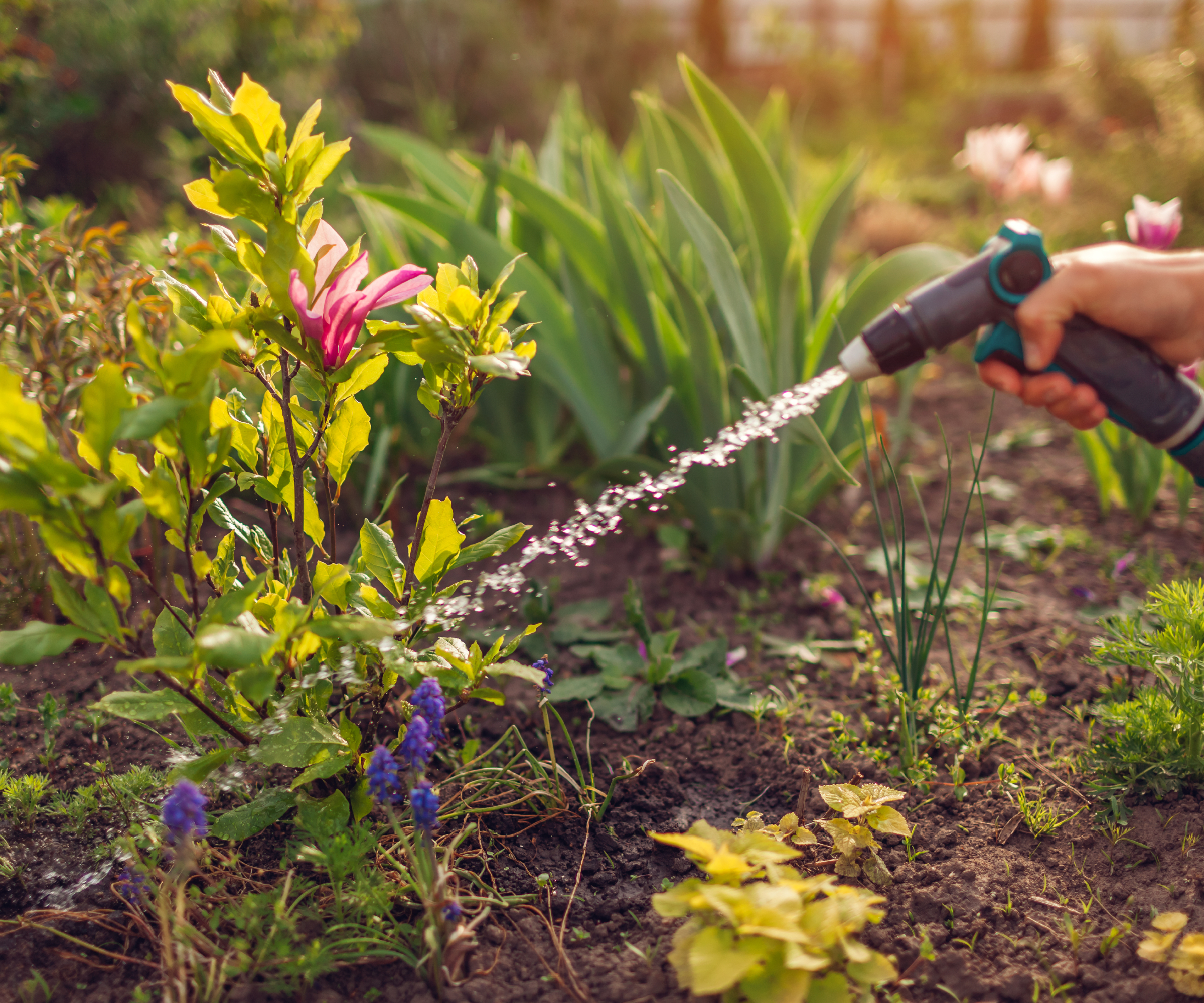
(Image credit: Maryviolet / Getty Images)
If you're looking for another simple way to bring healthier water to your plants, Chrissie Handley, a lawncare specialist and gardening expert at Online Turf, has a great suggestion - add a water butt (also called a rain barrel) into your garden! This way, you can collect rain water to replace or supplement any other watering done using water from your tap. This rain barrel from Amazon has a flat back so it fits snugly against the house while it collects water from your downspout.
She explained: "If you want untreated water for your plants, then your best bet is to go straight to source – invest in a water butt so you can naturally collect rainwater, rather than trying to make your tap water more suitable. The water will then be softer and free from additional chemicals – it also saves you water, so reduces your water bill and is great for times like this where there are hosepipe bans in place, as this bypasses this and means you have a backup reserve of water to use in periods of hot weather."
Brian also suggested doing what you can to "determine and understand what's actually in your tap water" as "water quality varies greatly depending on where you live". You can purchase tap water testing kits like the Bestprod Water Testing Strips from Amazon, and they will tell you the levels of chlorine and metals that your water contains.
A Note on Watering Lawns
Chrissie shared some specific insight on whether she believes a filter like this is necessary when watering a lawn as opposed to other plants in your yard.
Her overall answer was no, unless you're prone to getting the water on more delicate plants in the process of watering the rest of your yard.
Chrissie explained: "You don’t really need a filter like this for a lawn, typical grass types like perennial rye grass and fescue are pretty resilient to chlorine, so it won’t harm them. However if you have sensitive plants like spider plants, or peace lilies nearby, then it can stunt their growth or brown their leaves if they have high levels of chlorine in the soil, so it's then possibly a good investment to by a filter!"
Shop Water Filtration Supplies
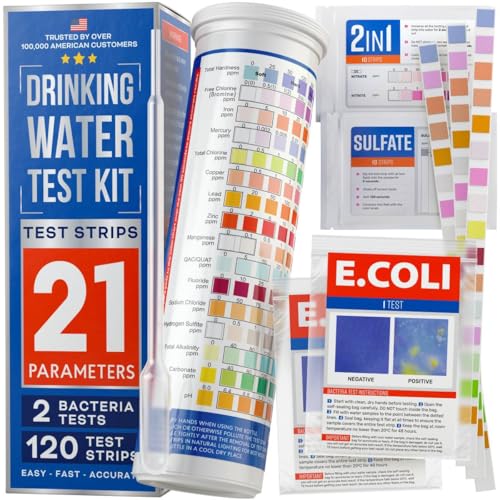 120 strips
Bestprod All-New 21-in-1 Water Testing Kit Strips
This kit contains 120 strips to test your tap water for hardness, lead iron, chlorine and more.
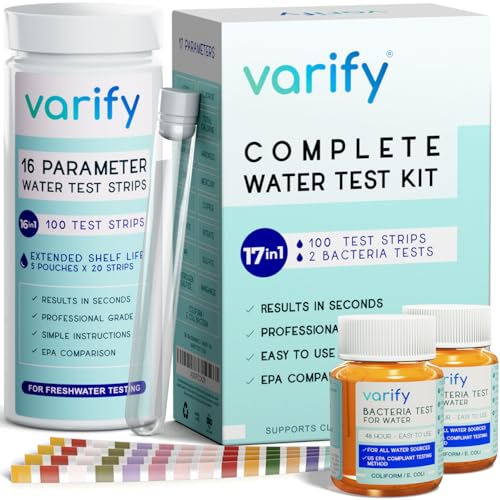 100 strips & 2 Bacteria kits
Varify 17-in-1 Complete Drinking Water Test Kit
This water test kit contains testing strips as well as two separate kits to check for bacteria in your water.
 On Sale Now
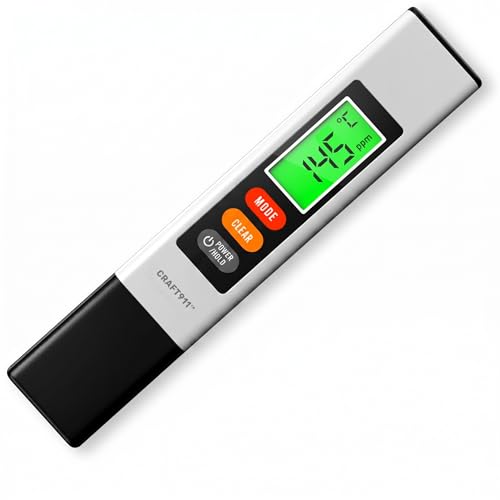
Craft911 Water Tester for Drinking Water
If your concern for your plants has left you worrying about whether your tap water is safe to drink, this simple device will tell you clearly whether your water is safe, poor or unsafe to consume.














 English (US) ·
  French (CA) ·