

 3 months ago
114
3 months ago
114
PROTECT YOUR DNA WITH QUANTUM TECHNOLOGY
Orgo-Life the new way to the future Advertising by Adpathway
I KNOW, it feels like we just planted the vegetable garden moments ago. But a close look around as summer really takes hold quickly reminds us that our work is never done…
Some crop or other is reaching the end of its run, making room for a succession sowing of more of that same thing or something else altogether, or maybe of a weed-suppressing, soil-building cover crop—some of which are actually edible, too, (like the winter-hardy field peas, above) in what’s perhaps the cleverest season-extending scheme of all.
Mastering the art of stretching the harvest season is my topic today with Doug Muller of Hudson Valley Seed Company. Doug is co-founder and managing director of the mail-order seed business and retail store, based on its organic farm in Accord, N.Y., and I was pleased to speak to him and get some inspiration on succession sowing and creative cover cropping—because yes, there’s still time for lots more possibilities out there.
Read along as you listen to the June 29, 2026 edition of my public-radio show and podcast using the player below. You can subscribe to all future editions on Apple Podcasts (iTunes) or Spotify (and browse my archive of podcasts here).

sowing successions, with doug muller
Download file | Play in new window | Duration: 00:26:37
Subscribe: Apple Podcasts | Spotify
Margaret Roach: Hi, Doug, good to speak to you. And boy, from the first days when I knew you and K [co-founder K Greene] when you founded Hudson Valley Seed, to today, the business has evolved so much. That retail store is just, wow.
Doug Muller: Well, thank you. Yeah, it’s been a journey. I think we’re in year 18 now. We started in 2008 and we started based at our home in a field adjacent to our home. It was like an acre in size. Yeah, now we have a new place and we’ve got a retail shop, we’ve got greenhouses, we’ve got 40 acres of land to work with. So I feel very lucky that we’ve made it this far. And as business, there’s lots of ups and downs [laughter]. So it’s been fun. COVID and the pandemic brought a real huge wave of interest in gardening, and it’s cooled a bit since then, so there’s been a lot of adjusting. But yeah, I feel very fortunate and it’s been a really interesting career.
Margaret: Yeah. And I got one of the emails that comes from Hudson Valley Seed the other day, and I think it was mentioning to people about your fall seedling sale of transplants—speaking of keeping the harvest going and not leaving any space empty, using every square inch and so forth. So that people in the area can, I guess, place an order and then they come pick it up—for those of us who forgot to sow our own transplants [laughter].
Doug: Exactly. Yeah. We certainly understand—we are gardeners, too, and we have busy lives. And we understand that you get the spring garden in, then it can sometimes feel a little intimidating to keep going, but the reality is that truly some of the best harvests you do from your garden are in the fall, from crops started around this time of year and later. So the greenhouses stay open, and we do a pre-order also for people who know that they are not going to have time to do that second round of sowing and caretaking specifically of crops that like to be transplanted more than direct-sown, things like broccoli and whatnot.
Margaret: Yeah. And also just to say, obviously you and I are both in New York. We’re in zone, what, like 6a-ish or something like that?
Doug: Yeah, I think we’re 6b here.
Margaret: Yeah, 6a, across the river from you. So people in different areas, of course, can also do the things that we’re talking about, but the timing’s going to be different. I’ll also give some links to some calendars, so to speak, for other areas of the country, like from Clemson University or University of Florida [click link for Table 1 at end of that page] and Maine Organic Farmers or University of California and things like that, so that people can get tuned into when to do what for their area. So forgive us for being Northeasterners [laughter].
Anyway, so to keep the vegetable garden producing, which it can even in our northern location for many months to come, we kind of have to learn a little bit of a different version of the seed-starting calendar timing idea than the one we use in late winter or spring. I mean, we have to sort of adjust our thinking, don’t we?
Doug: Yes, absolutely. The few key things to keep in mind about that. So when we start seeds later, this time of year or later, it’s around the solstice now just after the solstice. The young plants are going to be encountering pretty different conditions from what they find in the spring. In the spring, the days are warming and lengthening as the plant grows along, which kind of speeds up their growth overall.
As we move onto the other side of the solstice, conditions are already warm in nearly all locations, but daylight will actually start to decrease over the coming months. And one effect of that on young plants is that they—not so much right now, but as we go deeper into the summer towards fall—is that they do take longer to reach the same size as a comparable spring-grown plant because the length of the days as they grow gets shorter and shorter, which just leads to less growth per day.
So there’s just something to keep in mind as you approach a summer seed-starting schedule as opposed to a late-winter, early-spring one.
Margaret: Right. And some people have told me they look at the days to maturity on the packet, which of course isn’t exactly precise because it typically means maybe the first thing that might be harvestable and the thing might be harvestable over weeks or whatever. So it’s not the exact science, anyway. But they kind of add a week or two for the later sowings. Do you know what I mean?
Doug: I’ve heard 10 days and used 10 days myself as a guide. Yeah, absolutely.
Margaret: Yeah. So let’s just give some ideas. I mean people are looking around the garden and if they weren’t doing already successions of things, if they weren’t doing a short row of lettuce every however often, some people do it every week, every 10 days, every two weeks, whatever. Definitely that’s petered out by now [laughter]. Or the peas that we showed in the spring, the minute that the summer heat comes on, they usually give up by, well, for me around July typically sometime they stop producing, but I’d like to have peas again or etc. There’s lots of possibilities. So what are some of the ones that you say to people: “Hey, if you’re getting started with this, tune into this idea.” What are some good ideas?
Doug: Sure. Yeah. Well, to me, there’s kind of a few buckets of possibilities. [Hudson Valley Seed’s late-season planting guide poster illustrates them.]
One would be what I think of as the most exciting last-chance crops that work in succession sowing settings. Those would be the ones that you would do more in the June-July timeframe here in the Northeast. Things like cucumbers, summer squash, basil, bush beans. I think the window to plant things that are frost tender, which all of those things are, is tighter than the window for doing things that are more hardy. So that first bucket of stuff is if you have some lettuce that comes out around this time of year or early July, it’s still not too late here in the Hudson Valley at least to do cucumbers or summer squash, things that actually are fruiting, which is kind of fun to know that here we are past the main spring season, but there are still fruiting, frost-tender crops that you can plant.
And one of the reasons is that those crops, you are harvesting immature fruit at the edible stage. So they have a faster days to maturity than, for example, a winter squash.
Margaret: Right, of course.
Doug: So that’s like the first bucket is kind of those fun things that you’re really almost like it feels like a gift to have a second round to do these.
Margaret: And you really want to jump on those because-
Doug: Absolutely.
Margaret: ..they’re not so forgiving as arugula.
 Doug: Absolutely, totally. Then that second bucket would include things like arugula. So these are crops that they tend to be on the green and leafy side of things or on the rooted/root side of things. And those have a bit more of extended planting window. Those typically in the Northeast, there are seeds of greens and can be sown into September. Seeds of things like carrots and beets can be sown through like early to mid-August.
So there’s a longer window for those frost-hardy vegetable crops, and harvest on those crops would be later than for the frost-tender. So for cucumbers, summer squash, that sort of thing, you’d imagine harvesting those from a midseason sowing like this in the September, October up till frost kind of timeframe. And then-
Margaret: And you might have to get out a piece of fabric if it gets a little chilly sometimes, that kind of thing.
Doug: Yes. And in particular, if you have an early frost, if you cover it with row cover, you might earn yourself two to four more weeks of harvest.
Margaret: Exactly, exactly. Yeah.
Doug: It’s definitely worth having on hand. The greens and roots and things, they’re like a backbone of the garden. You can really have greens available the entire year. So from midsummer to early-September type sowing, so those crops you can expect to be harvesting in the October through December kind of timeframe. And again, not a bad idea to have some protective fabric on hand for those crops as well, but not for … They don’t need it when the first frost comes, they need it from Thanksgiving till the end of the year kind of time if you want to extend your harvest into winter.
Margaret: Right, right. That makes sense. Yeah.
Doug: Then one other additional bucket that’s always in my mind is, as you mentioned, in the intro, cover crops you can eat. The cover crops generally, but in particular, the cover crops you can eat.
Margaret: Yeah. I’m totally fascinated by this because you had alerted me to some of these, and I’ve seen, I don’t know what’s on the website or I can’t remember, but I was like, really? And how did I not know about some of these ideas? [Laughter.]
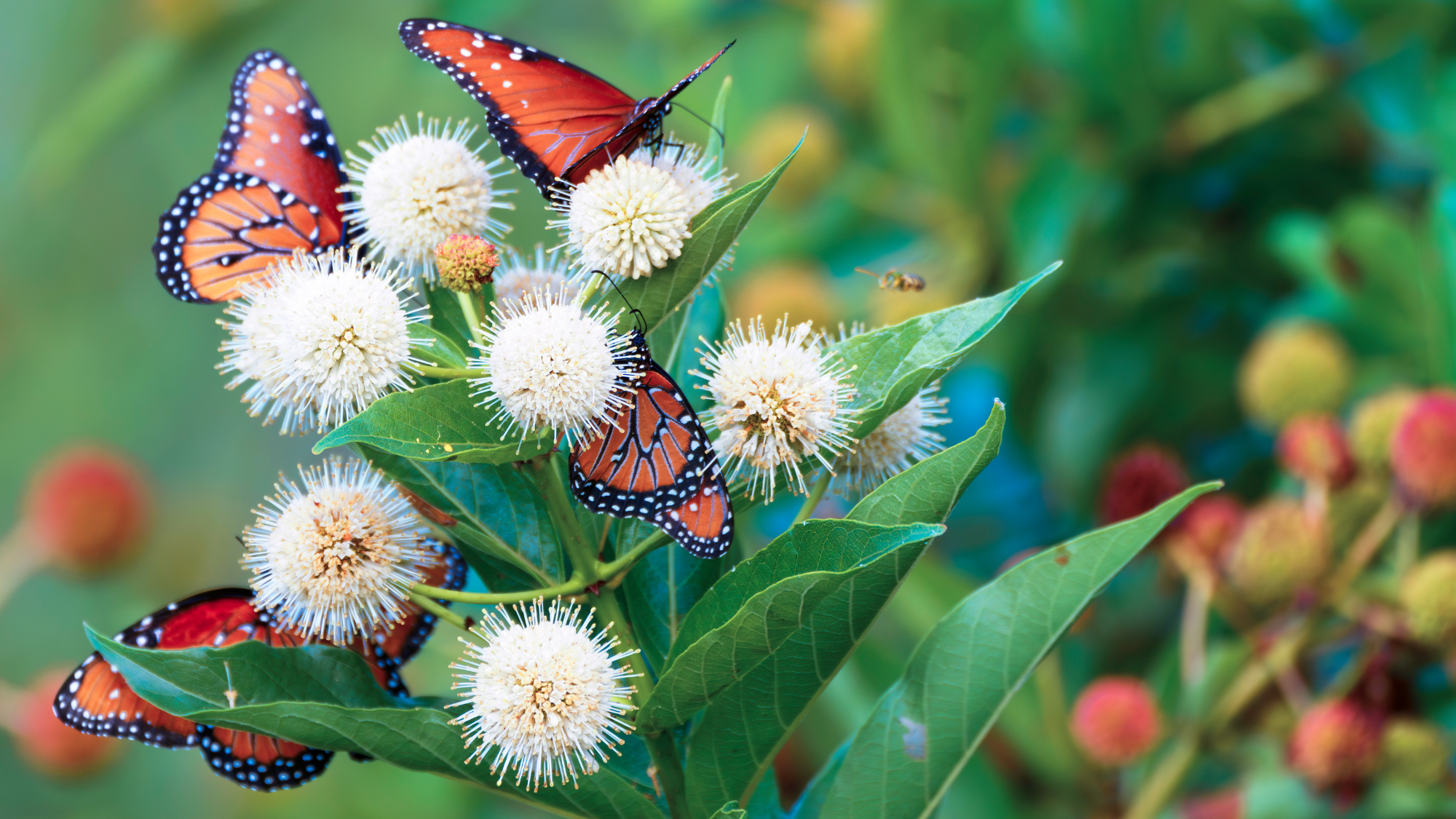
Doug: Well, that’s all good. They’re not part of our gardening culture so much, but one of them I think really should be, which is the winter-hardy field pea, formerly known as Austrian winter peas [photo, top of page]. We had to change our names. The USDA reached out to us. There was some sort of naming law that came into effect for this particular crop, but it is a variety of pea, like Pisum sativum, but it has the characteristic that it is very cold hardy and winter hardy. And so the sort of planting cycle or planting cycle for that is that you put them in the ground in the July, August, early September timeframe. They grow into young plants, like adolescent plants. They overwinter like that. So they just go dormant for the bulk of the winter. And then in March or April, whenever, here in the Northeast, they regrow again vigorously and they provide really tasty pea shoots at the time of year when there’s not much else green coming out of the garden with that force.
It’s really if you have even a relatively small bed of them, you can be harvesting pea shoots, big bunches of pea shoots, for a few weeks and they’re very tasty. And so the other benefit of that is it’s leguminous. So it’s adding nitrogen to your soil throughout that whole process and suppressing weeds.
Margaret: Right. And because you sell organic seed for these peas, these field peas, it is an edible. I mean, it is something that I want to grow and eat. You know what I mean? That’s the other thing is with something like a “cover crop,” I don’t want a treated seed. Do you know what I mean? If I’m going to eat it, I don’t want to get some agricultural version of it that who knows what’s … Sorry to sound paranoid, but … [laughter].
Doug: No, it’s all good. Yeah, I would say it’s not only it’s that, yes. And also I think there are other cover crops like regular field peas, which you grow during the season. Those aren’t as cold hardy. Those make shoots, too, but they’re like, O.K. [Laughter.] They’re not actually … You wouldn’t choose to eat those, necessarily, if you had some other good vegetables around. But the winter peas, the winter-hardy peas, are legitimately good, those pea shoots. So that’s one of the cool things that it is a cover crop. It behaves like a cover crop. It fills an empty space quickly and does good stuff to the soil and also produces something genuinely tasty in the spring. So it’s one of my favorite cover crops.
Margaret: And do you just cut it down or what do you do? Because I mean, many of us in our home vegetable garden, it’s not like in a farm field, it’s a confined space. So the aftercare management of a cover crop is a little trickier. So I know people who cut it down either with a weed whacker or just sometimes with hedge shears and then cover it with a tarp or whatever, or loosen the soil a little and cover it with a tarp, let it sort of degrade for a couple few weeks or something before replanting the area. I don’t know. People have different tactics.
Doug: Yeah, that tactic should work for the pea shoots, field peas are not particularly … With something like winter rye, for example, which is a common cover crop in a field setting that’s done in the fall to be a winter cover, it’s really hard to get rid of it in the spring. It takes like an actual tillage to get rid of it. The field peas are not like that, so they’re much easier. The root system is much more … Even just with a hoe, if you have a garden bed that you have in that cover, you could weed whack it and then just with a very light hoeing, you would take care of it.
Margaret: That’s good to know, because I think that’s one of the things when we say the expression “cover crops,” it sounds a little agricultural, and if people have tried something like winter rye in the confines of their raised-bed garden or something, they’re like, “Uh-oh, now we’re in trouble.”
Doug: Yeah, for sure.
Margaret: “What device does fixes this?”
Doug: Yeah, I don’t know that there is one. [Laughter.]
Margaret: No, there isn’t one, except for backbreaking hard work.
Doug: Totally. Yeah.
Margaret: Yeah, no, so that’s tricky. So that’s a good one. So the overwintering types, they also are tasty and they’re easy to manage this way. Plus, as you say, they put nitrogen in the soil and so forth.

Doug: Yeah. And then another crop that you can treat as a cover crop, but is not technically a cover crop, although the relatives of it are: Basically there’s a bunch of fast-growing brassicas like in the Brassica rapa species, things like komatsuna [above] or mustard greens or bok choy, or tatsoi. Komatsuna in particular, I’ll highlight, which is just very fast growing. And if you sow it densely in an empty bed, it germinates within a couple of days and it just grows so quickly, even in the diminishing light conditions and cooler weather of the fall, that it can really just blanket a bed in this delicious, mildly mustardy edible green.
It has the effect of weed suppression because it can blanket the bed so readily, even though it’s a cultivated crop, and it’s not technically a cover crop. It just behaves like on enough that it’s another example of a kind of have your cake and eat it too situation where you’re suppressing weeds, sort of stabilizing a bed for a period of time when another crop might be out of it, but you also get a really delicious and abundant harvest. And they really do keep growing steadily even without row cover protection into the cold. Here in the Northeast, you can easily be harvesting komatsuna into November, no problem, with some protection into December, no problem. The one thing is it’s not necessarily, unlike the winter-hardy peas, komatsuna or other Brassica rapa mustard greens are not going to be adding nitrogen to your soil. In fact, they’ll be extracting it [laughter] because they’re leafy green vegetables, but they do suppress weeds.
And as long as you’re next spring putting down compost and fertility into the bed, it’s not a problem or anything.
Margaret: Well, right. And if you leave an area empty, we know what happens, and the weeds that happen also take up the nitrogen [laughter].
Doug: Absolutely.
Margaret: So in other words, and then require eradication. So I find, because a lot of times when I’ve top dressed my vegetable beds with compost, I compost in a big, big open pile, a windrow as they would say, a big open pile. And you know what? It’s not hot enough probably. So it’s not killing all the seeds of everything. I get stuff in there and I have to be conscious about that, that if I leave areas empty, stuff’s going to sprout, right? Yeah. And that’s not so good, either. So komatsuna sounds like a good idea to me.
Doug: Yeah, no, it really does outcompete a lot of weeds. I mean, that’s what you’re looking for is sort of a level of vigor that can keep pace with the level of vigor of weeds. So komatsuna definitely provides that, as does mustard greens, other varieties in that species.
Margaret: O.K. I want to go back to some of the other crops we can do, and I don’t know if we talked about bush beans [below, Tri-Color Bush Beans]. But I love bush beans and that’s one where you can keep going for quite a while, I think that’s I think a good one.

Doug: Yeah. The nice thing about bush beans is that they yield much more quickly than pole beans.
Margaret: Yes.
Doug: I love pole beans in a garden because-
Margaret: So do I. Yeah.
Doug: There’s less bending over. They yield steadily from when they begin producing until frost, as long as you stay on top of harvesting. I mean, I’m a huge fan of pole beans, but there comes a moment in the season when it’s kind of too late for them. But bush beans you can still plant because they flower and set beans much more quickly than a pole bean does. So typically here in the Northeast, you can continue sowing bush beans until like mid-July, I would say, and you’ll still get a nice harvest in the fall.
I enjoy having green beans at that time of year. It’s a nice counterpoint to so many of the other crops coming in as we move towards winter squash and carrots and things and greens, it’s its own category. A lot of people have a big wave of bush beans from the seeds they planted in May and that wave happens in sort of July into early August before the tomatoes are even ready. So I love doing a follow-up to have it sort of keep beans present with green beans present with the rest of the vegetables that are in abundance later into the September-October timeframe.
Margaret: And speaking of then sort of non-vining choice that you just said about bush beans versus pole beans, I do the same with the peas for fall. I would always just use… I would not use a tall variety. I’d use a short variety that matures more quickly. Do you know what I mean?
Doug: Yeah. And that’s a great idea because the one challenge; you can do peas for the fall, which is something a lot of people don’t realize, but one of the challenges is that they don’t love being young plants during the heat and humidity.
Margaret: No.
Doug: They really don’t. And you can see it on how they behave. They often grow through it, and start to flourish once we move into late August and later. But I think that’s a great strategy to go with a faster-maturing, smaller, lower-growing pea plant that doesn’t need as many days to mature. So it doesn’t have to suffer through that hot weather as much.
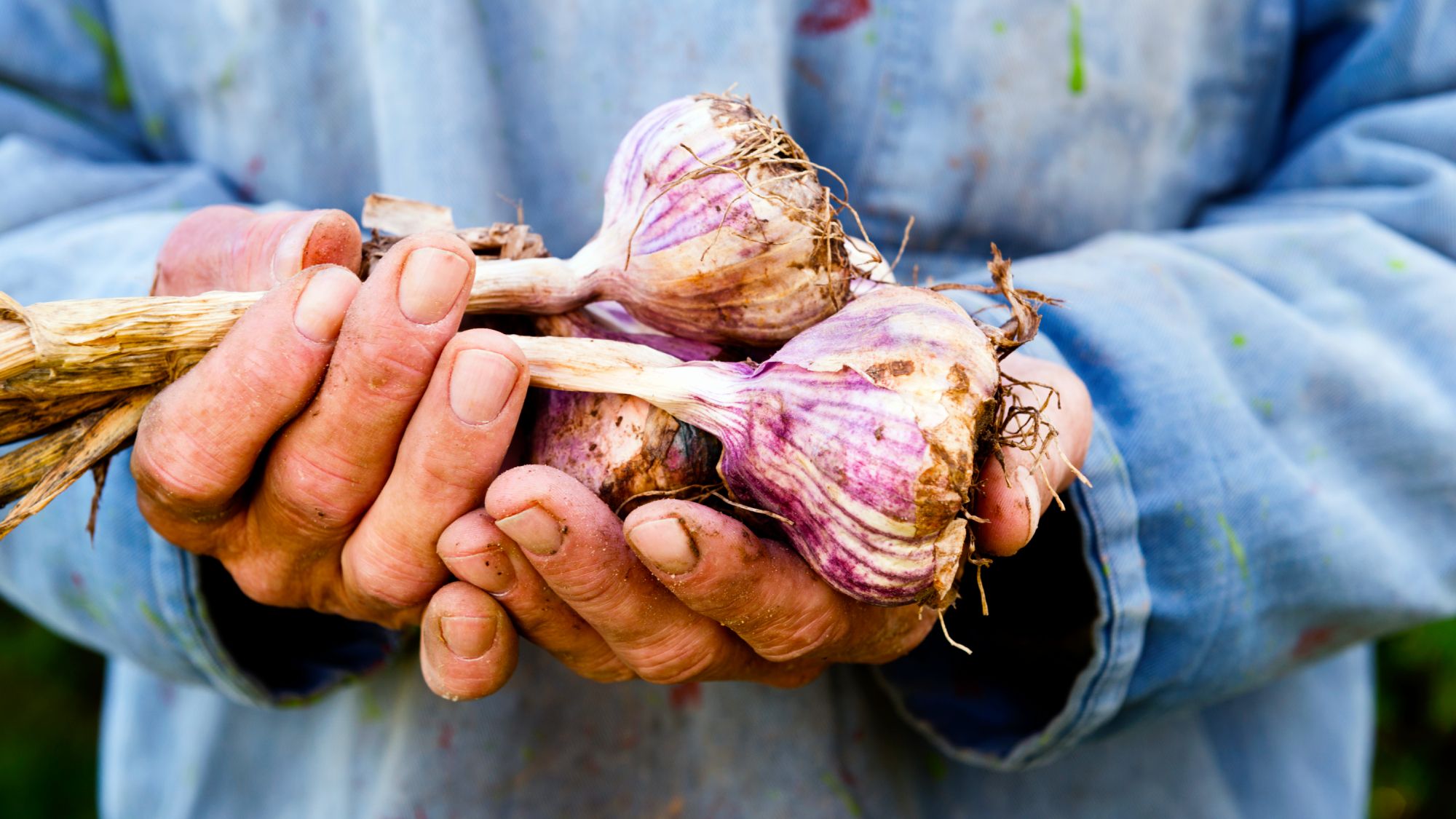
Margaret: And we should always remember, too, in this sort of calculation where we’re looking at what’s going to come empty, I think it’s good to write it down. I mean, to walk around the garden right about now, in fact, right now before it gets any later and sort of say, “Ah, that’s going to be done in a week or two, and that’s going to be done in August first.” And make our updated calendar, so to speak, of what’s going to go where, but not to forget that we’re going to leave room for things like our garlic, which is going to go in last of all, things for next year. It’s that, too.
What about, are there a couple of herbs like cilantro? Can we keep doing that because that peters out, doesn’t last long. Can we keep doing that?

Doug: For sure. Cilantro [above] is a great candidate for succession sowing generally. Even we have a couple of varieties in our catalog, one that’s a longer, slower-to-bolt variety called ‘Caribe.’ That’s a great one, but even with that variety, I mean, you get four weeks of harvest instead of two. It won’t necessarily last the season. So you do need to keep sowing cilantro if you’d like to have it after the first wave, because it naturally just tends to bolt and then form the coriander, it flowers and then yields the seed, which is coriander. And cilantro is a great choice, too, because it’s cold-hardy. I’ve grown wonderful cilantro crops just in my winter vegetable tunnel through the winter with protection. They flatten down a little bit and spread out, I think, as a response to the cold, but they’re absolutely alive and harvestable. So it’s a good one to keep doing because unlike basil, it can stand the cold.
Margaret: Well, Doug Muller, I’m so glad to speak to you, and you’re motivating me and I see komatsuna in my future. [Laughter.] So happy sort of summer. I hope I’ll talk to you again soon. Thank you.
prefer the podcast version of the show?

MY WEEKLY public-radio show, rated a “top-5 garden podcast” by “The Guardian” newspaper in the UK, began its 17th year in March 2026. It’s produced at Robin Hood Radio, the smallest NPR station in the nation. Listen locally in the Hudson Valley (NY)-Berkshires (MA)-Litchfield Hills (CT) Mondays at 8:30 AM Eastern, rerun at 8:30 Saturdays. Or play the June 29, 2026 show using the player near the top of this transcript. You can subscribe to all future editions on iTunes/Apple Podcasts or Spotify (and browse my archive of podcasts here).















 English (US) ·
  French (CA) ·