

Gardening life is full of the unexpected, like discovering a rogue tomato plant growing randomly behind my ranunculus, or (less good) finding a snail hiding in my hanging basket this morning (seriously, how?). But in the realm of things that are totally expected, my mixed cosmos plants are starting to rise, and I couldn’t be happier to see their delicate, feathery foliage dancing in the breeze.
Few annuals capture the carefree, sun-drenched spirit of summer quite like cosmos. However, recent heat waves have me feeling hyper-vigilant, and the initial excitement of my spring cosmos planting is quickly morphing into the reality of grappling with blistering midsummer sun. Left to their own devices in the heat, cosmos can quickly lose their structural integrity. So if your plants look tired or overwhelmed by the elements, you’re definitely not alone. July is the tipping point for these generous bloomers, and a little focused attention right now is exactly what they need to thrive.
Intense summer sun can trick cosmos into a reproductive panic almost as quickly as flowers start arriving, accelerating the process of setting seed rather than pushing out new flower buds. All that dizzy energy can leave plants exhausted. Without help, your beloved late summer blooming flowers will prematurely shut down before they hit their prime. So the stakes are high if you want to dodge this midsummer slump. Luckily, there are some easy ways to safeguard your cosmos from these seasonal stressors. Just a few little gestures now will yield sturdier stems, larger flower heads, richer color saturation, and an extended flush of cosmos that lasts right until fall frost.
Make Time for Cosmos in July
Some of these July essentials will hinge on when you planted your cosmos. Spring-sown varieties will be presenting feathery foliage and a scattered preview of their first vibrant blooms. Meanwhile, young cosmos are still developing the structural foundation for their floral debut. But no matter where your plants are at, midsummer represents the crossroads for their full seasonal potential. The simple steps you take right now will dictate whether you see staggering fall cosmos or premature collapse.
Cosmos thrive in USDA hardiness zones 2-11, but regional variations may throw up more humidity (in the south) or arid conditions (in the west). Regular checks are key to plant health. A minimum of 6-8 hours of sunlight daily is non-negotiable, or else those hard-working stems will weaken and flop. It’s also a good idea to keep an eye on soil moisture levels. Your cosmos needs fast-draining, lean conditions. You can buy the highly rated XLUX Deep Probe Soil Moisture Meter from Amazon to gauge moisture levels at the deep root zone without disturbing fragile root networks.

(Image credit: Rosemary Calvert / Getty Images)
It is a common misstep to pamper your cosmos plants with rich soils. Planting cosmos in highly organic beds will backfire. They crave poor-to-average soils, so don’t fuss with too many fancy amendments. When forced to struggle slightly, their survival instincts kick in, and that’s ironically what triggers that abundance of flower heads. Just ensure decent spacing between plants, as a crowded patch restricts airflow and runs the risk of powdery mildew. Aim for 12-15 inches (30-38cm).
Now for these quick July cosmos tweaks! They’re really not going to take long, and I promise they will greatly improve the vitality, strength, saturation and abundance of your display. Just find yourself 10 minutes and a mild day, and your cosmos will thank you with a vibrant, long-lasting display redolent of a bloom factory.
1. Support and Staking
(Image credit: Kwanchaichaiudom / Getty Images)
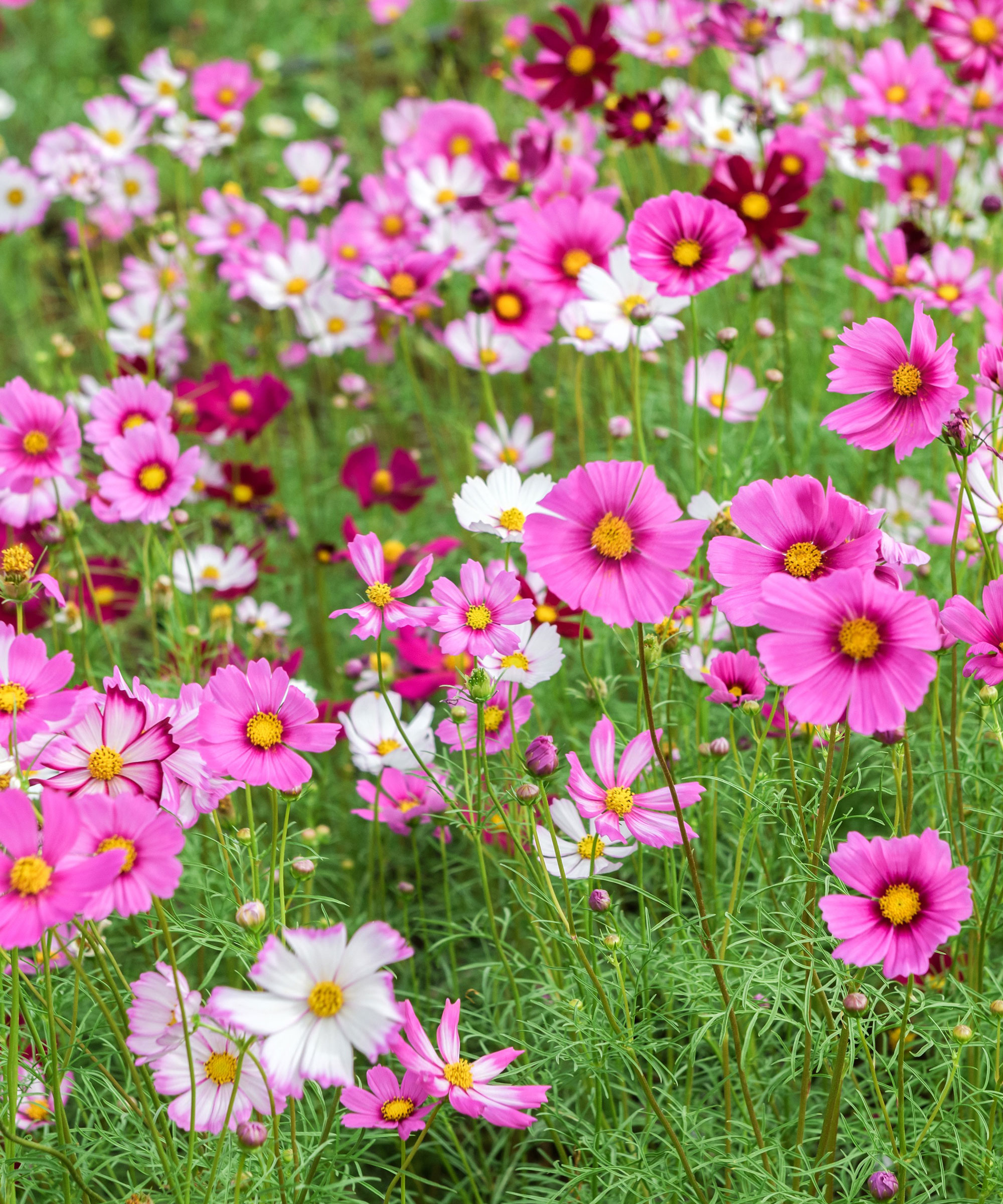
Providing reliable structural support is one of the most critical things you can do for your cosmos in July. These high-octane bloomers grow with mad speed during the long, warm days, so their top-heavy blooms can quickly outpace the strength of their stems. And spring-sown cosmos varieties have reached a height where they are susceptible to shifting winds. So take action now to help the gang maintain their mighty stature.
In borders or raised beds, the most efficient method is a grid technique. Instead of staking every single stem (who has the time, friends?), simply slide sturdy bamboo canes or wooden stakes carefully into the ground around the perimeter of the plant cluster, spacing them 2-3 feet (60-90cm) apart. Weave soft jute twine between the stakes to create a supportive matrix the cosmos can lean against. Buy Bamboogro 4Ft Natural Stakes from Walmart for back-of-border cosmos varieties, and soft twine like Kinglake Green Jute from Amazon to keep stems in check without friction or stem slicing. Allow for a bit of natural sway.
If you are growing cosmos in containers, opt for low-profile, circular link-stakes or a miniature dark green trellis slipped into the back of the container. This keeps the presentation uncluttered while preventing calamity during high summer gusts. Do a little ‘wobble test’ once a week, just to be on the safe side, and adjust accordingly.
2. Smart Watering for High Heat
(Image credit: Westend61 / Getty Images)
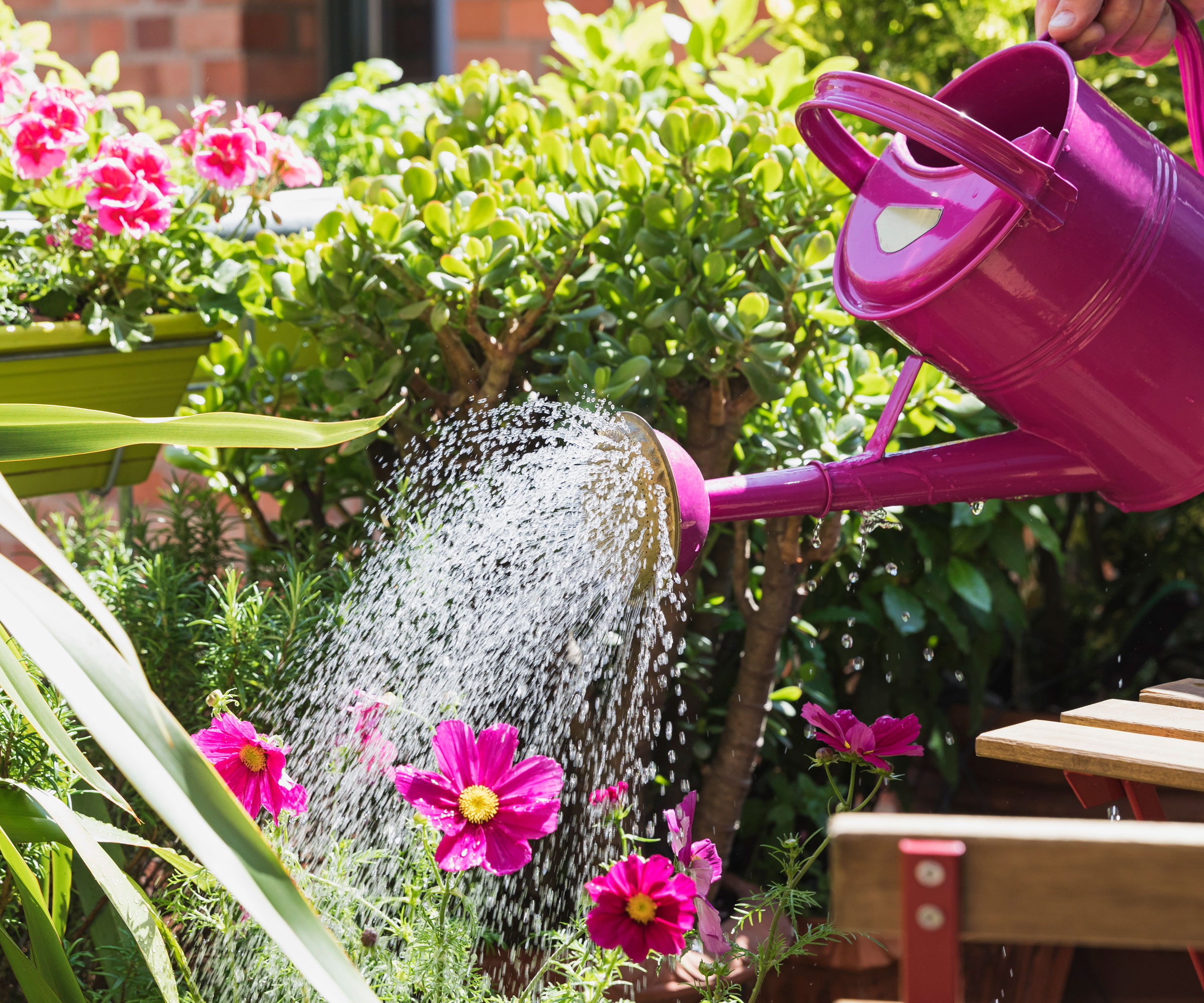
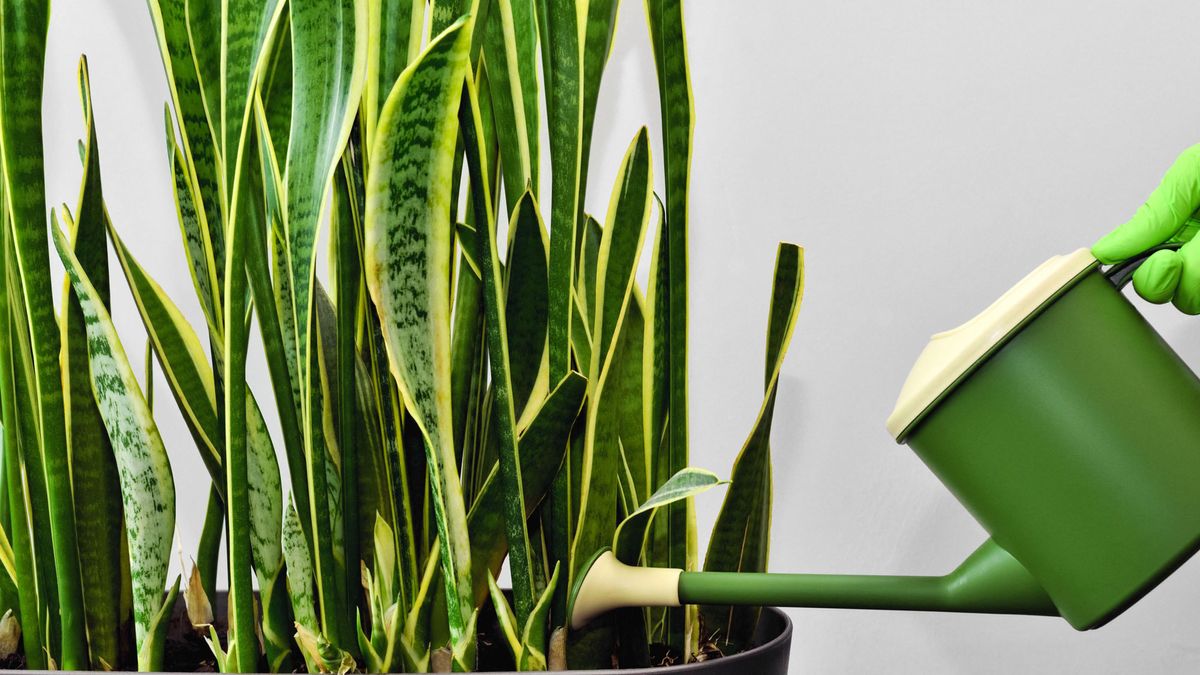
Smart watering: what’s that? You might well ask. Basically, when it comes to potentially heavy bloomers like cosmos, the way you water directly impacts longevity. It’s tempting to give flower beds quick, daily sprinkles. But this superficial watering keeps moisture trapped in the top inch of soil, which quickly evaporates and forces the plant's roots to stay near the surface, which isn’t good for them in the heat. A different approach is needed to ensure plants remain crisp, vibrant, and strong.
What your cosmos needs in July is deep hydration. Instead of a daily splash, give your plants a thorough soak a couple of times a week, ensuring the moisture penetrates 6 inches (15cm) into the earth. Watering the base of plants allows you to direct hydration where it is needed. For larger drifts of cosmos, try an automated or manual low-pressure soaker hose system. Try the Water Right 50-Foot Soaker Hose from Amazon for uniform, slow hydration for healthier root zones.
Potted cosmos have severely confined root zones and dry out with alarming speed. If the top inch of potting mix feels dry, water them thoroughly until moisture runs out of the drainage holes. Check daily, and water early in the morning to give your cosmos time to absorb the moisture before the midday sun intensifies.
3. Controlled Feeding (But Not Too Much)
(Image credit: BING JHEN HONG / Getty Images)
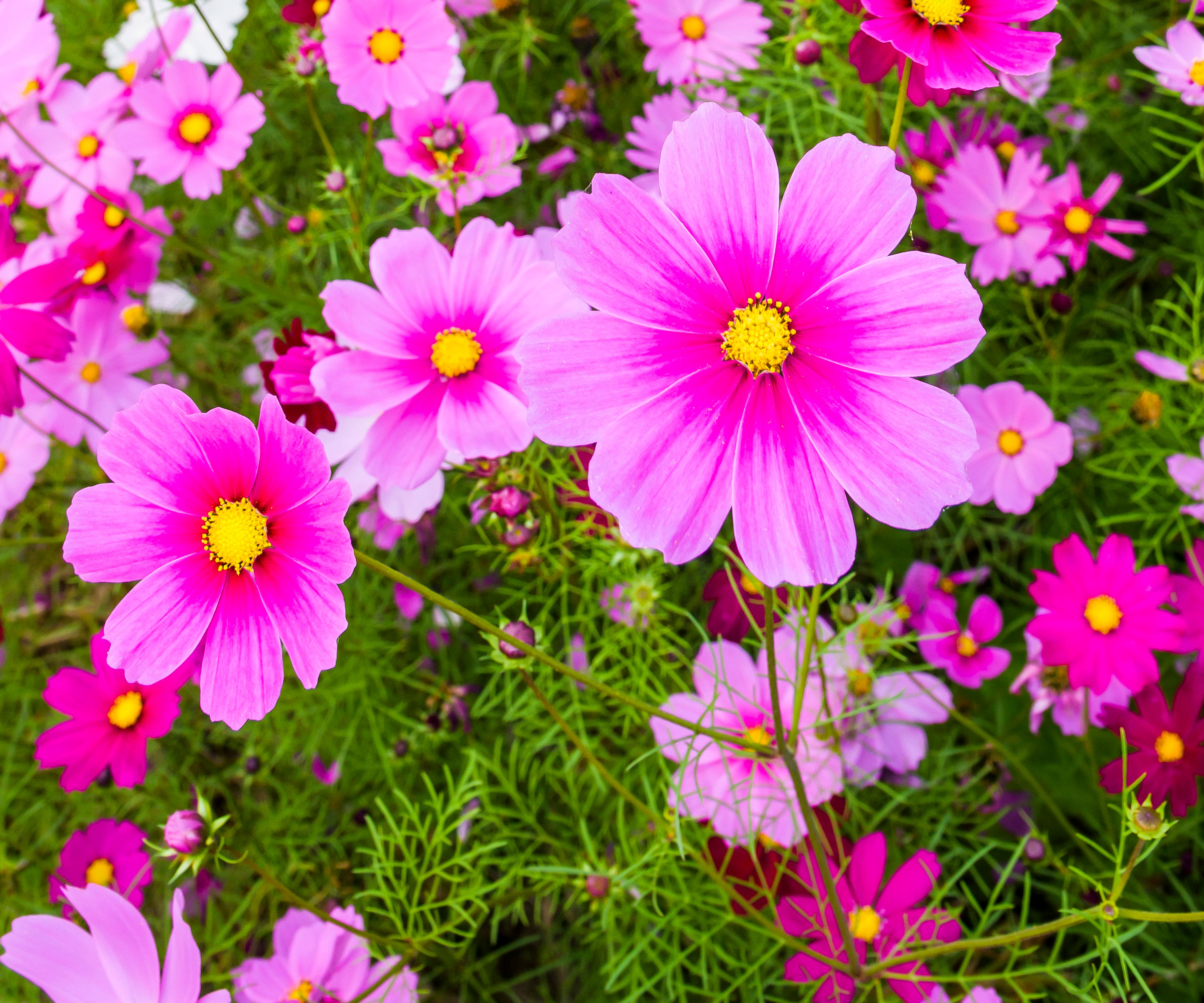
The most powerful tool in your cosmos care kit can often be restraint. This sounds like a strange thing to put in an action plan for July, but hear me out. I get the urge to sprinkle feeds and supplements hither and yon, but cosmos detest being pampered. Remember what I said about them responding better to a little bit of struggle? When these plants receive an excess of nutrients (particularly nitrogen), the plant starts producing a mass of leaves, forgetting to push out flower buds. So the better course of action now is to go sparing with any extra goodness.
For cosmos in beds and borders that are thriving, you can step away from the fertilizer entirely if the soil is average or poor. Only if your cosmos seem stunted or pale, or blooming has ground to a halt, do they require a minor pick-me-up. Opt for a small, diluted dose of a liquid organic fertilizer that is rich in phosphorus and potassium, which stimulates root vitality and blossom size rather than foliage growth. Gentle, organic tonics like liquid seaweed or kelp meal are nice low-stress options for July. For a light seaweed boost, add Neptune's Harvest Fish & Seaweed Fertilizer from Amazon to protect your cosmos from intense sun and heat stress.
For containers, essential nutrients will likely be getting washed out much quicker. Treat potted cosmos to a half-strength, diluted dose of a liquid bloom-boosting formula just once or twice through the month. This tiny gesture keeps things balanced without overwhelming the roots. Try Miracle-Gro Water Soluble Bloom Booster Flower Food from Walmart for a little phosphorus lift (in low doses, only).
4. Strategic Pinching

(Image credit: Yurou Guan / Getty Images)
Strategic pinching this month is one of the most effective ways to prod your cosmos into a multi-branched display (which means more heads, and more flowers). Left to their own devices, cosmos grow as single stems. They produce one lone flower at the top, before quickly becoming top-heavy, leaning into walkways, and prematurely setting seed. But if you pinch out the main growing tips, you double or triple your blooming power. The pinching process activates dormant side nodes along the stem, and the result is a flower party where everyone’s invited.
The way you pinch depends on plant maturity and growth stage. For successional or later-sown varieties that are 12-18 inches (30-45cm) tall but haven't generated flower buds, July is prime time for a pinch. Use your fingertips or a sharp tip-pruning tool, like our team favorite Fiskars Micro-Tip Snips from Amazon, for clean cuts. Snip away the top couple of inches (5cm) of the main shoot, just above a sturdy set of leaves. This single action will multiply the number of lateral branches, creating a denser, sturdier plant canvas that can hold plenty more future blossoms.
For older, spring-sown cosmos varieties that are already tall but look leggy or top-heavy, you can try tip-pruning. Look closely down the stem to find a strong new branch junction, and prune the main stem back to that point. This keeps the overall shape tidy, encourages a fresh wave of blooms lower down the plant, and eliminates the risk of one stalk snapping and killing the party dead.
5. Deadheading

(Image credit: Mgstudyo / Getty Images)
I’ve left the best until last. And I can’t believe I’m suggesting you ignore everything else in this guide, but if you can only do one thing for your cosmos this month, please make it deadheading. This is what transforms your plants into a seemingly relentless bloom factory. The science is both simple and profound: once a cosmos flower fades and forms a seed pod, it signals to the plant that its mission is complete. The plant will divert its energy away from flower production, causing new buds to grind to a halt. By removing cosmos heads now, you trick the plant to push out fresh blooms. Sorry, cosmos (well, sorry, not sorry).
It is virtually impossible to over-deadhead your plants, and it’s wise to do this at least twice a week, where you see flowers fading. But don’t yank the head off with your fingers. Instead, trace the spent flower stem down to the next node or set of healthy leaves, and make a clean, angled cut above that junction. This routine is the same across borders, raised beds, and containers. Save yourself a little back and forth while deadheading with a bucket or basket. Modanu Mesh Baskets from Walmart do excellent double duty as garden trimming carriers and picnic baskets. Oh, and in case you aren’t sure which buds are new and which are spent: new buds are round, hard, and chartreuse-green, while spent heads are cone-shaped and soft.
Shop Cosmos Companions

(Image credit: Toloren / Getty Images)
Keeping on top of your cosmos display deserves a reward. Investing in a few high-impact companion plants provides an insurance policy for a high-vibrancy summer. These floral partners carry plenty of visual clout and turn your beds and borders into a wealth of contrasting textures and relentless color, for an unforgettable late-summer display. Go on, treat yourself.
 Blue Heaven
Nature Hills Nursery
Sensation® Sky Blue Salvia Plants
Salvias and cosmos are a match made in heaven, and a perennial partner gives your ornamental display some enduring weight. These intriguing indigo spikes provide both dramatic, rigid architectural interest and ethereal pastels that perfectly balance the dancing movement of juicy cosmos blooms.
 Fruity Splash
Nature Hills Nursery
Artisan™ Soft Orange Coneflower Plants
If you are aiming for true cottage garden drama, coneflowers make devastating dancing partners. Thriving in the exact same lean, sun-baked soil and hot USDA zones, these bold, zingy daisy-like petals and coppery centers offer a stunning texture that keeps your summer flower show going late into fall.
 Going for Gold
Clovers Garden
Clovers Garden Black Eyed Susan Plants
For instant high-contrast color, nestling rudbeckia plants near pink and white cosmos works wonders. This classic choice handles parched July conditions with ease, pushing out cheerful golden petals with dark cones to accentuate the feathery details of your annual daisy show with intense color impact.
Need more ideas for timely gardening jobs and seasonal expert advice delivered straight to your inbox? Sign up for the free Gardening Know How Newsletter!


















 English (US) ·
  French (CA) ·