

Hydrangeas are some of the most popular flowering shrubs to grow. Just drive down any street in summer and their abundant, long-lasting clusters of flowers shout out from the landscape borders.
By August, the summer-flowering hydrangeas are well into their bloom cycle. But to keep those magnificent shrubs looking their best through the grueling August heat, you need to take some steps to ensure they look as good in late summer as they did earlier in the season. Proper late summer hydrangea care rewards you with huge, colorful blooms that fade gracefully into fall and winter.
Maintaining those colorful, round-to-conical-shaped hydrangea blooms and green leaves in August is worth the effort. Performing the proper tasks during high heat periods can help to extend flowering as much as possible and prevent scorching of petals and leaves. Tackle these chores now to beat the August heat.
1. Water Regularly
(Image credit: Liudmila Chernetska / Getty Images)
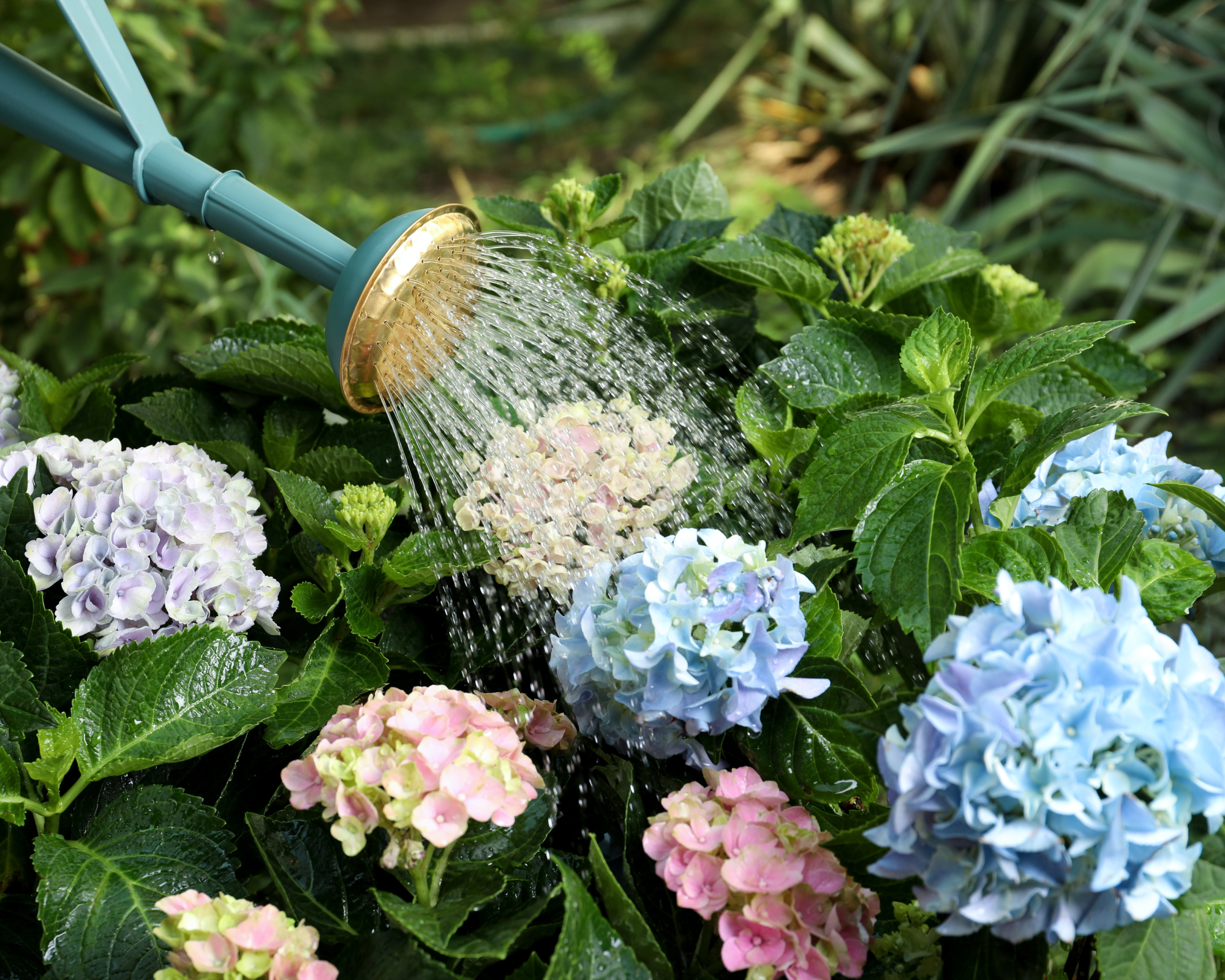
Hydrangeas are moisture-loving plants and most varieties need 1 inch (2.5 cm) of water a week by rainfall or supplemental watering to keep them happy. During extreme heat or in hot drying winds, they may dry out faster and need more.
You know it is time to water hydrangeas when the soil 1 inch (2.5 cm) below ground is dry. You can measure with a finger, screwdriver, or moisture meter. This moisture meter from Amazon tells you soil pH, too, which is important to know if you want to change your hydrangea bloom color.
Water slowly and deeply with a soaker hose or drip irrigation. Watering by hand may only dampen the surface. You can leave the garden hose running under your plants until the soil is saturated, but it is easy to forget and overwater, which can lead to root rot. Well-draining soil is essential for hydrangeas. Adding compost to the soil aids in moisture retention, fertility, and drainage.
Providing regular moisture can help prevent hydrangeas turning brown and crispy leaf edges from leaf scorch, a disorder caused by water evaporating from leaves faster than it can be supplied from the roots.
2. Apply Mulch
(Image credit: New Africa / Shutterstock)
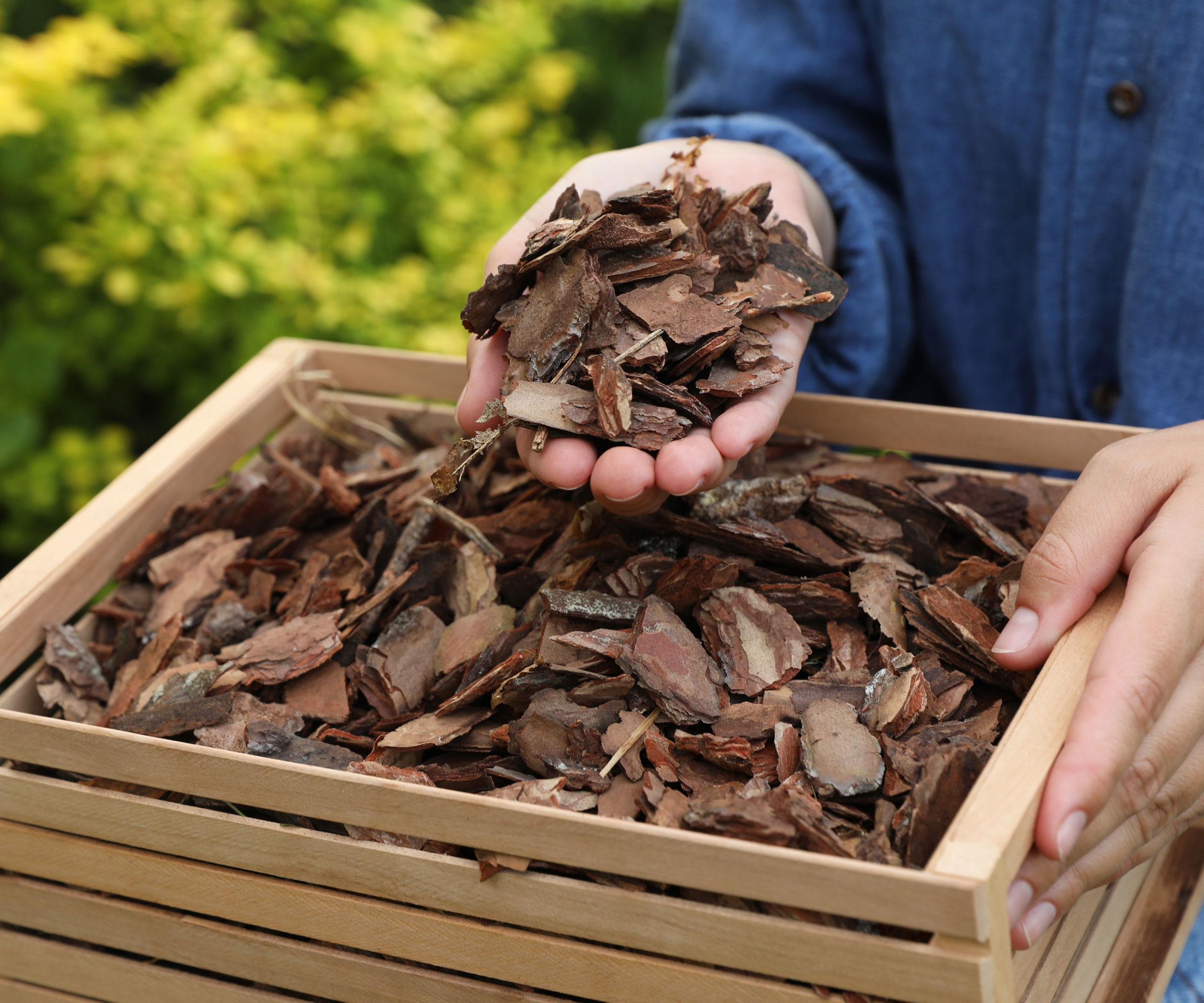
Mulching with 2 to 3 inches (5-7.6 cm) of shredded bark, pine straw, or compost benefits hydrangeas, as well as most plants. It retains moisture, prevents weeds, and regulates soil temperature. Apply mulch about 6 to 8 inches (15.2-20.3 cm) away from the stem to avoid stem rot.
Do not use rock mulches, plastic mulches, or volcano rock as they will heat up the area too much and further add to heat stress. Instead use an organic mulch, like this one from Miracle-Gro.
3. Provide Shade
(Image credit: mladris01 / Getty Images)
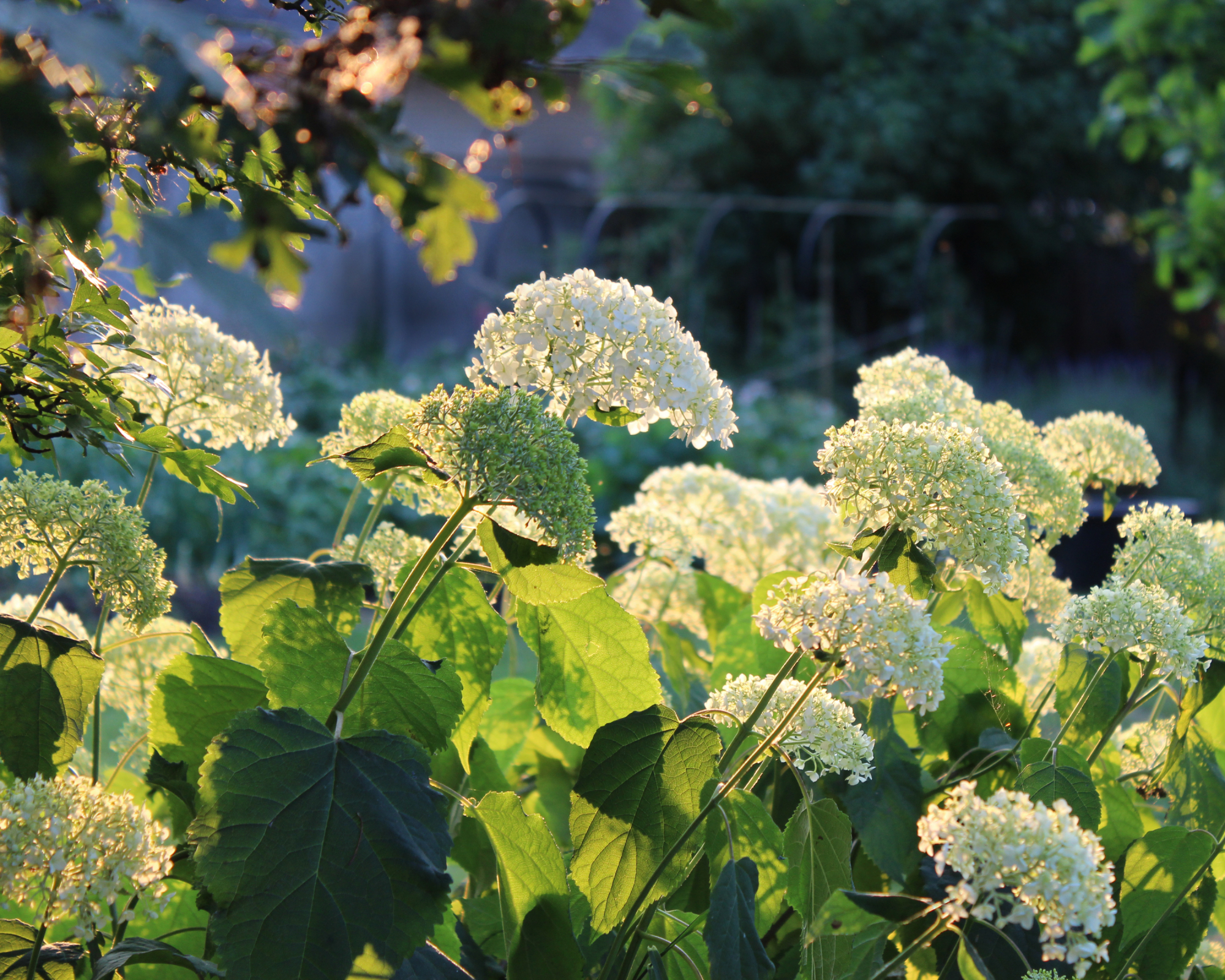
Most hydrangea species do best with morning sun and afternoon shade. Some types of hydrangeas tolerate more sun, such as panicle hydrangeas, and some take less, such as oakleaf hydrangeas. So read and follow the planting instructions on the plant tag that accompanies the shrubs you buy.
Bigleaf hydrangeas (Hydrangea macrophylla) are the most sensitive to sun, but thrive in dappled shade or morning sun. If your hydrangeas are getting too much direct sun, you can provide shade for them.
Shade cloths, like this one from Amazon, sheets, or blankets offer cooling shade when draped over supports such as trellises, PVC hoops, metal T-posts, or bamboo stakes. In the fall, consider transplanting your hydrangea bush to a shadier area if it struggles during the heat of summer.
4. Control Pests & Diseases
(Image credit: Getty Images)
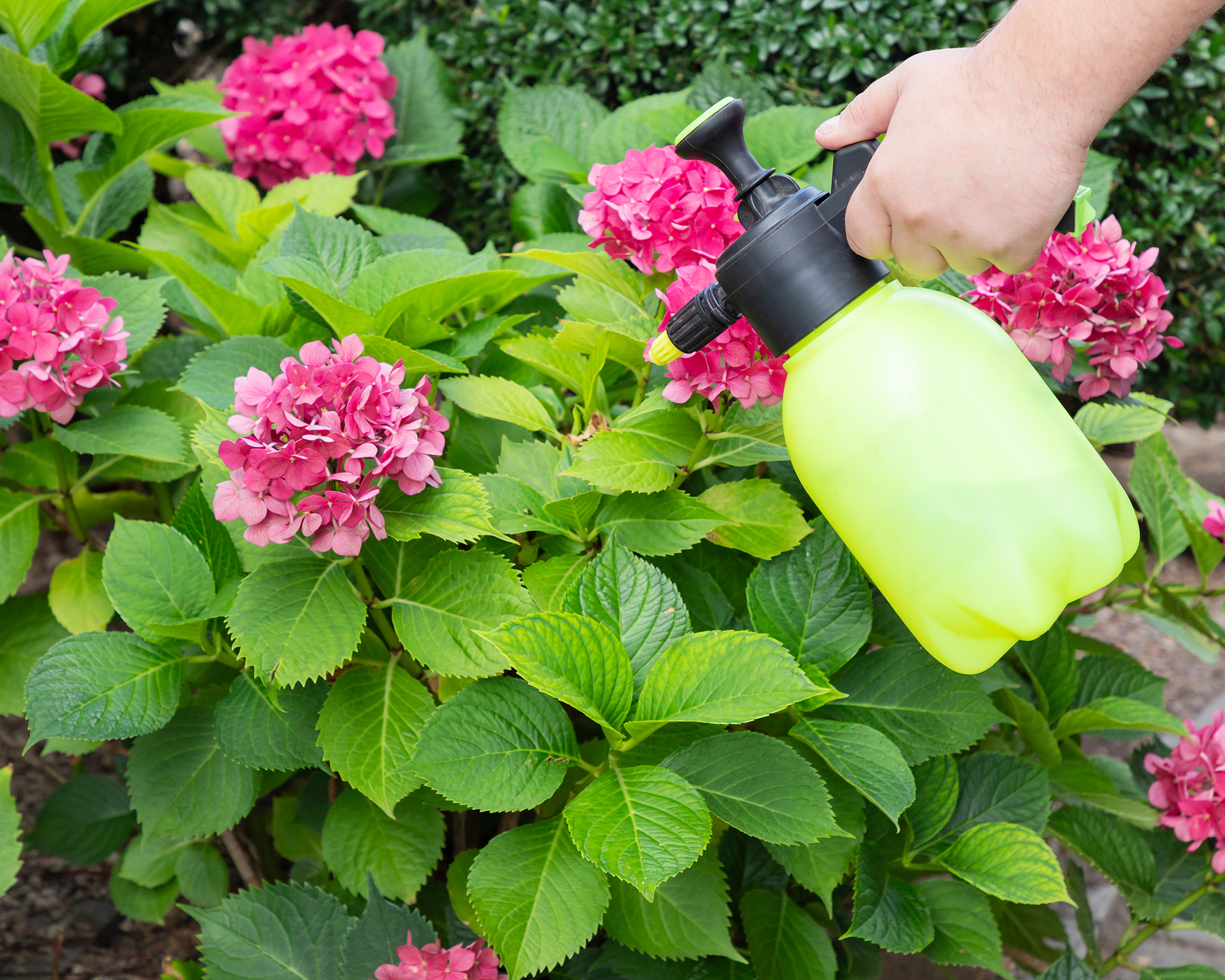
Monitor weekly for common hydrangea diseases and pests to keep a step ahead of problems. Pests, such as spider mites, like the hot, dry conditions of late summer and can quickly multiply. If you see yellowing leaves, stippling, and fine webbing between stems, take action to stop them.
A strong blast of water should knock them off. If they persist, apply neem oil in the evening to control them. Pick up a bottle of neem oil spray on Amazon or at your local garden center.
Cercospora leaf spot is a common fungal disease that favors hydrangea leaves during wet, humid, and warm conditions. Spots are typically tan with reddish-brown halos. Pick off the affected leaves and discard if it is not widespread.
A fungicide, like this one from Bonide, may stop the disease from spreading, but it can’t cure the disease. If leaf spot is a yearly problem, you can start a fungicide-spraying regimen early to prevent the fungal leaf spots. Watering from below rather than overhead, picking up and discarding leaves in the fall, and improving air circulation also help to avoid the disease.
If you have major problems and your shrubs succumb, consider replanting disease and pest-resistant types of hydrangeas instead.
5. Stop Fertilizing
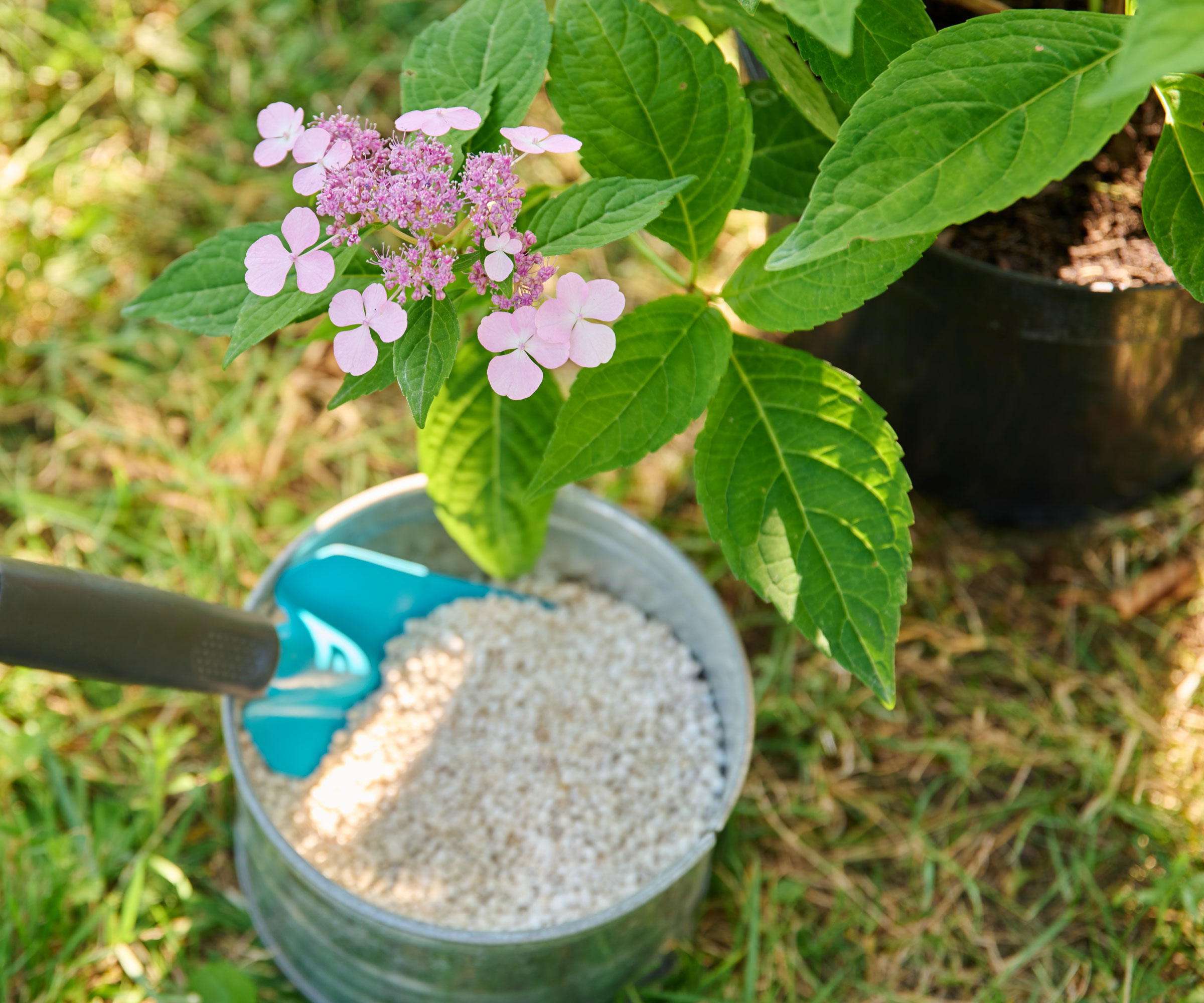
(Image credit: VH Studio / Shutterstock)
Fertilizing hydrangeas when temperatures exceed 90°F can burn the roots. Also, fertilizer will push out new growth that may not have time to harden off before winter arrives. Lush new growth also can attract pests.
Hydrangeas do not need a lot of fertilizer, if any, especially if the soil is organically rich. If indicated by a soil test, they can be fertilized with a slow-release, balanced fertilizer such as 10-10-10 in spring or sidedressed with compost.
6. Avoid Pruning & Deadheading
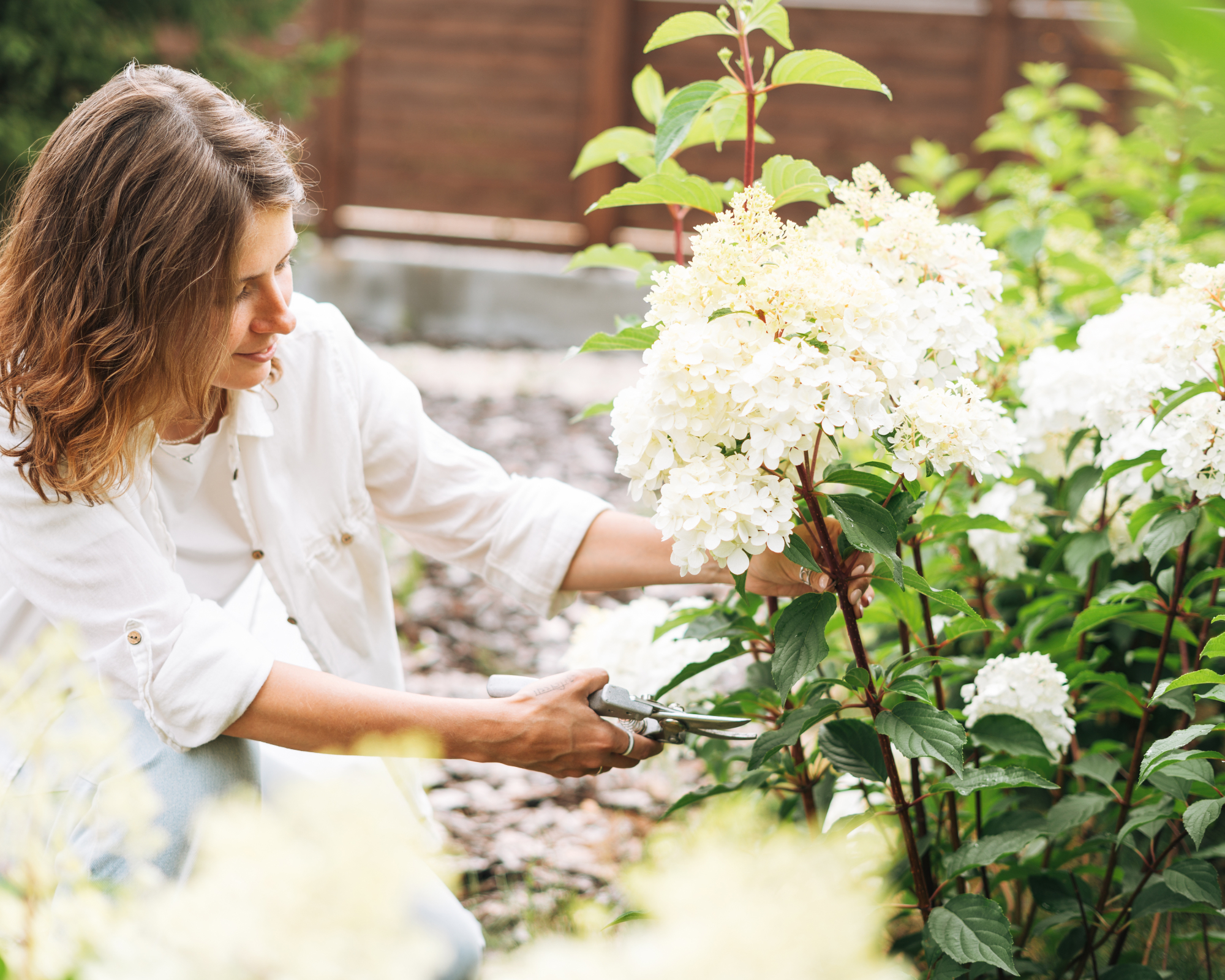
(Image credit: Galina Zhigalova / Getty Images)
If your hydrangeas bloom on old wood (the prior year’s growth) such as mophead hydrangeas or oakleaf hydrangeas, do not prune them now. Next year’s flower buds develop in late summer or fall. You can see the buds if you examine the tips of the stems. Pruning hydrangeas now will cut off next year’s blooms. Always prune those two types immediately after flowering, if needed.
Also, pruning in late summer may encourage new growth that will be susceptible to damage in further heat waves or may not be hardened off before winter. An exception to pruning now is damaged or dead wood. Remove those stems at the base of the plant any time you see them.
If you are deadheading hydrangea blooms during the summer, now is a good time to stop so the remaining blooms provide winter interest. The tan or brown dried blooms stay erect during winter and add architectural form to the landscape.
It doesn’t hurt to lightly tidy up the plant, but leave some of the dried flower heads for winter. For a fun Christmas project, you can spray paint the dried blooms in gold or silver.
7. Choose Heat-Tolerant Hydrangeas
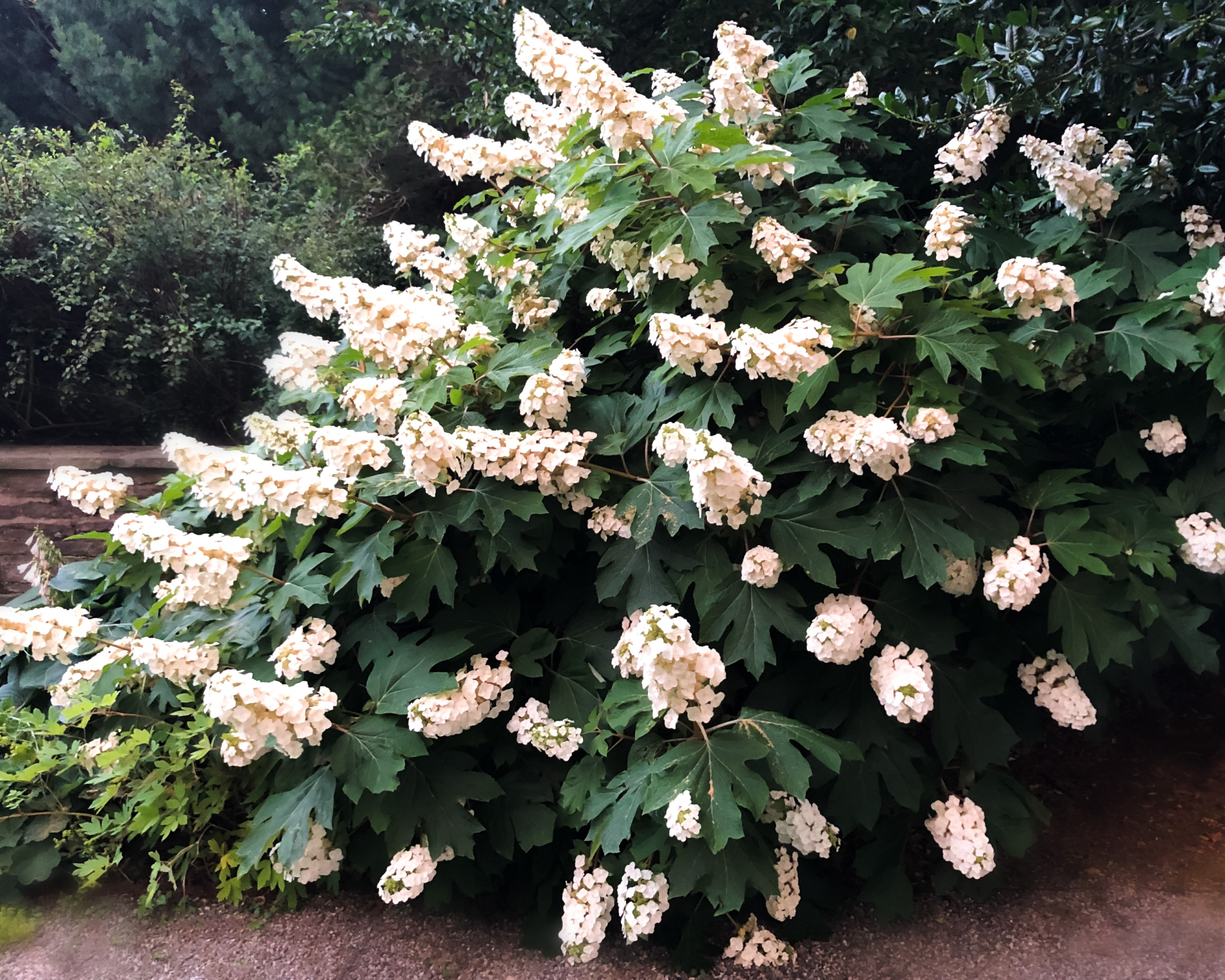
(Image credit: Catherine McQueen / Getty Images)
If your area experiences high heat for extended periods, choose native hydrangea varieties and cultivars from the U.S. rather than Asia. The oakleaf hydrangea (H. quercifolia) and the smooth hydrangea (H. arborescens) are native to the Southeastern US, and are more tolerant of higher temperatures than the mophead (H. macropylla) or mountain hydrangeas (H. serrata).
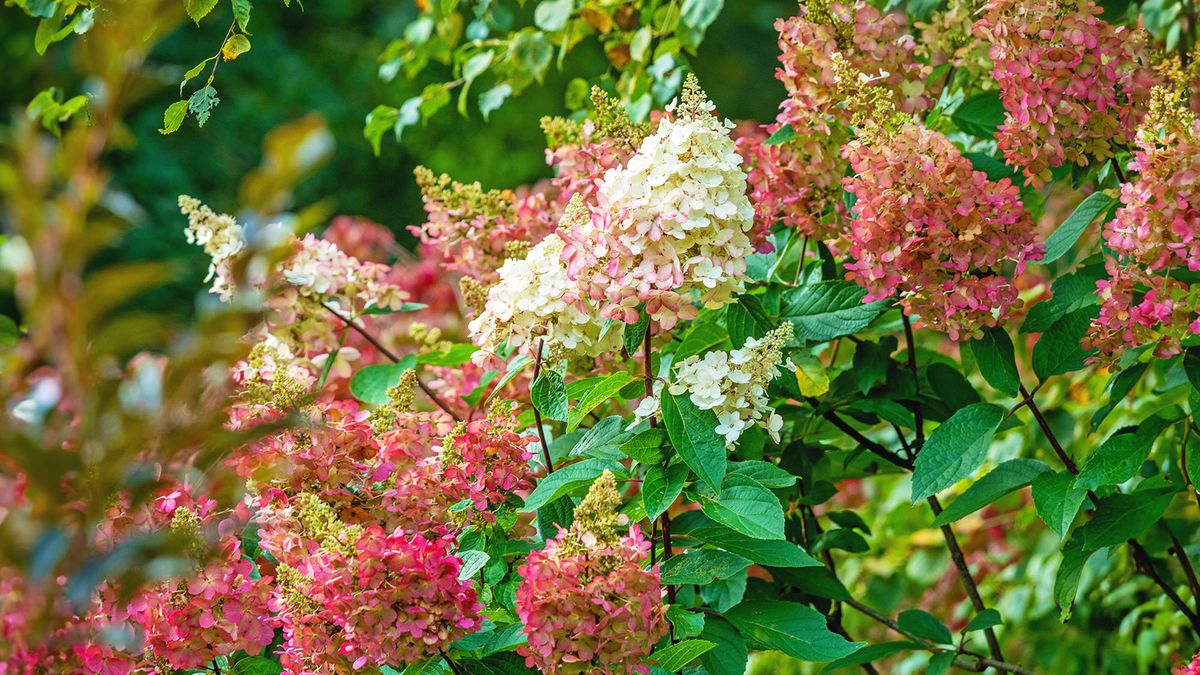
Most types of hydrangeas do well in part shade, for example, morning sun and afternoon shade. Panicle hydrangeas (H. paniculata) can tolerate the most sun and drier conditions, but they still need constant moisture to perform well.
You can explore tons of stunning hydrangeas for sale online from Wayside Gardens.














 English (US) ·
  French (CA) ·