

The end of summer is a transition period for many plants, including your potted peace lily. It’s still the growing season, but temperature shifts, dry indoor air, and shifting sunlight angles can all impact your plant as it edges toward fall and the dormant season. August peace lily care aims to focus on this transition and help the plant stay healthy as it prepares for a slowdown in growth.
If you’ve noticed your peace lily looking a little deflated in ways that go beyond the usual wail for a watering, this is the time to get on top of some easy interventions before things change in earnest. It’s a vital time for action, since this is still a phase of growth for your plant. This monthly pitstop is your way of reassuring your peace lily after weeks of continuous air conditioning and intense sun angles. That way, it will keep growing (and looking gorgeous) for longer.
These simple monthly jobs will take minutes, but will ensure that your plant flourishes in high summer and keeps developing lush and glossy leaves and pristine white spathes well into fall. Make sure your peace lily is primed for fresh growth and bushy beauty even as the seasons start to shift. Not only will this help yours look better now, but it will also mean it is as healthy as possible going into spring.
Quick Peace Lily Tasks in August
The great news is that peace lily care isn’t too demanding this month. It’s mostly about starting to adjust a few of your basic summer approaches, checking in with appearance and environmental shifts, and getting your houseplant ready for the change in seasons. These simple checks and tasks don’t take long, but they will keep your peace lily healthy and thriving in the transition to a gentler, slower season, and promote better growth once your plant is on the other side of winter.
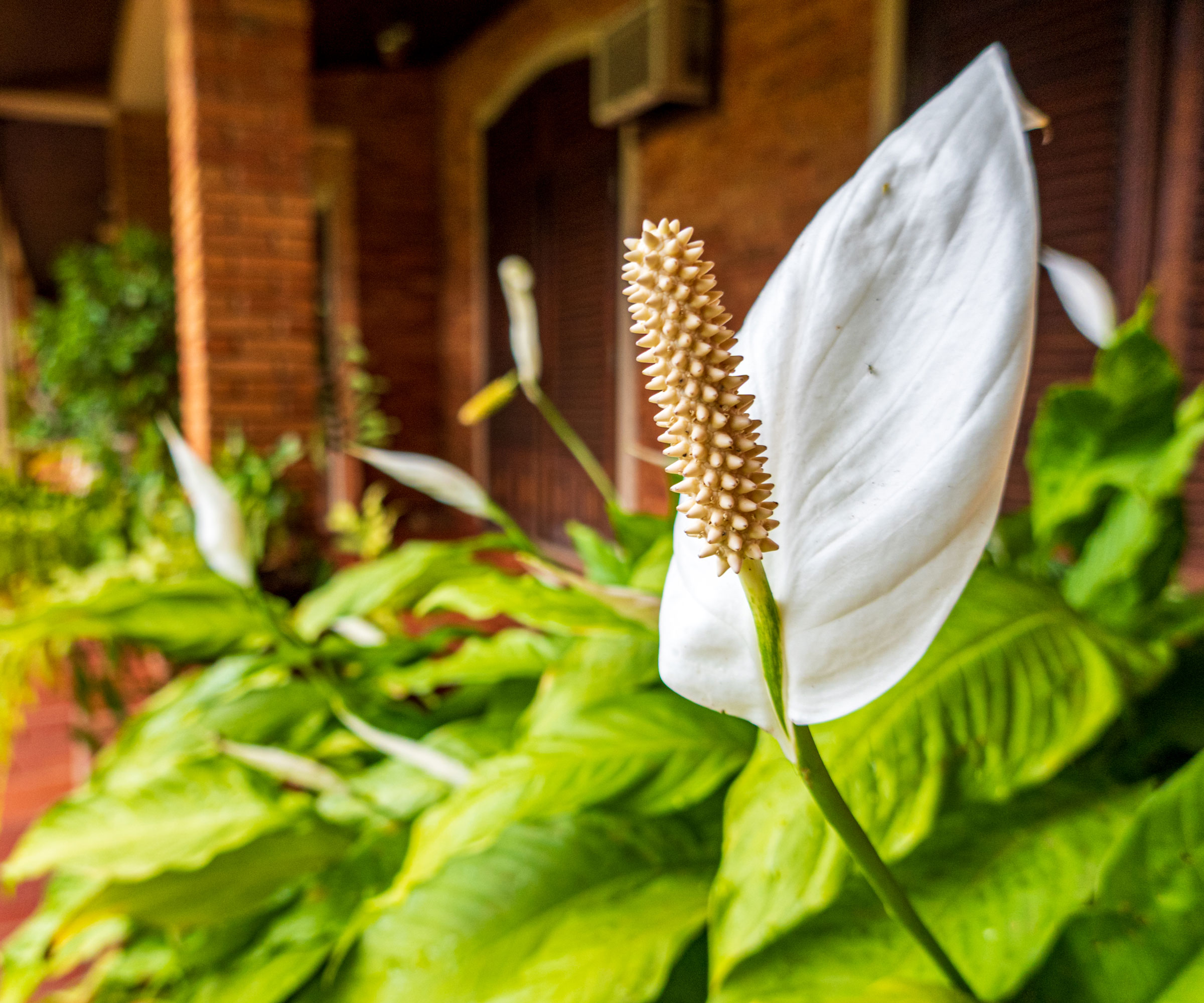
Take a couple of minutes first to assess your plant's position. Whether your peace lily spent the summer in a sleepy corner indoors, or enjoying a little holiday on a shaded porch in USDA hardiness zones 10-11, this month is where warmth and light will shift. Indoor air conditioning can strip ambient humidity in ways that are easier to miss when we are focused on the warmth outside. Meanwhile, peace lilies that have been outdoors must be inspected before being moved inside as nights cool down.
(Image credit: Elzauer / Getty Images)
It’s a good idea to check the soil moisture level and the texture of your potting mix before trying these tasks. If your soil is nutrient-deprived or compacted, it is going to struggle with any feeds or treatments, and will be less able to support fresh spathes (that’s those gorgeous white blooms, to you and me!). For easy, battery-free readings, the XLUX Soil Moisture Meter from Amazon is excellent, especially for deep containers, and can also be used with your outdoor plants.
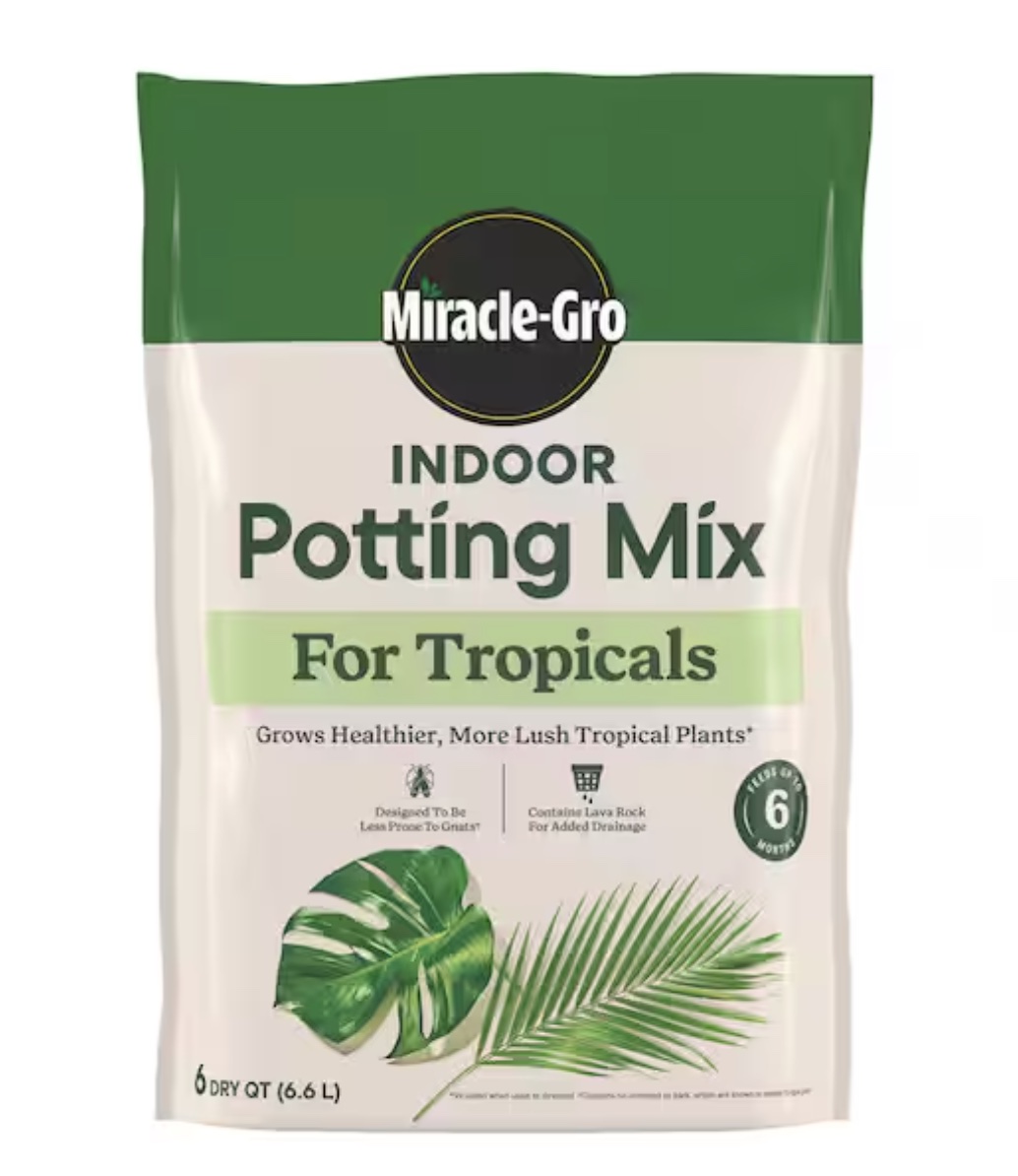
If you spot that water pools on top or runs straight down the inside edge of the pot without soaking in, hydrophobic peat compaction may have taken hold. That soil meter probe can help verify whether lower roots are dry. Adding some fresh potting mix to the top few inches can recharge tired containers. Pick something with an airy texture, like Miracle-Gro Indoor Potting Mix for Tropicals from The Home Depot. This will help to kickstart aeration and better soil drainage so you can be sure these quick peace lily wins are as effective as possible.
1. Focus on the Deep Soak
(Image credit: Olga Yastremska / Getty Images)
Yes, it’s true that one of the classic characteristic signs of a sad peace lily at any time is drooping leaves and stems associated with insufficient or poor watering. However, by August, even a well-watered peace lily may be starting to feel the pinch. Summer temperatures and dry indoor air conspire to dry out the soil in your plant’s container. Large-leaf varieties like 'Mona Loa' lose moisture rapidly through transpiration during hot August afternoons. However, smaller varieties like 'Power Petite' have lower water reserves and can dry out rapidly in small containers.
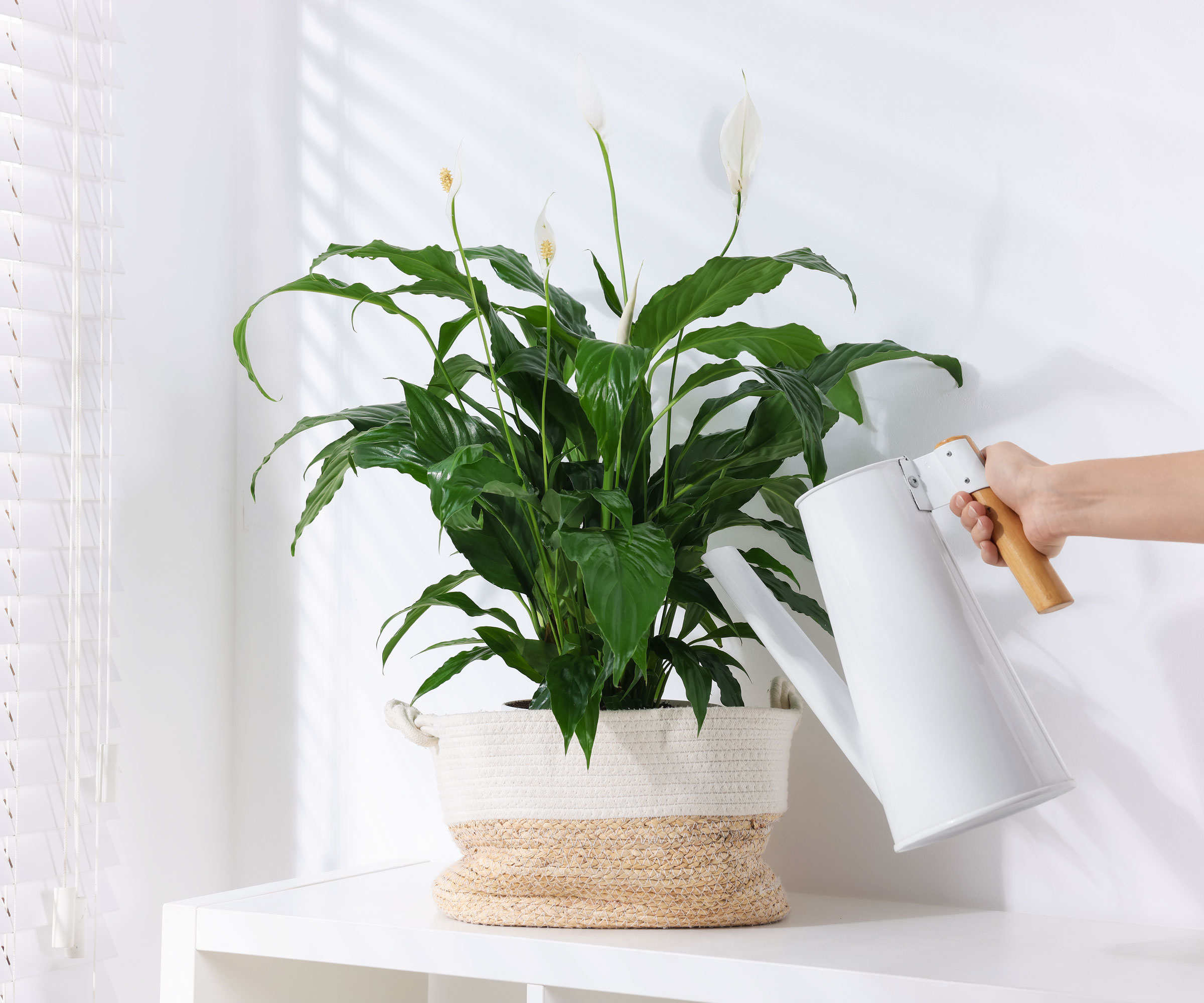
Aim to combat this with regular, deep watering that soaks the roots and soil. First of all, check the soil with your finger. When the top couple of inches (5cm) are dry, it’s time to water. Over summer, it’s possible that your peace lily may be suffering from a buildup of minerals on the surface of the potting soil, which can affect the plant’s ability to absorb water properly. So it’s also a good idea to perform a deep-soaking flush with room-temperature, filtered, or rain water. Do this until liquid runs freely out of the drainage holes.
Just be sure the water drains well and isn’t sitting in the bottom of the pot. If plants are sitting in drainage water for extended periods, this can also cause issues with root rot. For a simple, cheap way to lift your pots slightly off the base of the tray, grab a pack of Dedara Plant Pot Risers from Walmart. This budget-friendly bundle of supports slides discreetly inside any plant tray. Proper hydration will yield visible results within 8 hours, as stems snap back crisp and upright.
2. Shield Foliage from Shifting Sunlight
(Image credit: Irina Piskova / Getty Images)
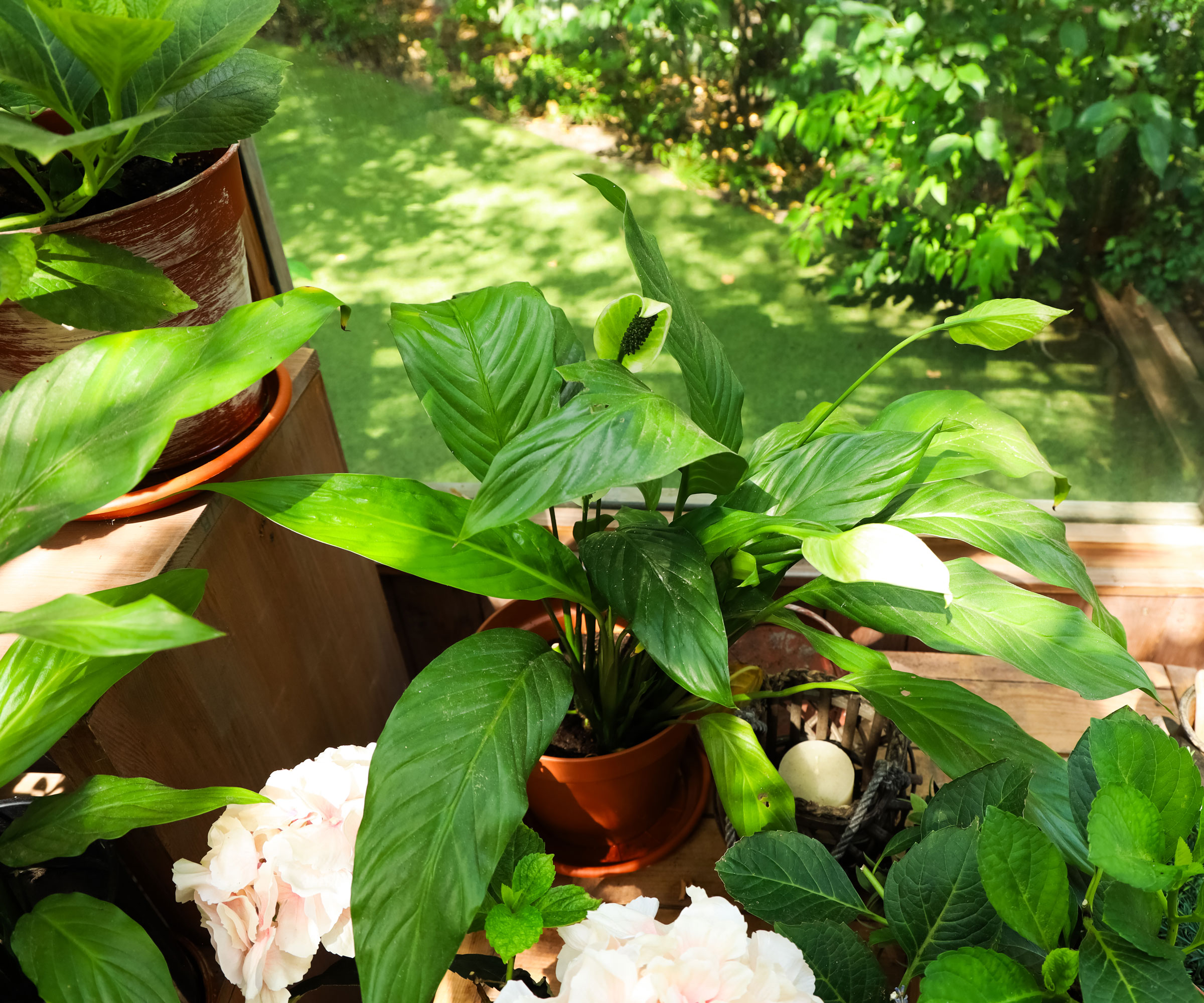
The angle of the sun is getting lower at this time of year, but it can still be too much for a peace lily, which prefers indirect light. Signs a peace lily is getting too much sunlight can include bleached, faded leaves, and curling or crispy leaf edges. Variegated cultivars like 'Domino' or 'Picasso' can suffer even more, because their cream-colored sectors lack protective chlorophyll and burn within hours of direct sun exposure.
Check how the sun is hitting your peace lily, especially in the afternoon when temperatures are highest. If the light is too intense, move it to a location with less direct sunlight. An east-facing window is ideal, but you can also put it near a west or south-facing window, behind the protection of a larger plant or sheer curtain. For a quick way of relocating heavier indoor plants (or moving outdoor plants indoors from outside), Bloem Planter Caddies from Target will wheel your peace lilies into position without any tedious lifting and are available in charming terracotta tones.
Just make sure you don’t place your plant in the path of cold air currents from air conditioning vents while trying to keep it cool. Thermal shock can cause leaf drop and drooping. It’s also important to rotate the plant pot at regular intervals to ensure even growth. You should find this helps to prevent further leaf browning and encourages deep, glossy new foliage.
3. Boost Local Humidity
(Image credit: Valeriy_G / Getty Images)
Peace lilies thrive in humid conditions, although they do tolerate less-than-ideal conditions. The heat of August can lead to a lot of air conditioner use, which, in turn, can lead to exceptionally dry air. Indoor air conditioning can strip ambient humidity below the 50-60% baseline that these tropical natives prefer. Your peace lily will survive small fluctuations, but will benefit from added localized humidity at this time.
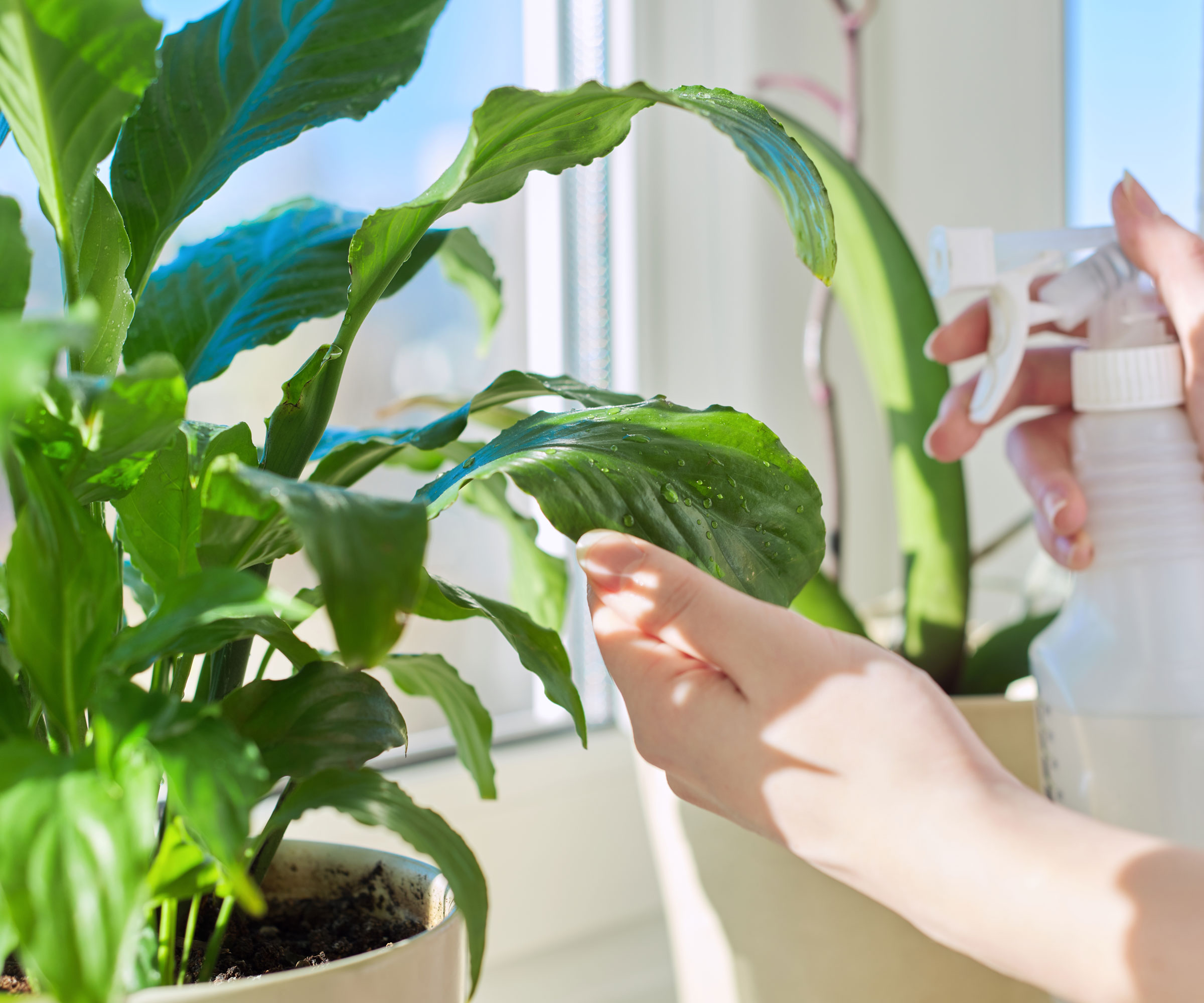
You can raise humidity levels with a pebble tray. Place the pot on top of a shallow container filled with pebbles and water. This creates moisture right around the plant. If you have other tropical plants that like humidity, group them together, so they trap more moisture around them. A gentle morning misting spray above the foliage can also help on hotter days, cooling down the leaf canopy and reducing transpiration stress. Just be sure to mist early in the day, so the droplets evaporate before nightfall, preventing standing water from sitting in the central crown.
To ensure your living space stays in the ideal humidity zone, use a monitor like the ThermoPro TP50 Digital Indoor Hygrometer and Humidity Meter from Amazon to track room temperature and relative humidity levels in real time. This TempPro staple is staggeringly good value, very popular with plant lovers, and will help you to decide exactly when to group plants or refill your humidity trays.
4. Apply a Gentle End of Season Feed
(Image credit: Csikiphoto / Shutterstock)
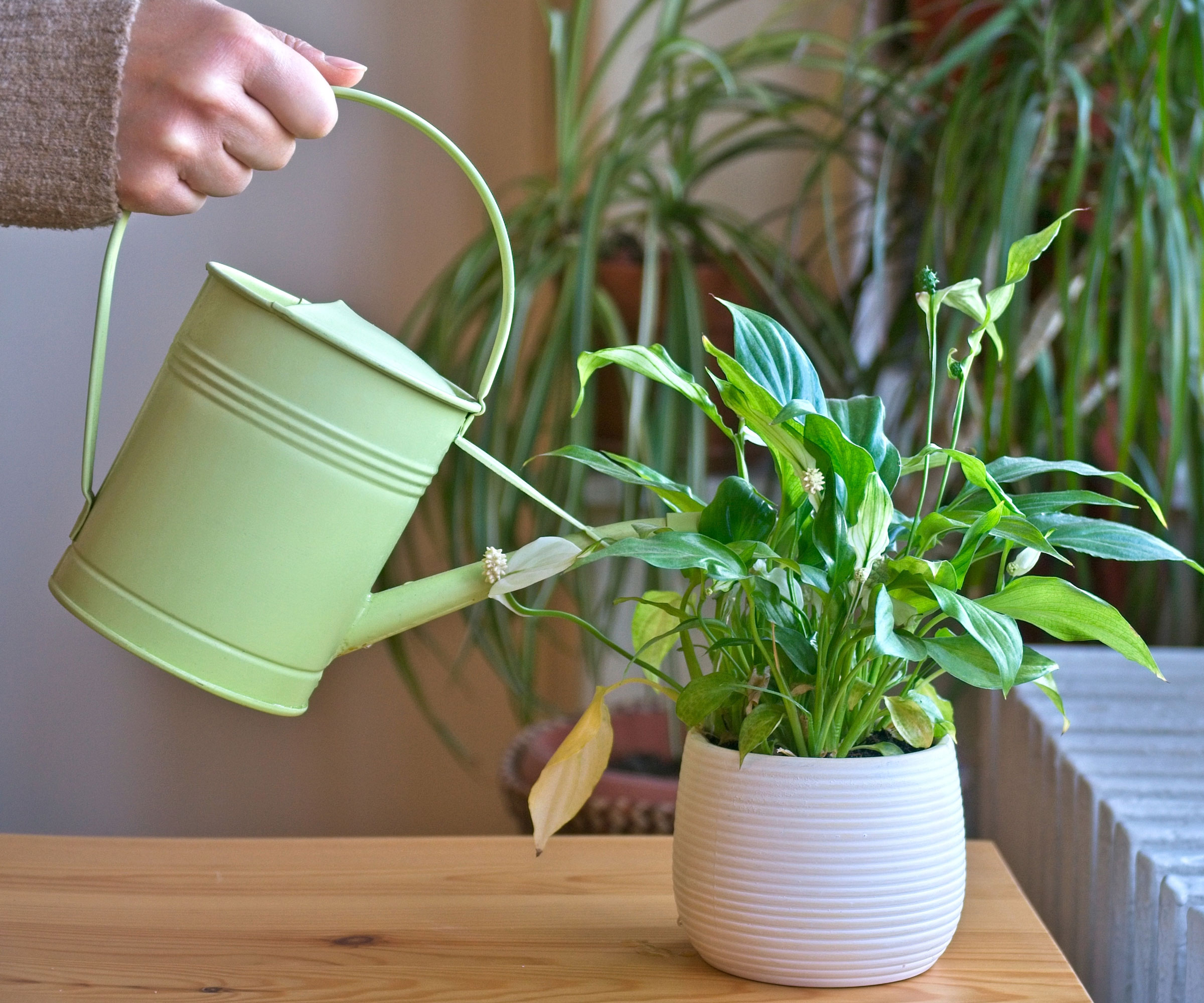
Peace lilies aren't heavy feeders, but light applications in the growing season promote healthy foliage and flower development. August is a great time to apply a final end-of-season drizzle. Just make sure your fertilizer is diluted to half or quarter strength, as peace lilies are sensitive to super strengths and feeling a little weakened by the excesses of summer.
Best options for feeding will feature a range of trace minerals that can replenish your plant after a long phase of growth, and give it the extra reserves needed to push out those extra bright white spathes, as well as the lushest new growth. Look for feeds with a gentle, balanced formula with potassium and magnesium to strengthen stems. If you are on a bit of a budget, try Bloom City’s Organic Liquid Seaweed and Kelp Fertilizer from Walmart to nurture that natural sheen ahead of the shorter days.
5. Clean Foliage and Deadhead Spathes
(Image credit: Kinga Krzeminska / Getty Images)
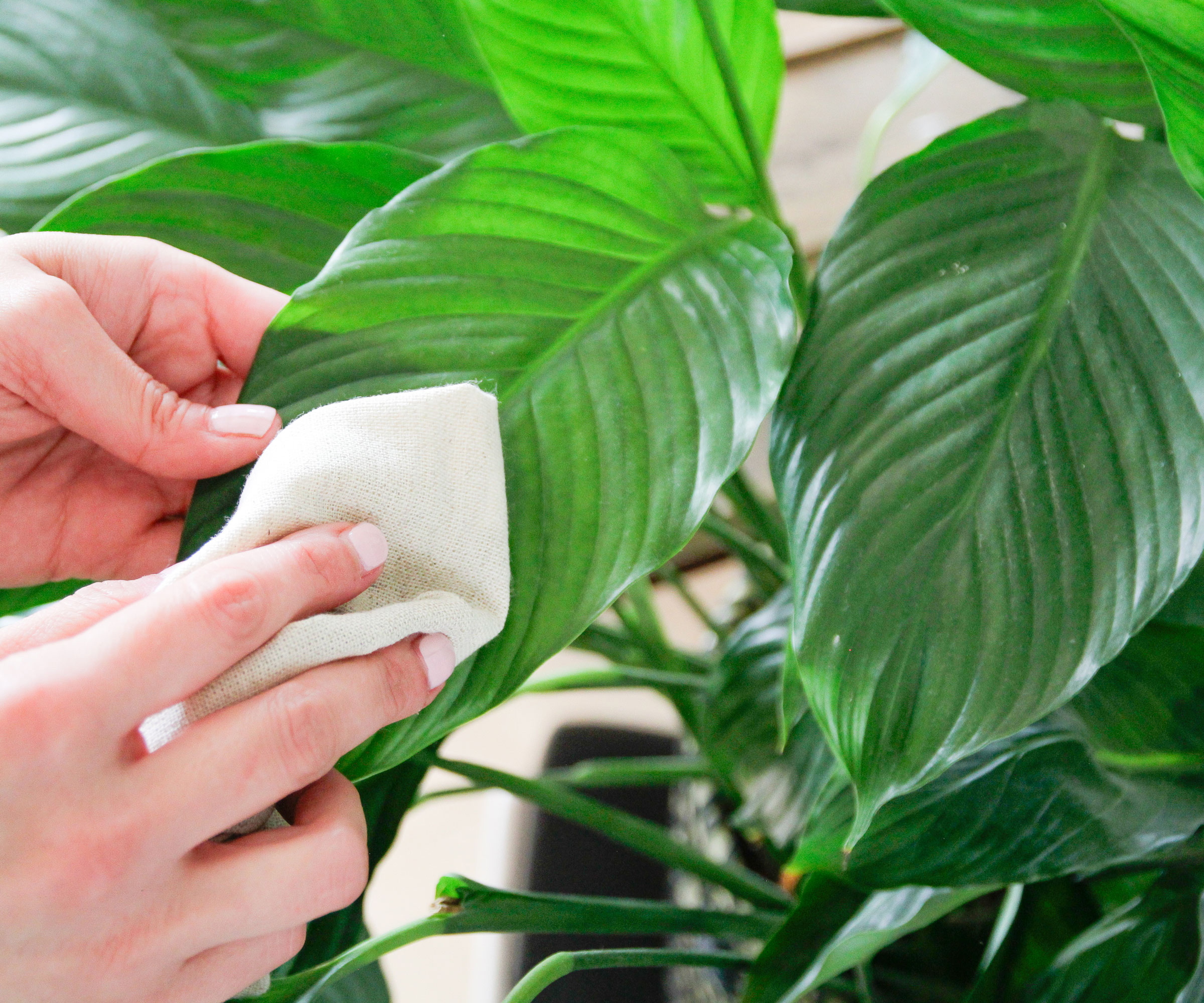
Your peace lily will appreciate a little tidying to help get ready for fall. Where you see faded spathes, gently deadhead them with clean snips near the base of the dead spathe stems. Don’t leave these dead spathes decaying on the surface of the soil as they can attract fungus gnats and mold. Given the hard work your air conditioner will have been putting in, chances are the leaves have also accumulated some dust. So give them a quick rinse in the tub, or use a soft, damp cloth to wipe them.
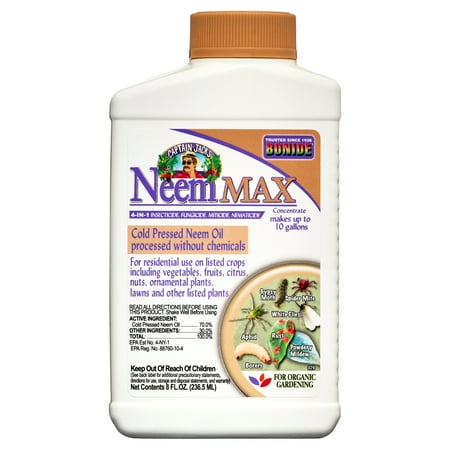
While tidying your peace lily leaves, keep an eye out for speckling, webs, or small flying insects. If you’re worried about summer pests, try a little neem oil (again, make sure this is diluted). It’s a great way to promote a natural glossy leaf shine and target early pests, such as spider mites or mealybugs. Dilute some Captain Jack’s Neem OIl Concentrate from Walmart and spray the leaves, then wipe. It’s the perfect pest blitz for a lush sheen that also means your plant is better able to process light.
Shop Peace Lily Essentials
(Image credit: Liudmila Chernetska / Getty Images)
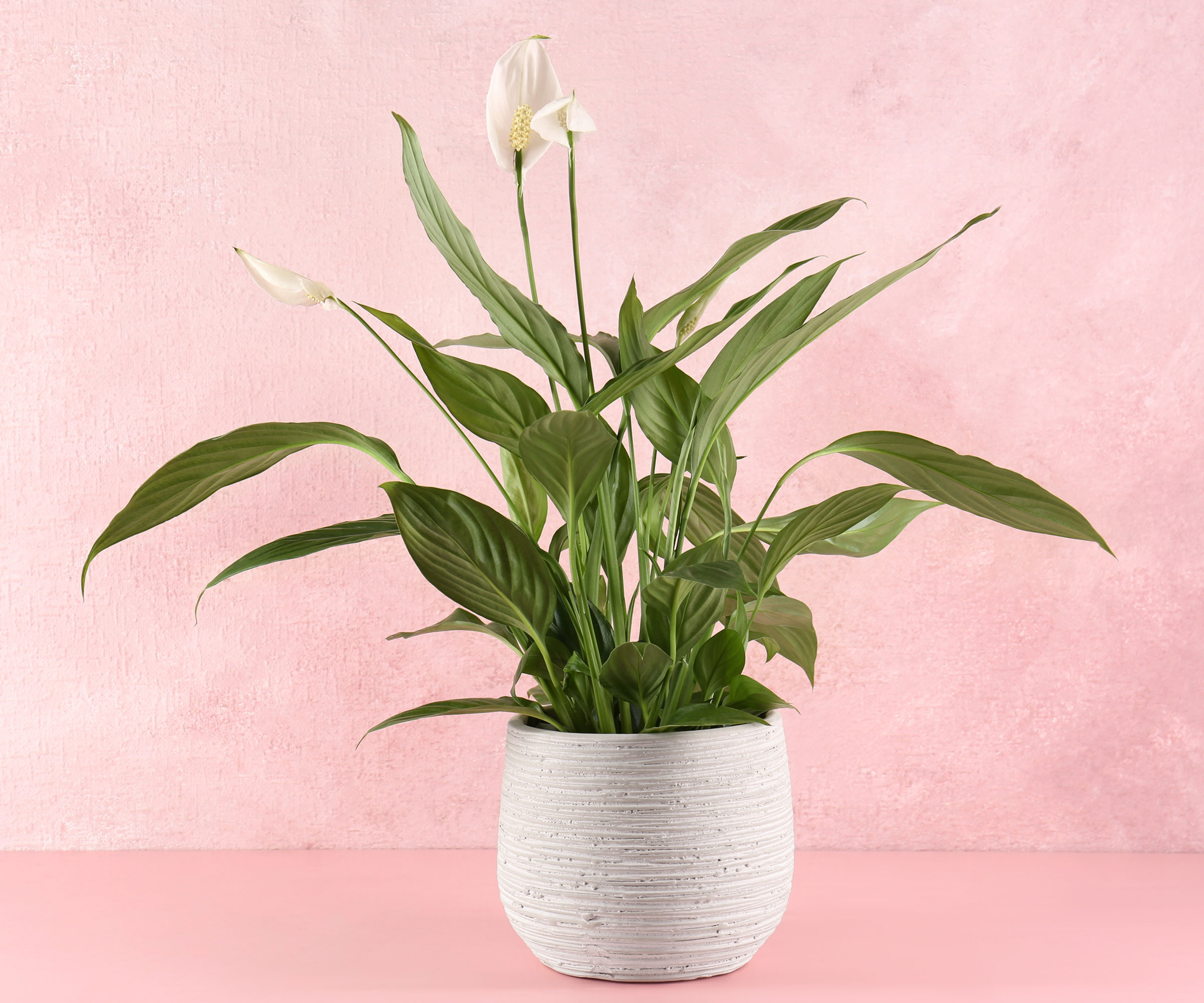
Keeping your peace lily lush, vibrant, and blooming doesn't require a cabinet full of specialized supplies. A few gentle organic boosters and plant health care essentials will help your plant thrive through August and beyond. These can also be used on your other tropical indoor plant babies.
 Organic Tonic
Bloom City
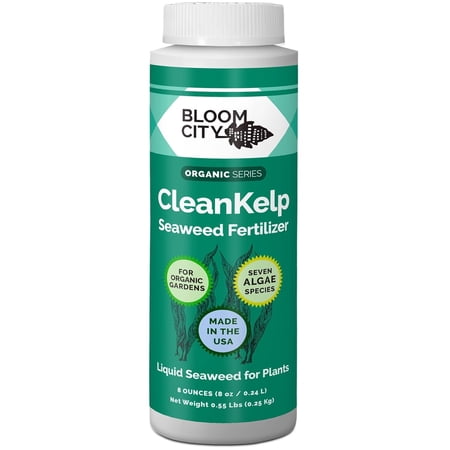
Bloom City Clean Kelp Seaweed Fertilizer
Peace lilies thrive on gentle feeding during their summer growth window. This organic kelp and seaweed blend delivers essential trace elements that strengthen your plant's foliage cell walls and promote long-lasting blooms without chemical salt burn.
 Potting Treat
Home Depot
Miracle-Gro Tropical Potted Plant Mix
Dense, compacted soil suffocates peace lily roots and leads to yellowing leaves. Formulated with volcanic ash and pine bark, this light mix uses volcanic ash and pine bark to maintain superior drainage.
 Organic Pest Care
Captain Jack's
Bonide Captain Jack's Neem Max Concentrate
Dry August air and indoor air conditioning create ideal breeding grounds for spider mites, thrips, and mealybugs. This organic 3-in-1 bug blaster can be diluted into a spray bottle to treat active pests, keeping foliage pristine as you transition to fall.
Need more ideas for timely gardening jobs and seasonal expert advice delivered straight to your inbox? Sign up for the free Gardening Know How Newsletter!
















 English (US) ·
  French (CA) ·