

I have a shocking admission: I’d never used a soil test until 2 weeks ago. For both my pollinator and raised bed vegetable gardens, I have always just applied some compost and mulch and hoped for the best. That system worked out fine until last year. My veggies just didn’t thrive the way they had in previous years.
This year, I vowed to get to the root of the problem (pun intended). Testing your soil is a simple way to find out what is going on and I had no idea how depleted my veggie garden soil was until this experiment. I have been reading rave reviews of the MySoil test kit, available on Amazon, for the last year, so I decided to put the test … to the test.
Keep reading to see the benefits of using the MySoil test kit, how it has helped me to fix my soil and how it could help yours.
MySoil Soil Test Kit
(Image credit: Kathleen Walters / Future)
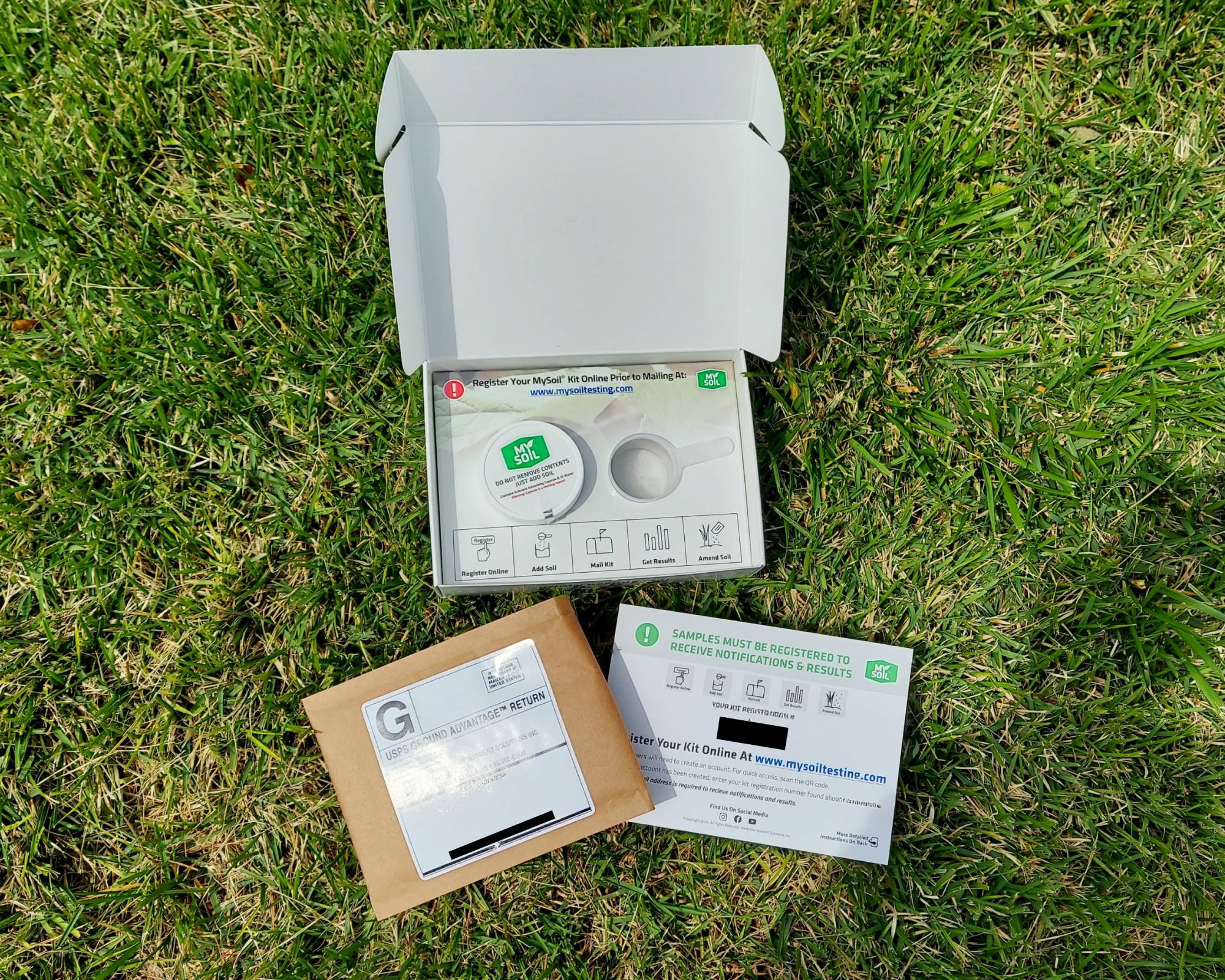
The MySoil soil test kit is super simple to use and yields a high-quality, laboratory evaluation of your soil. It is a mail-in test kit that comes with a prepaid shipping label so all you have to do is register your kit on their website, take a soil sample, put it in the provided container, and drop it in the mailbox.
Your results will appear in your profile on the MySoil website or mobile app within about a week of mailing it to the lab. Tracking is also included so you can see your soil test in transit. The MySoil website and app are both very user-friendly and show you your growing zone and ornamental plants, grasses, herbs, and vegetables that will grow best there.
The dashboard shows the average soil temperatures for your region which is very helpful in the spring when soil temperature makes a huge difference in determining planting dates. The website also contains detailed guides on a variety of complex gardening topics and a video tutorial for using your test kit and interpreting the results.
How to Use the MySoil Kit
- The first step is to register your test kit on the MySoil website or mobile app by entering the unique kit code or scanning the QR code on the instructions page. If you don’t register it, you won’t be able to see your results so don’t forget!
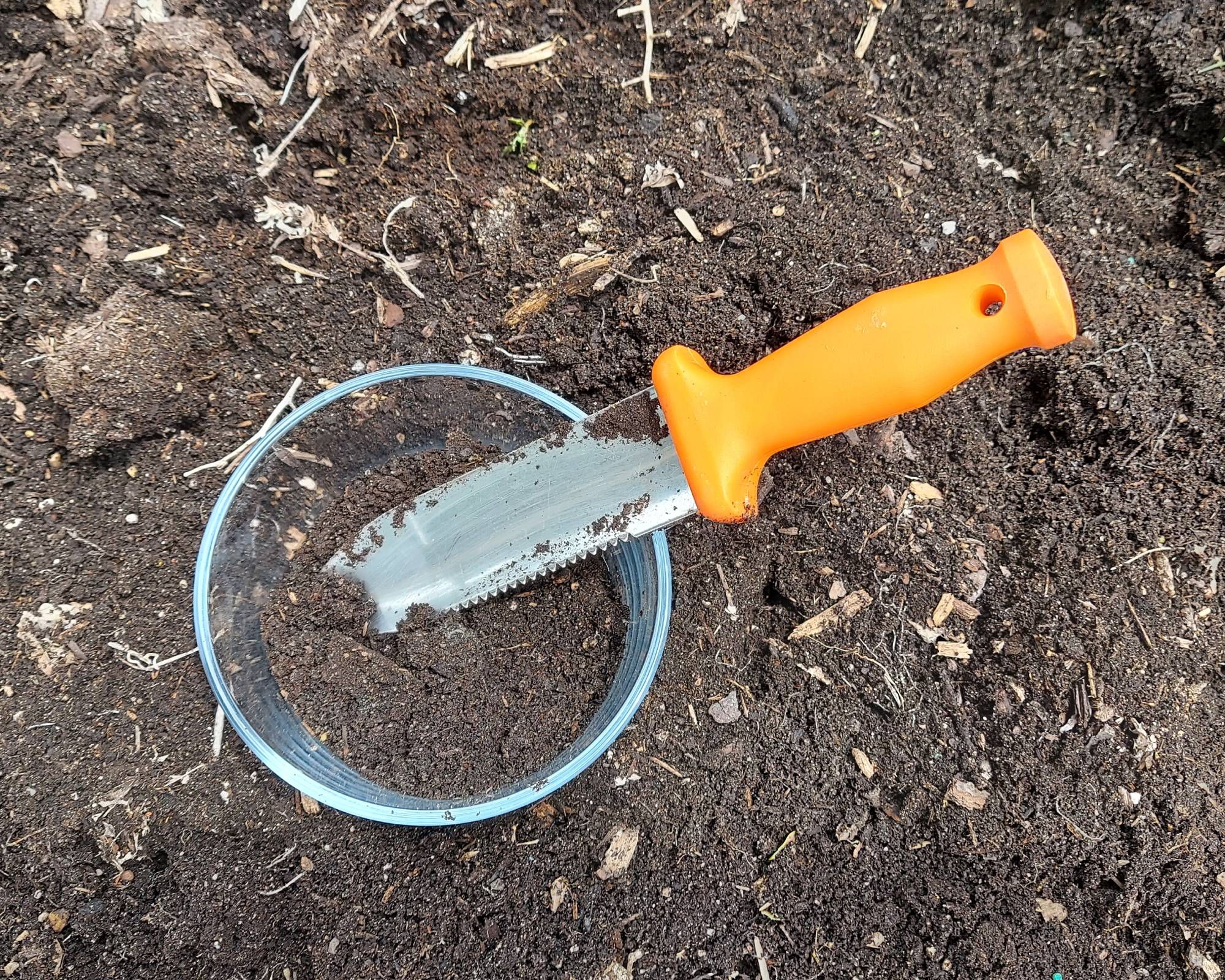
- Collect soil from 5 locations in your garden or yard and place them in the MySoil kit box or a bowl. Make sure to take samples of soil from the surface and various other depths down to 6-inches. I used my favorite soil knife to dig out samples. If you want to get fancy, you could use a soil probe like this one from Amazon.
- Mix the collected soil together and remove any rocks or plant material.
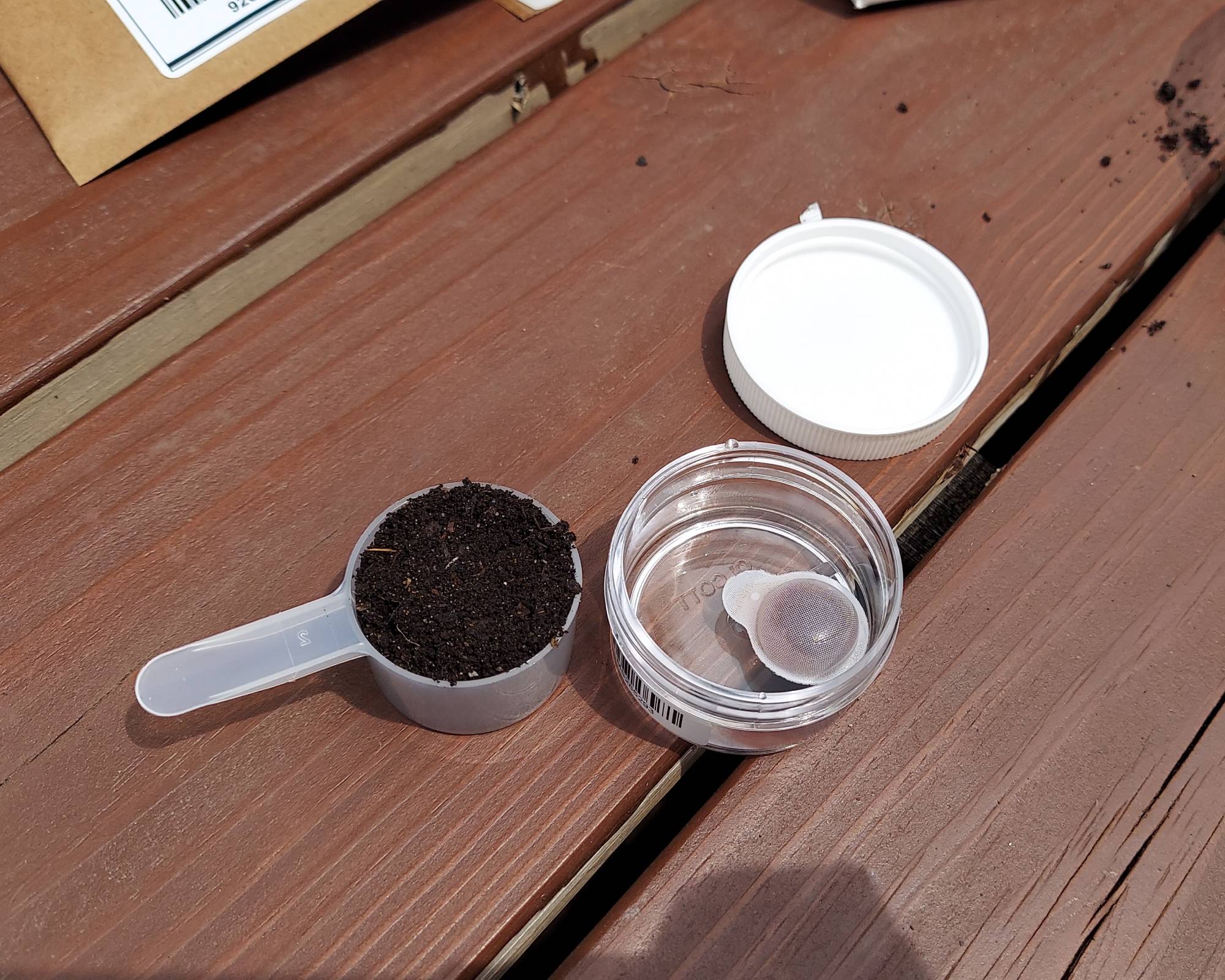
- Use the provided scooper to take a full, level scoop of the mixed soil and place in the soil sample jar. This jar has a nutrient-absorbing capsule suspended in deionized water – don’t dump this out!
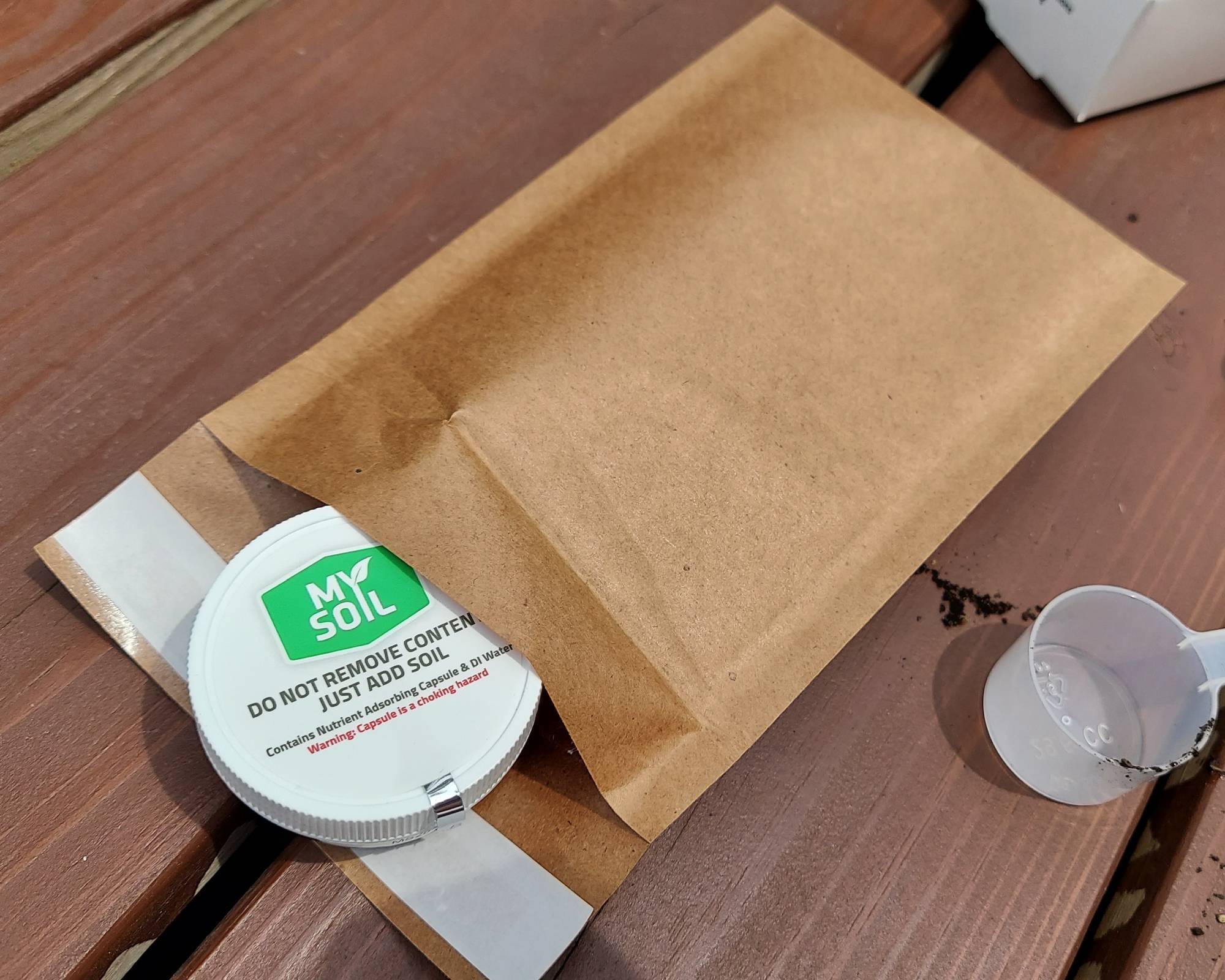
- Tightly seal the lid on the sample jar, place it in the prepaid bubble mailer, and drop it in the mail within 24 hours of taking the sample.
Once the postal service picks up your sample, you will receive tracking information and your soil results will be emailed to you within 6-8 days! Your results will also include recommendations for soil amendments including fertilizers and micronutrient additions.
Benefits of a High-Quality Test
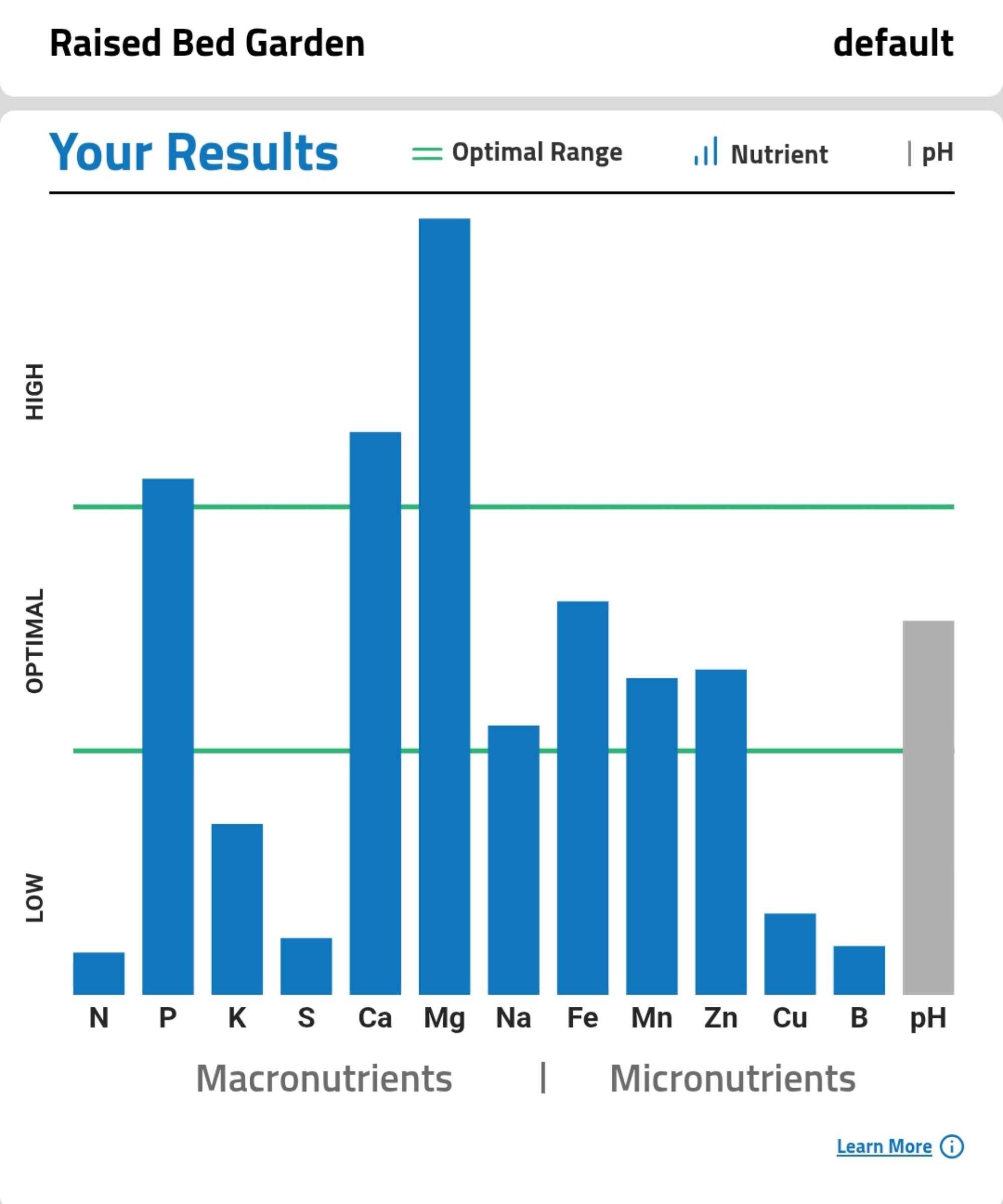
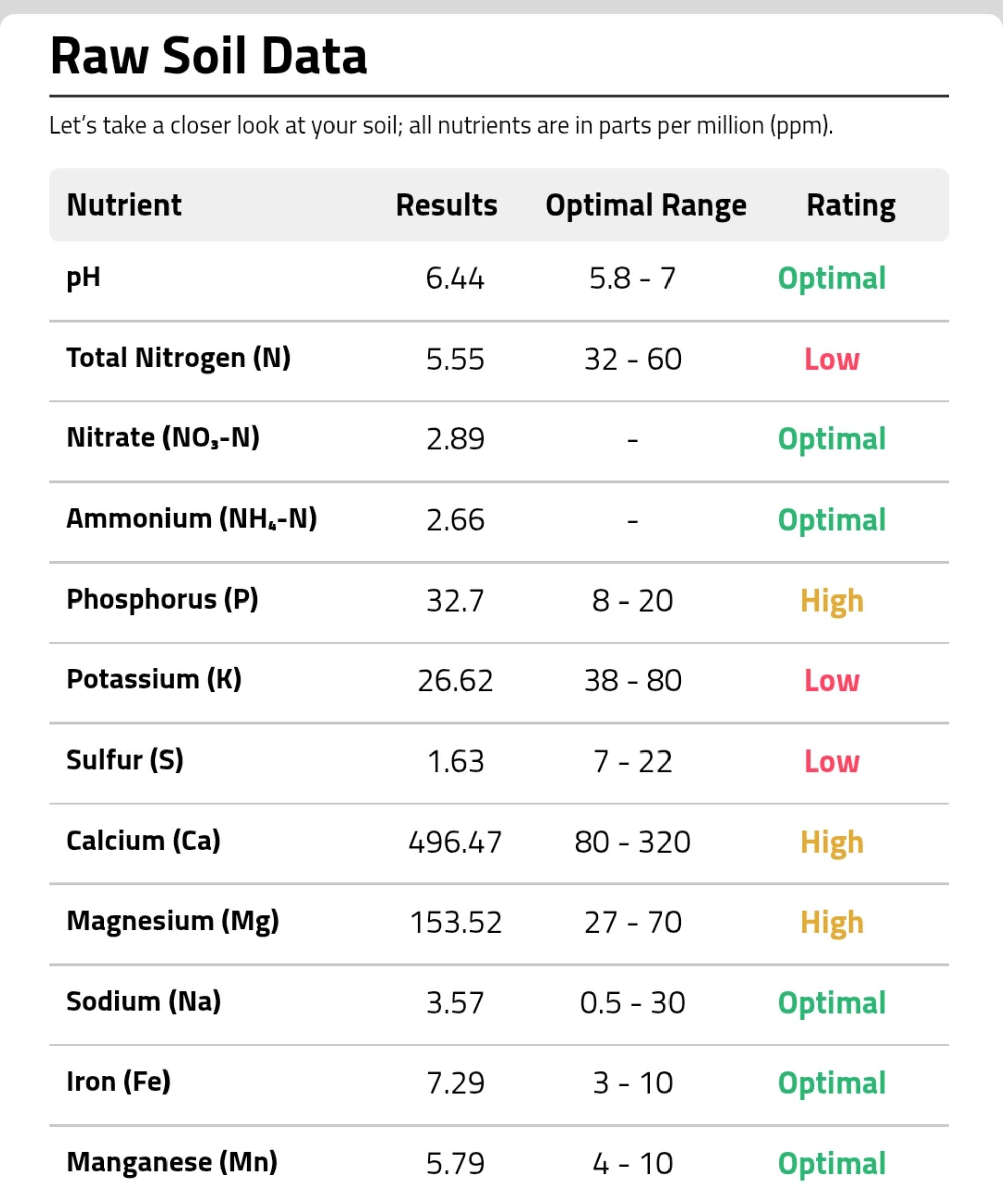
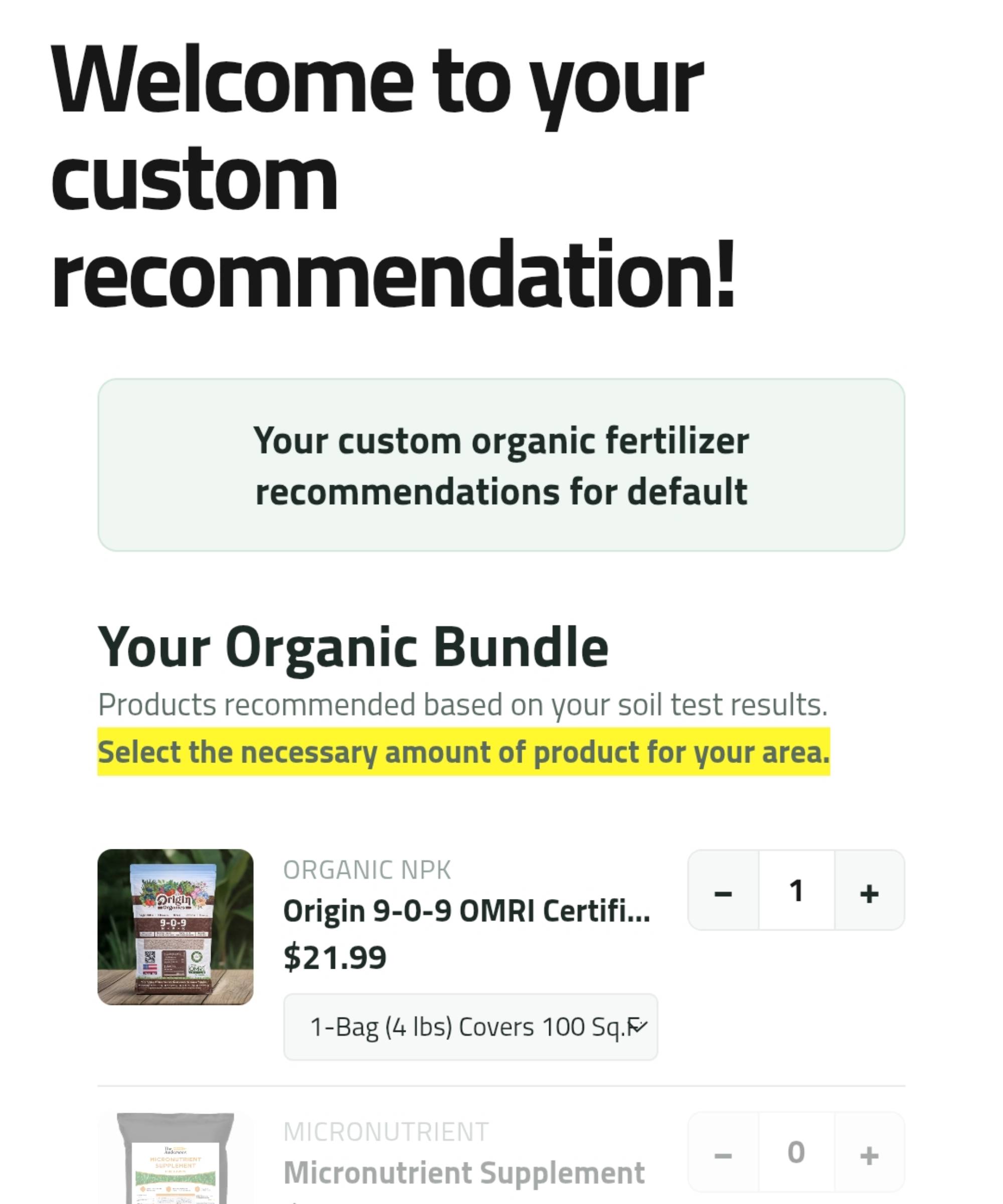
A simple dipstick-style soil test is easy to use but won’t yield high-quality results. I love that the MySoil soil test kit gives a full panel of macronutrients and micronutrients from a lab so you know exactly what is going on under your mulch.
My test results showed that my vegetable garden is sorely lacking in Nitrogen, Potassium and Sulfur. It also had strangely high Magnesium, Phosphorous and Calcium levels. I had no idea. The easy-to-read results categorized the nutrients into “low, optimal, or high,” in addition to giving detailed data and what the optimal range is. When setting up a MySoil account, you select what type of garden you are testing, so when I selected “vegetable beds,” it gave me an accurate assessment based on that information.
The MySoil test results also give you a recommendation for fertilizer and amendments to improve your soil health. You can purchase an organic or inorganic fertilizer through the app, or take this information with you when you go to your favorite local garden center to pick out a fertilizer.
Knowing what your soil is lacking can help you to fertilize more effectively and sustainably. Not understanding what your garden needs can lead to overfertilization or the use of products that can harm the environment. Promoting responsible fertilizer management is the mission of the MySoil team and is a good goal for all home gardeners, too.
Features of the MySoil Ecosystem
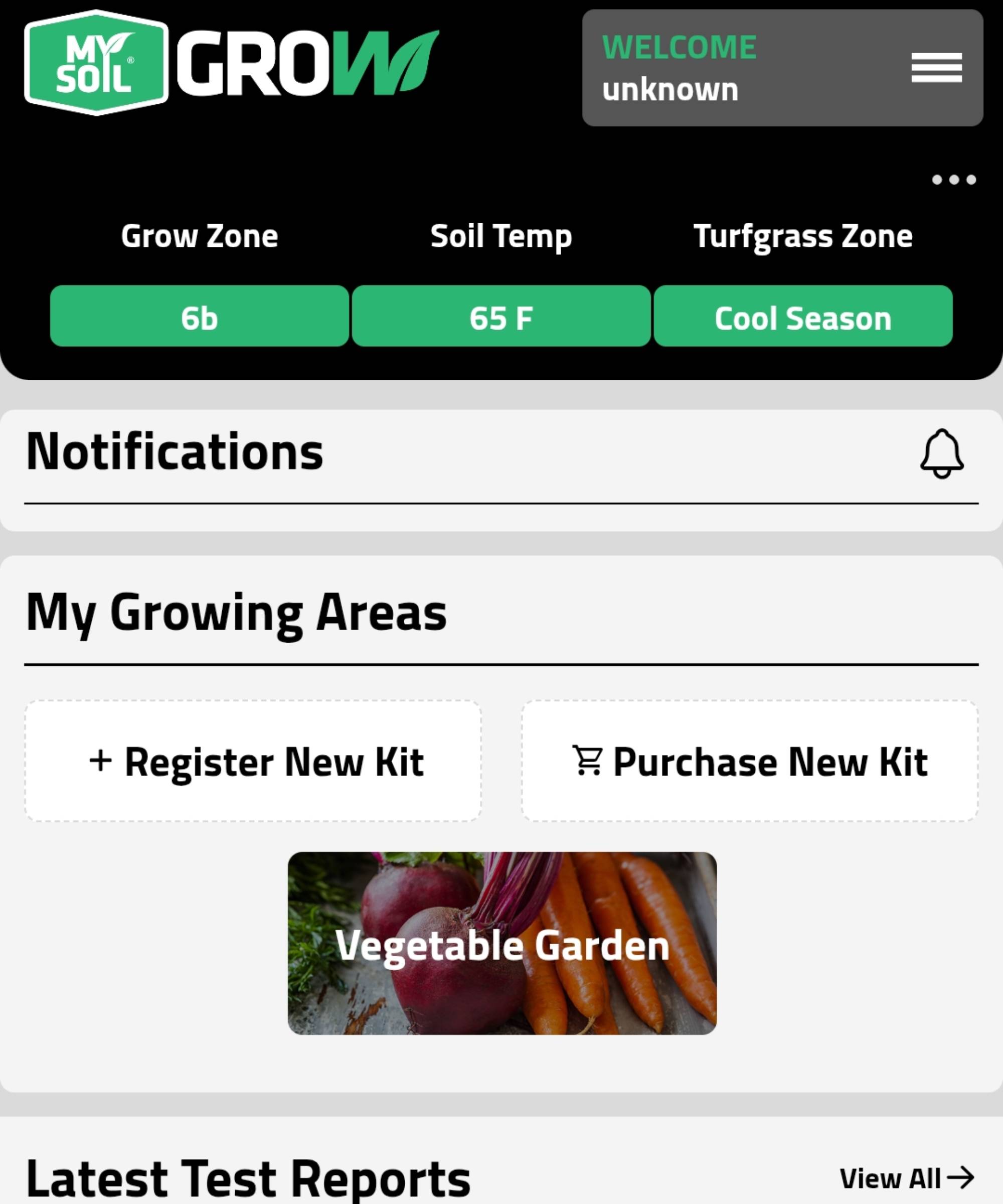
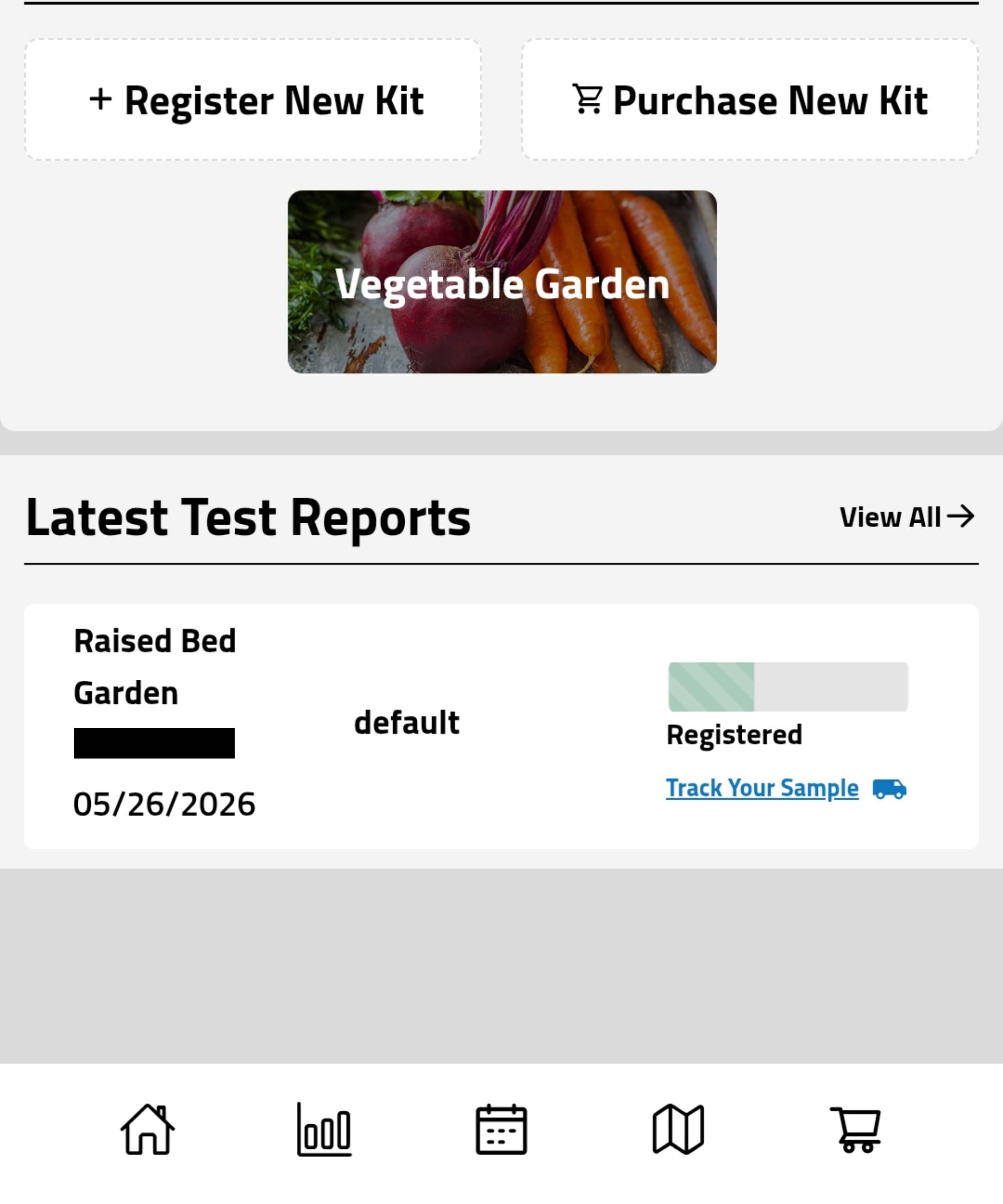
In addition to providing clear, detailed information about your soil’s health, the MySoil website and mobile app is really great to work with. When you register your soil test kit, you enter your zip code which allows the MySoil ecosystem to tailor everything to your garden.
When you log in, you will see your dashboard which shows test reports, USDA growing zone, the current soil temperature in your area, and your turfgrass zone. Clicking on your growing zone takes you to more information about gardening in that zone and plant recommendations. And I really love the soil temperature tracking which is going to come in handy next spring when I am questioning when to plant out my seedlings!
At the bottom of the dashboard, you can select your registered soil samples, a calendar, a map feature, and shopping. You can compare your different soil test results if you have taken multiple over the course of the months or years. And the calendar helps you to track when you planted, fertilized, or amended your soil or lawn.
The map feature allows you to measure and track your growing areas which is nice, but slightly flawed. My raised bed vegetable garden is partially obscured by my old silver maple tree on the satellite image, so it’s not quite accurate. However, it’s close enough!
In addition to your test results, fertilizer recommendations, and other handy features, the MySoil website and app have many comprehensive guides on various gardening and soil topics.
Overall, it is a very nice tech ecosystem to work with and you get a lot of value for the purchase of just one soil test kit.
The MySoil soil test kit and associated website really gives you a clear picture of your soil health and empowers you to make necessary changes. High-quality lab test results take all the guesswork out of soil amending and help you get the most out of your garden. I am so happy I tried this test, and I have already ordered my fertilizer to fix my veggie bed. I can’t wait to see the improvements. Knowledge really is power!




















 English (US) ·
  French (CA) ·